Visiting someone in the hospital seems simple enough. You show up, offer a few encouraging words, maybe bring a small gift, and spend some time keeping them company. What could go wrong?
Quite a lot, actually.
Hospitals aren’t ordinary social spaces. They’re places where people recover from illnesses, undergo treatments, and sometimes face frightening situations. What feels like a harmless gesture to a visitor can become an unnecessary burden for a patient.
The good news? Being a thoughtful hospital visitor doesn’t require special training. It mostly comes down to understanding boundaries, respecting hospital rules, and remembering that the visit isn’t about you.
Here are some common hospital visiting mistakes worth avoiding.
Showing Up Without Checking First
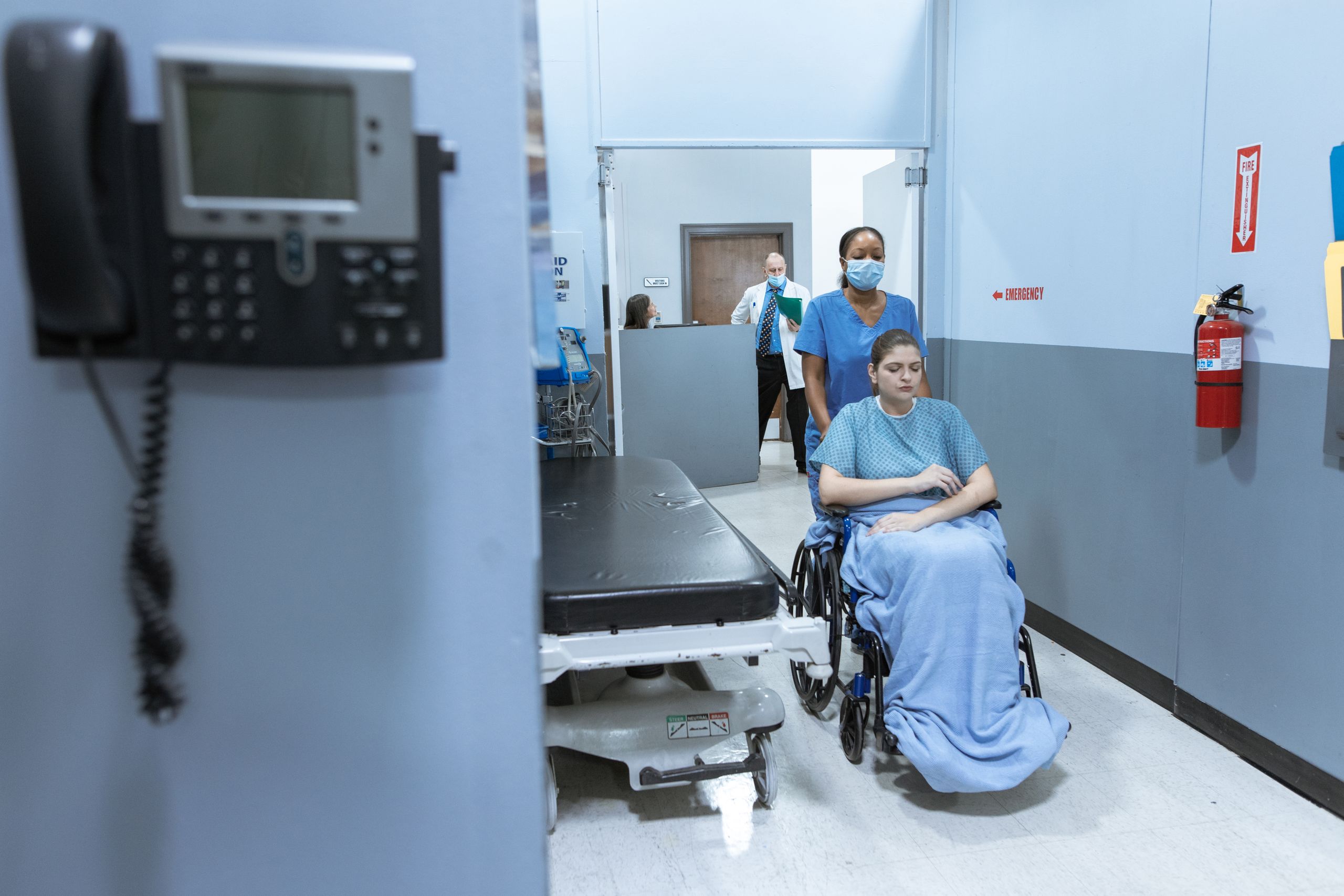
Surprising someone with a visit might sound sweet, but hospitals aren’t always the best places for unexpected guests.
Patients may be sleeping, receiving treatment, undergoing tests, or simply having a difficult day. Even someone who normally loves company might not feel up to entertaining visitors.
Before heading over, send a quick message or contact a family member to confirm that visiting is appropriate.
The UK’s National Health Service recommends checking hospital visiting arrangements beforehand because different wards may have different rules.
And remember, getting permission to visit doesn’t automatically mean someone wants company for hours.
Visiting When You’re Feeling Sick
You might think a little cough or runny nose isn’t a big deal. However, visiting a hospital while feeling unwell can put vulnerable patients at unnecessary risk.
The Centers for Disease Control and Prevention advises people not to visit healthcare facilities when they’re feeling sick.
Even something that seems minor to you could create problems for patients recovering from surgery or receiving treatment that affects their immune systems.
If you’re coughing, running a fever, vomiting, or experiencing other infection symptoms, staying home is generally the better choice.
A thoughtful phone call or encouraging text can still show someone you care.
Turning a Short Visit Into an All-Day Hangout
There’s a difference between keeping someone company and exhausting them.
Hospital patients often need uninterrupted rest between medications, examinations, meals, and treatments. Long conversations can become tiring, even when visitors have the best intentions.
Pay attention to the patient’s energy.
Are they closing their eyes frequently? Giving shorter answers? Looking uncomfortable or distracted?
Those may be signs that it’s time to leave.
You don’t need to wait for someone to ask you to go politely. Sometimes, a brief and cheerful visit is more meaningful than spending an entire afternoon at their bedside.
Sitting on the Patient’s Bed
That empty corner of the hospital bed might look like the perfect place to sit, especially when the visitor chairs aren’t particularly comfortable.
But it’s best to resist the temptation.
Hospital beds are part of a patient’s personal care environment, and sitting on them can interfere with cleanliness, comfort, and medical equipment.
Some hospitals specifically instruct visitors to use chairs rather than sitting on patient beds.
The same consideration applies to touching medical devices, adjusting equipment, or moving items around the bedside without permission.
If something needs changing, ask a nurse instead.
Bringing Food Without Asking Anyone
Who wouldn’t appreciate their favorite homemade meal after several days of hospital food?
Well, possibly someone whose medical team has placed them on a specific eating plan.
Patients may have restrictions on certain foods or drinks. Some may also be waiting for procedures that require them to avoid eating altogether.
That’s why arriving with pizza, fried chicken, or homemade soup isn’t always a good idea.
Hospital guidance from Stockport NHS Foundation Trust advises visitors to check with ward staff before bringing food or drinks because patients may have specific dietary restrictions.
Ask first. Your thoughtful surprise shouldn’t accidentally conflict with someone’s treatment.
Taking Pictures Without Permission
Not every hospital visit belongs on Instagram.
Someone lying in a hospital bed might not want the world knowing they’re sick, recovering from surgery, or receiving treatment.
Even if you’re close friends or family, don’t assume it’s okay to take photographs.
Ask before taking pictures, recording videos, or posting anything online.
Be especially careful not to capture other patients, medical records, computer screens, or conversations in the background.
Privacy matters, and people deserve control over what others share about their medical experiences.
Sometimes, the most respectful thing you can do is put your phone away and be present.
Asking Too Many Personal Medical Questions
There’s nothing wrong with showing concern, but curiosity can quickly become uncomfortable.
Questions about diagnoses, medical bills, surgery details, medications, or future treatment plans can feel intrusive.
Some patients enjoy talking openly about their experiences. Others prefer keeping those details private.
Rather than turning your visit into an interview, allow the patient to decide how much information they want to share.
A simple question like “How are you feeling today?” can open the door without putting anyone under pressure.
And if the patient changes the subject, follow their lead.
Bringing Too Many People Along
A hospital room isn’t the ideal setting for a family reunion.
While visitors may be excited to see someone they care about, crowded rooms can make resting difficult and create additional noise for neighboring patients.
Many hospitals also limit the number of visitors allowed at one time.
Bringing several friends or relatives without checking the rules could mean some people won’t be permitted inside.
Children may have additional visiting requirements, depending on the hospital and the ward.
Instead of arriving as a large group, consider organizing smaller visits or coordinating with family members.
Ignoring Hand Hygiene and Hospital Instructions
Hospitals have rules for a reason, and infection prevention is one of the biggest.
The CDC encourages patients and visitors to clean their hands, particularly after touching frequently used surfaces such as bed rails, doorknobs, and bedside tables.
Visitors should also follow posted precautions, including mask requirements or instructions about protective clothing when applicable.
Don’t ignore a sign simply because you’re visiting someone you know.
And if a nurse asks you to step outside during treatment, cooperate without making the situation difficult.
Medical staff need space to do their jobs, and patients deserve uninterrupted care.
Bringing Strong Perfume or Flowers Without Checking
Flowers are a classic hospital gift, but they’re not always welcome.
Certain wards restrict fresh flowers and plants, while some patients may be sensitive to strong fragrances.
UK HealthCare, for example, encourages visitors to avoid perfumes and other strong scents and to call ahead before bringing flowers.
If you’re unsure about gifts, consider something less complicated, such as a thoughtful card or a book the patient would enjoy.
The gesture matters more than the gift’s price or size.
Making the Visit About Your Own Problems
Everyone has difficult days, but a hospital visit isn’t always the right moment to unload your personal frustrations.
Imagine someone recovering from surgery having to listen to an extended complaint about workplace drama, family arguments, or financial troubles.
Of course, conversations don’t have to be serious all the time. A funny story or ordinary neighborhood gossip might provide a welcome distraction.
The important thing is reading the room.
If the patient seems interested, keep chatting. If they look exhausted or worried, offer encouragement and allow some quiet.
Sometimes, simply sitting beside someone without demanding conversation is enough.
Forgetting That Other Patients Need Peace Too
Even when your loved one enjoys lively conversations, the person in the next bed might be trying to sleep.
Keep your voice at a reasonable level, silence unnecessary phone notifications, and avoid playing loud videos or music.
Respect curtains, personal belongings, and shared spaces.
Remember that neighboring patients may be experiencing pain, anxiety, or difficult medical situations of their own.
Being considerate doesn’t stop at the bedside of the person you’re visiting.
The Bottom Line
Hospital visits can mean a great deal to someone going through a difficult time. A familiar face, a reassuring conversation, or a few minutes of companionship can make an uncomfortable day feel less lonely.
But being a good visitor isn’t about staying the longest, bringing the biggest gift, or asking the most questions.
It’s about respecting someone’s comfort, privacy, recovery, and personal boundaries.
Before your next hospital visit, remember one simple idea: Your presence should make the patient’s day easier, not give them something else to worry about.
Sometimes, the kindest visit is a short one, followed by a thoughtful message letting them know you’re still thinking of them.