Halloween night in downtown Los Angeles is not the easiest time to find a table for six. Plenty of groups in that spot do the practical thing and split up, figuring two smaller tables are better than an hour on the sidewalk.
A group of six friends did exactly that at JinCook, a Korean restaurant in Los Angeles’ Little Tokyo, sitting at 2 tables of three with separate servers. When the checks came, one of the diners said, both carried the restaurant’s automatic 18% large-party gratuity, and after the group pushed back, a server removed the charge but warned that the friends would be blacklisted if they came back.
How 2 Tables of Three Got a Large-Party Fee
The account comes from one of the diners, who posted it on Reddit’s r/FoodLosAngeles forum, and was reported by the New York Post and its California Post edition on Nov. 2, 2026. According to that report, the six friends could not be seated together at JinCook without a lengthy wait, so they agreed to split into two groups of three.
The diners say the two tables had separate servers. But when the two checks arrived, they allege, the restaurant counted both tables as one big party anyway, adding the mandatory gratuity to each bill. A photo of a receipt shared on Reddit showed an automatic gratuity line, according to the Post.
The poster said the group had planned to tip all along. In the post, the diner wrote that the group fully intended to leave a standard 15-18% tip once the bill was fixed, and simply did not think a mandatory large-party fee made sense for two completely independent tables.
The Warning at the Table
The group complained, and the server reportedly agreed to take the charge off. That is where the evening turned. According to the diner’s account in the Post, the staffer said the charge would be dropped that time, but that the group could not come back and would be blacklisted.
The poster also said the server kept defending the restaurant’s position after returning with the corrected bill. In the Reddit post, the diner said the experience was confusing and left a worry that running into a friend seated at another table could become another reason to add the fee.
JinCook’s side of the story has not been established. The Post reported that the restaurant did not respond to its request for comment, and it remains unclear whether the diners were actually barred from returning.
How Automatic Gratuities Usually Work
Large-party charges are a familiar line on American restaurant bills. Wikipedia’s entry on gratuity notes that a fixed-percentage service charge is sometimes added to restaurant bills, and that tipping may not be expected when a fee is explicitly charged for the service. A service charge in place of a tip is often called a mandatory gratuity, and rules on who keeps that money vary by state. Plenty of old-school etiquette rules have faded away over the decades, but the restaurant tip has only grown more complicated.
For ordinary sit-down service, the Emily Post Institute’s general tipping guide puts the standard tip at 15 to 20%, calculated before tax. By that measure, the 18% the friends were charged sits inside the normal range. The argument was never really about the number; it was about whether two separate tables of three counted as one party of six.
Debates like this one help explain why American tipping puzzles so many visitors, and why it sits comfortably beside other odd American traditions that confuse the rest of the world. Surprise fees also show up again and again in lists of red flags diners watch for at a restaurant. The same questions follow people well beyond dinner, from holiday tips for housekeepers, nannies and dog walkers to year-end tips for doormen and building supers.
What Reddit Users Said
The post drew thousands of reactions before it was locked to new comments, the Post reported. Many commenters sided with the diners. One called it a weird attitude when the tables are split, arguing that a group that cannot sit together is no longer a large party. Another said the friends had done the restaurant a favor by splitting up, and that no large-party fee should apply.
Others were less sympathetic. One commenter joked that an 18% charge was a bargain next to the customary 20%. Some defended automatic gratuities for bigger groups, arguing that they protect servers from being shortchanged after complicated orders and split checks.
Why the Story Struck a Nerve
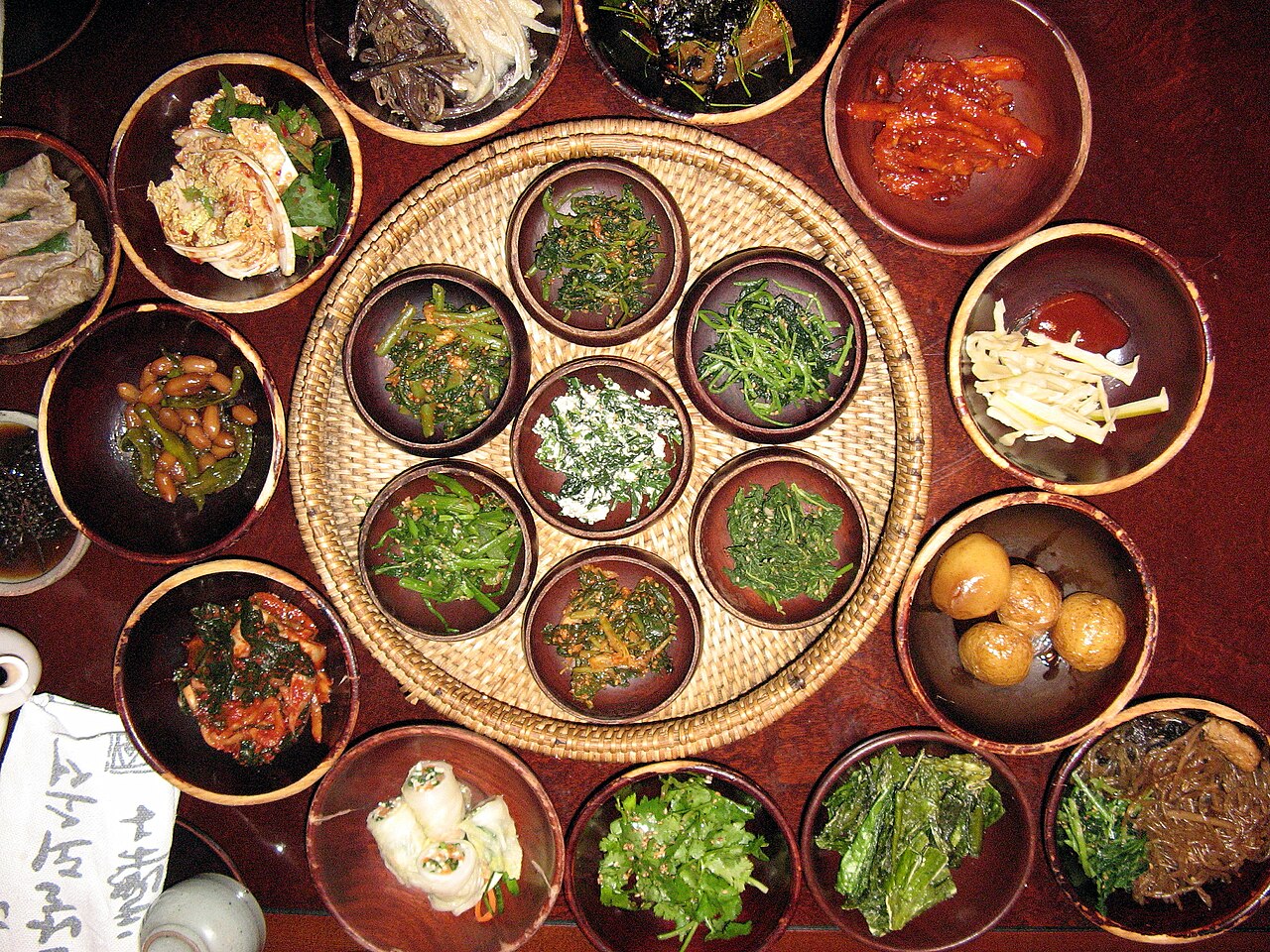
Korean restaurants are built around sharing. According to Wikipedia’s overview of Korean cuisine, traditional meals are named for the number of side dishes, or banchan, that come with the rice, and stews are often shared at the table. That makes the question of who counts as one party feel especially pointed in a place where food is meant to be passed around.
The story also landed during a stretch of growing frustration over extra fees on restaurant bills, which the Post noted diners in Los Angeles increasingly run into. For many readers, the details felt familiar: a group trying to be flexible, a fee that seemed to ignore the seating, and a warning that turned a dinner into a dispute. For any group planning a big night out, the simplest step is to ask how the restaurant handles split tables before sitting down.
This article was produced with AI assistance and edited for accuracy against the sources linked above.