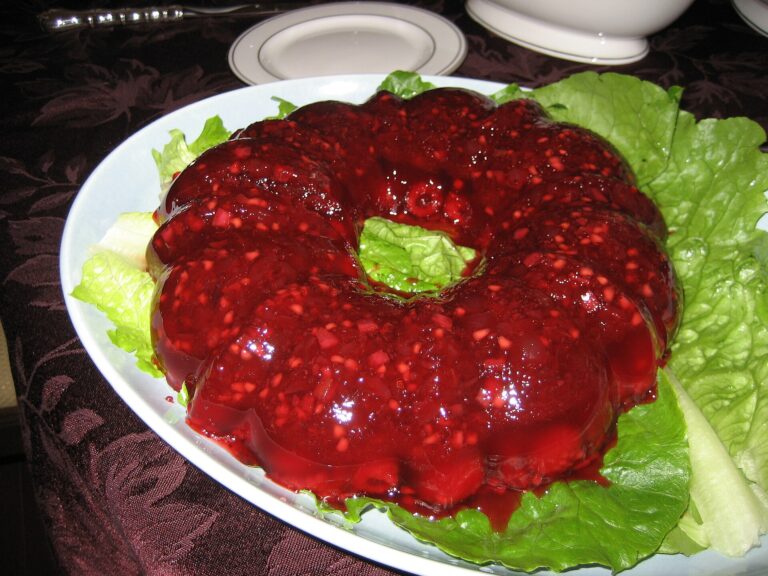
Somewhere around Wednesday night, every Thanksgiving host hits the same wall: too many dishes, too few hands, and a sneaking worry about what the conversation will sound like once everyone sits down. The food usually turns out fine. The table is the harder part.
Harvard’s Graduate School of Education gathered 9 ideas for a better holiday table in a Usable Knowledge piece posted November 15, 2018, and they still read like a practical plan. They range from asking about the stories behind family recipes to giving teens a side dish to make and setting clear rules for phones at dinner.
1. Ask About the Stories Behind Family Recipes
The Usable Knowledge article, by Bari Walsh and Leah Shafer, opens with writer Bri DiRosa’s reflection that old family recipes keep departed relatives’ stories alive. It suggests a short list of table questions: where a recipe came from, who taught it, when and where it was usually eaten, and whether it was a special-occasion dish or an everyday one.
Questions like these work well with grandparents, whose answers often reach back decades, and for many families the recipes carry faith and values along with flavor, the kind of grounding explored in a piece on common misconceptions about living the Christian life. Plenty of households already keep this kind of ritual, and a look at the traditions families share at Thanksgiving shows how often food is at the center of them.
2. Turn Those Recipes Into a Family Cookbook
The same piece highlights high school teacher Jessica Lander, who built a unit around food for immigrant and refugee students. Her class set out to write a global cookbook that traces each student’s journey and native culture. A family can borrow the idea on a smaller scale, collecting recipe cards and the story behind each one into a binder that comes out every November. It would make a gentler addition to the list of Thanksgiving traditions everyone pretends aren’t weird.
3. Slow Down and Focus on the Positive
Harvard’s roundup points to resources from the Family Dinner Project and boils the key advice down to two moves: slow down, and focus on the positive. That is easier said than done on a day built around a 20-pound bird, which is part of why Thanksgiving remains one of the odd American traditions that confuse the rest of the world.
A calmer pace in the days before the meal helps too. A piece on getting through the holidays without arriving at January worn out makes the case for spreading out the cooking instead of cramming it into one afternoon.
4. Have a Plan for Tension and Politics
The article also links tip sheets on managing tension and conflict at the dinner table and on what to do “when politics intrude.” The point is not to ban hard subjects but to have a few ground rules ready before the gravy is passed. Anyone who has lived through a heated holiday meal knows the value of that, and a rundown of what families argue about at Thanksgiving dinner shows how predictable the flashpoints are.
Good questions can steer things somewhere better. Harvard’s Making Caring Common project suggests asking about the best and hardest parts of the day, or something kind someone did, as easy openers for meaningful conversation.
5. Give Children and Teens Real Jobs, Including a Side Dish
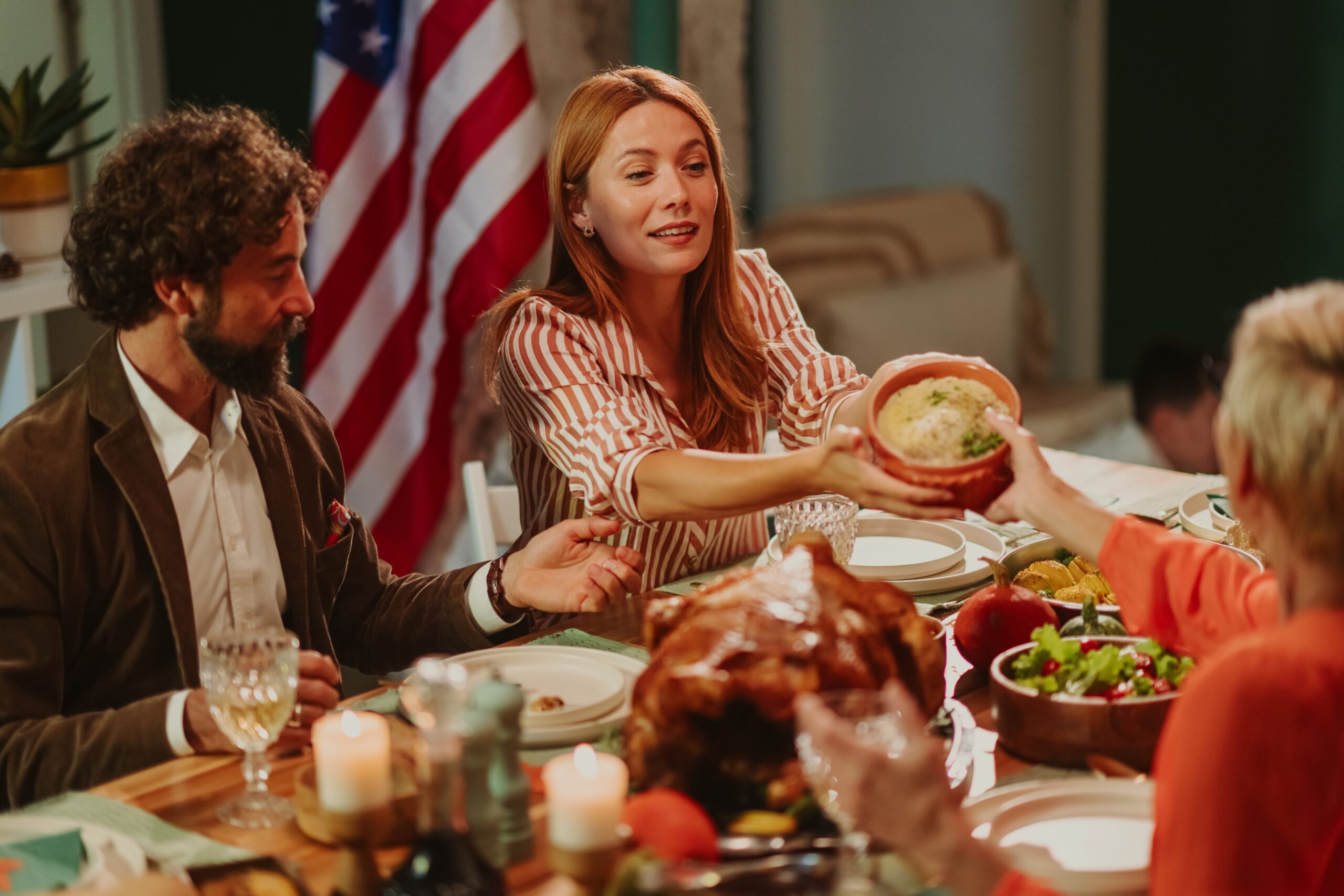
Under the heading “A Communal Responsibility,” the piece says a meal with dozens of guests and courses should not fall on one person’s shoulders. Children and teens can take on setting the table, making decorations or preparing a side dish. A teenager who owns the green beans or the cranberry sauce has a reason to be proud of the meal, and a reason to show up in the kitchen early.
6. Let Go of Some Control and Share the Work
The flip side of handing out jobs is that parents and hosts have to accept that the side dish might not look exactly like Grandma’s. The article frames this as a chance for adults to relinquish some control. It also points to Making Caring Common’s advice on dividing up chores in a gender-neutral way, so the kitchen work does not land on the same people every year.
7. Explore the Real History
The education school notes that children often come home with a tidy version of the First Thanksgiving, and that the real history of the holiday and colonization is more complicated. It points families to resources from NPR, Scholastic and Plimoth Patuxet Museums, which tells the stories of the Wampanoag and English people who met on that coast.
8. Start a Giving Tradition
The article ties the holiday to GivingTuesday, the Tuesday after Thanksgiving, which the Family Dinner Project joins each year as a counterweight to Black Friday. In 2026 it falls on December 1, and the movement was founded in 2012 by Henry Timms at the 92nd Street Y in New York City. The suggested kit includes talking as a family about giving, deciding what to support, and taking a family giving pledge.
Food banks and community dinners are natural choices for a family that has just shared a big meal.
9. Set Clear Rules for Phones at the Table
The last idea comes from Anne Fishel, co-founder of the Family Dinner Project, who writes that the most important table manners are the ones that help people connect. If technology is allowed, the article says, it should add to the conversation, such as passing around a photo, rather than pull attention away. Families can settle on rules ahead of time, whether that means a basket for phones by the door or permission to look up a fact mid-debate, and then stick to them.
None of the 9 ideas requires a bigger budget or a fancier menu. They ask for a few good questions, a side dish handed to a teenager, and a basket by the door, which is a fair trade for a table people actually want to linger at.
This article was produced with AI assistance and edited for accuracy against the sources linked above.