The coffee bag looks the same on the shelf. The oatmeal box still fits in the same spot in the pantry. It is only at home, scooping the last of the grounds or tearing open what turns out to be the final packet, that the difference shows.
Consumer World’s Mouse Print column reported in its Oct. 17, 2026, shrinkflation roundup that Eight O’Clock Coffee dropped 2 ounces from its 40-ounce bags, leaving 38 ounces, and that Stop & Shop’s store-brand instant oatmeal boxes went from 10 packets to 8.
Eight O’Clock Coffee: 40 Ounces Down to 38
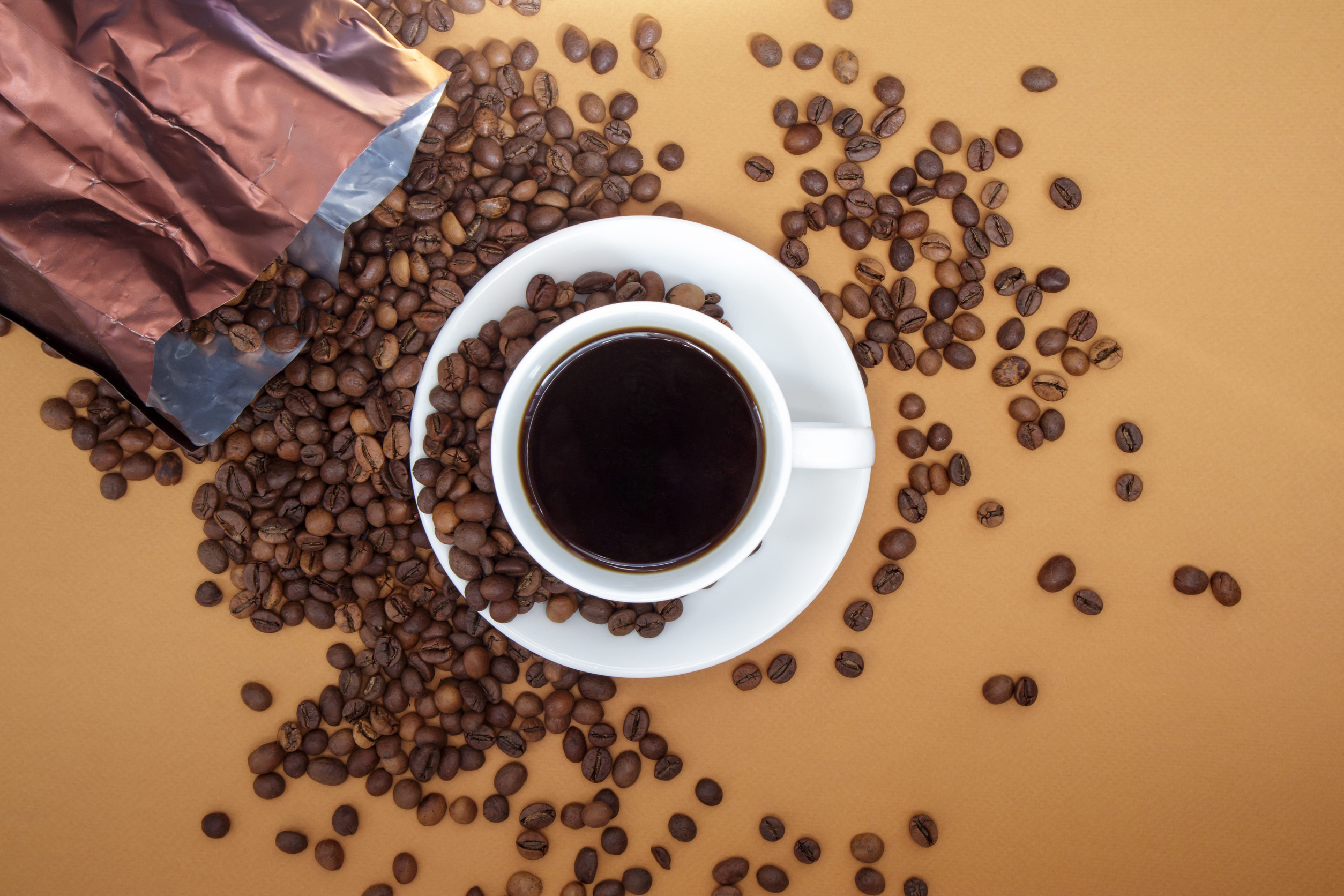
The Oct. 17 Mouse Print downsizing roundup, written by Consumer World founder Edgar Dworsky, opened the coffee item by recalling when cans of coffee used to hold a pound. With coffee prices high, it said, manufacturers are making their largest bags smaller, and Eight O’Clock cut 2 ounces from its 40-ounce bag. The change was sent in by a shopper.
Eight O’Clock is one of the oldest names in the coffee aisle. Wikipedia’s history of the brand dates it to 1859, when it was introduced by the Great Atlantic and Pacific Tea Company, better known as A&P, which owned it until 2003. It is now owned by Tata Consumer Products. Anyone who remembers the pound can on a grandparent’s counter may also remember the slang of that era, the kind collected in Frenz Hub’s list of words from the swinging ’60s.
The cut is small on paper. Everything-PR’s shrinkflation index, last updated Nov. 8, 2026, ranks it as the smallest of 15 package reductions it tracked, a 5.0% cut. If the shelf price stayed the same, the index calculates, the cost per ounce would be 5.3% higher.
Coffee is already one of the pricier staples in the cart. The Bureau of Labor Statistics’ average retail food price table puts 100% ground roast coffee at a U.S. city average of $9.249 per pound in October 2026, compared with $9.332 a year earlier. For households trying to stretch each bag, Frenz Hub’s coffee bar ideas show how a home setup can stand in for the drive-through.
Stop & Shop Instant Oatmeal: 10 Packets Down to 8
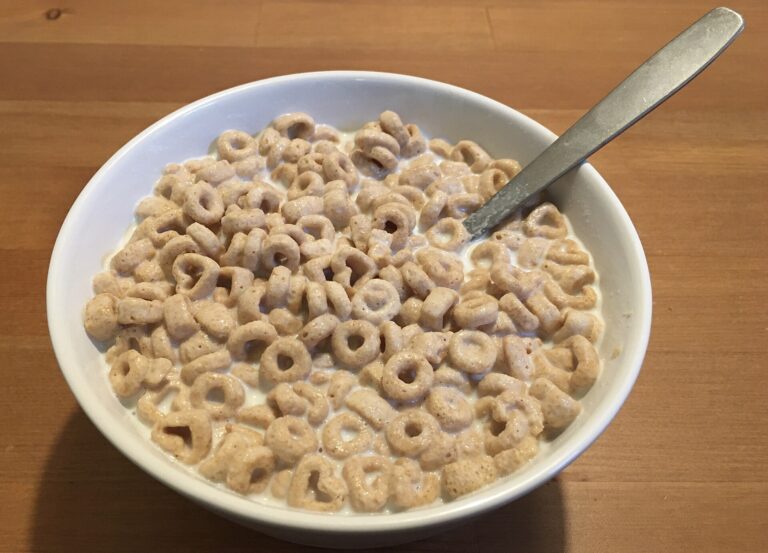
The same Mouse Print roundup showed that store brands shrink too. Stop & Shop’s instant oatmeal boxes, which used to hold 10 packets, now hold 8, the column said.
Everything-PR’s index ranks that as the largest cut of all 15 products, a 20.0% reduction. At an unchanged shelf price, the index says, the cost per packet would rise 25.0%. For a family that goes through a box a week, that means two fewer breakfasts in every box.
Shrinking packages are only one side of the squeeze. CraftingYourHome.com’s list of grocery prices that may surprise Americans in 2026 covers the other side, where the package stays the same and the price goes up, and Frenz Hub’s frugal living tips collect everyday ways to soften both.
Stop & Shop is a supermarket chain founded in 1914 in Somerville, Massachusetts, now headquartered in Quincy and owned by Ahold Delhaize, according to Wikipedia’s entry on the chain. CraftingYourHome.com flagged a similar store-brand change earlier, asking whether Walmart’s Great Value oatmeal box dropped from 12 packets to 10.

Other Grocery Items in the Fall Roundups
The two products were part of a longer list. In the Oct. 17 roundup, Mouse Print reported that Hershey’s Kisses share-size bags went from 10 ounces to 8.7, Ziploc gallon freezer bag boxes lost 16 bags, Laughing Cow cheese lost 10% of its contents, and Dixie Ultra paper plates dropped 5 plates from a package of 35.
A second Mouse Print roundup on Oct. 26, part two of the fall series, added more. Welch’s grape jam went from 32 ounces to 30, Sara Lee bagels dropped to 15 ounces a bag, and 92-ounce jugs of Cheer detergent went down to 81 ounces. The column also noted that cereal makers often keep a size name such as “family size” while putting less in each new version of the box, pointing to Lucky Charms as an example.
A Median Cut of 12%
Across all 15 packages in its index, drawn from five Mouse Print roundups between January and October 2026, Everything-PR found a median cut of 12.0%. Ten of the 15 lost 10% or more of their contents, and three lost 15% or more. If shelf prices stayed flat, the median cost per unit would be 13.6% higher.
The index is careful about its limits. Its 15 products were chosen by Everything-PR, so the median describes that sample, not the whole U.S. grocery market. Only one item in the sample, a Hershey’s dark chocolate assortment, had a reported identical shelf price before and after the cut, at $19.99.
How Shoppers Can Spot It
The simplest check is the unit price on the shelf tag, which shows the cost per ounce or per count and makes a 38-ounce bag easy to compare with last year’s 40-ounce one. Counting packets, sheets or bags on the box, rather than judging by its size, catches cuts like the oatmeal change. Comparing a store brand with a name brand by unit price, not by package, helps too, since both can shrink. Mouse Print also invites shoppers to send in before-and-after photos when a favorite product gets smaller, which is how the coffee change reached the column. Keeping an old wrapper or a photo of the label makes it easier to notice the next time a familiar package comes up short.
The coffee will still brew and the oatmeal will still fill a bowl. There is just a little less of each, and the shelf price does not always say so.
This article was produced with AI assistance and edited for accuracy against the sources linked above.