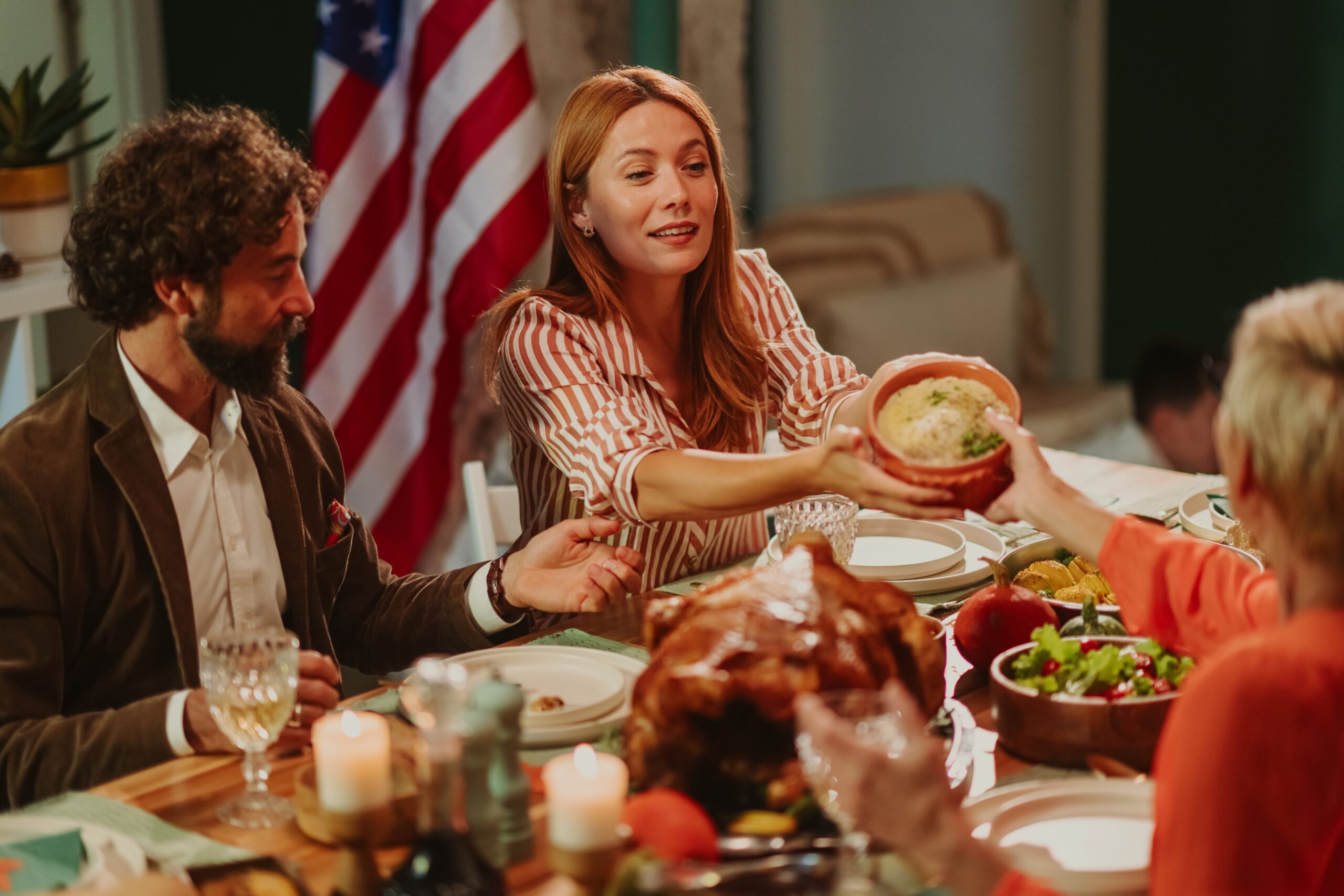
Every office has one colleague whose kindness arrives right on schedule. As the turkey and the tree come out each year, so does the same well-meaning offer of a seat at his family’s holiday table, and the same polite refusal goes back the other way.
One worker has had enough of that ritual and asked Miss Manners for a way out. In a column dated Nov. 14, 2026, the letter writer explained that a co-worker invites the writer, every single year, to join his family for Thanksgiving or Christmas dinner, because he knows the writer is sometimes away from home and relatives for the holiday. The writer declines each time, does not enjoy his company at work or outside it, and wanted to know whether a short, polite answer could end the annual invitation for good.
A Holiday Invitation That Arrives Like Clockwork
The letter, published in the Miss Manners column on ArcaMax, describes the invitation as coming “like clockwork.” The co-worker asks the writer to join his family at Christmas or at Thanksgiving, and the writer always turns it down with thanks, preferring to celebrate in a personal way.
What wears on the writer is not the dinner itself but the conversation around it. According to the letter, having to account for holiday plans, “real or imaginary,” to someone the writer is not close to feels like an imposition on privacy, and then declining and thanking him for the offer has to happen all over again the next year. The writer even wondered whether the routine would last until retirement, or whether polite society simply requires grinning and bearing it.
The same column ran in other papers that carry the syndicated feature, including the Anchorage Daily News, under a headline about a co-worker who keeps extending holiday invitations.
The Script Miss Manners Offered
Miss Manners did not suggest ignoring the man or telling him the truth about his company. Her answer was a single, warm sentence. In it, the writer thanks the co-worker for always being “so kind” to extend an invitation to his family’s holiday get-togethers, then explains that the writer’s “overall situation has changed” and that there are now plans “for the foreseeable future.”
If the co-worker pushes back and questions that claim, she suggested the writer firmly add that the plans are “different each time,” offer an assurance of being “taken care of,” and close with “Happy holidays.” No details and no imaginary relatives.
The approach fits a long tradition of American holiday manners, the kind of graceful phrasing that shows up on lists of old-school etiquette rules that have disappeared. A gracious refusal that closes the door without slamming it is a skill many people never quite learned.
Why Holiday Dinner Invitations Feel So Loaded
Holiday meals carry more weight than an ordinary dinner. Thanksgiving dinner is the centerpiece of the American holiday, usually built around a roast turkey with side dishes and pie, and it is a meal people associate with family. That is part of why the season is full of customs that seem baffling elsewhere, from parade-watching to overloaded plates, as a roundup of odd American traditions that confuse the rest of the world points out.
For people who cannot get home, friends and co-workers often fill the gap. The custom has its own name now: Friendsgiving, a Thanksgiving-style feast shared with friends before or instead of a family dinner. A colleague offering a seat at his own family table is a version of the same impulse, which is why turning it down year after year can feel awkward for both sides.
Holiday tables come with their own unwritten rules, and the friction is familiar: hosts and relatives compare notes on the things families quietly argue about at Thanksgiving dinner, while guests brush up on rules for holiday houseguests and simple etiquette tips for being the perfect houseguest. A guide on pacing the holidays without arriving at January in pieces makes the case for protecting time during the busiest weeks of the year, which is exactly what the letter writer wanted.

The Same Column Tackled Leftovers and Kitchen Takeovers
The co-worker letter shared space with two other holiday food questions. One reader said a longtime friend sometimes leaves the reader out of holiday plans, then issues an invitation a day or two later, expressly to help finish the leftovers. Miss Manners answered with a dry one-liner, asking how good the leftovers are.
Another reader loves hosting Thanksgiving but ends up exhausted because guests who offer to bring a dish show up with raw ingredients and start cooking in the host’s kitchen. One year, friends who insisted on bringing the turkey arrived with an uncooked bird and planned to take over the only oven. Miss Manners told the host to “make it stop,” declare the day off limits for cooking projects, and let guests know that uncooked food will not be served at that meal. If requests are ignored, she wrote, hosting could become a biennial tradition instead of an annual one.
A day earlier, a Nov. 13 Miss Manners column took on a potluck host who kept rejecting the dishes her relatives planned to bring, including a pasta salad she dismissed as picnic food.
Who Is Behind the Advice
Miss Manners is the pen name of Judith Martin, an American columnist and etiquette authority who began writing the advice column in 1978. The column now carries the bylines of Judith Martin, Nicholas Ivor Martin and Jacobina Martin, and it appears in newspapers across the country.
Her answers tend to favor short, kind sentences over long explanations, and this one follows the pattern. The suggested reply gives the co-worker credit for his generosity, gives the writer a permanent reason to decline, and avoids inventing a story that would need to be kept straight every December.
Why the Letter Struck a Chord
Plenty of workers know the feeling. A kind offer, made in good faith, can still become a yearly chore when the answer never changes. The letter writer was not looking to insult anyone, only to stop rehearsing holiday excuses for a colleague.
Miss Manners’ solution keeps the peace at the office and leaves the co-worker’s dignity intact. He gets thanked one more time, the writer gets a polite way out, and both can go back to their own holiday tables, wherever those happen to be this Thanksgiving, which falls on Nov. 26 this year.
This article was produced with AI assistance and edited for accuracy against the sources linked above.
Image: Marjory Collins, photographer for Farm Security Administration – Public domain/Wikimedia Commons