Remember when a trip to the corner store meant digging into your pocket for a few coins, walking straight to the candy aisle, and choosing your favorite chocolate bar?
For many Americans who grew up during the 1960s, 1970s, 1980s, and 1990s, candy bars were more than an occasional sweet treat. They were part of childhood memories, movie nights, school trips, and afternoons spent hanging out with friends.
Back then, candy companies constantly introduced new flavors, unusual shapes, and creative combinations of chocolate, caramel, peanuts, and nougat.
Some became household names. Others quietly disappeared, leaving generations of candy lovers wondering what happened to their favorites.
Today, familiar brands like Snickers, Milky Way, and Hershey’s continue to dominate supermarket shelves. However, several once-popular chocolate bars have been discontinued, and their original versions are no longer available.
From an unusually long caramel bar to a chocolate treat divided into seven different flavors, these seven discontinued candy bars might bring back some surprisingly sweet memories.
Marathon Bar
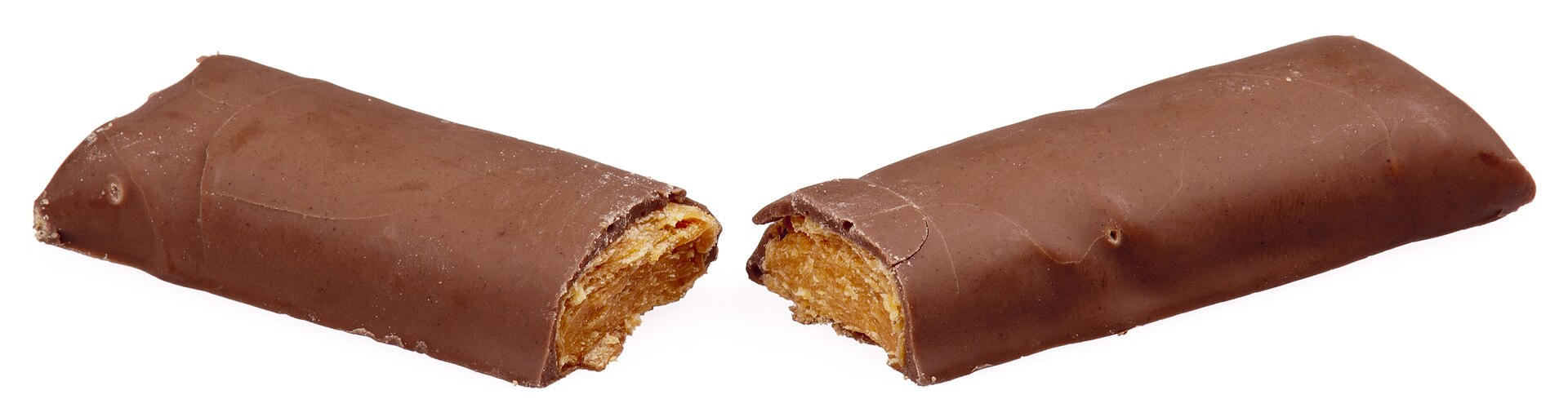
If you grew up during the 1970s, you might remember the Marathon Bar, one of Mars’ most unusual chocolate creations.
Introduced in 1973, this candy bar stood out because of its distinctive appearance and impressive length.
Unlike ordinary rectangular chocolate bars, Marathon featured a braided strip of chewy caramel covered in milk chocolate.
The bar measured approximately eight inches long, making it look enormous compared with many competing candies.
Its unusual design was part of the attraction. Children could stretch the experience by taking small bites, while adults appreciated the chocolate-and-caramel combination.
Mars promoted Marathon as a candy that lasted longer than an ordinary chocolate bar.
Unfortunately, the product didn’t last forever.
The company discontinued Marathon in 1981, ending its relatively short eight-year run.
For longtime fans, its disappearance was especially disappointing because few American candy bars offered the same combination of shape and chewy texture.
Interestingly, Britain’s Cadbury Curly Wurly has a similar braided caramel design, although it is not the original American Marathon.
For anyone who remembers carefully pulling apart those chocolate-covered caramel pieces, Marathon remains a particularly memorable lost treat.
PB Max
Peanut butter and chocolate have always been a popular combination, but PB Max offered something slightly different.
Mars introduced PB Max around 1989, combining a thick layer of peanut butter with crunchy cookie pieces, all covered in milk chocolate.
Unlike candy bars built around soft nougat or caramel, PB Max emphasized its generous peanut butter filling and crunchy texture.
For peanut butter lovers, that combination was a winner.
The candy also arrived during a period when manufacturers were experimenting with bigger, richer, and more filling chocolate snacks.
Unfortunately, PB Max disappeared from store shelves in 1994.
The exact business reasons behind its cancellation remain a subject of discussion, although its relatively short production period suggests it never became a permanent part of Mars’ candy lineup.
Over the years, nostalgic candy fans have continued mentioning PB Max in discussions about discontinued snacks they would like to see return.
Modern peanut butter candy bars offer plenty of alternatives, but the combination of thick peanut butter, crunchy cookies, and chocolate made PB Max distinctive.
For people who enjoyed it during the early 1990s, finding an exact replacement remains difficult.
Nestlé Choco’Lite
Long before aerated chocolate became familiar to many American shoppers, Nestlé introduced a candy bar that seemed almost magical.
Choco’Lite arrived in 1972 and offered a lighter, airier chocolate experience.
Instead of being completely solid, the bar contained tiny air pockets that gave it an unusual texture.
It also featured crispy pieces that added a little crunch.
For children accustomed to dense chocolate bars, Choco’Lite felt different. Its airy structure made each bite seem lighter, while the chocolate still delivered the familiar sweetness customers expected.
The product stood out partly because chocolate manufacturers were still exploring new textures and eating experiences.
Choco’Lite remained available throughout much of the 1970s before disappearing in the early 1980s, around 1982.
Although aerated chocolate products still exist, particularly in international markets, the original Nestlé Choco’Lite is no longer manufactured.
That makes it one of those candies people remember not just for its flavor, but for how unusual it felt to eat.
Seven Up Bar
Imagine buying one candy bar and discovering seven completely different fillings inside.
That was the appeal of the Seven Up Bar, a nostalgic treat produced by the Pearson Candy Company.
Introduced during the 1930s, the candy featured seven separate chocolate-covered sections, each containing a different filling.
Depending on the version and production period, those fillings included flavors such as caramel, coconut, fudge, nougat, and buttercream.
For children, eating a Seven Up Bar was almost like opening a miniature box of assorted chocolates.
Instead of choosing between several different candies, shoppers could sample multiple flavors in one purchase.
The concept was unusual enough to make Seven Up memorable decades after its disappearance.
Unfortunately, the candy was discontinued around 1979.
Its name was also confusing because it resembled the popular 7UP soft drink, although the products were unrelated.
Today, the original Seven Up Bar is no longer available in ordinary candy aisles.
For shoppers who remember sharing its individual sections with friends or siblings, it represents a time when candy makers were willing to experiment with creative designs.
Milkshake Bar
Some candy bars become popular because they offer something entirely new. Others succeed by recreating a familiar flavor in a different form.
The Milkshake Bar belonged to the second category.
Introduced by the Hollywood Candy Company in 1927, this chocolate bar was designed to capture the appeal of a malted milkshake.
It featured malted milk nougat, a layer of caramel, and a chocolate coating.
The combination created a distinctive flavor that reminded some customers of the creamy, malty drinks served at soda fountains.
For generations of Americans, Milkshake became a familiar candy counter favorite.
Its popularity lasted for decades, making it one of the longer-lived products on this list.
However, changes in manufacturing and candy company ownership eventually affected its future.
Hollywood Brands was acquired by Leaf in 1988, and Leaf later became part of Hershey in 1996.
The original Milkshake Bar disappeared from production during the 1990s.
Despite its long history, it has never regained a permanent place on mainstream American candy shelves.
For people who grew up enjoying soda fountain treats, Milkshake offered a particularly sweet reminder of that era.
Summit Bar
During the late 1970s, Mars introduced another candy bar designed to attract shoppers who enjoyed chocolate-covered wafers and crunchy textures.
It was called Summit.
Launched around 1977, Summit combined layers of crispy wafer with peanuts and a chocolate coating.
The combination made it similar to other popular chocolate-wafer candies, but the added peanut crunch helped set it apart.
For customers who preferred crisp candy bars over chewy caramel varieties, Summit offered an appealing alternative.
Mars also experimented with the product’s formula and packaging during its relatively short lifespan.
However, despite these efforts, Summit struggled to become a lasting competitor.
The candy disappeared during the mid-1980s.
Today, shoppers can still find chocolate-covered wafer bars and peanut-filled candy products, but Summit no longer manufactures the original.
Its disappearance reminds us that even major candy companies cannot guarantee success simply by combining familiar ingredients.
Sometimes a product has enthusiastic fans but doesn’t attract enough customers to remain profitable indefinitely.
Nestlé Alpine White
For shoppers who preferred white chocolate over traditional milk chocolate, Nestlé Alpine White was a memorable favorite.
Introduced in 1984, the candy combined creamy white confectionery with almonds.
Its flavor stood out during a period when most mainstream candy bars focused on milk chocolate, caramel, peanuts, and nougat.
Alpine White also became recognizable through advertising that emphasized a smooth, luxurious chocolate experience.
The combination of sweet white confectionery and crunchy almonds appealed to customers looking for something different.
However, the product never achieved the long-term success of Nestlé’s more established candy brands.
Nestlé discontinued Alpine White around 1993, leaving disappointed fans searching for similar treats.
Although white chocolate products with nuts remain available today, Nestlé has not brought back the original Alpine White as a regular product.
For shoppers who remember its distinctive wrapper and creamy texture, it remains one of the most nostalgic candy bars of the 1980s.
Why Do Popular Candy Bars Disappear?
Looking back at these seven candies raises an interesting question: Why would companies discontinue products that people seemed to love?
The answer usually involves business decisions rather than flavor alone.
Candy manufacturers must consider production costs, ingredient prices, consumer demand, competition, and available shelf space.
A candy bar might develop a passionate following but not sell enough units nationwide to justify continued production.
Manufacturing changes and corporate acquisitions can also influence which products survive.
Sometimes companies introduce new products that they believe have stronger commercial potential.
The good news for nostalgic candy lovers is that discontinued treats occasionally return through specialty manufacturers or limited-edition promotions.
However, a revived product may not have the same ingredients, packaging, or texture as the original.
For now, these seven candy bars remain reminders of a different era in American grocery shopping.
And while today’s candy aisles offer countless choices, anyone who remembers Marathon, PB Max, or Alpine White knows that some childhood favorites are surprisingly difficult to replace.
Sometimes, the sweetest memories come from treats you can no longer buy.