Doomsday prepping is no longer something associated only with people building underground bunkers or preparing for the end of the world. Across America, more ordinary households are buying extra food, storing drinking water, purchasing generators, and putting together emergency kits. Recent technology outages, concerns about cyberattacks and disruptions to everyday services have made people think twice about how prepared they would be if essential systems suddenly stopped working.
The growing interest has even caught the attention of Vice President JD Vance, who recently addressed questions about whether Americans should be preparing for a major crisis. His comments come as emergency preparation moves from a niche hobby into mainstream conversations.
Recent Outages Have Made People Think About Emergencies
Several technology and infrastructure disruptions have contributed to growing concerns about how dependent Americans are on systems they cannot control. Recent incidents involving online banking services, Microsoft’s systems, and the Federal Aviation Administration’s air traffic control system have reminded people how quickly everyday routines can be interrupted.
For many households, the concern is fairly simple: What happens if the electricity goes out, payment systems stop working, or grocery stores cannot restock their shelves?
According to CBS News, retailers have reported increased demand for generators, canned food, bottled water, and other emergency supplies. Some shoppers are choosing to keep extra essentials at home rather than wait until an emergency forces them to act.
JD Vance Says Americans Should Be Prepared, Not Panicked
The growing interest in doomsday preparation recently prompted questions for Vice President JD Vance during an interview with Fox News host Laura Ingraham.
Vance revealed that several of his friends had contacted him with concerns about the situation, asking whether they should build bunkers or stock up on food and water. His response was that Americans did not need to panic or start building underground shelters.
However, he made an important point about being prepared for unexpected situations.
“We do not see some crisis coming down. But you have to be prepared for everything. What we want to do is make sure we prevent the worst outcomes, but we’re also prepared for the worst outcomes,” Vance said.
He also explained that military readiness measures were part of ordinary government preparation rather than evidence that an immediate catastrophe was approaching. His remarks struck a balance between reassuring Americans and acknowledging the importance of emergency planning.
Emergency Supplies Are Becoming Popular Shopping Items
For some Americans, preparing for an emergency starts with a trip to Costco, Walmart, or another retailer. Instead of purchasing expensive survival equipment, households are focusing on practical items that could become difficult to find during an extended disruption.
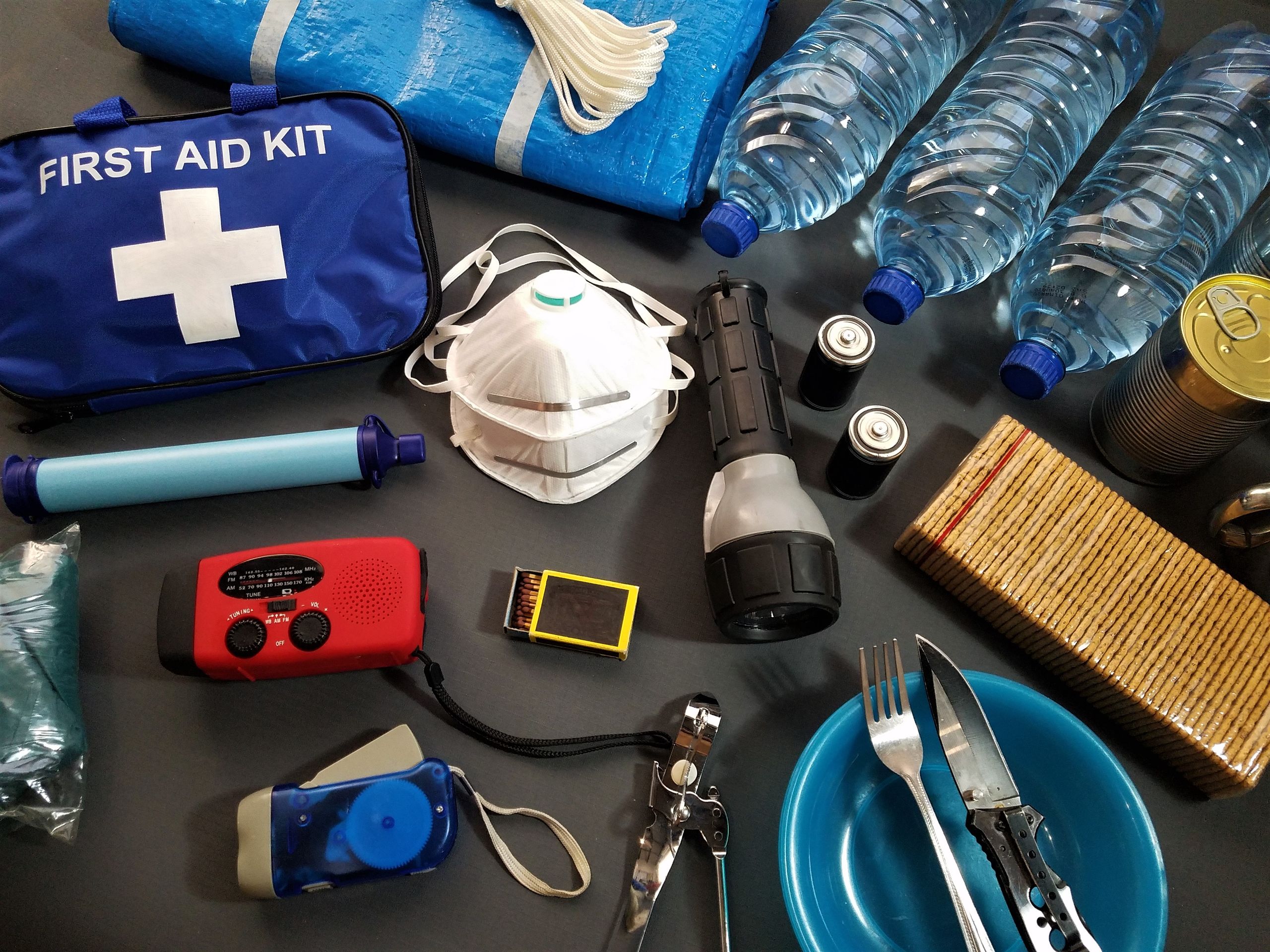
Canned foods, bottled water, rice, batteries, flashlights, first aid supplies, and portable power stations are among the items attracting attention. Some shoppers are also considering water filters and battery-powered radios in case internet and mobile services become unavailable.
The trend is showing up in retail figures, too. CBS News reported that sales of water germicidal tablets increased 154% compared with the same period the previous year, while disinfecting wipes rose 72% in the four weeks ending November 1. These figures suggest that more consumers are thinking about basic household preparedness.
Younger Americans Are Also Getting Interested in Prepping
Emergency preparation is not attracting only older generations or people who have spent years studying survival skills. Younger Americans are increasingly turning to social media to learn how to prepare for unexpected disruptions.
Prepping creators are sharing videos about building emergency kits, preserving food, storing water, and managing without electricity. Some newcomers are interested in learning simple skills rather than investing in elaborate survival shelters.
NPR recently reported that online interest in preparedness has grown following a series of technology failures and flight disruptions. Creators are receiving questions from younger viewers who want to know what they should do if the lights go out or essential services become unavailable.
Most People Want to Be Ready for Short-Term Disruptions
Not everyone getting involved in doomsday preparation expects society to collapse. For many households, the goal is simply to avoid being caught completely unprepared if a storm, power outage, cyberattack, or supply chain disruption interrupts normal life.
A 2026 preparedness survey by United Way Worldwide and Verizon found that 60% of American adults were concerned about disasters affecting their households. Yet only 15% described themselves as very prepared for a natural disaster. The survey also found that 65% had not assembled emergency supplies.
Interestingly, cost was the biggest obstacle to preparation, with 45% identifying affordability as a challenge. This suggests that although many Americans recognize the importance of having emergency supplies, not everyone has the money to put together a fully stocked emergency kit.
Doomsday Prepping Does Not Have to Mean Building a Bunker
Despite the dramatic images often associated with survivalists, preparing for emergencies does not necessarily require an underground shelter, expensive equipment, or months of food supplies.
A household can start with drinking water, nonperishable food, flashlights, spare batteries, basic first aid supplies, and a way to receive emergency updates. Keeping important documents accessible and having a family communication plan can also make unexpected disruptions easier to manage.
The growing interest in prepping reflects a practical concern: people want some control over what happens when everyday systems fail. And while there is no confirmed nationwide catastrophe approaching, having a few essentials ready can offer peace of mind without turning the family home into a survival bunker.