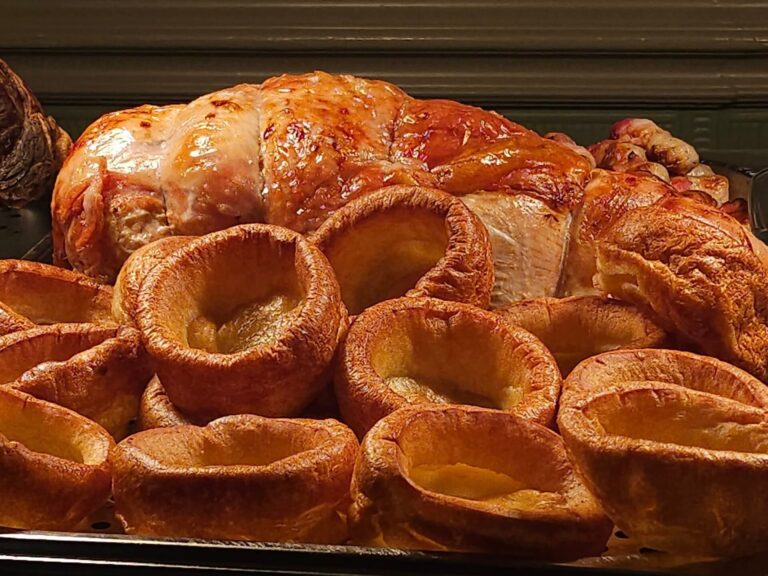
Buying the turkey is the first real decision of Thanksgiving week, and it comes with a math problem that trips up even experienced hosts. Too small, and the second helpings run out. Too big, and a refrigerator full of leftovers waits for a plan. With Thanksgiving on Nov. 26, 2026, less than a week away, the numbers are worth settling now.
The rule most often cited is 1 pound of uncooked bone-in turkey per guest. For a table with seconds and leftovers in mind, the National Turkey Federation says 1.25 to 1.5 pounds per person is a safe bet. For boneless breast, the usual figure is 8 ounces per guest. Here is where each number comes from and how to apply it.

The 1-pound rule for a bone-in bird
The National Turkey Federation, the industry group, answered the question in a post on its NTF Gobbler site dated Nov. 5, 2019. It recommends allowing at least 1 pound of uncooked turkey per person, and says that general rule of thumb works well for a mid-sized group of 8 to 12 people.
A Fox 9 Minneapolis-St. Paul explainer from 2023 reports the same starting point, attributing the 1-pound figure to Butterball, which runs a Turkey Talk-Line for cooks. Fox 9 adds that the amount can vary with dinner plans and guest preferences, and that the Food Network suggests a more generous 1.5 to 2 pounds per guest, a number that accounts for the weight of bones and other parts of the bird.
1.25 to 1.5 pounds for seconds and leftovers
For the guest who always reaches for seconds, or for a host who counts on leftovers, the Turkey Federation says 1.25 to 1.5 pounds per person is the number to use. Its post notes that buying a larger bird than the meal needs can turn the extra into quick meals later, and suggests freezing extra cooked turkey.
A simple example shows how the ranges stack up. For 10 guests, the basic rule gives 10 pounds. Planning for seconds and leftovers gives 12.5 to 15 pounds. That arithmetic is the writer’s own, not the federation’s, but it follows directly from the stated figures.
The federation also warns about the other end of the scale. For a group that needs more than 15 pounds of turkey, it suggests considering two smaller birds to help with even cooking, which keeps one oversized turkey from taking over the oven. A Frenzhub comparison of air fryers and toaster ovens to free up the oven this Thanksgiving is handy for hosts who go that route.
8 ounces for boneless breast
Not every table needs a whole bird. For a small crowd, the Turkey Federation suggests a bone-in or boneless breast, either to sit beside a whole turkey or to stand alone. The Fox 9 explainer says that for boneless breast meat, cooks should plan for about half a pound, or 8 ounces, per guest, according to the Food Network and others.
That makes the math short: 6 guests need about 3 pounds of boneless breast. Because there is no bone to weigh, the portion per person is lower than for a whole bird.
A turkey talk with a history
Turkey is the centerpiece of the American holiday table for reasons both practical and cultural. Wikipedia’s page on turkey as food says turkeys are traditionally eaten as the main course of Thanksgiving dinner in the United States and Canada, and its entry on Thanksgiving in the United States lists turkey first among the foods associated with the holiday. For cooks who like a little history with the shopping list, a look at how Butterball’s Turkey Talk-Line opened in 1981 with 6 home economists who answered 11,000 questions in its first season shows how long hosts have been asking this exact question.
The holiday itself is full of habits that guests rarely question. The Frenzhub list of odd American traditions that confuse the rest of the world and its piece on strange Thanksgiving traditions include plenty of food customs, and the oversized bird is one of the funnier ones. A look at the first TV dinner, which began with 260 tons of leftover Thanksgiving turkey, shows that too much turkey is an old problem.
Thaw timing matters as much as size
Once the size is chosen, the calendar takes over. Fox 9 relays U.S. Department of Agriculture guidance that a frozen turkey is safe indefinitely, and that refrigerator thawing should allow about 24 hours for each 4 to 5 pounds, in a refrigerator at 40°F or below. The listed refrigerator times are 1 to 3 days for 4 to 12 pounds, 3 to 4 days for 12 to 16 pounds, 4 to 5 days for 16 to 20 pounds and 5 to 6 days for 20 to 24 pounds.
With Thanksgiving on Nov. 26, a 20-to-24-pound bird needs to go into the refrigerator by Nov. 20 or Nov. 21 to be ready. Fox 9 also lists a faster cold-water method at about 30 minutes per pound, with the water changed every 30 minutes, and says a thawed turkey can wait in the refrigerator for 1 or 2 days before cooking.
Why portion planning saves money
Buying the right amount is also a way to avoid waste. The Environmental Protection Agency says on its page on wasted food at home that one-third of all food in the United States goes uneaten, and that the average family of four spends almost $3,000 a year on food that does not get eaten. The agency points to the Save the Food planning tools, which include a Guest-imator for working out how much to prepare.
The advice is the same as the poultry guidance: decide how many people are coming, decide whether leftovers are wanted, and buy to that number. A Wikipedia page on leftovers defines them as foods remaining unconsumed at the end of a meal that may be saved for later, which is a useful way to think about the extra half pound per guest.
A quick buying guide
- Basic table: 1 pound of uncooked bone-in turkey per guest.
- Seconds or leftovers: 1.25 to 1.5 pounds per guest.
- More than 15 pounds needed: consider two smaller birds.
- Boneless breast: 8 ounces per guest.
The numbers come from different sources and are guidelines, not rules. A table with big eaters, teenagers or a plan to send leftovers home can justify the higher end, and a table with several other main dishes can justify less.
This article was produced with AI assistance and edited for accuracy against the sources linked above.
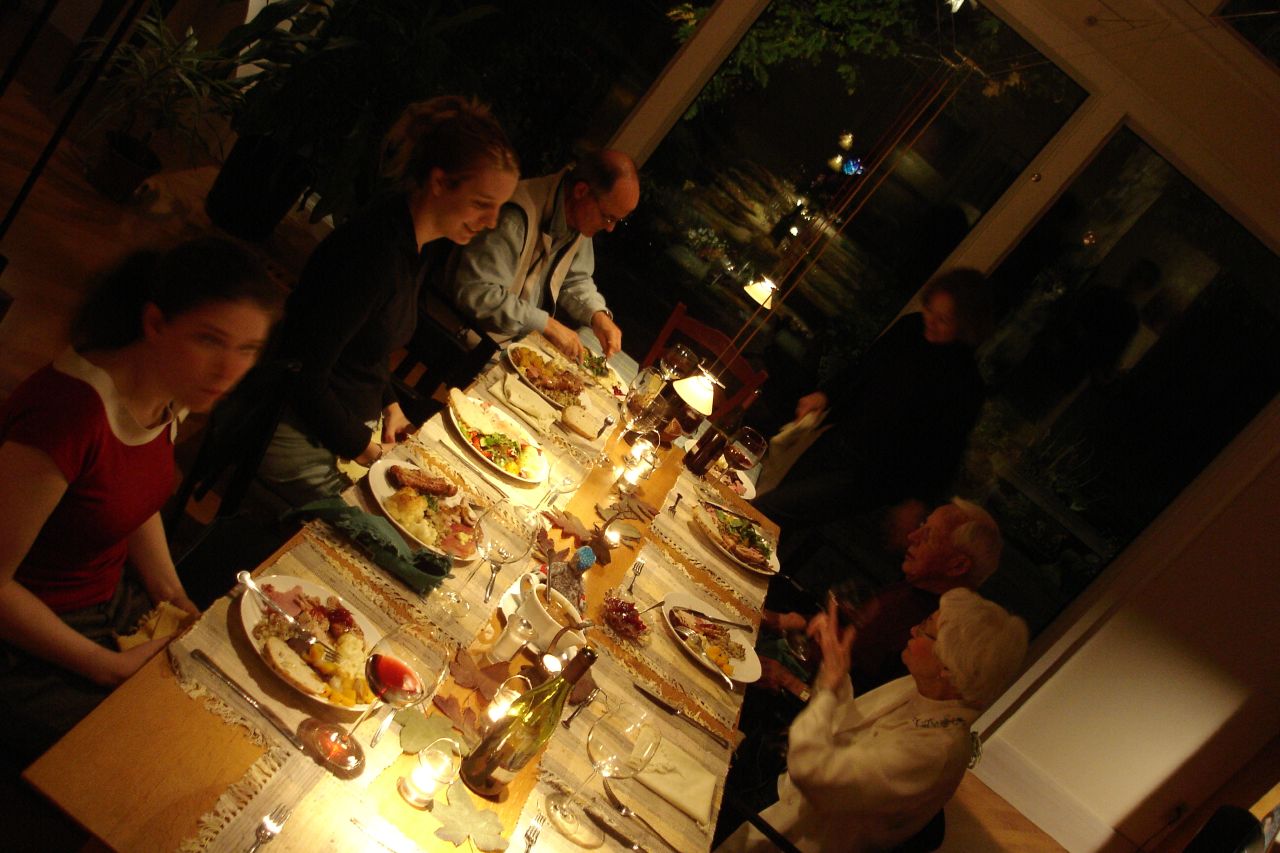
Image: Kimberly Vardeman – CC BY 2.0/Wikimedia Commons