Choosing a name for a baby should be one of the happiest parts of becoming a parent. Some families spend months searching for the perfect name, looking through family trees, religious books, celebrity lists, and even fictional characters for inspiration.
But what happens when parents fall in love with a name the government won’t approve?
Believe it or not, some countries have naming rules that can prevent parents from giving their children certain names. In some places, authorities can reject names they consider offensive, confusing, embarrassing, or unsuitable for a child. Other countries pay close attention to spelling, pronunciation, cultural traditions, and even how many names a baby can have.
However, no single worldwide list of forbidden baby names exists. A name rejected in one country might be perfectly acceptable somewhere else. Some famous cases have also been misunderstood, with names described as banned even though parents eventually won the right to use them.
Here are some of the most unusual baby-naming disputes and restrictions worldwide.
Nutella Was Rejected as a Baby Name in France
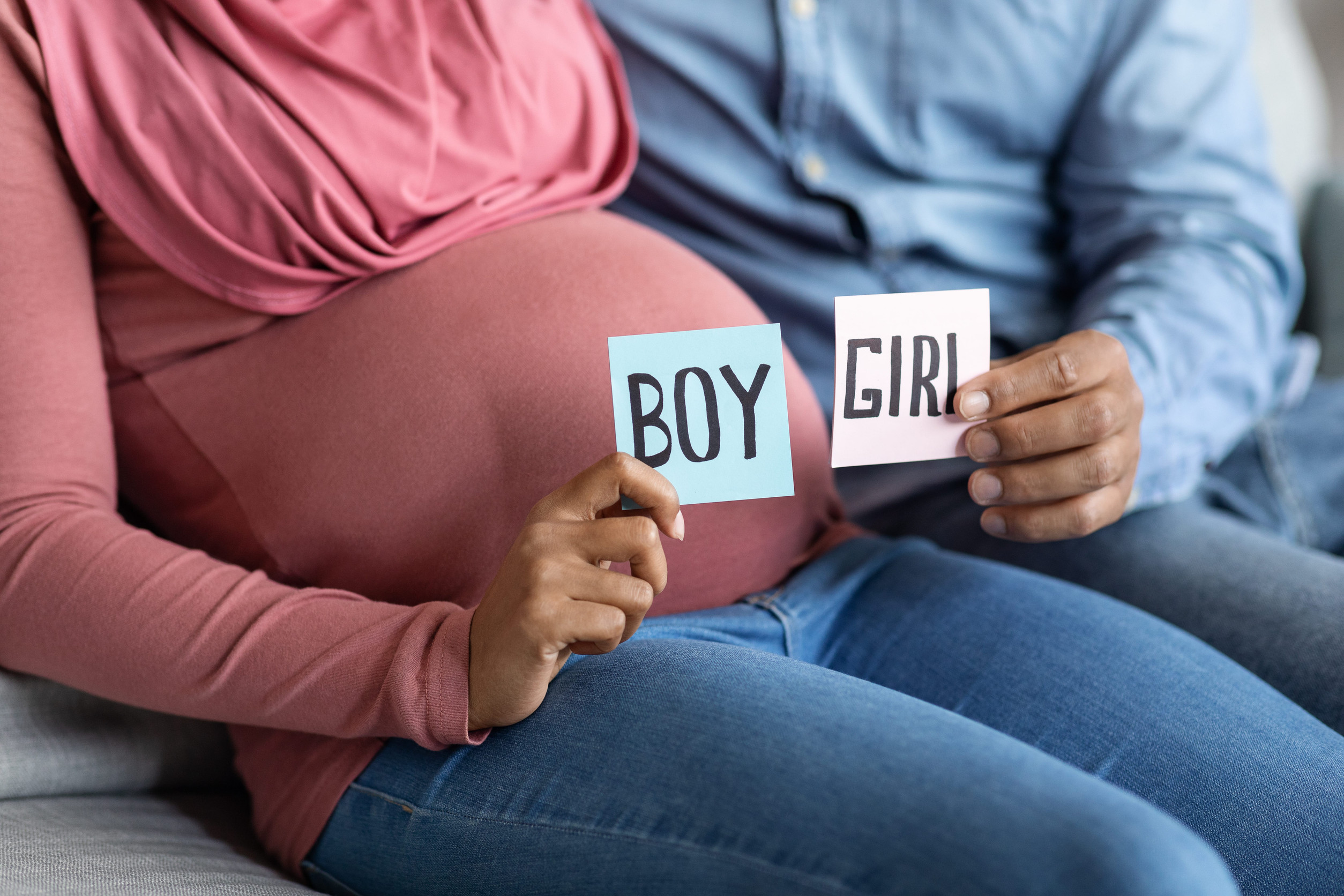
Imagine naming your daughter after a popular chocolate spread. It might sound sweet to some parents, but French authorities were not convinced.
In 2014, a French couple attempted to name their daughter Nutella, after the famous hazelnut chocolate spread. A judge in Valenciennes ruled against the choice, concerned the child could face teasing because of the association with the product.
The judge reportedly substituted the name Ella instead.
The decision attracted international attention because Nutella is a familiar household brand, making it difficult to imagine it being considered unsuitable as a person’s name.
France does not maintain a fixed list of approved baby names. Parents generally have considerable freedom, including the ability to invent names. However, authorities can intervene when a chosen name appears to go against a child’s interests.
Cyanide Was Considered Too Harmful for a Child
Some parents look for unusual names because they want their children to stand out. However, one British naming dispute showed how far authorities may go when they believe a name could harm a child.
In 2016, the Court of Appeal in England and Wales considered a case involving twins whose mother wanted to name them Cyanide and Preacher.
The local authority challenged the proposed names during child-protection proceedings.
The court upheld the decision preventing the use of Cyanide, reasoning that the name could expose the child to significant emotional harm. The court’s concern was connected to the meaning of cyanide as a deadly poison.
Interestingly, Preacher was not independently found harmful on exactly the same basis. The two names were considered within the wider circumstances involving the twins.
This was not an ordinary registrar rejecting a name under a nationwide blacklist. It was an exceptional child-welfare case.
Still, it demonstrates why parents should think beyond whether a name sounds unusual or memorable.
King and Queen Have Faced Rejection in New Zealand
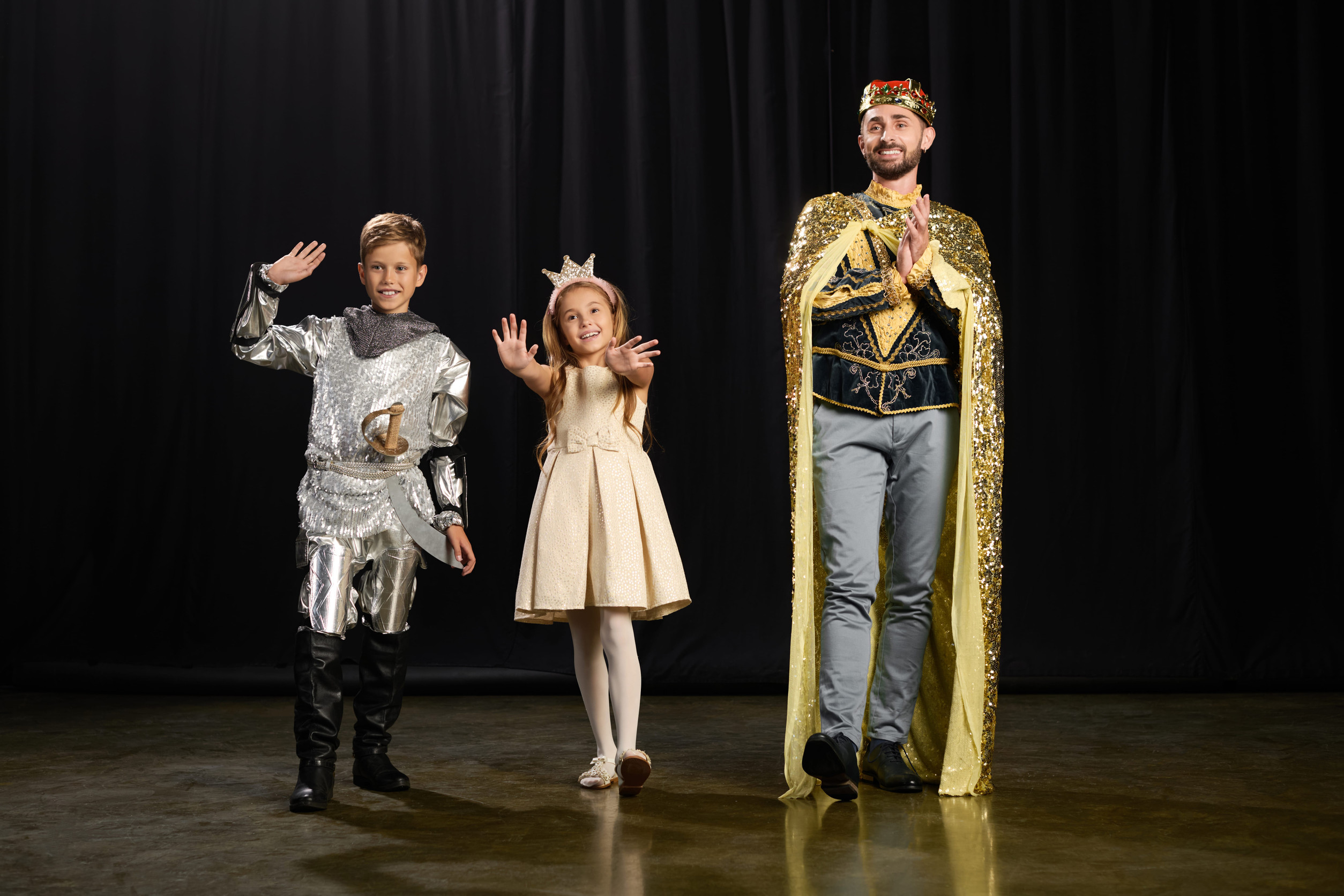
Would you name your child King, Queen, Prince, or Princess? These names may sound impressive, but New Zealand has rules that can make such choices difficult.
The country’s Department of Internal Affairs reviews proposed baby names and can reject those that resemble official titles or ranks.
Its rules are designed to prevent names from creating confusion about a person’s status or authority.
Official records show that King and Queen were among the names rejected in 2022. In 2023, Prince also appeared in the country’s declined-name records.
However, these figures reflect rejected applications, not proof that anyone with those names is prohibited from using them in every circumstance.
New Zealand does not operate a simple closed list of acceptable first names. Parents can propose unusual names, but individual applications may be reviewed.
It is a reminder that giving a child a royal-sounding name does not automatically make it acceptable to registration authorities.
Metallica Was Initially Rejected in Sweden but Eventually Accepted
Some parents are inspired by music, and one Swedish family took that inspiration in an unusual direction.
In 2007, Swedish authorities initially objected to the proposed name Metallica because of its association with the famous heavy metal band.
The authorities considered the name unsuitable, but the parents challenged the decision.
A court eventually supported the family’s position, and the authorities withdrew their objection.
That means Metallica is actually an example of a name that was initially rejected but later accepted.
The story is particularly interesting because it shows that naming authorities do not always have the final word when parents challenge a decision.
It also highlights an important distinction: a name appearing in a list of rejected applications does not necessarily mean it remains prohibited.
Lucifer Was Rejected in Iceland but Accepted in England
Lucifer is a name that can attract strong reactions because of its association with the Devil.
In Iceland, authorities rejected applications to use both Lucifer and Lusifer in 2019 and 2020.
The Personal Names Committee raised concerns about the names’ associations and whether they could embarrass the children. Spelling also mattered because Iceland has rules governing how names fit its language.
But the story ended differently in England.
In 2020, parents Dan and Mandy Sheldon registered their son as Lucifer in Derbyshire, despite a registrar initially advising against the choice.
The registration eventually proceeded after the authorities sought further guidance.
So, while Iceland rejected the name, England allowed it in this particular case.
It is a perfect example of why parents shouldn’t assume a name prohibited in one country is automatically forbidden everywhere.
France Rejected the Name Titeuf Because of a Comic Character
Parents sometimes borrow names from movies, television shows, and comic books. However, a French family discovered that a fictional character’s name might not always suit a child.
Titeuf is a well-known French comic-book character.
In a case that eventually reached France’s highest court, authorities challenged the use of the name because of concerns about the child’s welfare and possible ridicule.
The parents appealed, but their challenge was unsuccessful.
On February 15, 2012, the Cour de cassation upheld the removal of Titeuf from the child’s registered names. The remaining names were Grégory and Léo.
The case demonstrates that naming authorities may consider how a child could experience a name in everyday life, rather than simply whether the name exists in popular culture.
New Zealand Rejected the Name Messiah Several Times
Messiah is a religiously significant name, but it has also appeared in New Zealand’s official records of declined baby-name applications.
In 2022, the country recorded four refusals involving the name Messiah.
New Zealand’s naming rules consider whether a proposed name resembles a title or rank, alongside other suitability requirements.
However, this does not mean Messiah is banned worldwide.
A separate controversy in Tennessee, United States, involved a magistrate who ordered parents to change their son’s first name from Messiah to Martin in 2013.
The decision was later overturned by a higher judge, who found no legal basis for changing the agreed name and raised constitutional concerns.
The parents ultimately retained Messiah.
These two examples show how differently authorities can approach the same name.
A Nine-Year-Old Girl’s Name Was Changed After a Court Intervention in New Zealand
One of the strangest naming disputes involved a girl called Talula Does The Hula From Hawaii.
The case became public in 2008 after a New Zealand Family Court judge intervened in arrangements involving the nine-year-old girl.
The child was reportedly embarrassed by her unusually long name and preferred to be known as K.
The court made her a ward of court so arrangements could be made to change her name.
This was not a case involving a newborn whose parents had simply been refused permission to register a name. It concerned an existing child and judicial intervention during a custody dispute.
The girl’s replacement name was not publicly disclosed.
The case nevertheless raised an important question about parental freedom: Should parents have unlimited control over what they call their children, even when the child eventually struggles with the name?
Japan Now Pays Attention to How Names Are Pronounced
Japan has taken a different approach to unusual baby names.
Rather than banning a long list of complete names, the country regulates the relationship between written characters and their official readings.
A reform that took effect on May 26, 2025, introduced rules requiring official name readings to be generally recognizable in relation to the characters used.
This means parents cannot simply choose an unrelated or misleading pronunciation without potentially facing objections.
Authorities can scrutinize readings they consider unrelated, offensive, discriminatory, or otherwise inappropriate.
The rules do not mean that every unusual Japanese name is prohibited. Instead, they aim to ensure the written name and its pronunciation are reasonably connected.
For parents who enjoy creative spellings and unconventional pronunciations, this is something worth understanding before registering a child’s name.
The Number 1069 Was Rejected in Two American Court Cases
America has no federal list of prohibited baby names. Most naming and birth-registration rules are handled at the state level.
However, one unusual legal dispute involved a man who wanted to change his name to 1069.
Michael Herbert Dengler attempted to adopt the numerical name in North Dakota in 1976 and Minnesota in 1979.
Both state Supreme Courts upheld the rejection of his applications.
The Minnesota court, however, made an interesting distinction. It left open the possibility of applying for a name written out in words, such as Ten Sixty-Nine.
Importantly, this was an adult name-change dispute, not a case involving parents trying to register a newborn.
It also does not establish that every American state prohibits numbers in names.
Why Do Countries Restrict Baby Names?
Although the rules differ, governments generally have several reasons for reviewing unusual names.
Some want to protect children from potential embarrassment, bullying, or emotional harm. Others focus on cultural traditions, language, spelling, and the practical requirements of official identification documents.
For example, New Jersey allows birth registrars to reject names containing obscenities, numerals, symbols, or illegible combinations. Meanwhile, Iceland considers whether names fit its linguistic structure.
France focuses heavily on the child’s interests, while New Zealand has specific restrictions concerning titles and ranks.
Ultimately, parents have considerable freedom in many parts of the world, but that freedom is not always unlimited.
A name that sounds funny, fashionable, or creative today will become part of a person’s identity for decades. Before choosing something unusual, parents may want to consider how it will look on official documents, sound in everyday conversations, and feel when their child grows older.
After all, a baby name should be special, but it should also give the child something they can comfortably carry into adulthood.