Miami has plenty going for it. Think beautiful beaches, colorful Art Deco buildings, lively nightlife, Cuban food, rooftop restaurants, and sunshine that seems to show up almost every day. It is the kind of destination that can make an ordinary vacation feel like a movie.
But there is one reputation the famous Florida city might not be so excited about. Miami has repeatedly landed at the top of rankings naming it America’s rudest city.
Yes, the same place people travel thousands of miles to enjoy its beaches and nightlife has also become known for less-than-friendly behavior. And while these rankings do not mean every Miami resident is rude, they have raised questions about what visitors and locals experience when sharing the city.
So, should travelers cross Miami off their vacation lists? Not necessarily. However, understanding where the city’s reputation comes from might help you decide whether it is the right destination for your next beach getaway.
Why Miami Keeps Being Called America’s Rudest City
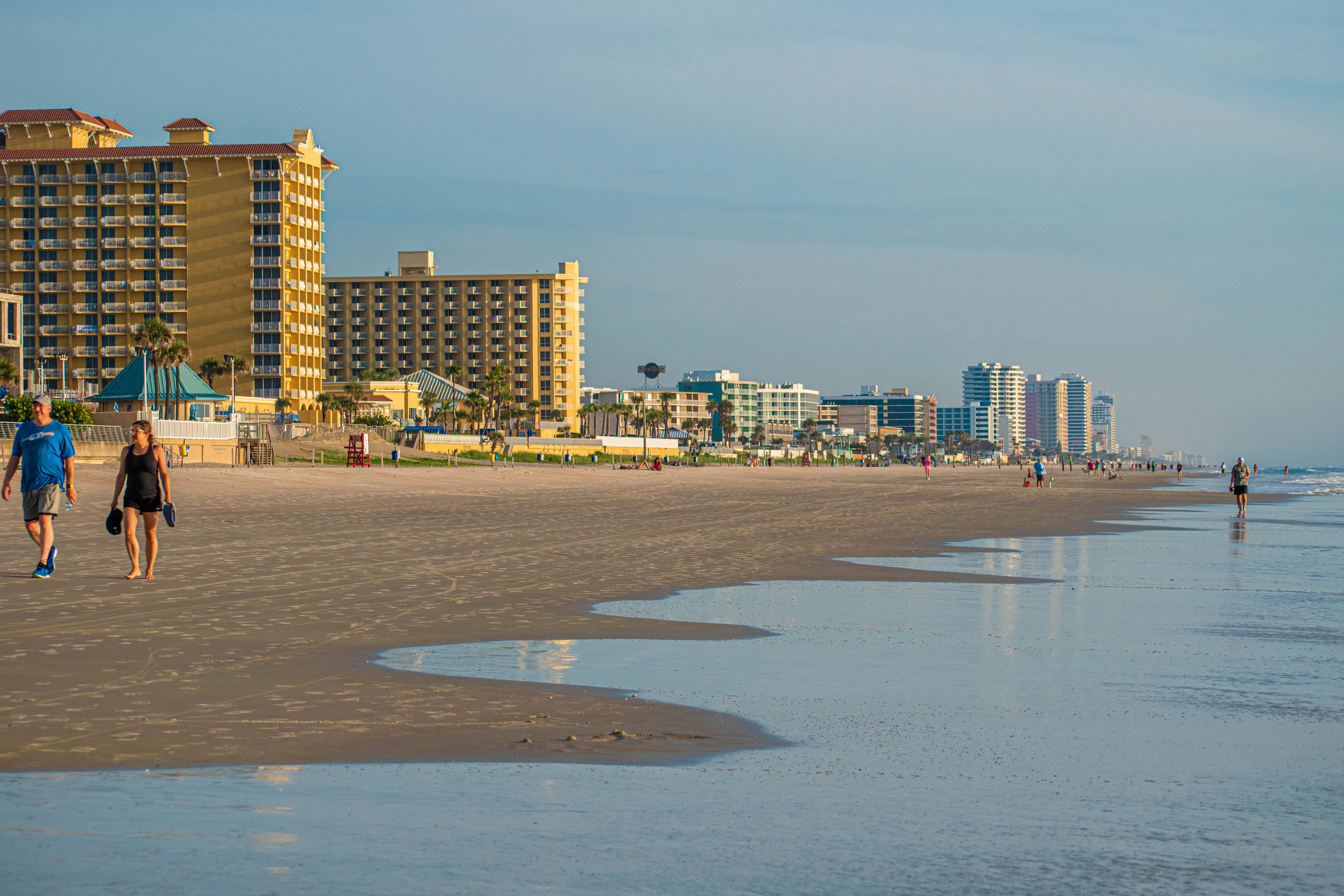
Miami’s reputation is not based on one random online complaint. Several surveys and rankings have placed the city near the top of America’s rudeness lists.
One of the most widely discussed findings came from language-learning platform Preply in 2024. Its study examined residents’ experiences with rude behavior across 46 American cities. Miami scored 9.88 out of 10, placing it first.
The survey considered everyday behaviors such as how people treated strangers and restaurant servers, their awareness of others in public spaces, and whether they were inconsiderate with their phones.
Miami reportedly stood out for three particular behaviors: a lack of awareness in public, loudness in shared spaces, and rudeness toward service workers.
The city appeared again in a March 2026 ranking by SolitaireStreak. This time, Miami received a composite rudeness score of 99.29 out of 100, placing it ahead of other cities, including Las Vegas and Philadelphia.
A separate November 2026 ranking also placed Miami first among 70 cities, using Yelp reviews, Reddit discussions, and online search activity.
Of course, there is an important distinction here. These are rankings based on surveys, perceptions, and online activity. They are not scientific proof that everyone living in Miami is unfriendly. Still, seeing the city appear repeatedly makes it hard to ignore.
What Makes Some People Find Miami Unfriendly?

Ask different people about Miami, and you will probably hear very different stories. Some visitors describe it as exciting and welcoming, while others complain about expensive experiences, traffic, and disappointing customer service.
One recurring concern is how people behave in shared public spaces. Preply’s survey highlighted loud conversations, limited awareness of people nearby, and inconsiderate phone use.
Think about standing in a crowded restaurant while someone speaks loudly on their phone or blocks a walkway without noticing the people trying to get past. These little experiences can make an otherwise enjoyable afternoon frustrating.
Driving is another issue that frequently comes up in discussions about American city behavior. Miami is a busy urban destination, and visitors often mention traffic, aggressive driving, and the stress of getting around.
Online discussions among Miami residents and visitors also reveal mixed experiences. Some complain about expensive tourist-area restaurants and service that does not meet expectations. Others defend the city, pointing out that visiting during major events or spending most of your time in busy tourist districts can create a very different impression.
It is also worth remembering that the surveys do not establish why these behaviors happen. Heat, tourism pressure, and busy lifestyles are sometimes suggested as explanations, but no verified evidence proves they cause Miami’s ranking.
Miami Still Has Plenty of Reasons to Visit
Here is where things get interesting. Despite its reputation, Miami remains one of Florida’s most recognizable tourist destinations.
The city and surrounding Greater Miami area offer far more than beaches and nightclubs. Visitors can explore historic architecture, museums, art galleries, shopping districts, cultural neighborhoods, and restaurants serving food from around the world.
South Beach is an obvious starting point. Its beautiful shoreline, pastel-colored Art Deco buildings, restaurants, and entertainment options make it one of Florida’s best-known visitor destinations.
Wynwood offers something completely different, with colorful street murals, independent shops, galleries, and restaurants. Little Havana is another popular stop, particularly for travelers interested in Cuban culture, music, and food.
For a quieter afternoon, South Pointe Park offers waterfront views and a relaxing place to walk. Lincoln Road is another popular destination for shopping, outdoor dining, and people-watching.
The Greater Miami and Miami Beach destination welcomed approximately 28.3 million visitors in 2025, generating an estimated $22.7 billion in visitor spending. Tourism also supported more than 216,000 jobs throughout Miami-Dade County.
Those figures show that the destination continues to attract enormous interest despite the negative headlines.
The Vacation Costs Might Surprise You Too
If friendliness isn’t your biggest concern, your vacation budget might deserve attention.
Miami can be expensive, especially if you plan to stay near the beach, dine at popular restaurants, and visit during major events.
Hotel prices provide one example. According to the Greater Miami Convention and Visitors Bureau’s November 2026 industry report, Miami Beach hotels averaged $271.66 per night during the 28-day period ending November 7.
Downtown Miami and Brickell averaged $248.31 per night during the same period.
These are market averages, not guaranteed prices for every hotel. However, they demonstrate why travelers should compare accommodation options before booking.
Parking can also become surprisingly expensive during busy periods. In March 2026, Miami Beach introduced special parking arrangements for designated spring-break periods, including rates of $40 to $100 at certain garages on specified high-impact days.
That is certainly something to consider if you are planning to rent a car.
The good news is that not every visit has to involve expensive hotels, beachfront restaurants, and costly parking. Exploring different neighborhoods, checking transportation options, and avoiding major event weekends can help make a trip more manageable.
Five Florida Beach Destinations Worth Considering Instead
If you love Florida’s beaches but prefer a different vacation vibe, several alternatives are worth exploring.
Hollywood Beach is a good option for travelers who enjoy walking along the waterfront. Its 2.5-mile Boardwalk features beachfront restaurants, cycling opportunities, and places to relax. It offers a different experience from Miami’s busy nightlife scene.
Delray Beach is another appealing choice. Its approximately two miles of coastline, Atlantic Avenue restaurants, shops, and galleries make it suitable for visitors who want a beach vacation with plenty to explore.
Vero Beach may appeal to people looking for a more relaxed getaway. Humiston Park, South Beach Park, and kayaking opportunities around the Indian River Lagoon offer a mix of beach activities and nature.
Amelia Island and Fernandina Beach provide another change of pace. Visitors can enjoy wide Atlantic beaches, historic downtown attractions, kayaking, and Fort Clinch State Park. A 2026 visitor study reported that 82% of surveyed visitors were very satisfied with their experience.
Then there is Clearwater Beach on Florida’s Gulf Coast. Known for its white sand, sunset activities, and watersports, it is a popular option for families and beach lovers. Tripadvisor ranked it the second-best beach in the United States in its 2026 awards.
None of these destinations is scientifically proven to be friendlier than Miami. However, they offer different settings and experiences that may better match what certain travelers want.
So, Should You Really Skip Miami?
Not so fast.
Calling Miami America’s rudest city makes for an attention-grabbing headline, but it doesn’t tell the whole story. The rankings measure perceptions and reported experiences, not the character of every person who lives or works there.
You could visit Miami and have wonderful interactions with locals, enjoy excellent food, discover beautiful neighborhoods, and spend unforgettable days on the beach. Another traveler might have a completely different experience.
The smartest approach is to plan around your priorities. If you love nightlife, cultural experiences, shopping, and an energetic beach atmosphere, Miami could still be worth visiting. If you prefer quieter surroundings and a slower vacation, places such as Vero Beach or Amelia Island might be more appealing.
Miami’s reputation may be a little rough around the edges, but its attractions have not disappeared. Just do your homework, budget carefully, and remember that one city’s ranking should never decide your entire vacation.