Imagine owning a home for years, only to discover someone else allegedly took control of it, collected rent, and used paperwork to make it look like the property belonged to them. Even worse, imagine spending years in a homeless shelter while someone else profits from the home you worked hard to own.
That is the disturbing situation at the center of a New York property theft case that has ended with a lengthy prison sentence.
Joseph Makhani, a 63-year-old man from Kings Point, Long Island, was sentenced to seven to 21 years in prison on November 10, 2026, after being convicted of stealing two Harlem brownstones valued at approximately $4.7 million combined.
New York Attorney General Letitia James announced the sentence, describing the case as a deed theft operation that caused years of hardship for the rightful homeowners and tenants.
The sentence followed a seven-week jury trial. Makhani was convicted on two counts of criminal possession of stolen property in the first degree and one count of scheme to defraud in the first degree.
How the $4.7 Million Property Theft Scheme Worked
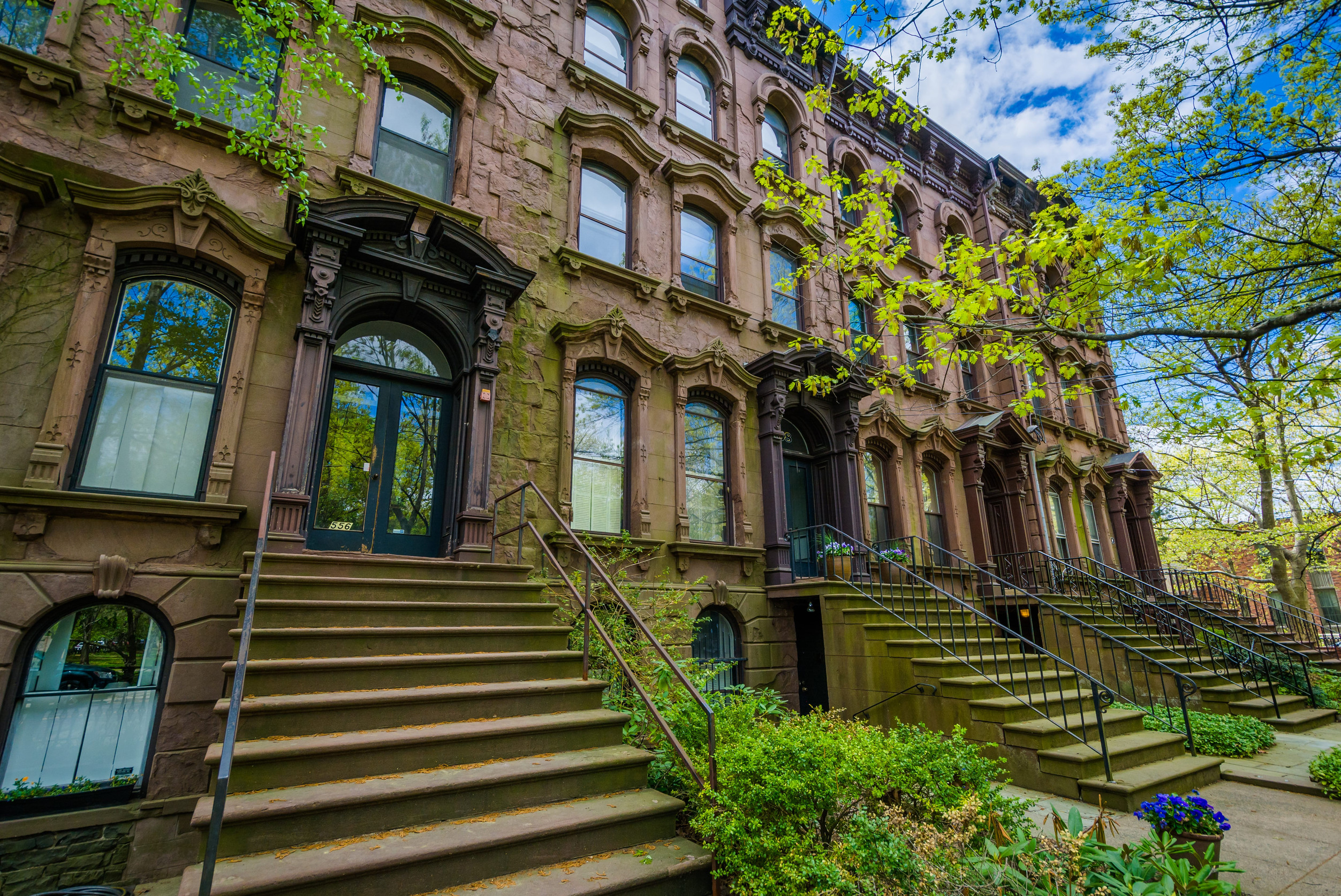
According to evidence described by the New York Attorney General’s Office, Makhani used fraudulent deeds, false documents, and companies he controlled to take ownership of two Harlem properties.
The buildings were located at 107 West 118th Street and 135 West 131st Street. Prosecutors estimated their combined value at about $4.7 million.
The first property, at 107 West 118th Street, belonged to an elderly homeowner. According to the prosecution, Makhani began using fraudulent documents and a company he controlled to claim ownership of the building in 2012.
One corporate filing reportedly claimed the company had purchased the property for just $10.
However, the paperwork told a different story when Makhani applied for financing. In a mortgage application, he reportedly claimed the building had been purchased for $975,000 and obtained a $650,000 construction loan.
He later refinanced the property and received a $1.2 million long-term mortgage.
Prosecutors also said he submitted a forged application to New York City’s Department of Housing Preservation and Development to convert the building into market-rate rental apartments.
From 2016 through 2023, he reportedly rented out units for as much as $3,400 per month. The Attorney General’s Office said the rental income exceeded $12,000 monthly.
Meanwhile, the rightful homeowner received no money.
A Tenant Was Also Caught Up in the Second Property Scheme
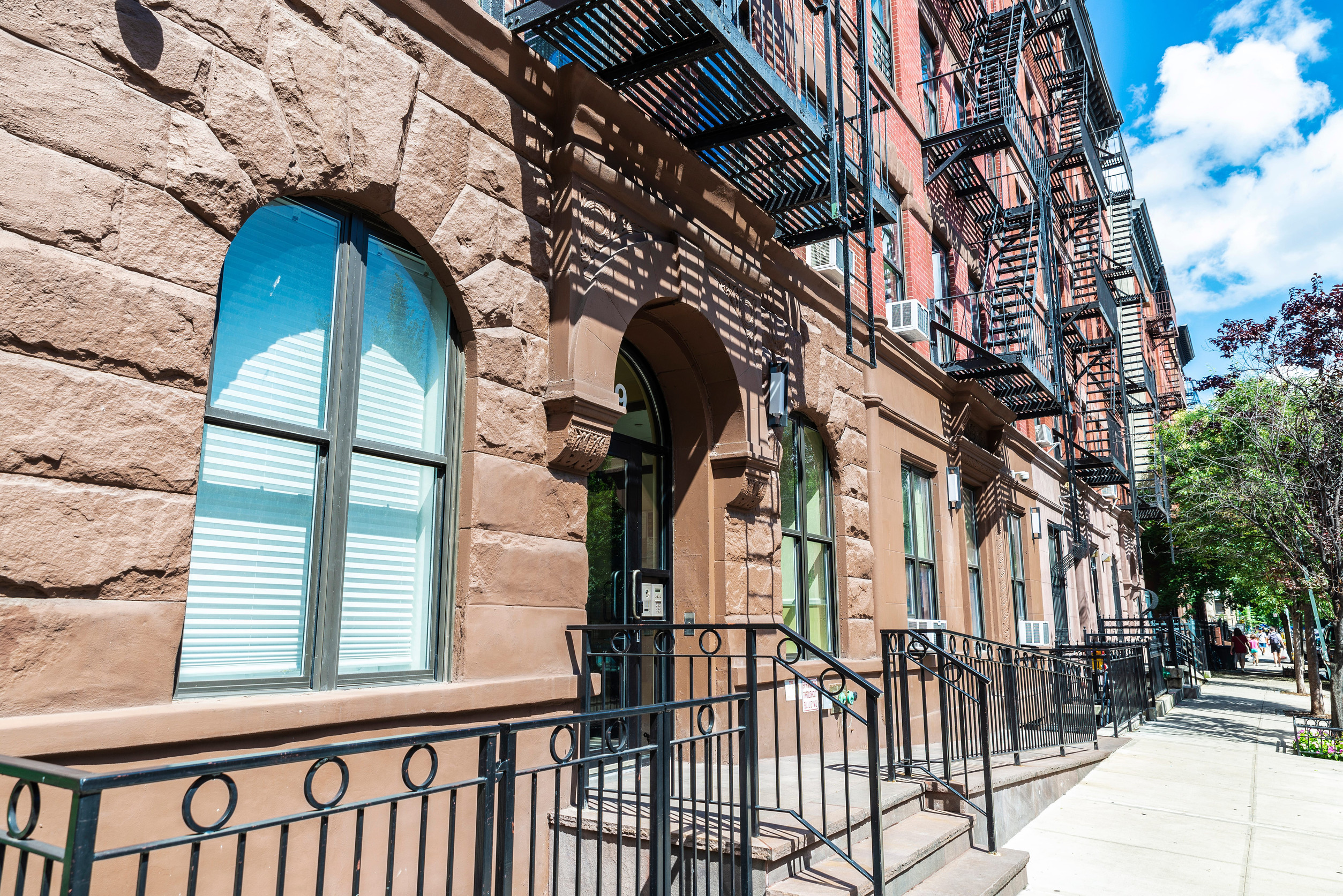
The second brownstone, located at 135 West 131st Street, involved another disturbing series of events.
According to prosecutors, the property’s last genuine recorded deed dated back to 1975. It named an elderly owner who died shortly afterward.
Around 2012, Makhani allegedly approached a tenant and told him he had purchased the building.
He reportedly obtained the tenant’s signature by pretending to offer him employment. Prosecutors said he then used a fraudulent deed to portray the tenant as the property’s owner before transferring it to a company he controlled.
The situation became even more complicated in 2013, when Makhani attempted to evict tenants through legal proceedings.
His ownership claim and the deed were challenged during those proceedings. Prosecutors said he subsequently filed another fraudulent deed that appeared to transfer the property from the original owner’s heirs to his company.
These actions formed part of the prosecution’s account of how the second property was taken.
The Elderly Homeowner Spent Years in a Homeless Shelter
Perhaps the most heartbreaking part of this case is what happened to the rightful owner of the West 118th Street brownstone.
The Attorney General’s Office said the elderly homeowner was forced to spend years living in a homeless shelter while Makhani allegedly collected rental income from her property.
The New York Post identified the homeowner as Veronica Palmer, a former corrections officer who reportedly purchased the brownstone in 1985.
Palmer reportedly did not want to sell her home, according to the newspaper’s courtroom reporting.
The situation highlights how property fraud can affect more than someone’s financial position. Losing access to a home can disrupt an entire life, particularly when the property represents decades of work, savings, and personal memories.
Although the case has resulted in a prison sentence, the available sentencing announcement did not establish that Palmer had already regained ownership or possession of the building.
A further court hearing was expected to consider whether fraudulent deeds and a mortgage recorded against the West 118th Street property should be vacated.
Why the Judge Imposed a Sentence of Up to 21 Years
Makhani’s prison sentence followed a jury conviction announced on July 1, 2026.
Judge Michele Rodney imposed separate prison terms for the three convictions.
He received four to 12 years for the stolen-property count involving the West 118th Street brownstone and three to nine years for the count involving the West 131st Street property.
Those two sentences will run consecutively, meaning one follows the other.
He also received one and one-third to four years for the scheme-to-defraud conviction. That sentence will run concurrently with the property sentences.
The combined sentence is seven to 21 years in prison.
Makhani was also ordered to pay $500,000 in restitution to Flushing Bank by May 7, 2027. This payment is for the bank, not a direct restitution award to the homeowners.
Deed Theft Remains a Serious Concern in New York
This case has also brought attention to a wider problem involving property ownership fraud.
Deed theft happens when someone takes ownership of a property without the rightful owner’s knowledge or approval. This can involve forged signatures, fraudulent documents, or tricking homeowners into signing paperwork they do not fully understand.
Older homeowners can be particularly vulnerable, especially when they have owned their properties for decades and may not regularly check public property records.
A November 2023 announcement from New York Governor Kathy Hochul cited at least 3,500 deed-theft complaints in New York City over the preceding 10 years. That figure represents complaints, not necessarily confirmed thefts or criminal convictions.
New York has since introduced additional protections to help homeowners challenge fraudulent property transfers and prevent people from profiting from stolen deeds.
Homeowners can also use New York City’s Automated City Register Information System (ACRIS) to check property records in Manhattan, Brooklyn, Queens, and the Bronx. The city recommends checking records regularly, keeping mailing addresses updated, and signing up for recorded-document alerts.
These steps cannot prevent every fraudulent filing, but they can help property owners identify suspicious activity earlier.
A Prison Sentence Does Not Automatically Return a Stolen Home
Makhani’s sentencing marks a major development in a case that began more than a decade ago. However, the legal process surrounding the properties may not be completely over.
The court still needed to consider the status of certain deeds and a mortgage connected to the West 118th Street property. The available records do not confirm that the homeowner has already regained the property.
For Palmer and anyone else affected, that distinction matters. A criminal conviction can punish wrongdoing, but restoring ownership and repairing years of disruption are separate challenges.
For now, the case sends a strong warning about fraudulent property transfers and the importance of protecting homeownership records.
As Attorney General Letitia James said, the state intends to hold accountable those who attempt to steal New Yorkers’ homes.
And for homeowners, one simple lesson stands out: checking your property records regularly could be more important than you think.