A giant tin of olive oil looks like a bargain on the warehouse-club shelf, right up until the last third of it sits in a cupboard for months. A small household that cooks for one or two rarely empties that much in time, and the price per ounce stops mattering once the oil turns.
AARP’s bulk-buying guide sorts popular big-pack foods into “yes,” “maybe” and “iffy” groups, and 6 foods land in the groups where small households tend to lose money: olive oil, coffee, dairy, condiments, nuts and meat. Each has a storage catch that decides whether the big size is a deal or a donation to the trash.

Olive Oil and Coffee Fade Faster Than the Label Suggests
According to AARP, giant tins of extra-virgin olive oil are tempting, but a small household may not finish one before the oil goes rancid. The guide says an opened bottle may last only a few months, and that rancid oil can smell like “crayons or glue.”
Wikipedia’s olive oil entry says dark glass and storage at or below 15 degrees Celsius (59 Fahrenheit), or even in the refrigerator, are better for olive oil, and that both kinds of rancidity change taste and color. A big tin that sits in a warm kitchen for months is the opposite of that advice.
Coffee is the second catch. AARP recommends buying small amounts and keeping beans or grounds in an opaque, airtight container. A shopper who freezes the extra should portion out no more than a week’s supply at a time, the guide says, so the main bag is not opened and closed again and again.
A recent look at single-cup and full-pot coffee makers for fall mornings shows how differently households brew, which is a good reason to match the bag size to the pot rather than to the sale sign.
Cheese, Yogurt and Condiments Rarely Survive the Jumbo Size
Dairy is the third food on the list. AARP says cheese and yogurt generally lose their flavor and texture in the freezer, so a bulk tub or a giant brick cannot simply be stored away. The guide names exceptions: Parmesan, shredded mozzarella and salted butter, which it says can last 9 months. Mozzarella should be frozen in portions of up to half a pound in moisture-proof containers.
Condiments make up the fourth food. Ketchup, barbecue sauce and cocktail sauce keep about a year unopened, but AARP puts the clock at 4 to 6 months in the refrigerator once opened. Mustard lasts a year if refrigerated. The guide’s verdict on the jug-size bottle is blunt: “So skip the jug!”

Shoppers weighing the numbers can also look at a roundup of items not worth buying at the grocery store and a piece on money habits many people over 70 learned as children, which covers the old habit of buying only what the week required. A list of ways to save money fast counts the pantry among the places to trim, and a guide to kitchen organization ideas helps with the freezer-space question that comes next.
The pattern is simple. A food that is opened, used a spoonful at a time and put back in the refrigerator for months is a poor candidate for the biggest bottle, no matter how low the unit price looks.
Nuts and Meat Work Only When the Freezer Has Room
AARP puts nuts and meat in the “maybe” group, meaning the savings are real only with the right storage. Nuts in the pantry can go rancid in a few months or less, according to the guide, while an airtight container in the freezer can keep them up to 2 years.
Meat follows freezer timelines that AARP lists by cut. Bacon, sausage, hot dogs and lunch meat lose flavor after 1 to 2 months. Raw hamburger and fried chicken last 3 to 4 months before quality slips. Steaks and roasts hold for 6 to 12 months, and chicken or turkey parts for about 9 months.
The U.S. Department of Agriculture’s Food Safety and Inspection Service makes a related point about shelf-stable foods: according to its shelf-stable food guidance, date labels on those products are about quality rather than safety. A family with a half-empty freezer and a big warehouse-club pack can run those numbers before buying, since a big tray that will not fit is not a savings.
What the Same Guide Says Is Worth Buying Big
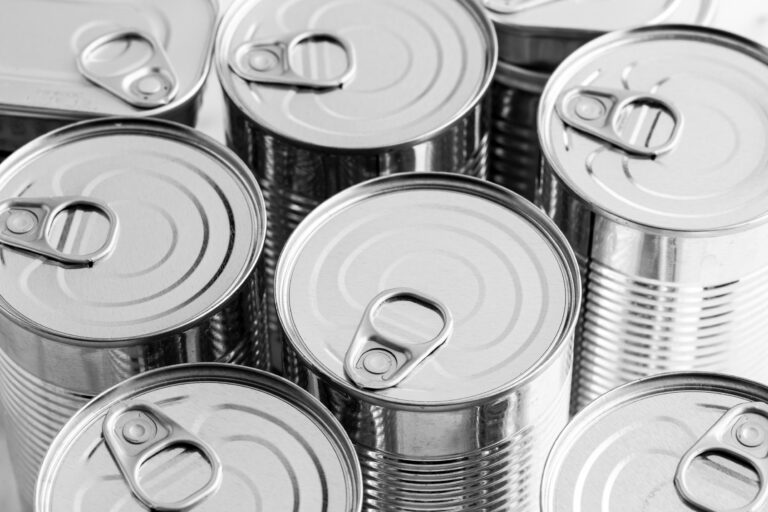
The list is not all warnings. AARP’s “yes” group includes canned goods, white sugar, white rice, and herbs and spices. White rice can last 25 to 30 years in an airtight container kept cool and dry, the guide says, while brown rice turns after about 6 months unless it is refrigerated or frozen.
Clemson University’s Home and Garden Information Center, in a bulk-buying article from August 6, 2026, makes the other side of the case. It notes that bulk-bin items such as nuts, spices, rice and trail mixes often cost less per unit because there is no individual packaging, and that buying only the amount needed limits waste.
Warehouse clubs themselves are built around the big size. Wikipedia’s entry on the warehouse club format notes that members pay an annual fee for stripped-down stores, with Costco, Sam’s Club and BJ’s Wholesale Club the three largest U.S. chains as of 2009. A fee on top of a big pack only pays off when the pack gets used.
A Quick Test Before the Big Size Goes in the Cart
Small households can use three questions. How many weeks will the whole container take to empty? Does the food go into the freezer without losing its texture? Is there space for it that is cool, dark and dry?
If the answer to the first is “longer than the opened shelf life,” the smaller size is usually the better buy, even at a higher price per ounce. The cheapest unit price is the one that gets eaten.
AARP’s guide carries no publication date, so its storage figures are best treated as general rules, with the label on any product checked when it matters. For olive oil, coffee, dairy, condiments, nuts and meat, the guide’s advice comes down to the same idea: buy the amount that will be used up while it still tastes right.
This article was produced with AI assistance and edited for accuracy against the sources linked above.
Image: ajay_suresh – CC BY 2.0/Wikimedia Commons