Some things many middle-class families consider ordinary parts of everyday life. A weekend restaurant visit, a family vacation, a reliable car, or a subscription to a favorite streaming service might not seem particularly luxurious.
But for households struggling to cover rent, groceries, utilities, and transportation, these seemingly ordinary expenses can feel completely out of reach.
The difference isn’t always about wanting different things. Often, it’s about having enough money left after paying for necessities to enjoy life without worrying about the next bill.
Financial security also provides something hard to measure: choices. Middle-class households may have the freedom to replace a broken appliance, take an unexpected day off, or pay for a child’s extracurricular activity without completely disrupting their budget.
For families living paycheck to paycheck, even a relatively small unexpected expense can create serious financial pressure.
Here are 10 things that middle-class households may enjoy but that people living in poverty often struggle to afford.
Taking Family Vacations

For many middle-class families, planning an annual vacation is an ordinary part of life.
They might spend a week at the beach, visit another state, or take their children to a popular tourist destination.
But vacations involve much more than hotel bookings.
Transportation costs, meals, accommodation, activities, and spending money add up.
For a household struggling to cover basic expenses, putting aside hundreds or thousands of dollars for a holiday may be impossible.
Some parents haven’t taken their children on a proper vacation in years, not because they don’t want to, but because their budget leaves no room for it.
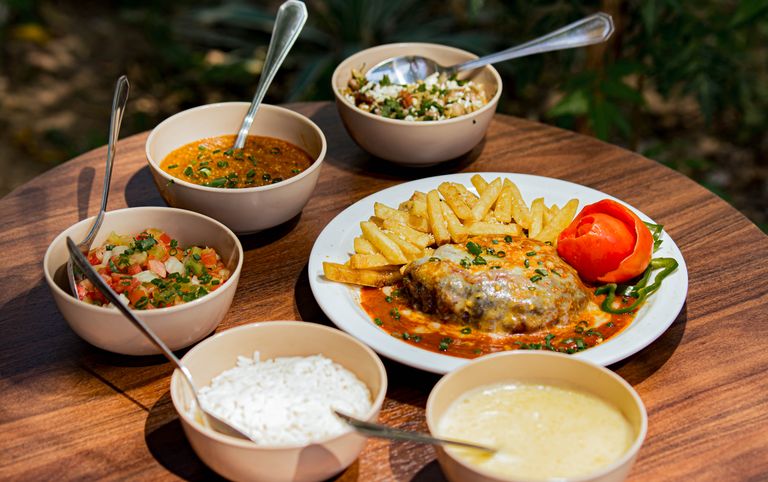
Eating at Restaurants Without Checking the Prices
Imagine walking into a restaurant, ordering whatever looks appealing, and enjoying dinner without worrying about the final bill.
Many financially comfortable households take that convenience for granted.
For people living on tight budgets, restaurant visits require planning.
Even an inexpensive meal can become difficult when money is already allocated to groceries, rent, and transportation.
Some families reserve restaurant visits for birthdays or special occasions, while others rarely eat outside their homes.
The difference isn’t necessarily appetite or preference. It’s disposable income.
Having an Emergency Savings Fund
An emergency fund can make an enormous difference when life becomes unpredictable.
Middle-class households with sufficient savings may be able to handle a broken refrigerator, unexpected car repair, or medical expense without borrowing money.
For poorer households, the same problem can create a financial crisis.
A $500 emergency might mean using a credit card, borrowing from relatives, missing another payment, or going without something essential.
According to the Federal Reserve’s 2024 Report on the Economic Well-Being of U.S. Households, 63% of adults said they could cover a hypothetical $400 emergency expense using cash or its equivalent.
That also means a substantial share would need another way to handle the expense.
Financial breathing room is one of the biggest advantages of having savings.
Owning a Reliable Newer Car
Having a dependable vehicle makes everyday life easier.
It can mean fewer unexpected breakdowns, more comfortable journeys, and less worry about whether the car will start on a cold morning.
Middle-class households may be able to finance a newer vehicle or replace an older one when repairs become too expensive.
People living in poverty often have to keep driving older vehicles because purchasing another car is financially impossible.
Unfortunately, older vehicles can require expensive maintenance.
A broken transmission, damaged engine, or major repair can disrupt someone’s ability to get to work.
For people who depend on their vehicles to earn money, this can become especially difficult.
Paying for Children’s Extracurricular Activities
Swimming lessons, music classes, dance training, football clubs, and other activities can help children develop confidence and discover their interests.
However, these opportunities aren’t always affordable.
Parents may have to pay registration fees, equipment costs, uniforms, transportation, and monthly membership charges.
A middle-class family might comfortably budget for several activities.
A family struggling financially may have to choose between paying for an activity and covering an essential household expense.
This can leave children missing opportunities their classmates enjoy.
Buying Groceries Without Constantly Comparing Prices
For some households, grocery shopping is about choosing meals everyone enjoys.
For others, it is a careful calculation.
Families with more disposable income may purchase their preferred brands, fresh produce, premium cuts of meat, and convenience foods without worrying too much about individual prices.
People living on limited incomes often compare unit prices, use coupons, purchase discounted products, and plan meals around supermarket promotions.
Even then, making groceries last until the next payday can be difficult.
The ability to shop without constantly calculating every dollar is a form of financial comfort that many people underestimate.
Living in a Comfortable Neighborhood
Where someone lives can influence almost every part of daily life.
Middle-class households may have more choices when choosing a neighborhood, including access to good schools, public transportation, parks, and nearby shopping.
Families living in poverty often have fewer options because housing costs consume so much of their income.
They may have to choose between affordability and convenience, sometimes living farther away from work or essential services.
A comfortable neighborhood isn’t just about attractive houses. It can also provide easier access to opportunities and community resources.
Paying for Quality Healthcare
Healthcare expenses can be particularly difficult for people with limited incomes.
Middle-class households with good insurance may have more flexibility when choosing doctors, arranging appointments, and paying deductibles.
People living in poverty may delay appointments, skip dental care, or avoid certain treatments because they are worried about the cost.
Even insured patients can face expensive deductibles, prescription costs, and unexpected medical bills.
Being able to seek medical attention without immediately worrying about how to pay is an important form of financial security.
Replacing Household Appliances When They Break
A broken washing machine or refrigerator can be a major inconvenience.
For households with savings, replacing the appliance may be frustrating but manageable.
For poorer families, the same breakdown can become a long-term problem.
They may have to repeatedly repair an unreliable machine, buy a used appliance, or rely on laundromats.
These alternatives can cost more over time.
Another advantage of financial breathing room is being able to replace essential household equipment without taking on debt.
Enjoying Regular Date Nights
Going to the movies, enjoying dinner together, or attending a concert can help couples maintain their relationships.
But entertainment expenses can add up quickly.
A date night might involve transportation, dinner, tickets, drinks, and childcare.
Middle-class couples may have enough disposable income to enjoy these experiences regularly.
For couples struggling financially, spending money on entertainment can feel irresponsible when bills are waiting.
Sometimes, staying home isn’t a lifestyle preference. It’s the only affordable option.
The Bottom Line
The difference between middle-class comfort and poverty isn’t always visible.
It isn’t necessarily about owning a large house or driving an expensive car.
Sometimes, it’s about being able to replace a broken appliance, take a day off, pay for a child’s activity, or enjoy dinner without checking the bank balance first.
It’s also important to remember that not every middle-class family can afford all 20 things, and some low-income households manage to enjoy several through careful planning and community support.
But financial stability creates choices that people living in poverty often don’t have.