Pennies and nickels are among the smallest denominations of American money, and most people barely give them a second thought. They collect in kitchen drawers, disappear into car cup holders, and sometimes end up forgotten at the bottom of handbags. But despite their small value, these coins come with some surprisingly specific federal rules about what people can do with them.
The restrictions have a lot to do with the metals used to manufacture the coins and the cost of producing them. Some activities that might seem harmless, such as melting pennies for scrap metal or taking large quantities overseas, can actually violate federal regulations. Here are five things Americans should know before getting creative with their spare change.
Melting Pennies and Nickels for Their Metal
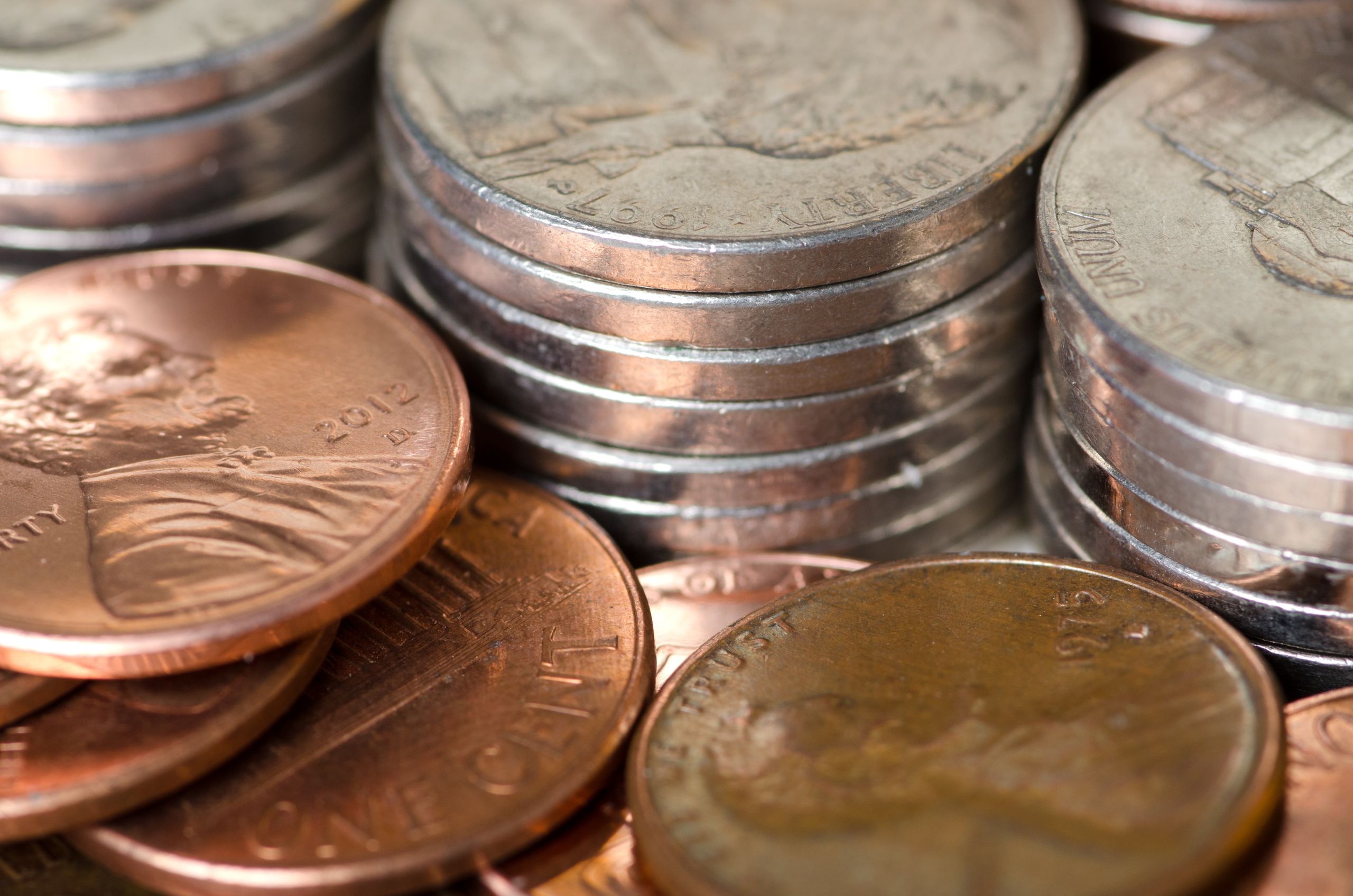
That jar of old pennies might look like a convenient source of scrap metal, but melting American pennies and nickels for their metal content is generally prohibited. The federal government introduced restrictions because the cost of manufacturing these coins can exceed their face value. Someone hoping to melt thousands of pennies and sell the recovered metal could undermine the purpose of keeping these coins in circulation.
Under 31 CFR Part 82, individuals and businesses cannot melt or treat one-cent and five-cent coins without authorization or an applicable exception. The restriction applies even when someone owns the coins legitimately. The US Mint also makes clear that requests for permission to melt these coins must be submitted to the appropriate authorities.
There are limited exceptions for certain educational, novelty, jewelry, and amusement activities, provided they are not simply ways to profit from the metal. So turning a penny into a souvenir is not necessarily the same thing as melting thousands of them for scrap.
Exporting Large Quantities of Pennies and Nickels
Taking a handful of pennies on vacation is not a federal offense, but exporting large quantities of American one-cent and five-cent coins is restricted. The rules are designed partly to prevent people from moving large amounts of these coins overseas for metal recovery or other unauthorized purposes.
Under 31 CFR 82.2, a shipment containing up to $100 in pennies and nickels can generally be exported when the coins are intended for legitimate use as money or for collecting. Individuals leaving the United States can also carry up to $5 in these coins. That personal allowance increases to $25 when the coins are clearly intended for legitimate collecting, amusement, or recreational purposes.
However, these exceptions do not permit people to export coins for melting or treatment abroad. Someone planning to ship thousands of dollars in pennies to a foreign metal processor could run into serious legal trouble. The rules apply even when the coins were purchased or collected legally.
Altering Coins to Commit Fraud
There is a difference between turning a penny into a souvenir and changing a coin to deceive someone. Federal law specifically prohibits fraudulent alteration, defacement, mutilation, or reduction of American coins. This includes conduct intended to make a coin appear more valuable or different from what it actually is.
Under 18 U.S.C. § 331, someone who fraudulently alters American coins can face criminal penalties. The law also covers knowingly possessing, selling, or attempting to pass altered coins as legitimate money. A conviction can carry a fine or imprisonment of up to five years, or both.
This does not mean every scratched or damaged penny is illegal. The law focuses on fraudulent conduct, not simply the fact that a coin has been changed or damaged. The intention behind the alteration matters.
Selling Altered Coins as Genuine Currency
Imagine someone takes an ordinary penny, changes its appearance, and then attempts to sell or circulate it as though it were an authentic coin with a higher value. That is very different from selling an elongated penny as a souvenir.
Federal law makes it an offense to knowingly pass, publish, or sell fraudulently altered coins. This is another part of 18 U.S.C. § 331, which addresses both the alteration itself and the knowing circulation of altered coins.
Collectors and souvenir sellers can still trade legitimate novelty coins, provided they are not being misrepresented as genuine currency or used to deceive buyers. The important distinction is whether someone is honestly selling an altered collectible or attempting to profit through deception. A coin does not become legitimate money simply because someone has changed its appearance.
Assuming Every Business Must Accept Your Pennies
American coins are legal tender, but that does not mean every private business must accept them for every purchase. Some shoppers assume that because a penny or nickel carries an official denomination, a store has no choice but to accept it. Federal law does not actually work that way.
Under 31 U.S.C. § 5103, American coins and currency are legal tender for debts, public charges, taxes, and dues. However, the Federal Reserve explains that no federal law requires private businesses to accept cash or coins for ordinary purchases. Businesses can establish their own payment policies unless state or local laws provide otherwise.
That means a store may refuse a customer who wants to pay for a new television entirely in pennies, depending on the applicable local rules. Being legal tender does not automatically give customers the right to dictate how a private business accepts payment.
Small Coins, Surprisingly Serious Rules
Pennies and nickels may not buy much on their own, but they remain part of America’s official currency system. Their metal content, manufacturing costs, and role in everyday transactions have led to rules that many people never encounter until they try something unusual with their spare change.
The good news is that ordinary activities such as collecting coins, spending them, saving them in jars, and making permitted souvenirs are generally fine. The trouble begins when people attempt to profit from the metal, export restricted quantities, or use altered coins to deceive others.
So before turning that old penny collection into a home metalworking project, it is worth checking the rules. Those little copper colored and silver colored coins have more legal protection than most people realize.