Walking through an American supermarket, you can find almost anything, from brightly colored breakfast cereals and packaged pastries to frozen chicken, processed meats, and freshly baked bread. Many of these products are everyday staples for millions of households.
But here’s something that might surprise American shoppers: certain ingredients and food-production practices allowed in the United States are prohibited or heavily restricted elsewhere.
Some countries have taken a stricter approach to food additives, preservatives, livestock hormones, and meat-processing methods. As a result, a product that can legally be sold in an American grocery store may not meet the requirements for sale in countries such as those in the European Union, the United Kingdom, or India.
This doesn’t automatically mean every affected American food is dangerous. Different countries evaluate food ingredients using different regulatory standards, scientific evidence, and precautionary approaches.
Still, the differences raise interesting questions about what goes into everyday American groceries.
Here are five examples of food ingredients and production practices that have faced restrictions abroad while remaining permitted in the United States.
American Bread Made With Potassium Bromate
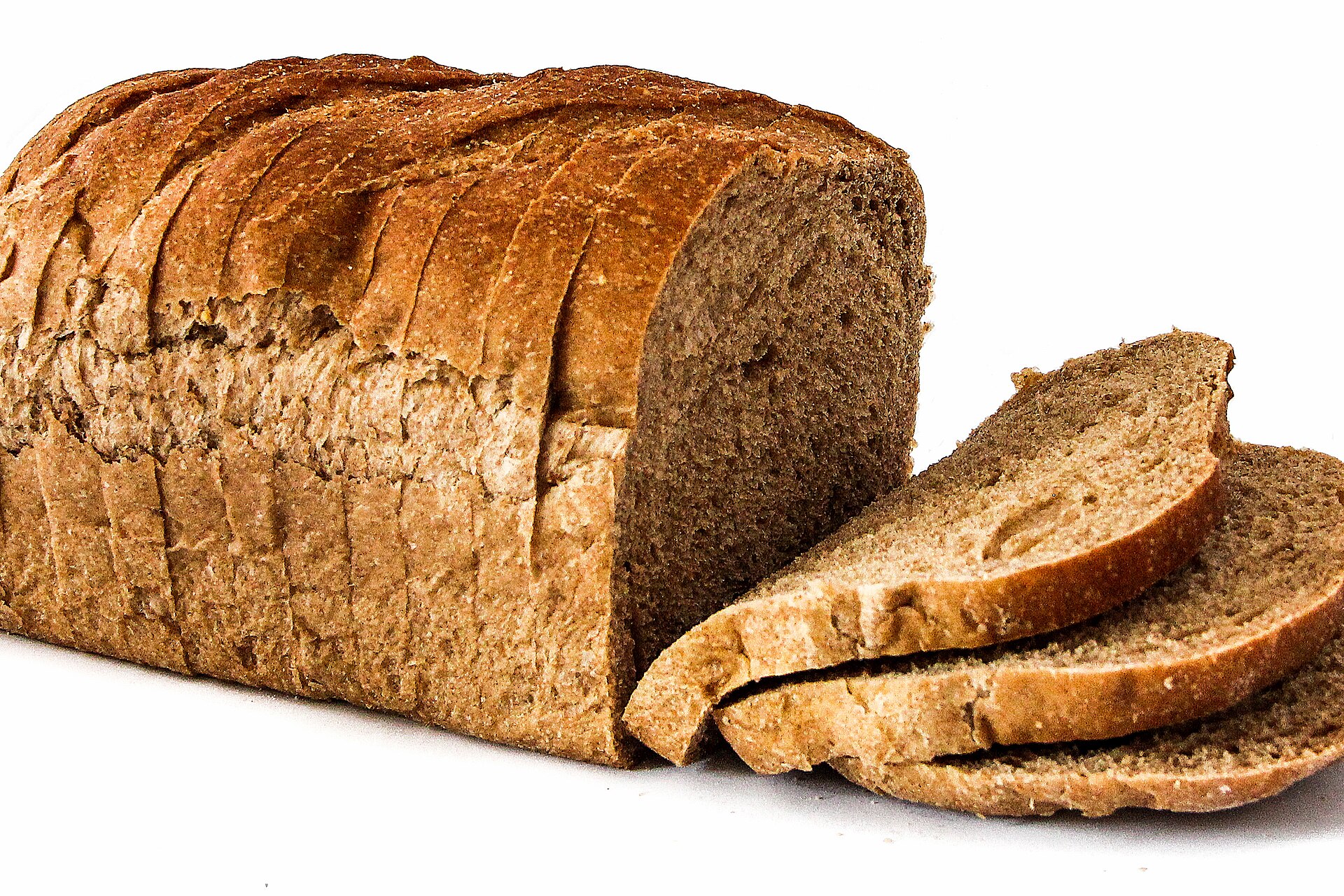
Bread is one of the most common grocery purchases in America. It appears in breakfast sandwiches, school lunches, burgers, and countless everyday meals.
However, some American bread products may contain an ingredient called potassium bromate.
This chemical is used as a flour treatment agent and dough conditioner. It helps strengthen dough and can improve the texture and volume of baked products.
Bakers may use it to produce bread with a more consistent structure.
The problem is that potassium bromate has raised concerns because studies have associated it with cancer in laboratory animals.
The International Agency for Research on Cancer has classified potassium bromate as possibly carcinogenic to humans.
Several countries have prohibited its use in food.
These include India, where the Food Safety and Standards Authority issued a direction prohibiting potassium bromate as a food additive in 2017. The European Union also does not authorize it as a food additive.
However, the ingredient remains permitted for certain uses in the United States, subject to FDA regulations.
The FDA allows potassium bromate in flour at levels not exceeding 75 parts per million. It also continues to evaluate food additives and their safety.
This means not every American loaf of bread contains potassium bromate. Manufacturers can use alternative ingredients, and consumers can check product labels for its name.
For shoppers who want to avoid it, checking the ingredient list is a useful first step.
Packaged Bread and Baked Goods Containing Azodicarbonamide
Another ingredient that has attracted attention is azodicarbonamide, commonly abbreviated as ADA.
It is used in some American bread products as a dough conditioner and flour bleaching agent.
Manufacturers use it to help produce consistent dough characteristics during commercial baking.
You may recognize the ingredient from previous debates involving fast-food buns and packaged bread.
The controversy centers partly on a chemical called semicarbazide, which can form when azodicarbonamide breaks down during baking.
Some countries have prohibited ADA as a direct food additive.
The European Union does not authorize its use in flour or bread, while the United States still permits it under specific FDA conditions.
According to the FDA, azodicarbonamide can be used in cereal flour as a bleaching agent and in breadmaking as a dough conditioner, provided manufacturers follow the permitted limits.
The agency has also evaluated exposure to semicarbazide and says its assessments do not currently require consumers to change their diets because of ADA exposure.
Interestingly, the FDA acknowledges that ADA isn’t essential for making bread.
Alternative ingredients and manufacturing methods are available.
That means manufacturers can produce bread without using it.
For consumers, the easiest way to check is to look for the words “azodicarbonamide” on the ingredient list.
The ingredient’s presence doesn’t mean every packaged bread product contains it, and not every product made with it is necessarily the same.
Certain American Beef Produced Using Growth-Promoting Hormones
Beef is another major part of the American food supply.
From hamburgers and steaks to meatballs and barbecue ribs, it features prominently in many households.
However, some American cattle are raised differently than livestock in other countries.
In the United States, certain growth-promoting hormones are approved for use in cattle.
These include estradiol, testosterone, progesterone, trenbolone acetate, and zeranol.
The hormones are used to increase growth rates and improve production efficiency.
The European Union takes a different approach.
It prohibits the use of certain hormones for growth promotion in food-producing animals and restricts imports of meat from animals treated with those substances.
The policy has been in place for decades and has been the subject of a lengthy trade dispute between the United States and Europe.
The World Trade Organization has documented the disagreement, which involved objections from the United States and Canada to the European restrictions.
Europe hasn’t banned all American beef.
Beef produced without the prohibited growth-promoting hormone treatments can still qualify for import under applicable requirements.
Similarly, the restrictions concern specific hormone uses rather than every veterinary treatment involving hormones.
The debate is largely about differences in food-production standards and how regulators interpret the available scientific evidence.
For American shoppers, this reminds us that two steaks that look almost identical in a supermarket may come from animals raised under different production rules
Chlorine-Washed Chicken
Chicken is one of America’s most popular and versatile proteins. It is used in sandwiches, salads, frozen dinners, nuggets, and countless restaurant meals.
But some American poultry producers’ processing methods have become a point of disagreement with European food regulators.
In the United States, poultry processors can use approved antimicrobial treatments to reduce harmful bacteria on chicken carcasses.
One method involves using chlorine-based solutions during processing.
This reduces contamination from bacteria such as Salmonella and Campylobacter.
American food regulators permit certain antimicrobial treatments when they meet established safety requirements.
However, the European Union takes a different approach.
EU rules generally do not permit chemical treatments such as chlorine washing to decontaminate poultry carcasses. Potable water is permitted, but other substances require specific approval.
The United Kingdom has also maintained restrictions on chemical decontamination treatments for poultry carcasses.
This difference has been central to trade discussions between the United States and Europe, particularly when American poultry exports are involved.
Critics of chlorine washing argue that producers should prioritize preventing contamination throughout farming and processing rather than relying on end-of-line chemical treatments.
American industry representatives, meanwhile, argue that antimicrobial treatments are an additional food safety measure that can help reduce harmful bacteria.
There is an important distinction here: the European Union hasn’t banned all American chicken. Its rules restrict particular processing methods, meaning poultry produced using qualifying methods can still meet import requirements.
For American consumers, the debate illustrates how countries can disagree about the best way to manage food safety even when they share the same basic objective.
Pork From Pigs Treated With Ractopamine
Pork is another food that has faced different regulatory treatment worldwide.
One substance behind the disagreement is ractopamine, a drug used in some livestock production systems to promote lean muscle growth and improve feed efficiency.
In the United States, the FDA has approved ractopamine for certain uses in pigs and other food-producing animals under specified conditions.
Producers use it during the final stages of animal production to influence how animals gain weight.
However, several countries have prohibited its use in livestock production.
The European Union, China, and Russia are among the jurisdictions that restrict or prohibit meat from animals treated with ractopamine.
The disagreement has also affected international meat trade.
Some importing countries have established residue limits and testing requirements, meaning American pork producers must meet different standards depending on where their products are being shipped.
This is particularly relevant for American meat companies exporting pork to international markets.
The debate isn’t simply about whether pork is allowed.
It’s about whether the animals were treated with a particular growth-promoting substance and whether the resulting meat meets the importing country’s requirements.
For American shoppers, FDA approval means pork from treated animals can legally enter the domestic food supply.
However, consumers who want to avoid products associated with ractopamine can look for producers that specifically state their pork is raised without the drug.
The important point is that an ingredient or production practice permitted in one country isn’t automatically accepted everywhere else.
Why Do Other Countries Have Different Food Rules?
One reason for these differences is that food regulators don’t always evaluate ingredients and production methods the same way.
In the United States, the Food and Drug Administration evaluates food additives and establishes conditions under which manufacturers can use them.
Other countries and regions have their own regulatory agencies and approval systems.
The European Union, for example, often applies a precautionary approach when assessing certain food additives and production practices.
This can result in an ingredient being permitted in American food products but prohibited or restricted in European markets.
It is also important to distinguish between a ban and a difference in approval requirements.
A country refusing to approve a particular ingredient doesn’t automatically prove that every product containing it is harmful.
Likewise, an ingredient being approved by the FDA doesn’t mean every other country must accept it.
Food regulations evolve as scientific evidence develops, and manufacturers sometimes change recipes to meet different markets’ requirements.
How Can American Shoppers Check What’s in Their Food?
Consumers who want to be more careful about ingredients don’t necessarily need to avoid every packaged product.
A few simple shopping habits can help.
- Read ingredient labels: Look for names such as potassium bromate and azodicarbonamide.
- Compare bread brands: Some manufacturers advertise that their products are made without particular dough conditioners.
- Ask about meat production: Look for pork and beef products with clearly stated production standards.
- Check manufacturer websites: Companies sometimes explain which additives and processing methods they use.
- Understand food certifications: Labels such as organic and other verified production claims can provide additional information, although they don’t guarantee the absence of every ingredient.
Remember that ingredient rules can change, so older online lists of banned foods aren’t always reliable.