The refrigerator is one of the most useful appliances in any kitchen. It keeps leftovers fresh, protects perishable groceries, and helps many foods last longer. But that does not mean everything you buy belongs inside it.
Some foods actually keep their best flavor, texture, or quality when stored at room temperature. Others can become unpleasantly soft, lose their aroma, or ripen differently if you refrigerate them too early.
The trick is knowing which foods belong in the fridge and which are better off in a cool, dry place on your kitchen counter or in your pantry.
Here are some common foods you may want to stop refrigerating unnecessarily.
Potatoes
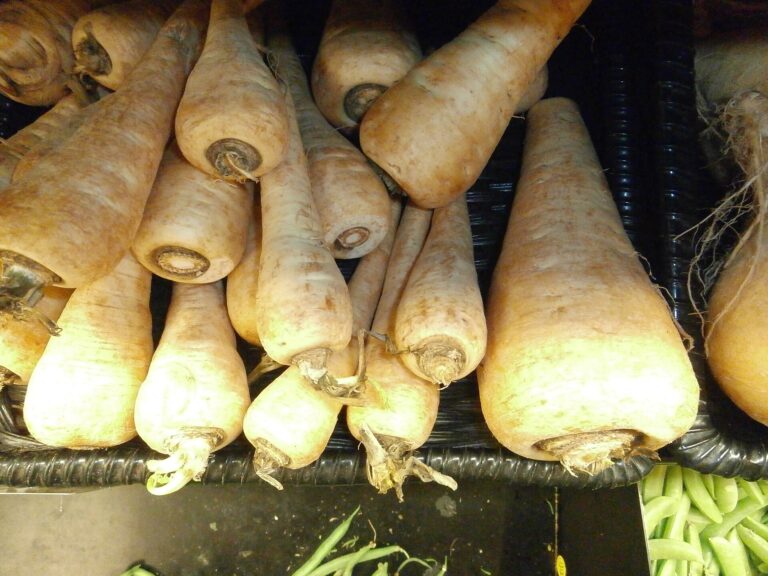
Potatoes are among the foods that do not need refrigerator space. Cold temperatures can change their flavor and affect their cooking quality.
The better option is to keep them in a cool, dark, dry, and well-ventilated place. A pantry or cupboard away from direct sunlight works well.
Avoid storing potatoes in plastic bags that trap moisture. Also, keep them away from onions because the two can encourage each other to spoil or sprout faster. Check potatoes regularly and discard any that are rotten.
Onions
If you usually put whole onions in the refrigerator after shopping, you may want to change that habit.
Dry onions are better stored in a cool, dry place with good airflow. A mesh bag or ventilated basket is a better choice than a sealed plastic container.
Refrigerator moisture can make their storage conditions less suitable. However, once you peel or chop an onion, store it in a covered container in the refrigerator.
Keep whole onions separate from potatoes.
Garlic
Whole garlic bulbs do not need to take up space in your refrigerator. They are best kept somewhere cool, dry, and well-ventilated.
A small basket or breathable container in your pantry can work perfectly. Avoid sealing whole garlic bulbs in plastic bags because trapped moisture can encourage spoilage.
Once you’ve peeled or chopped garlic, refrigeration is a better option. For homemade garlic stored in oil, follow tested food-safety guidance rather than leaving it at room temperature.
Bananas
Bananas are another familiar fruit that generally ripens better outside the refrigerator.
Keeping unripe bananas in the fridge can interfere with normal ripening and cause the peel to turn dark. This does not necessarily mean the fruit inside has spoiled, but the appearance can be unappealing.
Leave your bananas on the counter until they reach your preferred ripeness. If they become fully ripe and you are not ready to eat them, refrigeration can help extend their usable life, although the skin may darken.
You can also peel ripe bananas and freeze them for smoothies or baking.
Tomatoes
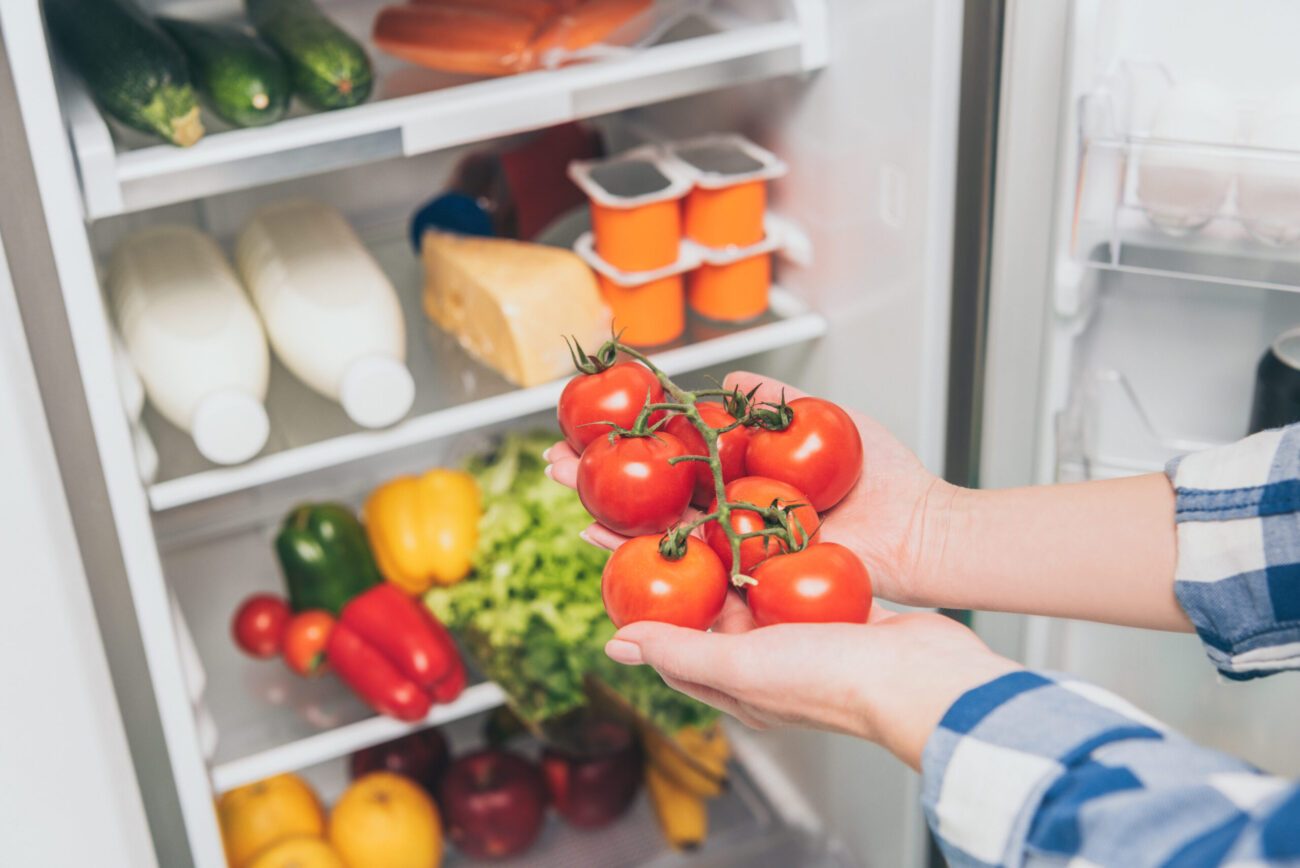
Putting tomatoes straight into the refrigerator may not be the best choice if you want to enjoy their full flavor.
Tomatoes generally develop better flavor and texture when allowed to ripen at room temperature. Cold storage can leave them with a less pleasant, mealy texture.
Keep whole tomatoes on the counter, away from direct sunlight. Once fully ripe, refrigeration is an option if you need to keep them a few extra days.
There is one important exception: cut tomatoes should always be refrigerated promptly.
Sweet Potatoes
Sweet potatoes are often treated like ordinary vegetables that belong in the refrigerator. However, whole sweet potatoes are better stored outside it.
Cold temperatures can negatively affect their texture and cooking quality. Instead, place them in a cool, dry, dark area with enough ventilation.
Avoid washing them before storage because additional moisture can encourage spoilage. Wash them just before preparing your meal.
If you have already cooked or cut sweet potatoes, refrigerate them instead of leaving them out.
Fresh Basil
Fresh basil is one herb that can suffer when exposed to refrigerator temperatures.
Instead of putting the whole bunch in the fridge, treat it more like a bouquet. Trim the stems and place them in a glass of water. Keep the leaves dry and loosely cover the bunch if needed.
Cold temperatures can cause basil leaves to blacken, making the herb less attractive and less useful in your cooking.
If you regularly buy fresh basil for pasta, homemade sauces, or salads, this small storage adjustment can make a difference.
Honey
Honey is one pantry staple that rarely needs refrigerator space.
When refrigerated, honey can become thicker and develop sugar crystals, making it harder to pour or scoop. Refrigerating it offers no meaningful storage advantage for ordinary honey.
Instead, store it in a tightly sealed container in a cool, dry cupboard. Always use a clean, dry spoon to avoid introducing moisture or food particles.
If your honey becomes cloudy or develops crystals, that does not automatically mean it has spoiled. Gentle warming can help return it to a smoother consistency.
The Bottom Line: Store Food the Right Way
Not every grocery item needs to go into the refrigerator. Sometimes, keeping food at room temperature is the better option for preserving its flavor, texture, and quality.
However, storage conditions matter. A cool, dry, well-ventilated space is not the same as a hot kitchen counter. If your kitchen gets particularly warm, some foods may spoil faster.
Also, remember these important rules:
- Refrigerate cut or peeled fruits and vegetables promptly.
- Store potatoes and onions separately.
- Keep whole garlic bulbs in a dry, ventilated place.
- Move ripe fruit into the refrigerator when you need to slow further ripening.
- Refrigerate cooked leftovers promptly, generally within two hours.
The goal is not to stop using your refrigerator. It is to stop using it for foods that may be better stored elsewhere. A few simple changes can help you organize your kitchen, reduce unnecessary food waste, and get more enjoyment out of your groceries.