A half-eaten bar tucked into the refrigerator for safekeeping often comes out a week later wearing dry white spots. The chocolate smells normal and tastes mostly normal, yet it looks as if it had gone off. The cause is sugar bloom, and Michigan State University Extension says it shows up when chocolate sits in damp storage such as a refrigerator.
In a March 2015 column, extension writer Jeannie Nichols explained that moisture draws sugar to the surface of the chocolate, leaving dry white spots behind. Bloomed chocolate is still safe to eat but less appealing, the extension says, and bloom does not mean the chocolate is old. With holiday baking and candy dishes filling kitchens, the spotting is worth recognizing before a good bar gets tossed.

Sugar Bloom Leaves Dry White Spots
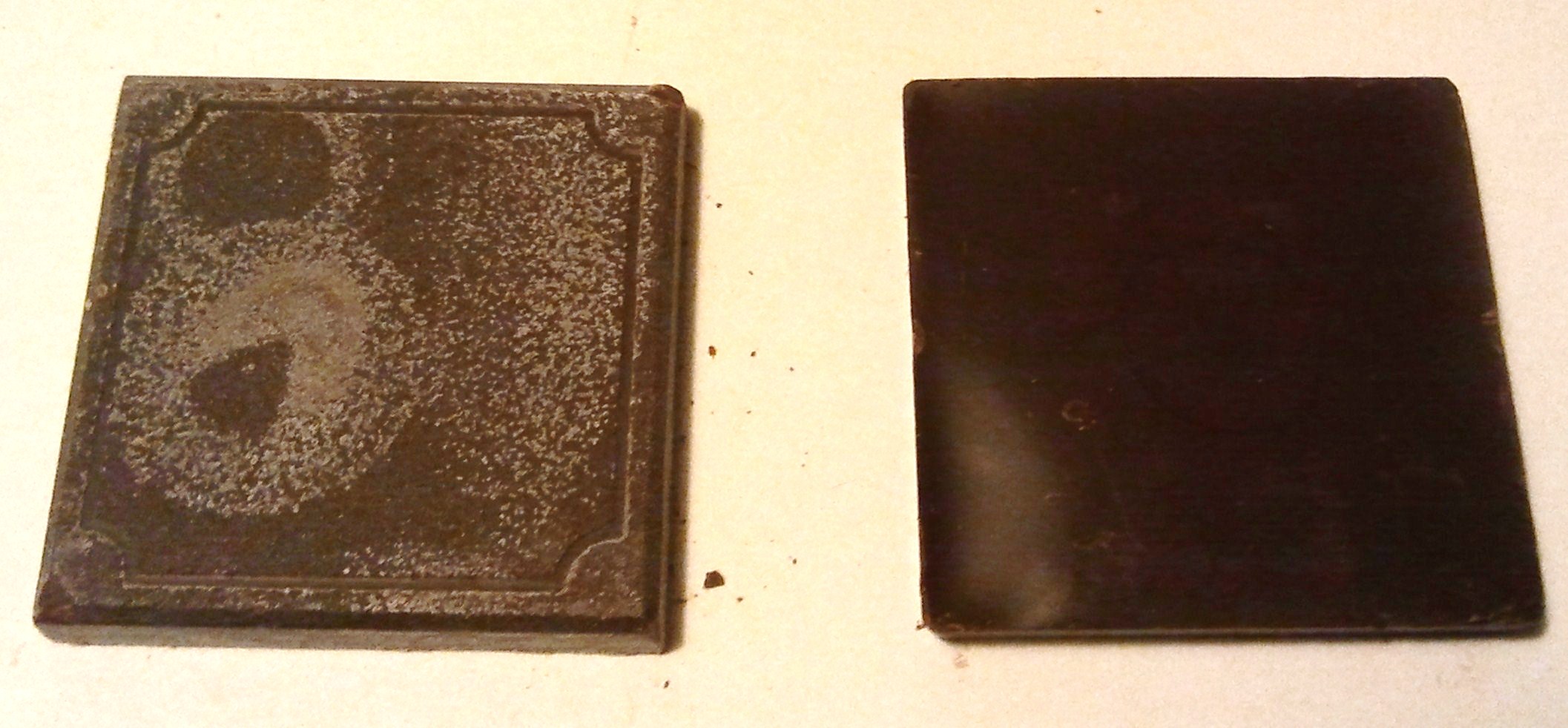
The Michigan State column describes sugar bloom as a spotted look that feels dry and does not melt when touched. Moisture is the trigger, and a refrigerator is a humid place compared with a pantry shelf. As the moisture evaporates, the sugar it drew up stays behind as white crystals.
Iowa State University Extension and Outreach reaches the same conclusion in its AnswerLine guide, written by Marlene Geiger in November 2023 and updated in December 2025. That guide says sugar bloom comes from moisture, feels rough, and is more likely on refrigerated chocolate. It adds that bloom affects only appearance and does not change taste, shelf life or safety.
The Wikipedia entry on chocolate gives numbers for the conditions. It says sugar bloom results from temperatures below 15 degrees C, or 59 degrees F, or from excess humidity. It also says refrigerating or freezing chocolate without containment can cause a whitish discoloration as sugar or fat crystals rise to the surface.
Fat Bloom Looks Different and Comes From Heat
Sugar bloom has a twin that looks similar from across the kitchen. According to the Michigan State column, fat bloom happens when chocolate is kept warmer than about 70 to 75 degrees F and the cocoa butter separates, then solidifies again. The surface shows white or gray streaks and feels slick, and it melts when touched.
The Iowa State guide gives a quick way to tell the two apart: fat bloom feels smooth, while sugar bloom feels rough. The Wikipedia entry offers a touch test as well, saying fat bloom disappears when the surface is lightly rubbed. The Wikipedia entry on cocoa butter says the fat melts at about 34 to 38 degrees C, or 93 to 100 degrees F, and that fat bloom often appears when chocolate bars soften in a hot room.
A Live Science explainer adds that rough handling and light exposure can also bring fat bloom, and that sugar bloom can appear when cold chocolate moves into humid air. Holiday kitchens often run a coffee maker alongside the candy dish, a pairing that comes up in a Frenz Hub comparison of Keurig and Ninja brewers for fall mornings and holiday guests.
Stocking up for holiday baking is a seasonal habit, and traditions of that kind are the subject of a craftingyourhome.com piece on people who keep the same holiday traditions every year. Buying early is fine as long as the bars go into a cool cupboard rather than the refrigerator door. A bar thrown out over a cosmetic flaw is a small waste, and Frenz Hub covers other everyday ways to save money fast. Chocolate also tends to land on the family table at holidays, which fits a craftingyourhome.com zodiac list on the best storytellers at the family table.
Where Chocolate Should Be Kept Instead
The extension advice is to skip the refrigerator. Michigan State recommends an airtight container, the kind of everyday helper in a Frenz Hub roundup of easy-to-use products for life at home, kept in the coolest part of the house at about 70 to 75 degrees F, and warns that above 88 to 90 degrees F chocolate starts to melt.
Other sources set the target a little lower. The Iowa State guide calls for 65 to 70 degrees F in a dark place with humidity below 50 to 55 percent, and says that if refrigeration cannot be avoided, the chocolate should be wrapped tightly. The Wikipedia entry gives an ideal range of 15 to 17 degrees C, or 59 to 63 degrees F, at under 50 percent relative humidity. The ranges differ, but they agree on the direction: cool, dry, dark and sealed.
Iowa State adds that cocoa butter absorbs odors, so chocolate belongs away from strong-smelling foods. The guide also gives rough best-quality windows: about two years for dark, semi-sweet and baking chocolate, about one year for milk chocolate and about six months for white chocolate.
Whether Bloomed Chocolate Can Be Fixed
Here the sources split slightly. Michigan State says bloom cannot be reversed, though bloomed chocolate works in recipes that call for melted or shredded chocolate. Iowa State says the same about reversal but adds that melting the chocolate can fix it, and calls bloomed chocolate fine for baking.
The Wikipedia entry says bloom can be reversed by retempering or by melting the chocolate for use. Tempering crystallizes a small amount of cocoa butter and favors the form that gives chocolate its snap and gloss, the entry explains. Live Science likewise says bloomed chocolate can be revived by tempering it again, and that it works well in baked goods or fondue. For most kitchens, the plain answer is to melt it into brownies, sauces or hot drinks, where the appearance no longer matters.
Freezing is a separate question. Iowa State says frozen chocolate keeps up to a year, though freezing does not meaningfully extend shelf life, so it suits chocolate intended for baking or melting. The guide’s method is to refrigerate the chocolate unwrapped for 24 hours, wrap it well, and store it in an airtight container or heavy-duty freezer bag. To thaw, it moves to the refrigerator for 24 hours, then sits until it reaches room temperature before unwrapping.
That handling is the same moisture lesson in another form. Cold chocolate meeting warm, humid air is a setup for sugar bloom, a point echoed in the Live Science explainer.
This article was produced with AI assistance and edited for accuracy against the sources linked above.
Image: Famartin – CC BY-SA 4.0/Wikimedia Commons