Stuffing is a fixture on Thanksgiving tables, and it takes more care in the kitchen than most sides. A single page from the U.S. Department of Agriculture spells out what goes wrong, and with Thanksgiving on Nov. 26, the list is timely.
The USDA’s Food Safety and Inspection Service names 7 stuffing mistakes on its stuffing and food safety page, and they run from mixing the stuffing too far ahead of time to reheating leftovers in a slow cooker. The other five are cooling hot stuffing before it goes into the bird, stuffing a turkey meant for the deep fryer, refrigerating uncooked stuffing, packing a bird with leftover stuffing, and putting frozen stuffing in a slow cooker. The page was last updated on Aug. 2, 2013, and it remains the agency’s current guidance.

1. Mixing the Stuffing Ahead of Time
The USDA says not to prepare stuffing far ahead. Dry and wet ingredients can be chilled separately, but they should be combined only just before the stuffing goes into the bird or the baking dish.
That rules out the common habit of mixing a whole bowl the night before and leaving it on the counter or in the refrigerator. A short prep list the day before works within the rule: cube the bread, chop the celery and onion, and keep the broth and eggs cold until assembly. A few more shortcuts for holiday prep are collected in clever kitchen tricks for home cooks.
2. Cooling Hot Stuffing Before It Goes In
This one runs against instinct. The USDA page says hot stuffing can go straight into the cavity and should not be cooled first. The agency also says to stuff loosely, about 3/4 cup per pound of bird, and to keep the stuffing moist.
When stuffing is cooked in the bird, the center of the stuffing must reach 165 F, checked with a food thermometer, and the bird should stand 20 minutes before the stuffing comes out. The same 165 F target applies to a separate dish, and a crowded counter on Thanksgiving morning is the setting for things that do not belong on a kitchen counter.
3. Stuffing a Turkey That Will Be Deep-Fried
The USDA page says not to stuff turkeys or other poultry that will be deep-fat fried.
Cooks who want stuffing alongside a fried turkey can bake it in a separate dish in an oven set no lower than 325 F, the lowest temperature the agency recommends for cooking or reheating stuffing. Frenz Hub compared the best air fryer toaster ovens for kitchens short on oven room.
4. Refrigerating Uncooked Stuffing
The page says not to refrigerate uncooked stuffing. The agency’s alternatives are to freeze it or cook it right away. Uncooked stuffing that has been frozen can be cooked without thawing, and Frenz Hub’s guide to freezing fresh green beans covers freezer prep for another holiday side.
Uncooked premixed stuffing sold in stores is unsafe, according to the USDA, while cooked, refrigerated premixed stuffing is safe once reheated to 165 F. Any raw meat, poultry or shellfish added to a stuffing recipe should be cooked first, and oysters should be cooked before they go in.
5. Stuffing a Bird With Leftover Stuffing
The USDA page says not to stuff whole poultry with leftover stuffing.
The agency’s storage steps for the finished meal are separate. Cooked stuffing should be cooled in shallow containers and refrigerated within 2 hours, then used within 3 to 4 days. A whole cooked turkey should not go into the refrigerator with stuffing still inside. The stuffing comes out and is stored separately. Tables that linger over stories, like the ones in zodiac signs that tell the best stories at the family table, are exactly where the 2-hour window slips by, so a timer helps.
6. Reheating Leftover Stuffing in a Slow Cooker
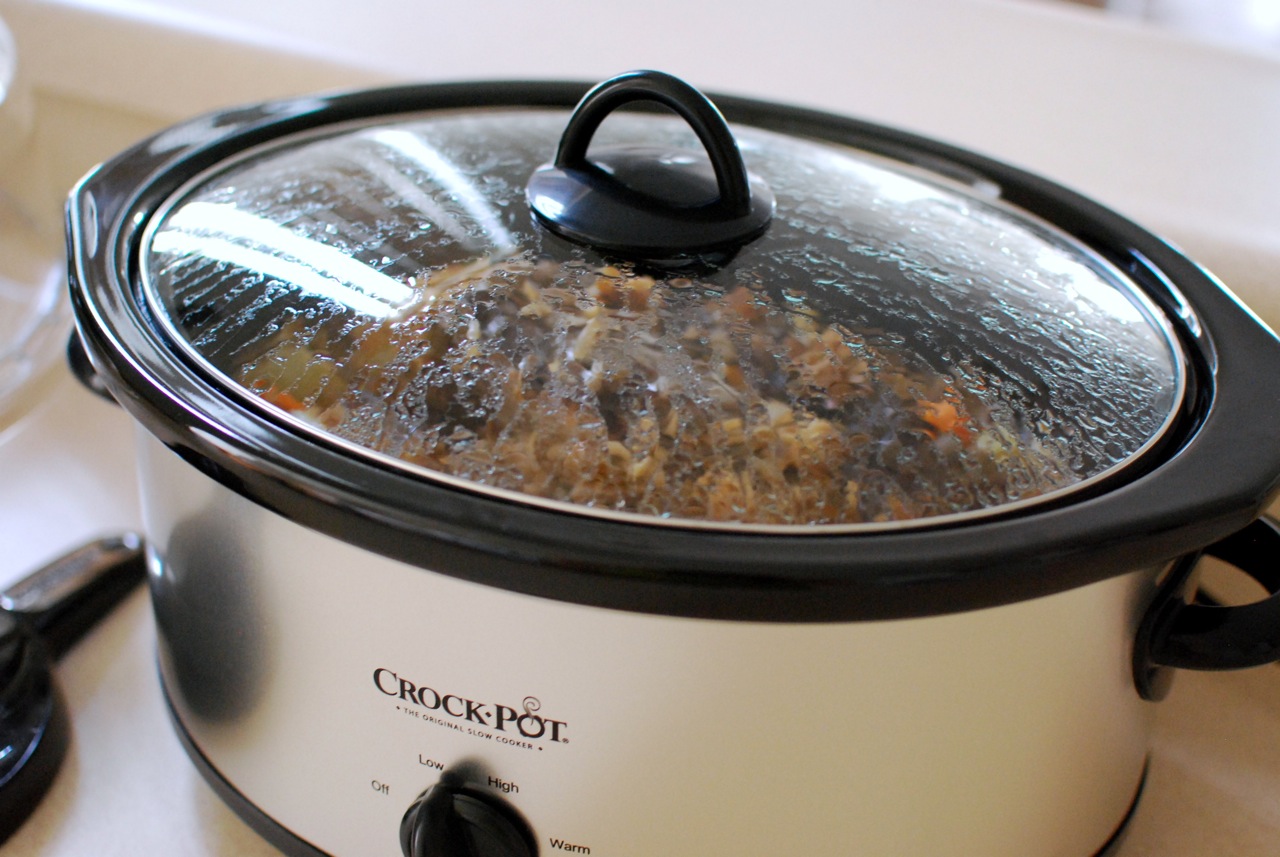
The USDA says to reheat leftover stuffing in an oven set to at least 325 F or in a microwave, not in a slow cooker. It should reach 165 F. The Clemson Home and Garden Information Center says the same about slow cookers in general: its slow cooker food safety factsheet states that reheating leftovers in a slow cooker is not recommended, and suggests heating food on the stovetop or in a microwave first, then moving it to a preheated slow cooker to keep it hot.
For either method, the target is the same 165 F in the center, measured with a food thermometer.
7. Putting Frozen Stuffing in a Slow Cooker
The USDA is firm here: never add frozen stuffing to a slow cooker. When stuffing is cooked in a slow cooker from the start, the page lists conditions. The stuffing must be very moist, the cooker no more than two-thirds full, and the lid tight. The cooker should start on high for at least 1 hour, then switch to low. If those conditions are not met, the USDA says to discard the stuffing.
The Clemson factsheet adds a related rule: meat or poultry should always be defrosted before it goes into a slow cooker.
A Dish With Many Names
Stuffing is an old idea. Wikipedia traces the earliest documentary evidence to De Re Coquinaria, a Roman cookbook attributed to Apicius, and lists the names the dish has carried: farce around 1390, stuffing in 1538, forcemeat in 1688 and dressing in 1850, a term the page says is used more in the United States. Whatever the name, the USDA’s rules apply to anything cooked inside a bird or prepared for it.
The seven mistakes in order are mixing ahead of time, cooling hot stuffing, stuffing a bird bound for the fryer, refrigerating raw stuffing, stuffing with leftovers, reheating in a slow cooker and putting frozen stuffing in one. The USDA’s 165 F target applies whether the stuffing is cooked in the bird or in a dish.
This article was produced with AI assistance and edited for accuracy against the sources linked above.
Image: U.S. Air Force photo by Senior Airman William A. O’Brien – Public domain/Wikimedia Commons