Most refrigerators fill up in the first few minutes after a grocery run, and anything that looks like it might spoil tends to get shoved onto a shelf. Four of the most common items in the bag, tomatoes, potatoes, onions and bananas, are on the list that extension specialists say should stay out.
University extension services in Oklahoma, Kansas, Georgia and Mississippi advise keeping bananas and, until ripe, tomatoes at room temperature, and keeping potatoes and onions in a cool, dark, ventilated spot such as a pantry. Their reasons come down to flavor and texture: cold air can dull a tomato, turn the starch in a potato to sugar and stall a banana.
Tomatoes Lose Flavor in the Cold
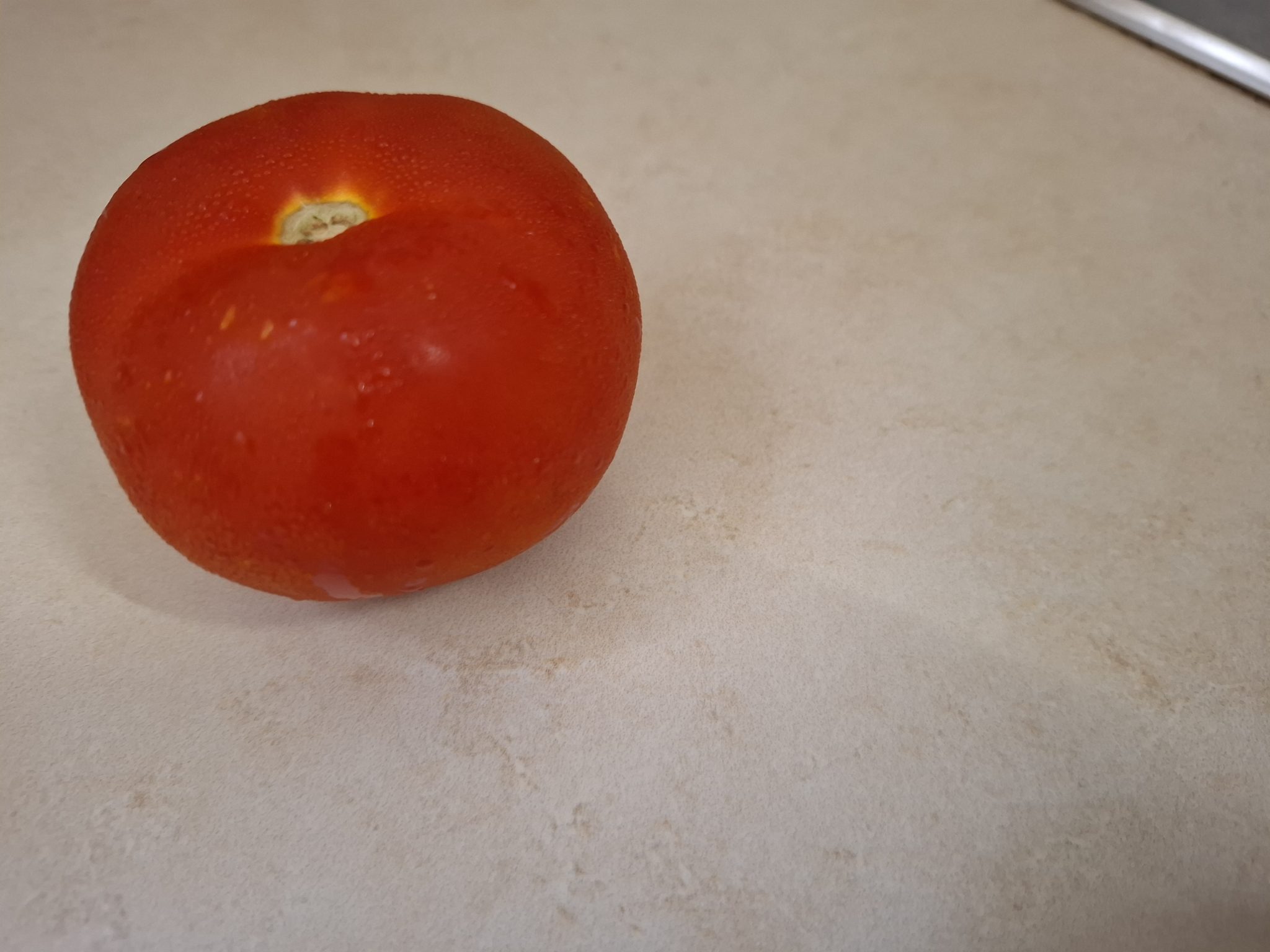
Oklahoma State University Extension’s page on storing fresh produce for best flavor lists tomatoes among the foods to keep at room temperature, away from direct sunlight. The page says refrigeration can cause cold damage or stop produce from ripening to good flavor and texture, and that tomatoes left in the refrigerator lose flavor and will not turn red. The page comes from the Oklahoma Gardening program, a fit for readers who like growing fall greens and herbs.
OSU Extension food specialist Barbara Brown made a similar point in a May 20, 2021, university news release, saying tomatoes should never be stored in the refrigerator until they are cut, because cold storage can greatly reduce their flavor. Kansas State University’s April 2015 fact sheet, written by Dr. Londa Nwadike, also lists tomatoes at room temperature.
The University of Georgia’s extension specialist Elizabeth Andress said much the same in a July 14, 1999, CAES Field Report, advising that tomatoes not be refrigerated until ripe. That article is old, but its advice matches the newer sheets. Tomatoes with splits or cracks should be used first, Andress said, because they spoil quickly. Small habits like these are the stuff of clever kitchen tricks for home cooks.
Potatoes and Onions Want a Dark Pantry
Oklahoma’s guidance puts garlic, onions, potatoes and sweet potatoes in a well-ventilated pantry. Kansas State’s sheet agrees, listing potatoes and dry onions in a well-ventilated area in the pantry. A Mississippi State University Extension storage sheet says dry-storage items such as these should not be refrigerated and describes a cool, dry, dark area with good air circulation at roughly 60 to 70 degrees Fahrenheit. That sheet carries no publication date on the page.
The potato reason is about taste. Brown said refrigeration causes potatoes to build up sugar, which makes them too sweet for many kitchen uses, and Andress said cold exposure turns potato starch into sugar.
Onions get the same advice. Andress said onions should be kept dry, cool and dark and separated so mold and mildew do not spread, and that sweet onions such as Vidalia can last weeks to months at room temperature under those conditions.
Counter space is limited, and this list of things that do not belong on a kitchen counter is a reminder to keep it for the foods that need it. Placement matters throughout the kitchen, as this list of things never to store under the kitchen sink shows. A basket in a cool cupboard works well for potatoes and onions, though the two are usually kept apart so each stays dry. Home cooks who preserve part of a harvest another way can see this guide to freezing fresh green beans.

Bananas Are Tropical and Act Like It
Bananas are the one tropical fruit on the list. OSU’s page lists them for the counter, and Brown said that as a tropical fruit they can suffer cold damage in the refrigerator, especially when unripe, and that their flavor will not fully develop. The Mississippi State sheet places bananas on the counter at about 60 to 70 degrees and says they should not be refrigerated.
Kansas State’s fact sheet also lists bananas at room temperature. Mississippi State’s sheet adds that many fruits give off ethylene gas, which speeds ripening and can make most vegetables and some fruits spoil faster, so ethylene-producing fruits should be kept away from sensitive produce.
When the Fridge Is Fine After All
The rule is not absolute, and the sources say so. Andress said surplus ripe tomatoes can be refrigerated to last a bit longer. For bananas, she said extras can be refrigerated and used in cakes and breads. The rule is mostly about flavor: cold is the problem for a tomato that has not ripened yet.
OSU’s page adds a few more details. Cucumbers, eggplant and peppers belong at room temperature but can be refrigerated for 1 to 3 days if they will be used soon. Avocados, kiwi, peaches, pears and plums should ripen on the counter first, in a paper bag or ripening bowl away from sunlight, and then go into the refrigerator for 1 to 3 days. Cut, peeled or cooked produce should be refrigerated within 2 hours, which is a food-safety point rather than a flavor one.
A Short Counter-and-Pantry Rule
Put together, the university advice fits on a note taped inside a cupboard. Tomatoes and bananas stay on the counter, away from direct sun, and are refrigerated only if there is a surplus of ripe fruit. Potatoes and onions go in a cool, dry, dark, airy spot, and stay out of the refrigerator. Fruit that gives off ethylene should sit apart from sensitive produce.
The sheets differ in age, from a 1999 field report to a 2021 news release, and the Oklahoma page and Mississippi sheet are undated. Their advice stays consistent anyway, which is how the headline claim holds: for these four foods, extension experts say the counter or pantry beats the cold shelf.
This article was produced with AI assistance and edited for accuracy against the sources linked above.
Image: Lukas Budimaier – CC0/Wikimedia Commons