Two familiar American sauces are at the center of a food safety controversy overseas. Taiwan’s food safety authorities flagged shipments of A.1. Steak Sauce and Tabasco Habanero Sauce after inspectors detected traces of ethylene oxide, a chemical classified as carcinogenic to humans.
The findings appeared in separate inspection announcements in 2024, raising questions about the ingredients used in popular condiments and the different food safety standards countries follow. The affected shipments included more than 244 kilograms of sauce combined, and both were rejected under Taiwan’s food residue requirements.
But what exactly did inspectors find, why is this chemical attracting attention, and should American shoppers be concerned about the sauces they buy at their local grocery stores? Here’s what happened.
A.1. Steak Sauce Was the First to Fail Inspection
The first incident involved A.1. Steak Sauce, a familiar name for people who enjoy adding a tangy kick to steaks, burgers, and marinades.
On June 11, 2024, Taiwan’s Food and Drug Administration (TFDA) published an inspection notice identifying a shipment of the sauce that failed its food safety requirements. The shipment weighed 122.47 kilograms and contained 36 cases.
Inspectors reported ethylene oxide-related residue measuring 0.3 milligrams per kilogram, equivalent to 0.3 parts per million.
The official record identified INTERNATIONAL GOURMET SPECIALTIES LLC as the manufacturer or overseas responsible company. Although A.1. is a Kraft Heinz brand, the inspection document does not independently establish that Kraft Heinz manufactured this particular shipment.
Taiwanese authorities classified the shipment as noncompliant with the country’s pesticide residue standards. The affected products were subject to return shipment or destruction.
The discovery also attracted attention because Taiwan increased scrutiny of certain imported American sauces following several border inspection failures.
Tabasco Habanero Sauce Was Flagged Months Later
A second familiar condiment encountered a similar problem later that year.
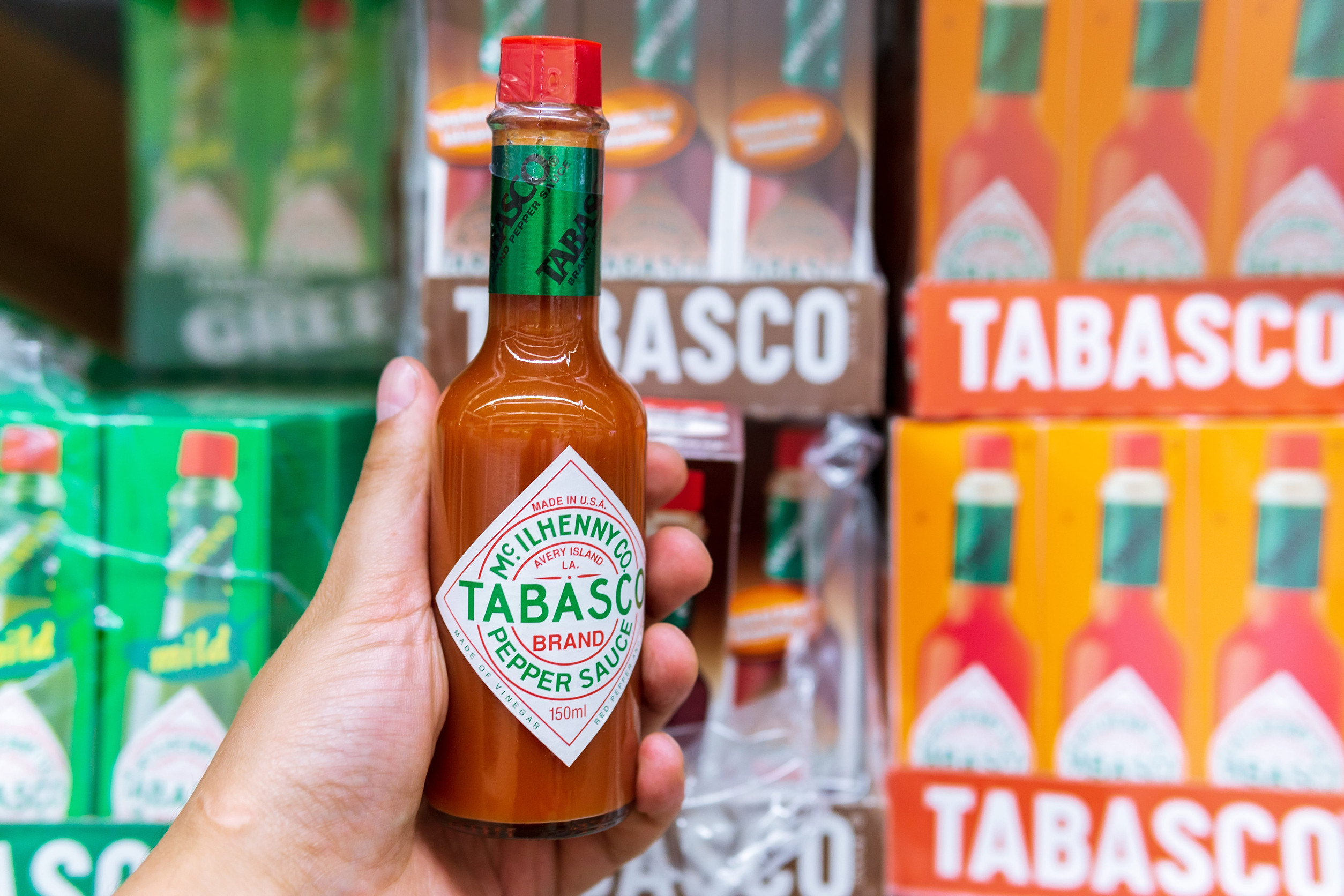
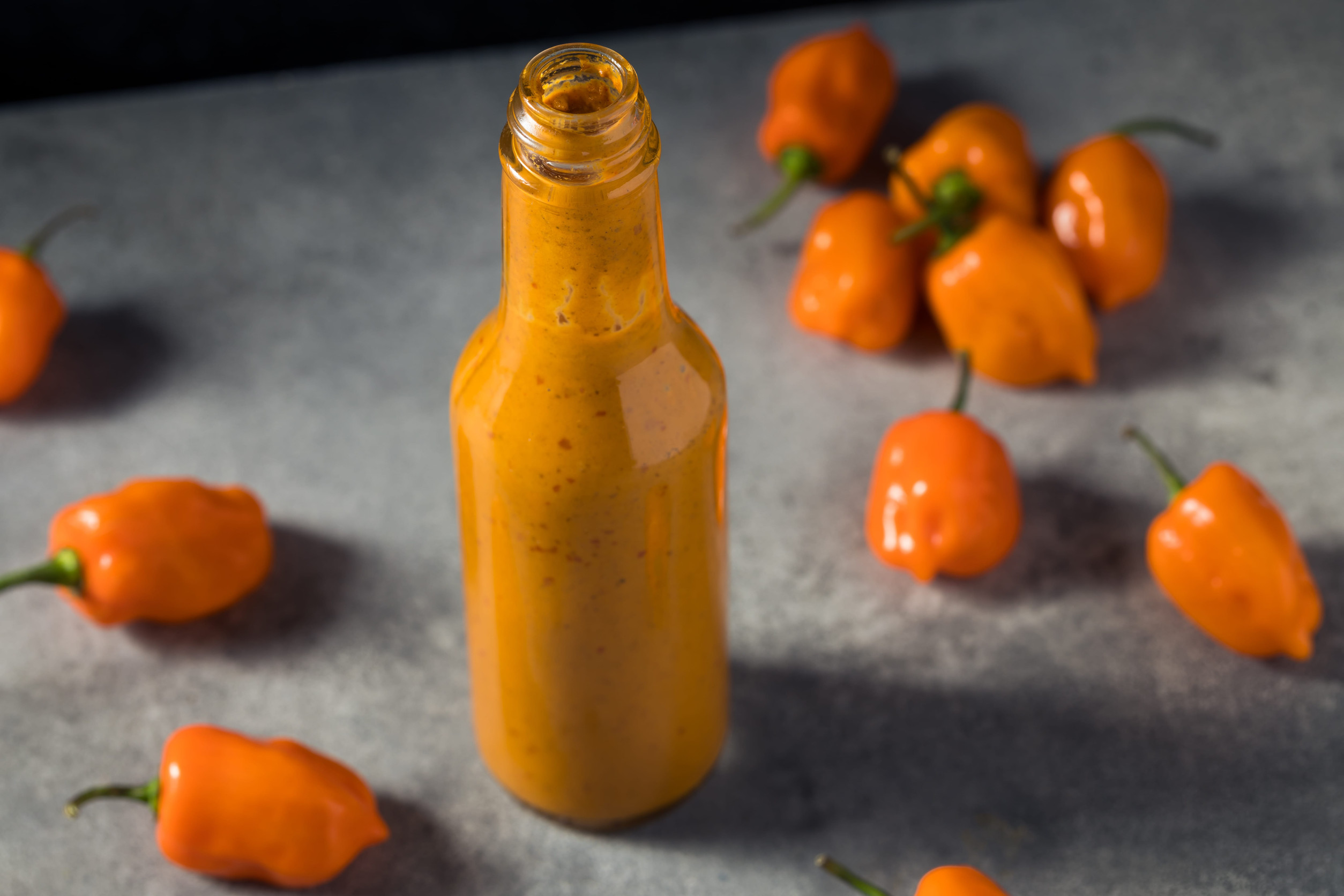
On November 5, 2024, Taiwan’s food safety authority published another inspection failure involving Tabasco Habanero Sauce imported from the United States.
This shipment weighed 122 kilograms and contained 30 cases. Inspectors reported ethylene oxide-related residue measuring 0.1 milligrams per kilogram.
The official inspection record listed McIlhenny Company in the manufacturer or overseas responsible company field and TABASCO as the brand.
The shipment was also declared noncompliant with Taiwan’s food safety requirements and faced return shipment or destruction.
The two incidents involved different shipments, but both raised the same concern: chemical residues in imported condiments that Taiwan’s regulations require to remain undetected.
What Is Ethylene Oxide, and Why Is It Used in Food Production?

Ethylene oxide, often called EtO, is a reactive chemical that exists as a gas at ordinary room temperatures. It has several industrial uses, including sterilizing medical equipment and treating certain agricultural products.
In food production, it has been used to control harmful microorganisms in dried spices and other ingredients.
Why would manufacturers need it? Dried spices can carry bacteria such as Salmonella and E. coli. Some traditional heat treatments can affect ingredient quality, making alternative sterilization methods useful.
Ethylene oxide can help control these microorganisms without exposing certain products to high temperatures.
However, the chemical can also leave residues behind. These residues may enter finished foods when treated spices or other agricultural ingredients are used to prepare sauces, seasonings, and packaged products.
This is one possible explanation for how ethylene oxide-related residues could appear in condiments. However, Taiwan’s inspection records do not identify the specific ingredient or supplier responsible for either A.1. or Tabasco’s failed shipment.
No confirmed evidence shows that either company directly treated the finished sauces with ethylene oxide.
Why Is the Chemical Considered a Health Concern?
Ethylene oxide has attracted considerable scientific attention because the International Agency for Research on Cancer (IARC) classifies it as Group 1, meaning carcinogenic to humans.
The classification dates back to 1994 and is supported by research involving occupational exposure, animal studies, and evidence that the chemical can damage genetic material.
Studies involving workers exposed to ethylene oxide have examined associations with certain cancers, including lymphatic and blood-related cancers and breast cancer.
However, an important distinction exists between identifying a chemical as a cancer hazard and determining the actual risk from a particular exposure.
The IARC classification does not mean that eating a serving of sauce containing a measured residue will cause cancer. Assessing the risk from food requires information about the substances present, their concentrations, how much someone consumes, and how frequently they consume them.
The Taiwanese findings establish that the shipments failed the country’s residue requirements. They do not establish that consumers became ill or suffered health problems after eating the products.
Taiwan and the United States Have Different Food Safety Rules
Another interesting part of these incidents is that Taiwan and the United States approach certain ethylene oxide residues differently.
Taiwan generally requires pesticides that are not listed in its applicable food residue standards to remain undetected.
Its inspection method also measures ethylene oxide together with a reaction product called 2-chloroethanol. The combined result is expressed as ethylene oxide, meaning the published figures do not necessarily represent unchanged ethylene oxide gas alone.
The United States has specific residue tolerances for certain agricultural commodities under federal regulation 40 CFR 180.151.
For example, the regulation establishes a 7-parts-per-million tolerance for certain dried herbs and spices, excluding basil, along with some other commodities.
However, this does not mean that every American sauce is automatically allowed to contain 7 parts per million. Prepared sauces are not specifically listed in that tolerance table. Certain residues may be permitted in processed foods under conditional ingredient carry-through provisions, but several requirements must be satisfied.
As a result, a product failing Taiwan’s inspection requirements does not automatically mean the same product violates American law.
Another Heinz Condiment Was Flagged in 2025
The A.1. and Tabasco incidents were not the end of the story.
On September 2, 2025, Taiwan published another inspection failure involving Heinz Yellow Mustard Upside Down Bottle.
This shipment weighed 43.39 kilograms and contained 192 bottles. Inspectors reported an ethylene oxide-related residue result of 1.7 milligrams per kilogram.
This time, the official inspection record specifically named KRAFT HEINZ FOOD CO. in its manufacturer or overseas responsible company field.
The incident provided another example of Taiwanese authorities enforcing their chemical residue requirements against imported American condiments.
Are These Sauces Still Available in American Stores?
Yes. Public American retail listings continue to feature A.1. Original Steak Sauce and Tabasco Habanero Sauce.
However, their continued availability does not establish that the products currently sold in American stores came from the rejected Taiwanese shipments.
The research also did not identify a U.S. recall or warning specifically connected to these two consignments. No documented consumer illness linked to the shipments was located either.
Similarly, no publicly available, shipment-specific response from Kraft Heinz or McIlhenny was identified in the research.
That distinction is important. Taiwan’s findings concerned specific imported shipments, not a permanent ban on every product sold under either brand.
For shoppers, the takeaway is that food safety standards can vary significantly between countries. A product accepted in one market may face stricter requirements in another, particularly when chemical residues are involved. The findings deserve attention, but they are not proof that every bottle of A.1. or Tabasco sold in the United States is unsafe.