For many families, a trip to the grocery store has become another exercise in deciding what can wait until the next paycheck. Rent is due, gas needs to be paid for, and the grocery budget seems to disappear faster than ever. For some Colorado residents, the pressure has become so difficult that turning to a food pantry is no longer a last resort. It is part of getting through the week.
That growing need is putting enormous pressure on Food Bank of the Rockies, which now distributes enough food for nearly 200,000 meals every day across its service area in Colorado and Wyoming. The organization says the need for food assistance in the region is at its highest level in 12 years, highlighting the financial challenges facing households that are struggling to keep food on the table.
And the people seeking help do not all fit the picture many might have of someone visiting a food bank. Some are older adults living on fixed incomes. Others have jobs but cannot stretch their earnings far enough to cover basic expenses.
Nearly 200,000 Meals a Day Shows How Much Help Is Needed
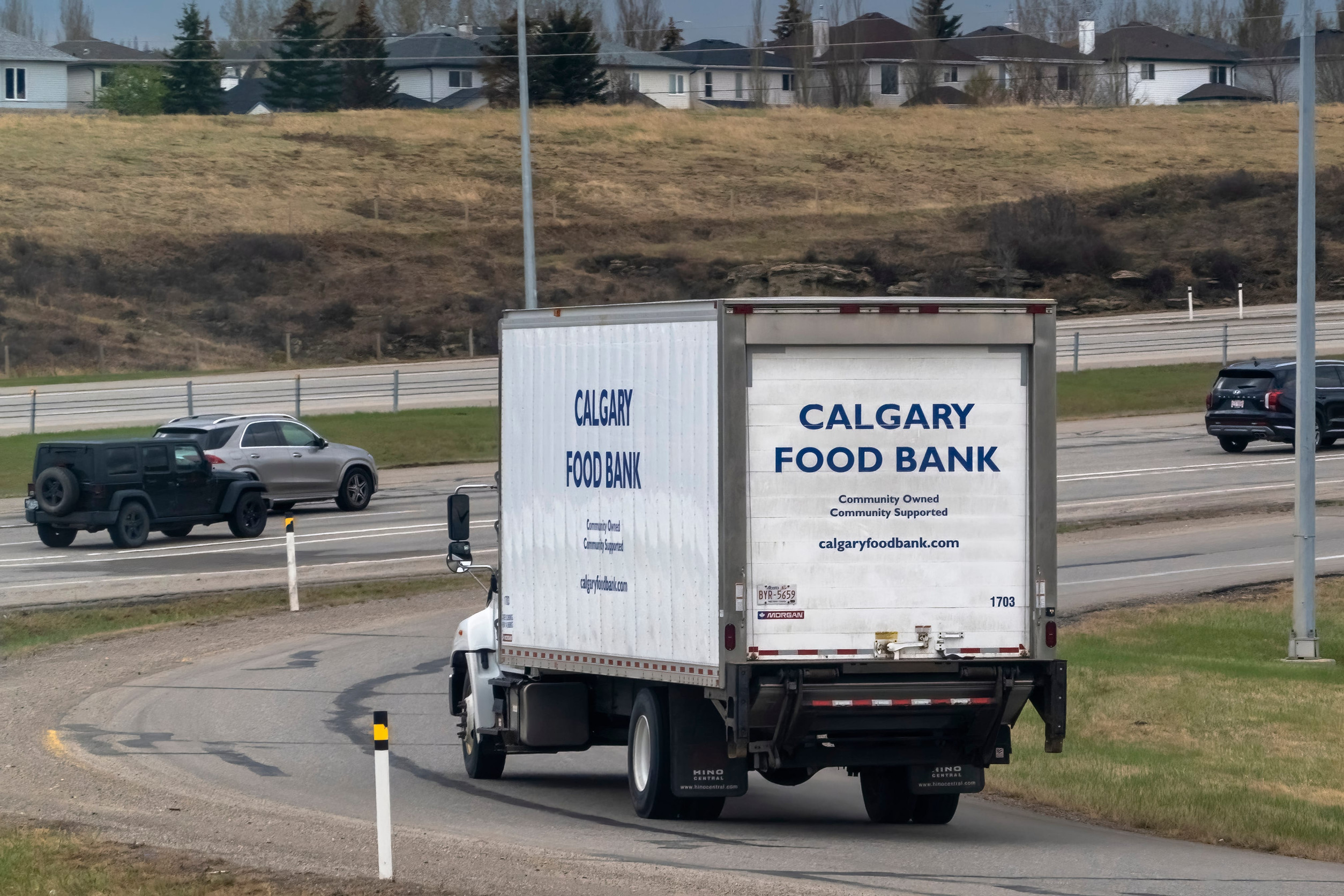
Food Bank of the Rockies announced on October 28 that it was distributing enough food for nearly 200,000 meals daily. That amounts to almost 73 million meals over the latest fiscal year.
The figure is an average of food distributed in meal equivalents. It does not mean the organization prepares 200,000 hot meals every day or serves 200,000 different people daily.
Its fiscal 2025 annual report provides a closer look at the scale of its work. The organization distributed 85.4 million pounds of food, equivalent to approximately 71.2 million meals. That worked out to an average of 195,034 meal equivalents per day.
During that fiscal year, it reported serving 383,079 neighbors, with children accounting for 21% of those served.
The organization also works with more than 700 hunger-relief partners, helping food reach communities across its service area.
It is an enormous operation, but the growing need suggests that even these efforts are being stretched.
A 17% Increase at Mobile Pantries Adds to the Pressure
The daily distribution figure is only part of the story. Food Bank of the Rockies president and CEO Erin Pulling told The Colorado Sun on November 7 that the organization was seeing a 17% year-over-year increase in need at its mobile pantry distributions.
That distinction matters because the increase specifically relates to mobile pantry distributions, rather than necessarily representing a 17% increase across every program or every person served by the organization.
Mobile pantries bring groceries directly into communities, making assistance more accessible to people who may struggle to reach traditional food distribution locations.
Pulling has pointed to affordability as a major concern among the people seeking help.
“We’re hearing a lot from neighbors who we serve about the lack of affordability,” she said.
Housing, groceries, and transportation expenses are competing for the same household dollars. When one expense rises, something else often has to give.
Food Bank of the Rockies has also identified reductions in Supplemental Nutrition Assistance Program (SNAP) support as a major factor behind the recent increase in demand.
However, the challenges are not identical for every household. Some people experience unexpected medical or family emergencies that reduce their ability to earn money, making food assistance especially important.
An 81-Year-Old Woman Is Making Her Grocery Budget Stretch

One of the clearest examples of the pressure comes from Elsie Clinkscale, an 81-year-old Denver resident interviewed by 9NEWS in November.
Clinkscale is retired and relies on Social Security. She visits a Food Bank of the Rockies drive-through distribution in Commerce City every other Friday.
She told the station that her rent had increased by $100 per month that year. For someone living on a fixed income, an additional housing expense can make an already tight grocery budget even harder to manage.
She has learned to save basic pantry staples such as beans and rice for the times when money runs short.
“Every time you go in the store, stuff goes up,” she said.
Her experience illustrates why food assistance matters beyond simply providing groceries. It can give people some breathing room when their regular income cannot keep up with everyday expenses.
And older adults are not the only ones facing this challenge.
Having a Job Does Not Always Mean Having Enough Money for Food
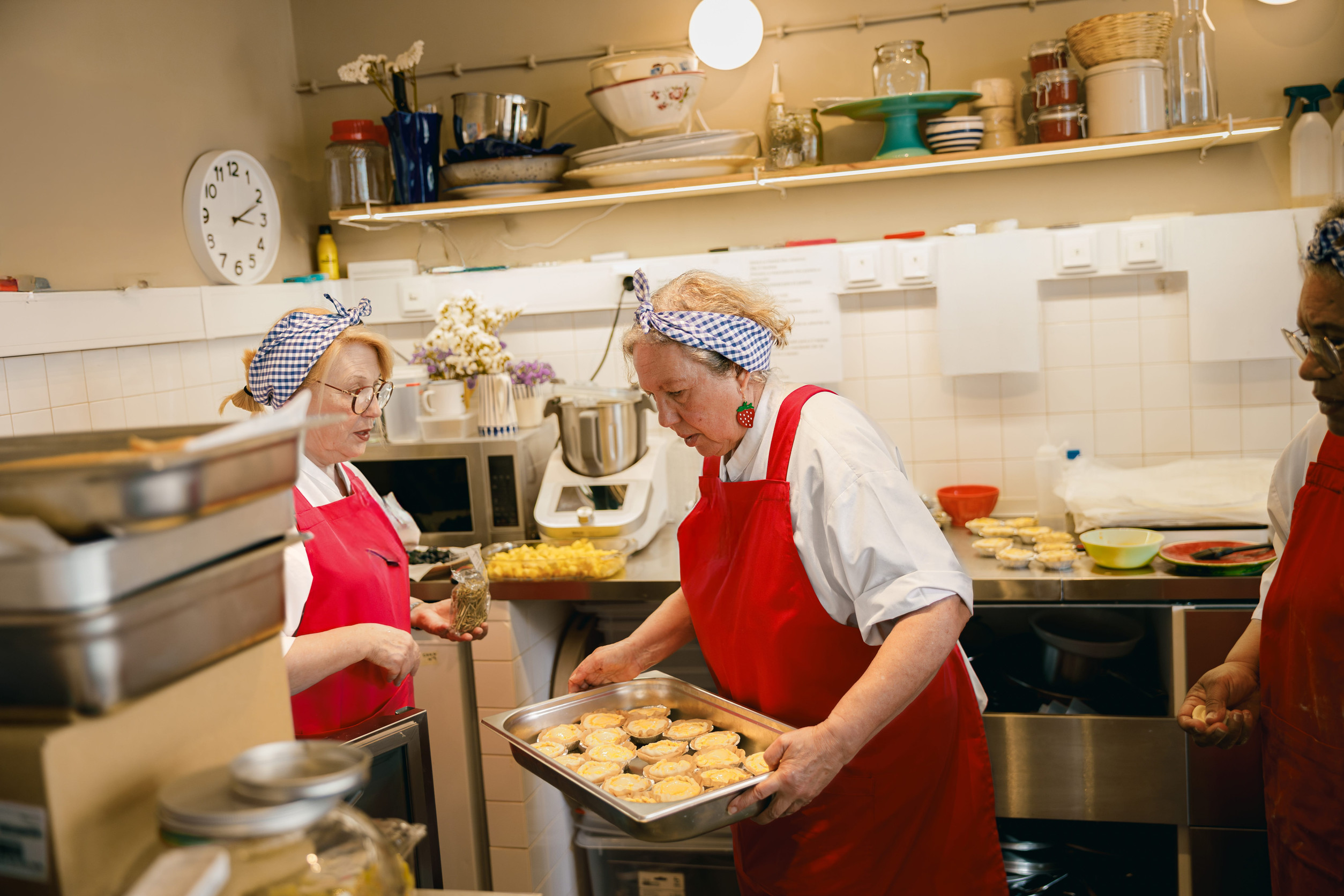
Another story in Food Bank of the Rockies’ annual report involves a Lakewood resident identified as Isabel.
She works as a pastry chef, but her partner is unable to work. With the household relying on a single income, keeping up with everyday expenses has become difficult.
She recently started using a mobile pantry to help meet her household’s food needs.
“Having a single income is really hard and having food really, really makes a difference,” she said.
Her experience challenges the assumption that food pantry assistance is only for people who are unemployed.
A person can have a job and still struggle to afford groceries, especially when supporting another household member on one income.
Food assistance can help bridge that gap without requiring families to choose between every basic expense.
Food Rescue and Volunteers Help Keep the Food Moving
Meeting this level of demand requires more than collecting donated groceries and handing them out.
Food Bank of the Rockies relies on a combination of food rescue, retail donations, agricultural partnerships, purchased food, and government food supplies.
Its fiscal 2025 annual report found that 57% of the food it distributed came through its Food Rescue program.
That program helps recover usable food that might otherwise go to waste. Examples include produce with cosmetic imperfections, products with torn labels, and other commercially unsuitable items that are still usable.
The organization also depends heavily on volunteers. During fiscal 2025, volunteers contributed 142,106 hours to its work.
Its expanded Aurora warehouse is another important part of the response. The 270,000-square-foot facility had opened by October 2026, providing additional space to handle and store food.
The planned expansion included triple the previous cold-storage capacity and greater kitchen capacity for preparing children’s meals.
These improvements can help the organization receive, store, and distribute more food, particularly perishable donations.
The Need Goes Beyond One Food Bank
The challenges facing Food Bank of the Rockies reflect a wider concern about food affordability.
According to the U.S. Department of Agriculture, 47.9 million people lived in food-insecure households across the country in 2024. That represented 13.7% of U.S. households, or approximately 18.3 million households.
Colorado is also seeing concerning signs. The Colorado Health Institute reported in October 2026 that the share of survey respondents who said they ate less than they should because they could not afford food increased from 10.5% in 2025 to 17.8% in its 2026 follow-up survey.
These figures come from different measurement methods and should not be treated as directly interchangeable. Still, they offer important context for understanding why food assistance organizations are facing mounting pressure.
Food Bank of the Rockies cannot solve every household’s financial challenges. But its work shows how much community support matters when families struggle to afford something as basic as groceries.
For the people visiting its mobile pantries, the food they receive can mean one less difficult decision at the end of the month. And with nearly 200,000 meal equivalents being distributed daily, the need for that support is difficult to overlook.