When was the last time you checked the expiration dates on the condiments in your refrigerator?
There’s probably a half-empty bottle of salad dressing hiding behind the milk, a jar of salsa from last month’s taco night, or a container of mayonnaise that’s been sitting on the door for longer than you can remember.
Most of us don’t think much about these products. After all, ketchup, mustard, and other condiments seem to last forever.
But here’s the catch: not every sauce or spread stays safe or fresh indefinitely.
According to the U.S. Food and Drug Administration, printed best-by dates generally indicate when a product will have its best quality, not necessarily when it becomes unsafe.
Some products can last months in the refrigerator. Others may need to be discarded after just a few days.
Here are seven condiments worth checking today, especially if you can’t remember when you opened them.
Mayonnaise That’s Been Open for Months
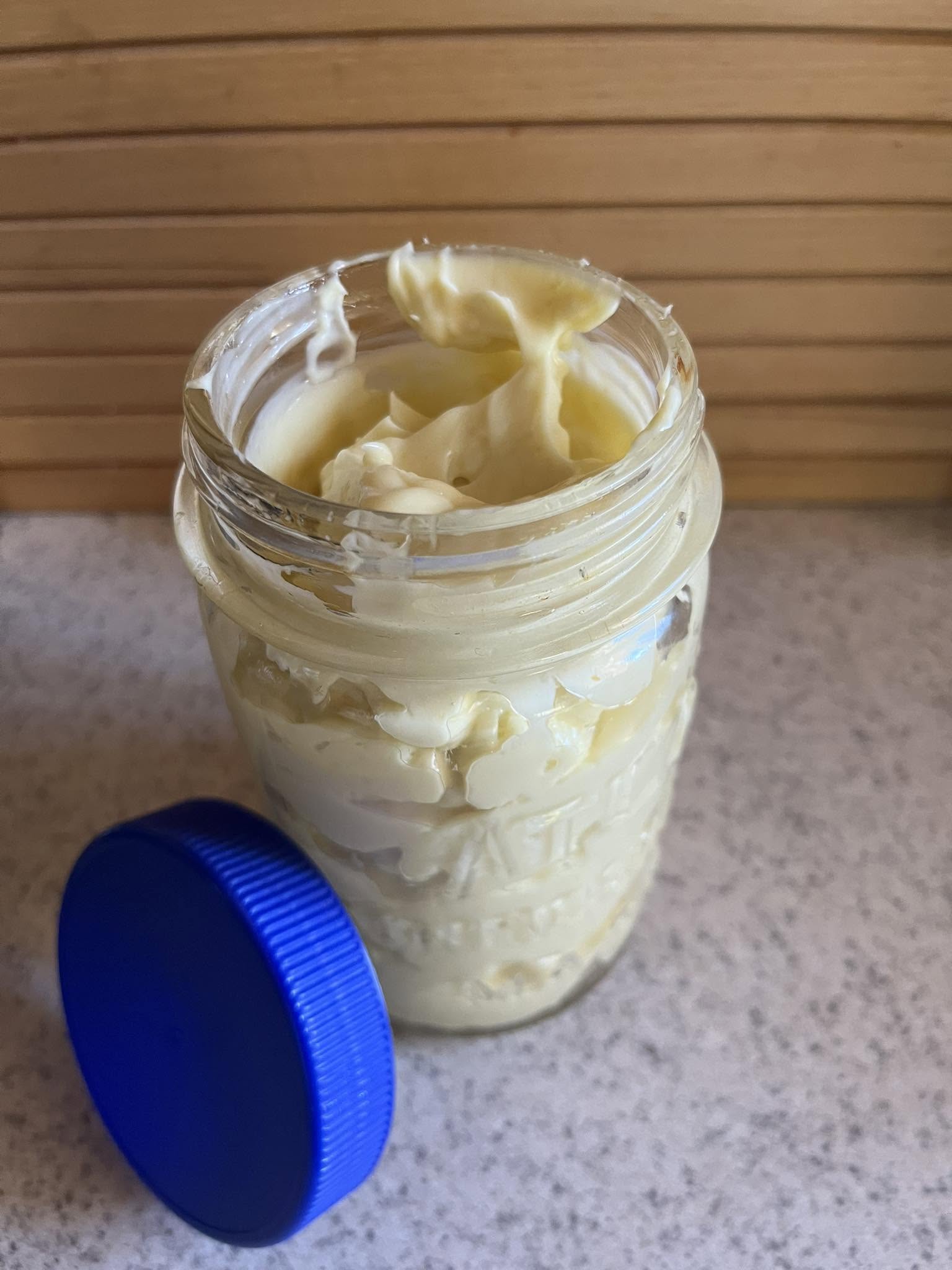
That jar of mayonnaise sitting in your refrigerator might look perfectly normal, but how long has it been there?
Commercially prepared mayonnaise is generally more stable than many people realize because manufacturers use ingredients and processing methods designed to maintain its quality.
However, opening the jar introduces new opportunities for contamination.
Every time someone dips a knife or spoon into the container, they risk introducing crumbs, moisture, or other food particles.
Opened mayonnaise generally has a recommended refrigerated storage period of one to two months.
That doesn’t mean it automatically becomes dangerous the following day.
However, a jar that’s been open for several months deserves a closer look.
If you notice mold, an unusual odor, or changes in texture, throw it out.
Also, avoid leaving opened mayonnaise out of the fridge for long periods.
Creamy Salad Dressing With an Unknown Opening Date
Ranch, blue cheese, and creamy Caesar dressings can make an ordinary salad considerably more appealing.
Unfortunately, they don’t have unlimited shelf lives in the refrigerator.
Many creamy dressings contain ingredients that require careful handling after opening.
Commercial formulations vary, but dairy ingredients, oils, and seasonings can influence their storage requirements.
Consumer Reports, citing USDA FoodKeeper guidance, lists approximately three months as a general refrigerated storage period for opened salad dressings.
However, individual products may have shorter manufacturer recommendations.
If your bottle has been sitting in the refrigerator since an earlier season, check the label.
Watch for mold, unusual smells, or significant texture changes.
Some oil separation is normal in certain dressings, so separation alone doesn’t always indicate spoilage.
But a creamy dressing that has developed an unfamiliar odor or appearance isn’t worth the risk.
Salsa Left Over From Taco Night
Salsa has a way of disappearing into the back of the refrigerator.
You open a jar for tacos, use half, and promise yourself you’ll finish the rest later.
Several weeks pass.
By the time you rediscover it, the salsa may have been open much longer than recommended.
Commercially prepared salsa generally has a recommended refrigerated shelf life of about one month after opening.
Fresh refrigerated salsa may have a much shorter shelf life.
That’s because different products contain different amounts of acid, preservatives, and moisture.
Homemade salsa also requires more caution than widely commercially processed varieties.
If you notice mold, bubbling that wasn’t there before, an unusual odor, or unexpected texture changes, discard the salsa.
And don’t taste a suspicious jar to determine whether it’s still safe.
Homemade Garlic Oil That’s Been Sitting Around
Garlic-infused oil sounds like a wonderful kitchen staple.
It’s delicious drizzled over bread, added to pasta, or used in marinades.
But homemade garlic oil requires particularly careful storage.
Garlic and other fresh ingredients can introduce moisture and microorganisms into oil.
Under certain conditions, homemade garlic-in-oil mixtures can support the growth of bacteria responsible for botulism.
Refrigerate homemade garlic-in-oil mixtures at 40°F or below and use them within four days.
For longer storage, freezing is recommended.
This risk is especially important because botulinum toxin cannot reliably be detected by smell or appearance.
Commercially manufactured garlic oils may use controlled processing or acidification methods that change their storage requirements.
But if you’ve made garlic oil at home and left it in the refrigerator for more than four days, discard it.
Pesto That’s Been Open Too Long
Pesto can transform ordinary pasta into an impressive dinner.
With ingredients such as basil, garlic, oil, nuts, and cheese, it delivers plenty of flavor in a small amount.
Unfortunately, opened pesto doesn’t necessarily last as long as its sealed packaging might suggest.
Iowa State University Extension lists approximately three days as a recommended refrigerated storage period for pesto after opening.
However, commercial products vary, and some manufacturers specify longer periods depending on their formulations.
The most important thing is following the instructions printed on your particular container.
Fresh pesto prepared at home generally requires especially careful handling.
If you’re unlikely to finish a jar quickly, consider freezing individual portions.
An ice cube tray can make it easier to store small amounts for future recipes.
Remember, freezing doesn’t make an already spoiled product safe.
Sour Cream-Based Dips Past Their Storage Time
Sour cream dips are popular for parties, game nights, and casual snacking.
Whether you’re serving onion dip, ranch dip, or a homemade mixture with herbs and spices, it’s easy to prepare more than you need.
But don’t treat dairy-based dips like shelf-stable condiments.
Once opened or prepared, they need proper refrigeration and should be consumed within a reasonable timeframe.
Homemade dips containing sour cream can also become contaminated when people repeatedly dip chips or vegetables directly into a shared bowl.
For food safety, serve smaller portions and refrigerate the remaining dip promptly.
The USDA recommends discarding perishable foods that remain at room temperature for more than two hours, or one hour when temperatures exceed 90°F.
If your sour cream dip has been sitting out all afternoon, saving it for tomorrow may not be worth the risk.
Opened Tartar Sauce That’s Been Forgotten
Tartar sauce often gets purchased for one specific meal.
Maybe you prepared fried fish, shrimp, or homemade fish sandwiches.
Afterward, the container went back into the refrigerator and disappeared behind several other bottles.
Because tartar sauce is commonly made with mayonnaise and additional ingredients, its storage requirements deserve attention.
The exact shelf life depends on whether it’s commercially manufactured or homemade.
For products that require refrigeration, follow the manufacturer’s instructions after opening.
FoodSafety.gov also identifies opened tartar sauce as a product requiring caution after prolonged exposure to warm temperatures.
Opened mayonnaise, tartar sauce, and horseradish should be discarded if held above 50°F for more than eight hours.
That’s particularly relevant during power outages or when food has been left outside the refrigerator.
If a bottle is visibly spoiled, improperly stored, or well beyond its recommended opened storage period, replacing it is a sensible decision.
Does an Expired Date Always Mean a Condiment Is Unsafe?
Here’s where food safety becomes more complicated.
A printed date doesn’t necessarily mean a product must go straight into the trash when the calendar changes.
The FDA explains that most dates on packaged foods are intended to communicate quality rather than an exact safety deadline.
This is especially relevant for shelf-stable condiments.
For example, ketchup, mustard, and certain vinegar-based sauces may retain acceptable quality beyond their printed dates when stored correctly.
The USDA FoodKeeper recommendations cited by Consumer Reports suggest that opened, refrigerated ketchup can maintain quality for approximately six months, while mustard may last about a year.
However, these are general storage guidelines, not guarantees.
A contaminated or improperly stored condiment can become unsafe sooner.
The key is understanding the difference between a date printed on an unopened bottle and the recommended storage period after opening.
The Simple Refrigerator Habit That Can Prevent Waste
One of the easiest ways to keep track of condiments requires nothing more than a marker.
When you open a new container, write the opening date on the label.
Iowa State University Extension recommends this habit because condiments are often forgotten in refrigerator doors and drawers.
You can also arrange containers so older products sit toward the front.
Before buying another bottle, check whether you already have one open.
And when shopping, consider smaller containers for products you use infrequently.
A giant jar might offer a lower unit price, but that saving disappears if half the contents spoil before you finish them.