A bowl of lentil soup, raspberries stirred into oatmeal, and broccoli roasted until its edges are crisp have something in common. They’re all easy ways to add fiber to meals you already enjoy. If you’re trying to lose weight, that gives you a practical place to start at the grocery store.
In a 12-month randomized trial of 240 adults with metabolic syndrome, participants who followed a diet focused on increasing fiber lost about 4.6 pounds on average. Those who followed a broader set of American Heart Association dietary guidelines lost about 6 pounds. Both groups received counseling, and individual results varied. Think of fiber as one part of your eating pattern, and start with foods you’d happily eat again next week. PubMed
The portions below are examples to help you compare foods. Fiber estimates come from the University of Kentucky’s fiber guide. Human Resources
Lentils make soup feel like lunch.
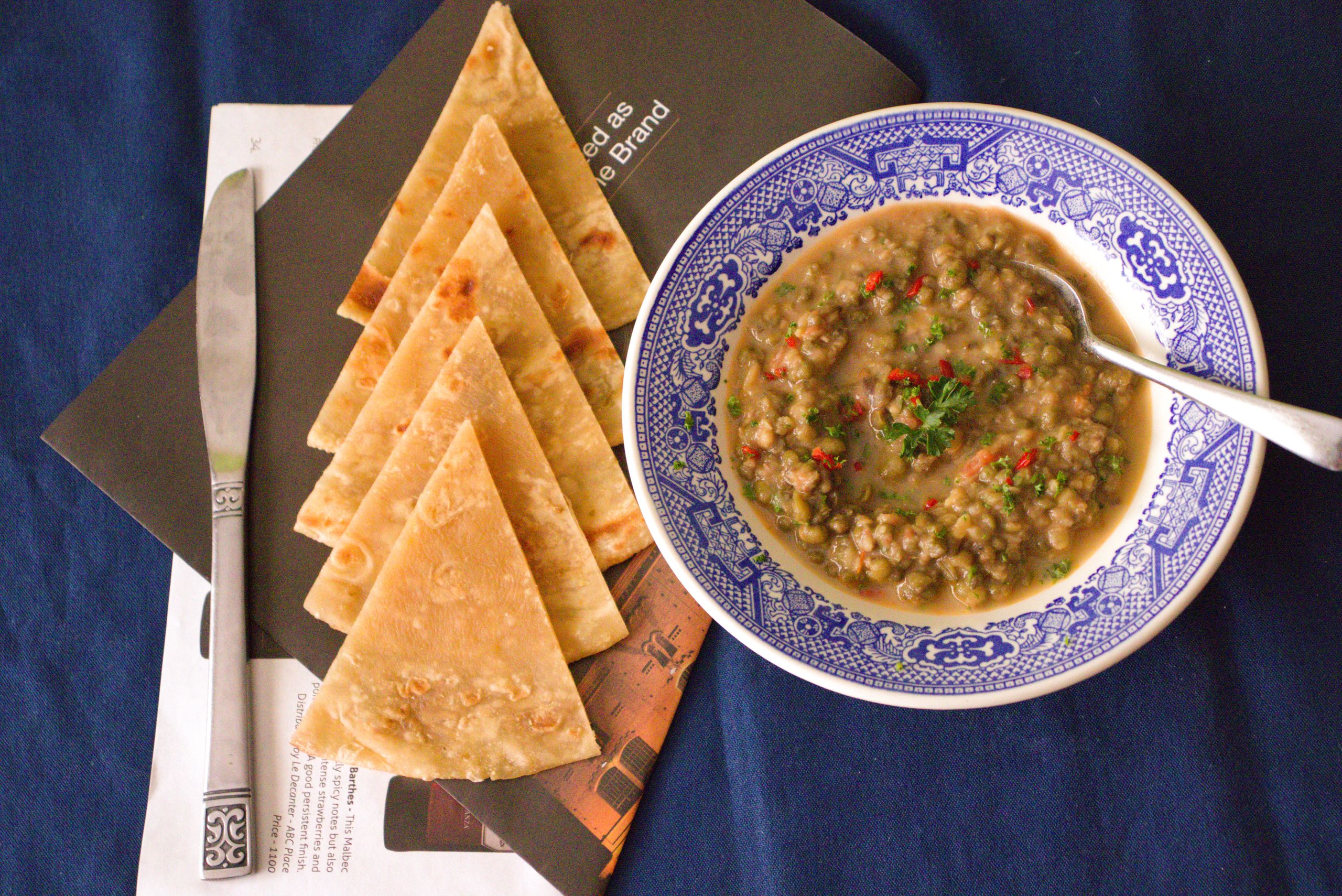
Fiber: About 8 grams per ½ cup cooked.
Stir lentils into tomato soup with a handful of spinach and a squeeze of lemon. If soup is already in your lunch rotation, this is an easy change to make without learning a new recipe. For dinner, stir cooked lentils into marinara and spoon the sauce over pasta. Start with a few spoonfuls if you’re new to the texture.
Related: 9 Protein Mistakes That Quietly Slow Weight Loss
Black beans turn leftovers into a meal.
Fiber: About 7.5 grams per ½ cup cooked.
A can of black beans can turn leftover rice and a few odds and ends from the fridge into lunch. Drain the beans, warm them with cumin, and pile them into a bowl with rice, salsa, and shredded cabbage. For taco night, mash some of the beans with a fork and spread them on the tortillas before adding your usual fillings.
Chickpeas work in lunches you can pack
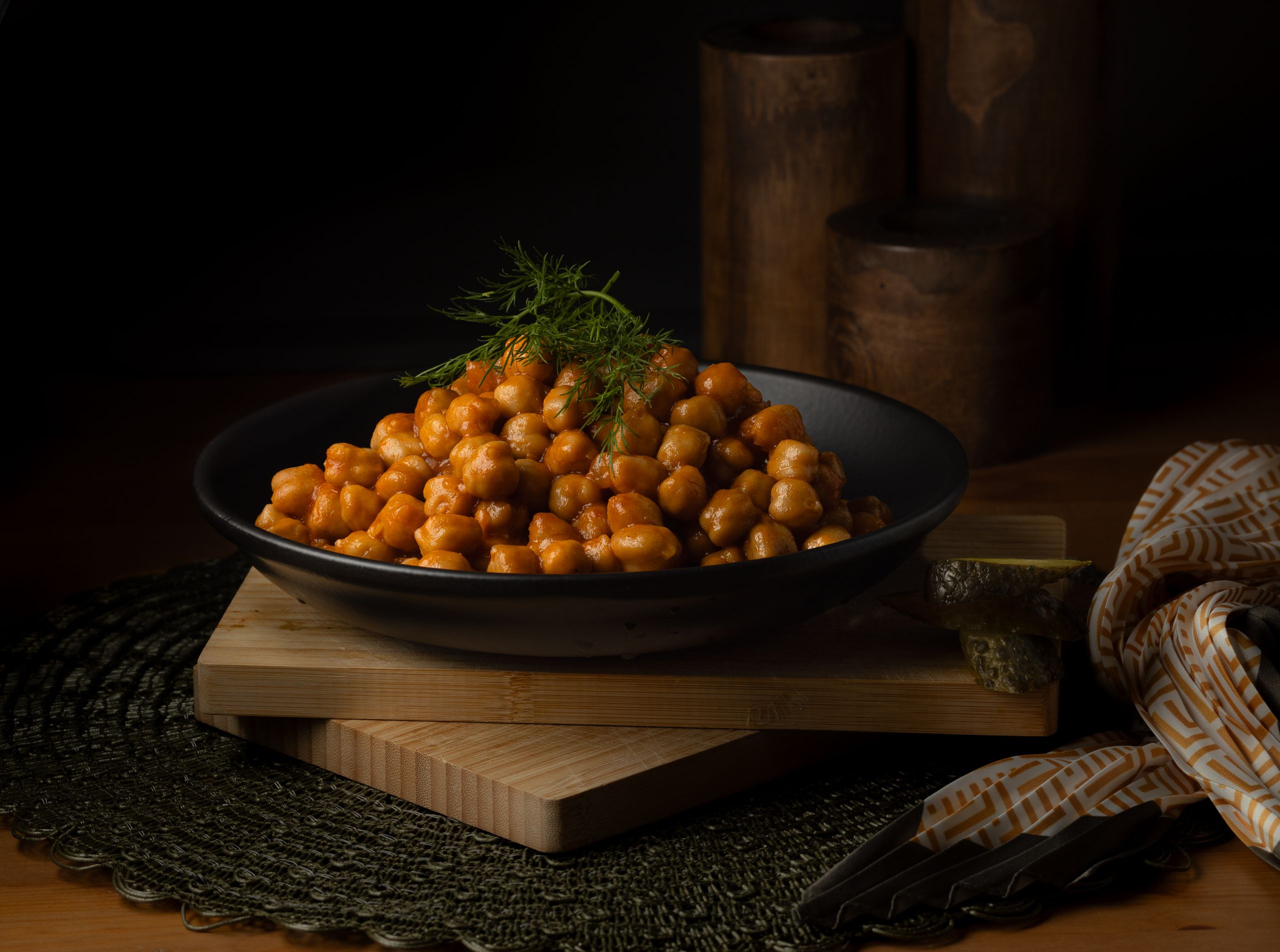
Fiber: About 6 grams per ½ cup cooked.
Toss chickpeas with chopped cucumber, cherry tomatoes, and a lemon vinaigrette for a cold lunch. Add parsley or dill if you have some, and pack pita on the side. For a sandwich filling, mash the chickpeas with mustard, a spoonful of mayonnaise, and diced pickles. Leave a few chickpeas whole for texture.
Raspberries brighten a plain breakfast.
Fiber: About 4 grams per ½ cup.
Raspberries bring a tart flavor to plain yogurt and oatmeal. Keep a bag of frozen berries on hand if you tend to forget about fresh fruit in the fridge. Stir them into hot oats, or thaw a portion overnight for breakfast. Mash a few with a fork and swirl them through the bowl to spread the flavor into every bite.
Pears are easy to take on the go.
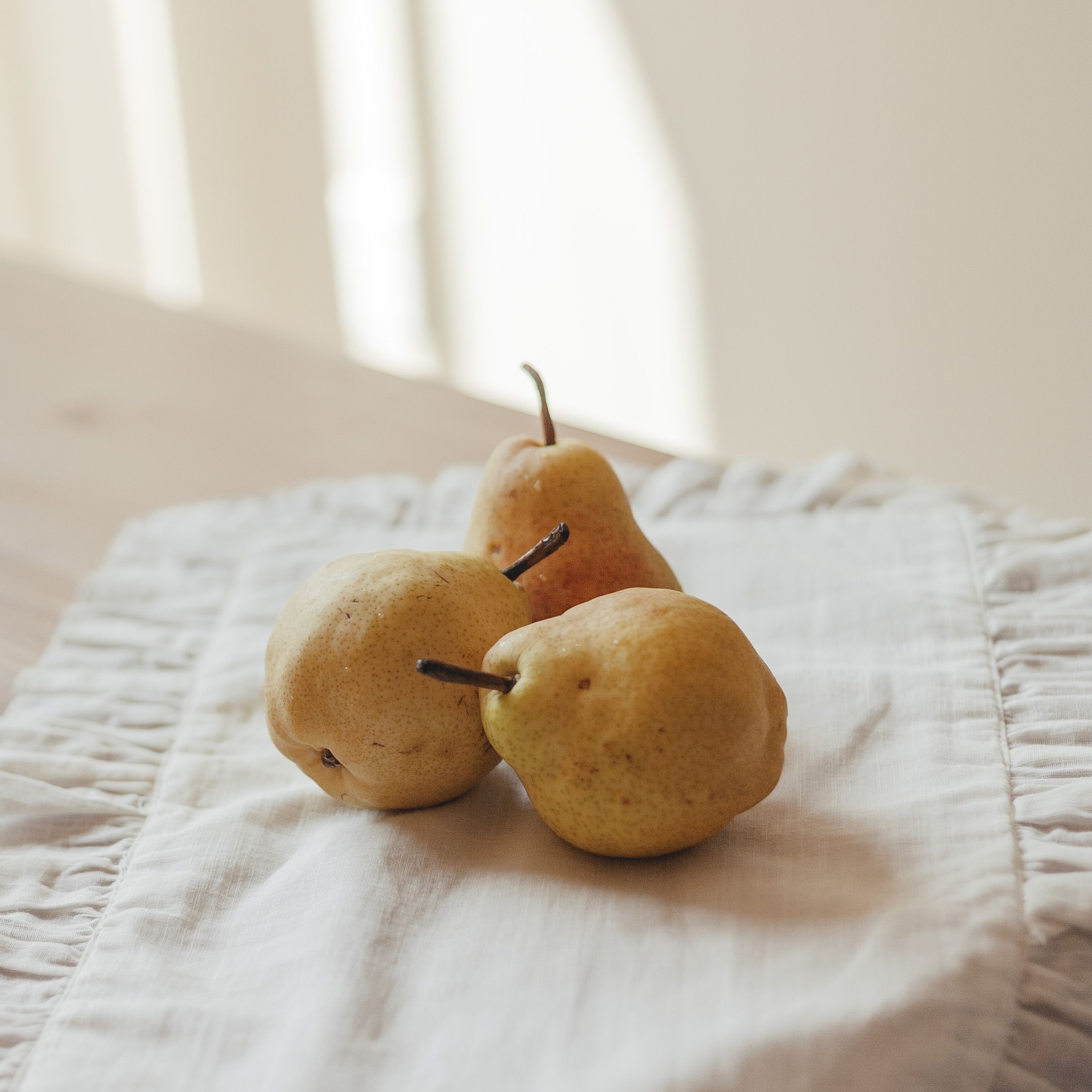
Fiber: About 5.5 grams per medium pear with the skin.
A pear fits into a work bag and requires about as much prep as a trip to the snack drawer. Wash it before you leave home and keep the skin on. For a sit-down snack, slice it and serve it with plain yogurt and cinnamon. Thin pear slices also work in a salad with walnuts and sharp cheddar.
Oatmeal gives you sweet and savory options.
Fiber: About 4 grams per cup cooked.
For a familiar breakfast, top plain oatmeal with diced apple and cinnamon. If you prefer a savory start, cook the oats in water and add sautéed mushrooms, scallions, and an egg. You can also make overnight oats with milk or yogurt and pull a bowl from the fridge on mornings when there’s barely time to make coffee.
Broccoli adds texture to weeknight dinners.
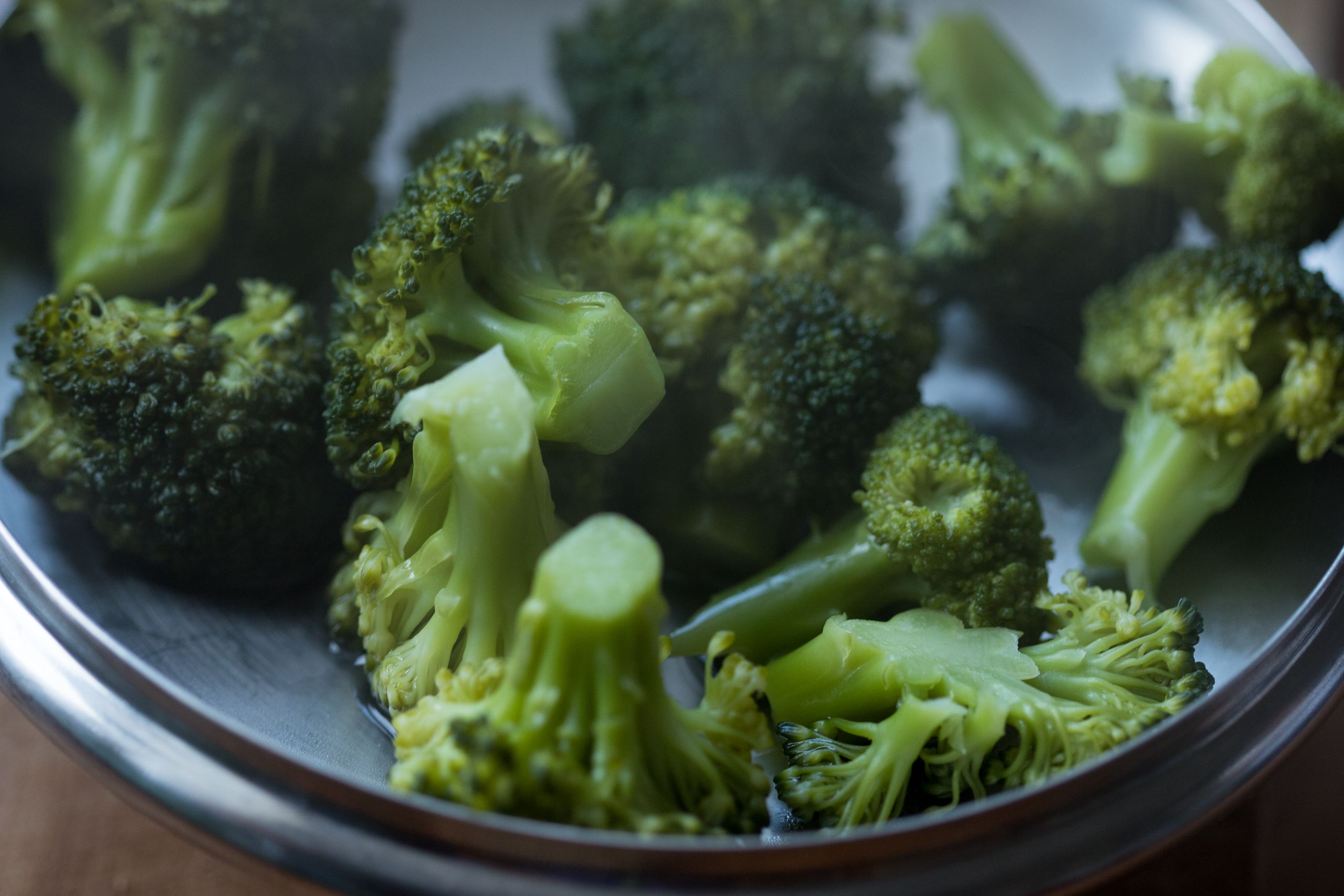
Fiber: About 5 grams per cup cooked.
Roast broccoli florets with olive oil and black pepper, then finish them with lemon. Serve them alongside dinner or fold them into leftover pasta with a splash of pasta water. Frozen florets are handy for busy nights. Stir them into a soup or skillet meal when you want to skip the chopping.
If your usual meals are low in fiber, increase it gradually and drink water throughout the day. Start with the meal you already make most often. Tomorrow’s oatmeal or tonight’s taco filling is an easy first move. NIDDK