Many of the dishes on American menus began as a late-night improvisation or a hotel kitchen experiment. Restaurants from New Orleans to Louisville to Hollywood still claim credit, and the stories do not always agree. Here are ten famous dishes with origin stories tied to American restaurants, along with what the record says.
1. Oysters Rockefeller: Named for the richest man in the sauce
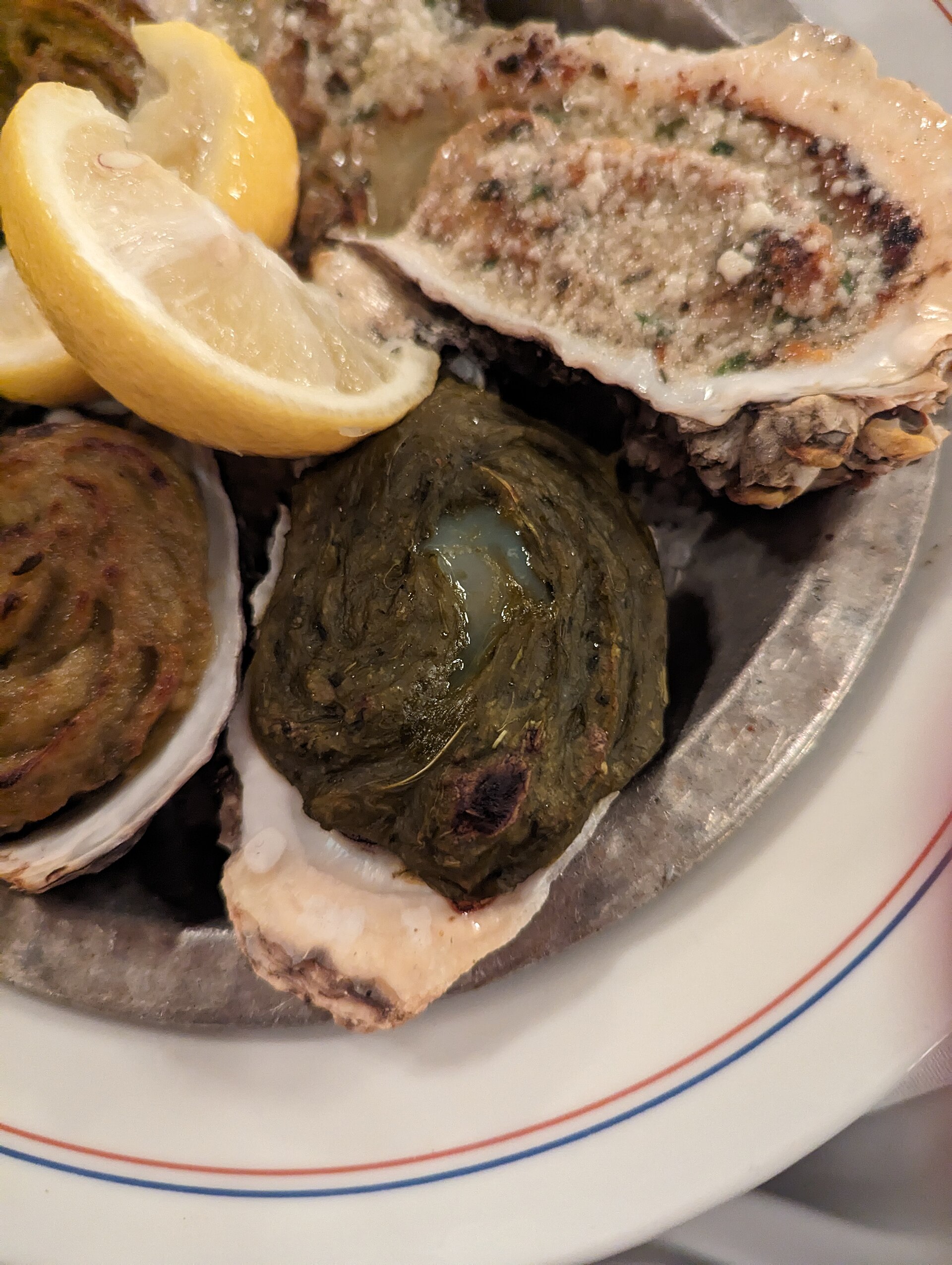
Antoine Alciatore arrived from France to open a pension on St. Louis Street in New Orleans, and his restaurant is now the oldest continuously operating, family-owned restaurant in the country, according to New Orleans Magazine. His son Jules invented Oysters Rockefeller in 1899.
Jules named the dish for the Standard Oil founder John D. Rockefeller because of the richness of the sauce, reportedly to the namesake’s dismay. Jules’s son Roy is credited with Oysters Foch and Eggs Sardou. During Prohibition one of the restaurant’s dining rooms, now called the Mystery Room, served as a speakeasy, reached through a door in the ladies’ room foyer.
2. Bananas Foster: A 1951 publicity challenge
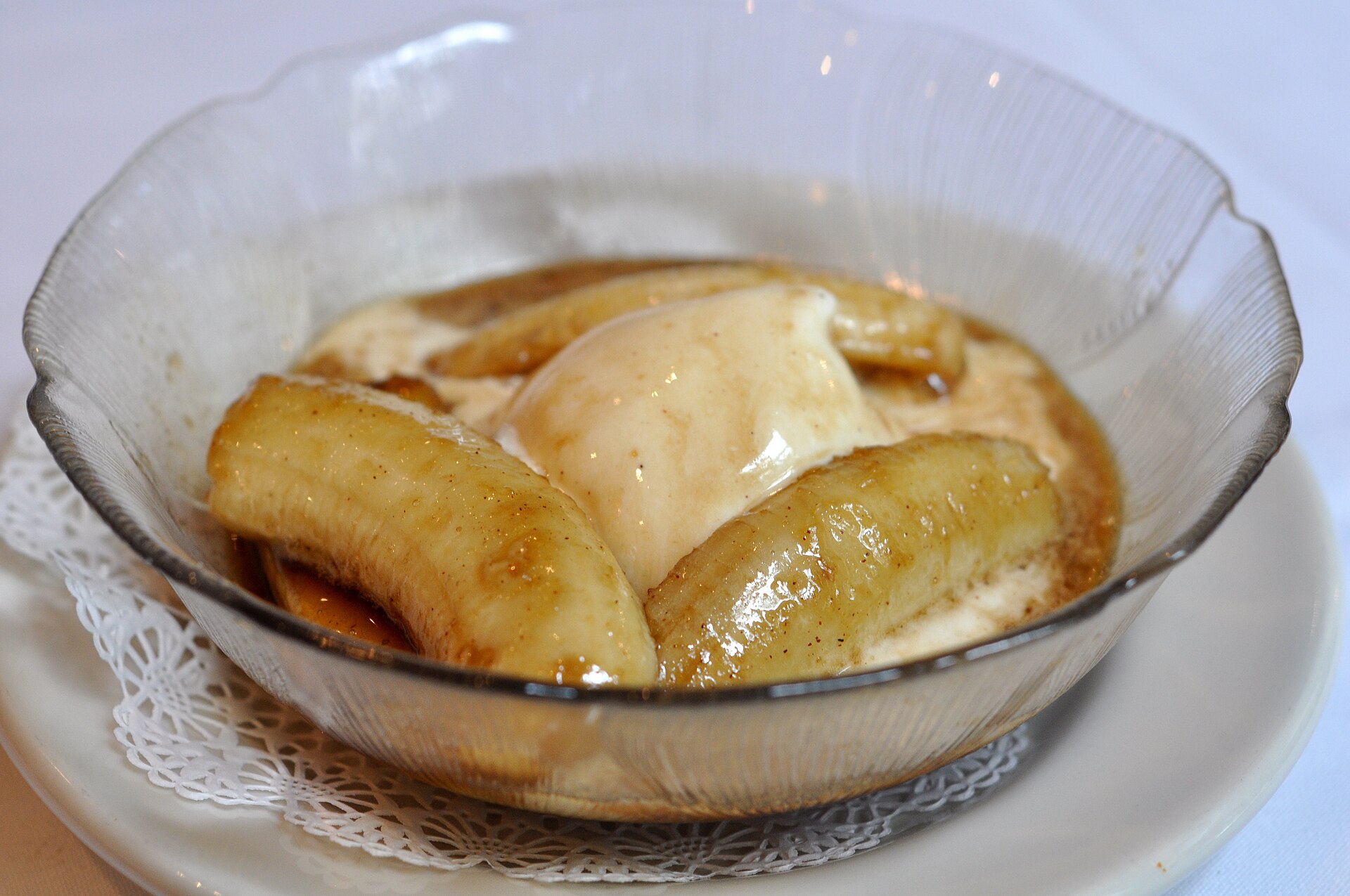
In 1951, with an eye for publicity and the promotion of his city, Owen Brennan challenged his chef Paul Blangé to create a dish featuring bananas, according to Brennan’s. New Orleans had become a major center for banana imports from Central and South America.
The flambéed result is now the most-ordered item on the Brennan’s menu, and the restaurant says guests who dined elsewhere sometimes arrive just for dessert. The dish was named for Richard Foster, a friend of Owen Brennan and the chairman of the New Orleans Crime Commission, on which Brennan served. The recipe combines butter, brown sugar, cinnamon, banana liqueur, rum and bananas, served over ice cream.
3. Chicago-style pizza: Deep dish from Pizzeria Uno
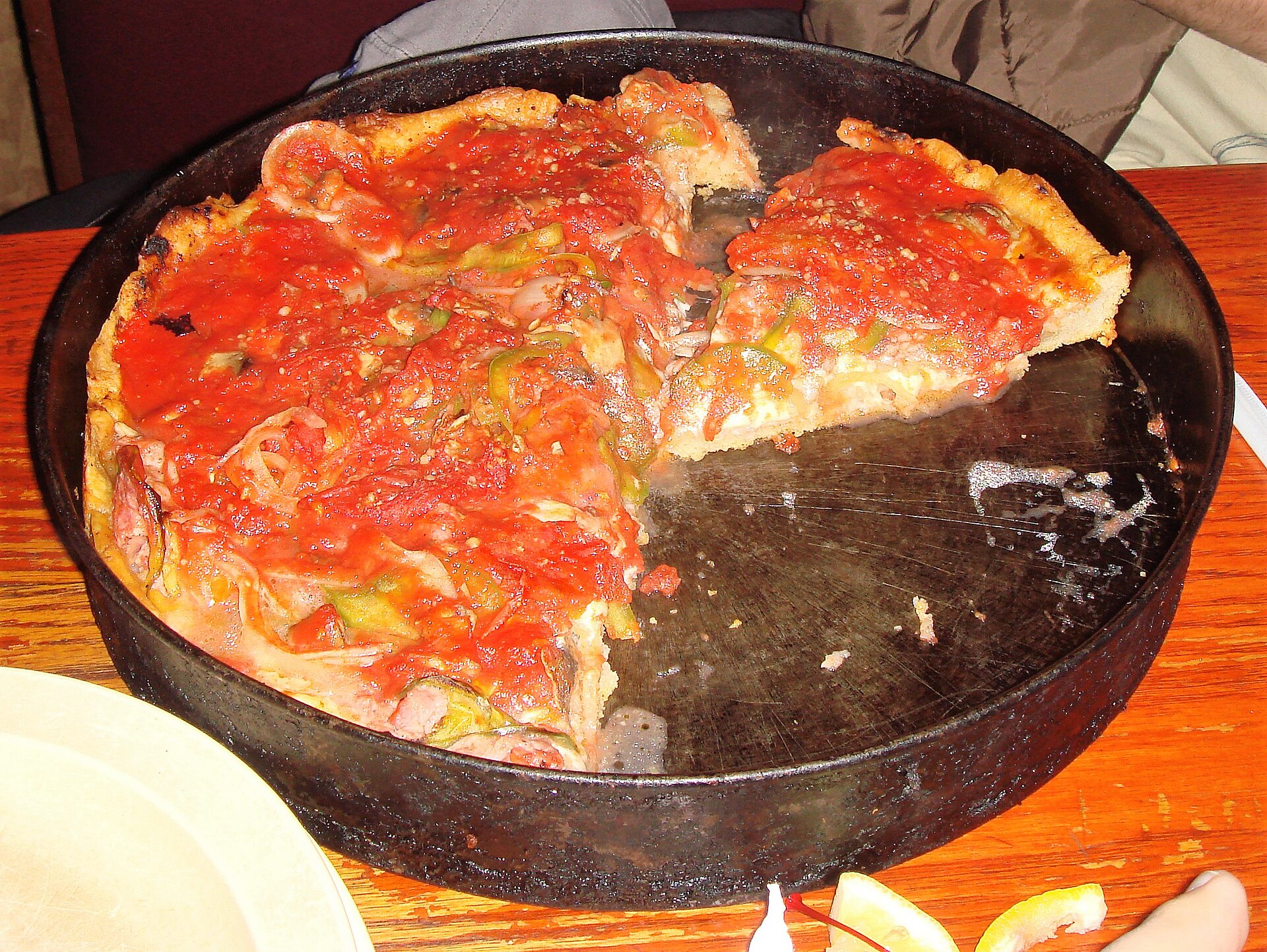
Deep-dish pizza was invented at Pizzeria Uno in Chicago, which Ike Sewell and Richard Riccardo founded in 1943, according to Wikipedia. Riccardo’s original recipe for a pizza cooked in a pie pan or cake tin was published in 1945 and used a dough made with scalded milk, butter and sugar.
The restaurant’s cook Alice Mae Redmond later adjusted the dough to use water and olive oil, and Uno’s original pizza chef Rudy Malnati has also been credited with the recipe. His sons founded Lou Malnati’s Pizzeria in 1971 and Pizano’s in 1991. In the traditional build, the crust sides rise up the pan and a layer of crushed tomatoes is ladled over the cheese.
4. Cincinnati chili: A Greek hot dog sauce from 1922
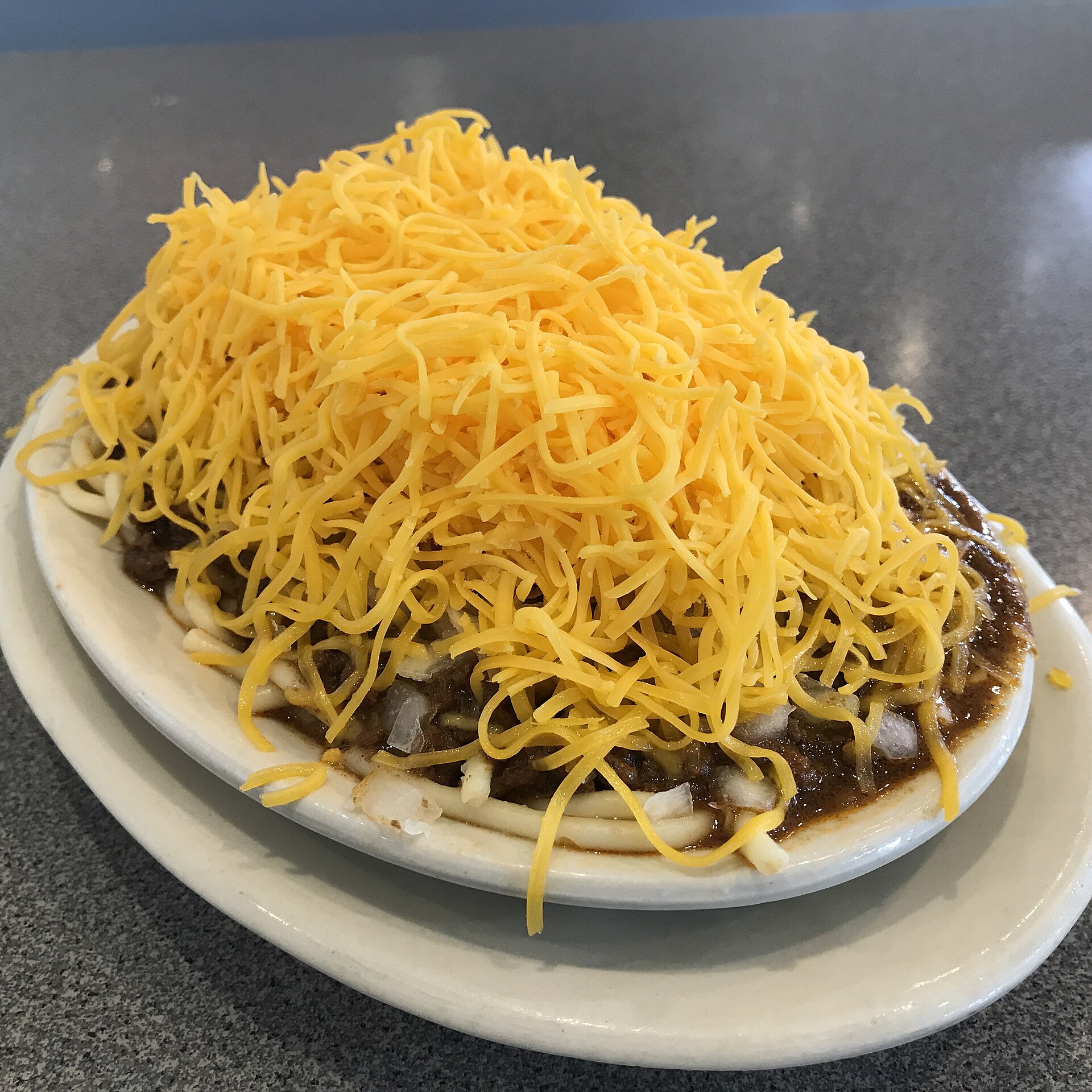
Cincinnati chili came from immigrant restaurateurs trying to expand their customer base, Wikipedia says. Tom and John Kiradjieff emigrated from Greece in 1921 and in 1922 began serving a Mediterranean-spiced stew as a topping for hot dogs, which they called coneys, at a stand next to a burlesque theater called the Empress.
The brothers named their business after the theater. The sauce also tops spaghetti, and orders are now described by “ways”: a three-way adds shredded cheese to chili-topped spaghetti, a four-way adds onions or beans, and a five-way includes both. Despite the popular myth, Wikipedia notes that the chili does not contain chocolate. More than 250 chili parlors operate around the Cincinnati area.
5. Hamburger: The sandwich that left Louis’ Lunch in a hurry
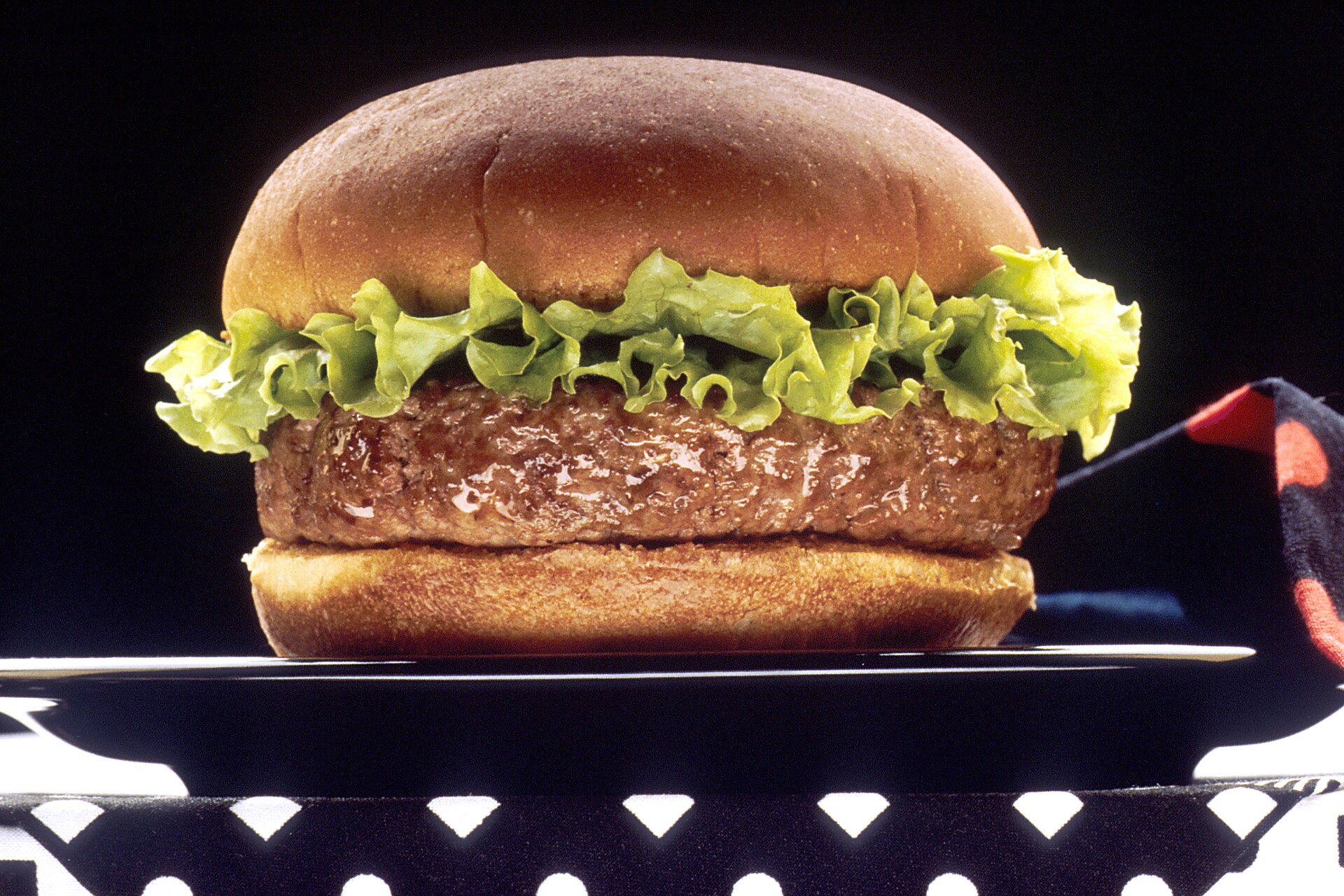
Connecticut’s tourism office calls Louis’ Lunch in New Haven the official birthplace of the hamburger in 1900, as recognized by the Library of Congress. One day that year, a customer in a hurry asked proprietor Louis Lassen for something he could eat on the run.
Lassen placed his own blend of ground steak trimmings between two slices of toast and sent the man on his way. The restaurant says its burgers are still made fresh daily and cooked in the original cast-iron grills dating back to 1898. Today Louis’ great-grandson, Jeff Lassen, runs the place, and the family offers only cheese, tomato and onion as garnish, with no condiments.
6. Cobb salad: Hollywood Brown Derby leftovers
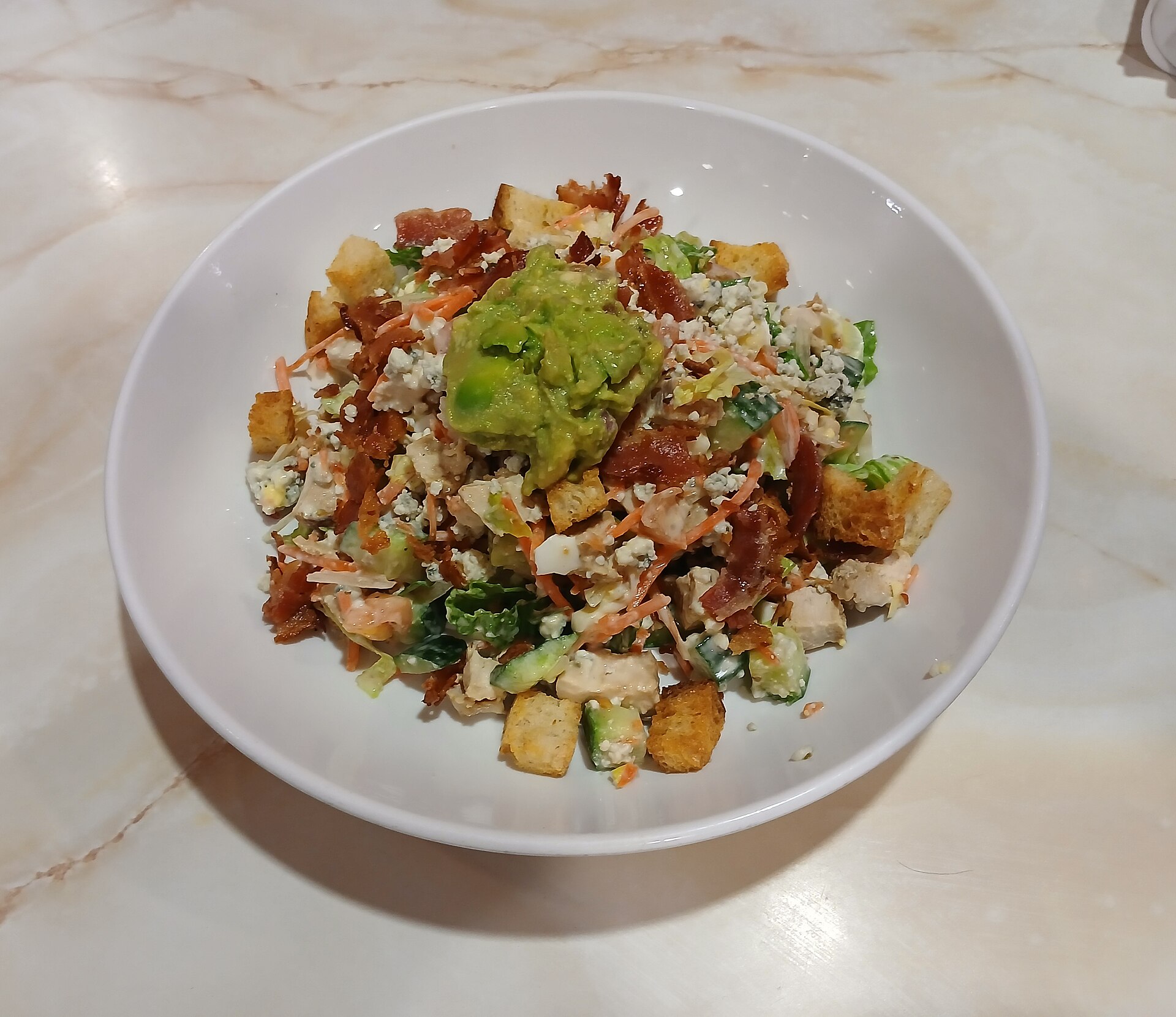
One story says the Cobb salad came about in 1937 at the Hollywood Brown Derby restaurant, where it became a signature dish named for owner Robert Howard Cobb, according to Wikipedia. Accounts differ on whether Cobb or his chef, Paul J. Posti, invented it.
The legend is that Cobb had not eaten until near midnight, so he mixed leftovers from the kitchen with bacon cooked by the line cook and tossed it with French dressing. Another version says he made it for showman Sid Grauman, who had just had dental work. A third credits executive chef Robert Kreis in 1929, the year the Hollywood location opened. The ingredients are laid out in neat rows.
7. Waldorf salad: A charity ball dish from 1896
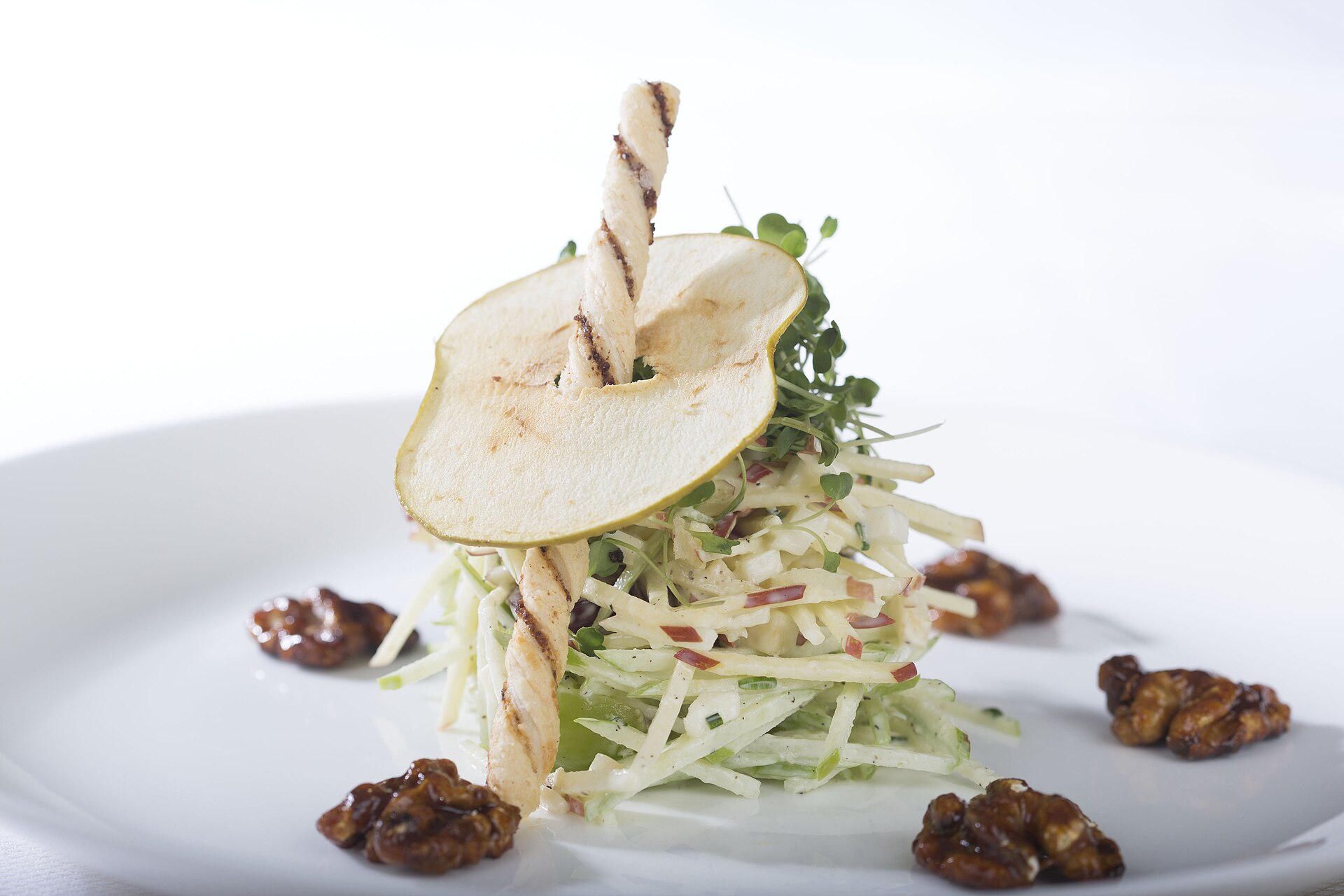
The Waldorf salad was first created at the Waldorf-Astoria hotel in New York City for a charity ball given for St. Mary’s Hospital for Children on March 13, 1896, according to Wikipedia. Maître d’hôtel Oscar Tschirky is widely credited with creating the recipe.
Tschirky developed or inspired many of the hotel’s signature dishes, and the salad appeared in his 1896 book, The Cook Book by “Oscar of the Waldorf.” The original recipe was just apples, celery and mayonnaise. It did not contain nuts, but they had been added by the time the recipe appeared in The Rector Cook Book in 1928.
8. Eggs Benedict: Delmonico’s or the Waldorf?
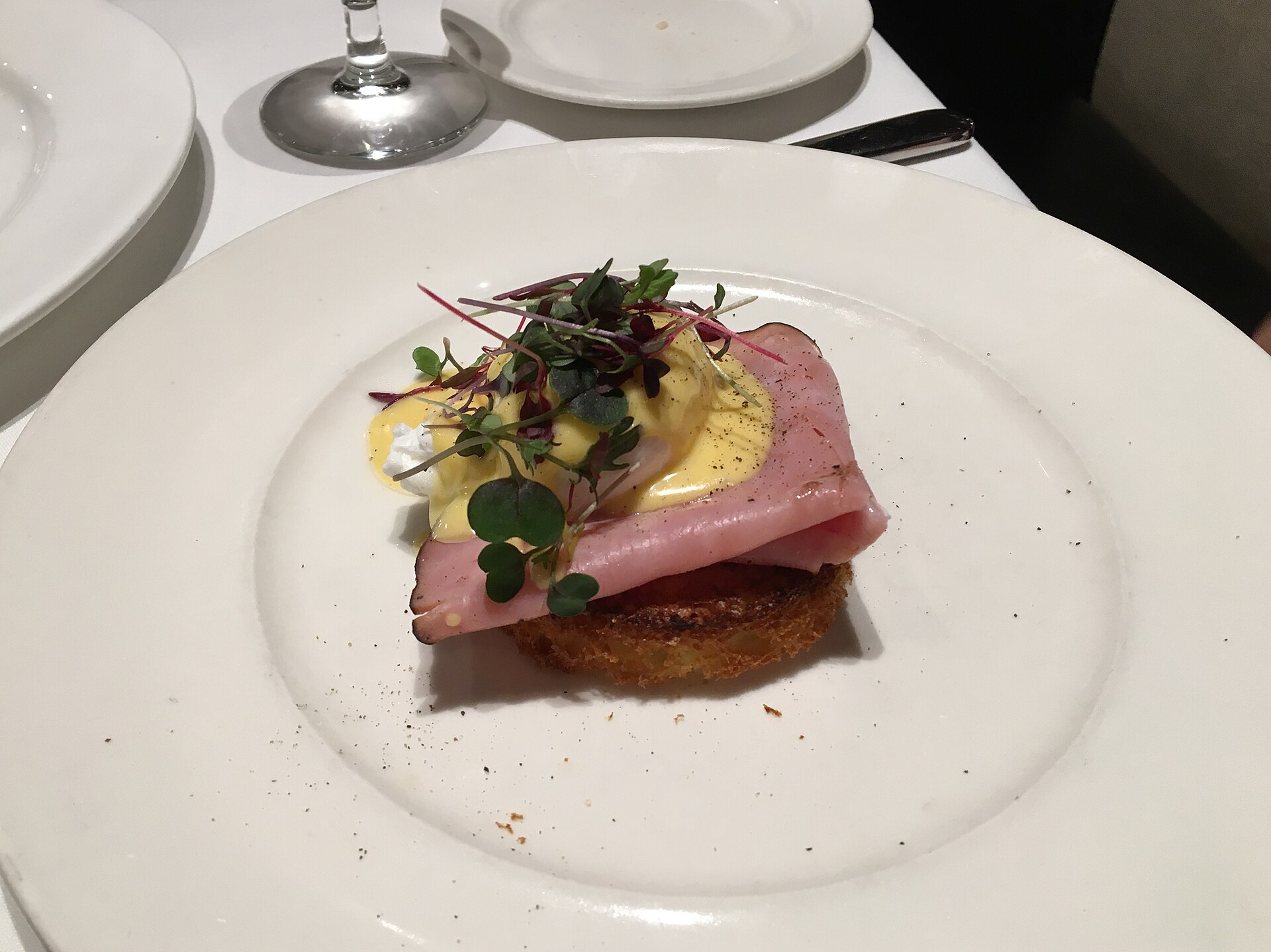
There are conflicting accounts of where eggs Benedict began, though the dish is believed to have originated in New York City. Delmonico’s in Lower Manhattan says on its menu that the dish was first created there in 1860, and its former chef Charles Ranhofer published an eggs à la Benedick recipe.
In a 1942 New Yorker interview, retired stockbroker Lemuel Benedict said he wandered into the Waldorf Hotel in 1894 and ordered buttered toast, poached eggs, crisp bacon and hollandaise. Maître d’hôtel Oscar Tschirky liked it enough to put it on the menu, swapping in ham for the bacon and a toasted English muffin for the toast. A later claim came on behalf of Commodore E. C. Benedict.
9. Buffalo wing: Midnight snack at the Anchor Bar
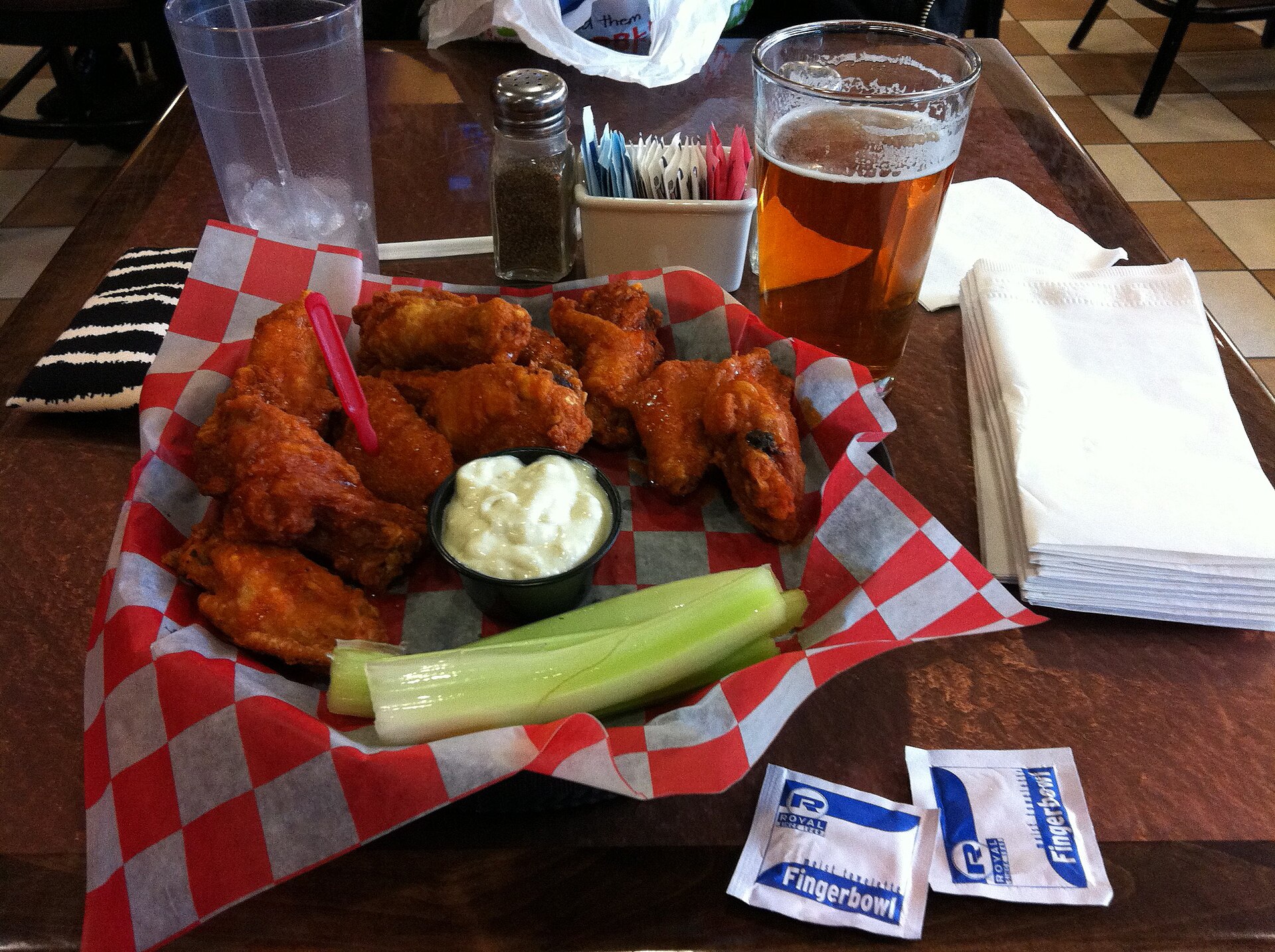
The Anchor Bar says that in 1964, Dominic Bellissimo was tending bar at the Anchor Bar in Buffalo, New York, when a group of his friends arrived late one evening with ravenous appetites. Dominic asked his mother, Teressa, to prepare something for them to eat.
Chicken wings were a part of the chicken that usually went into the stockpot for soup. Teressa deep-fried the wings and flavored them with a secret sauce, and the restaurant says they were an instant hit. From that evening on, Buffalo wings were a regular part of the Anchor Bar menu, and the restaurant says its closely guarded recipe is what sets its wings apart from the many imitators.
10. Hot Brown: A Roaring Twenties after-party sandwich
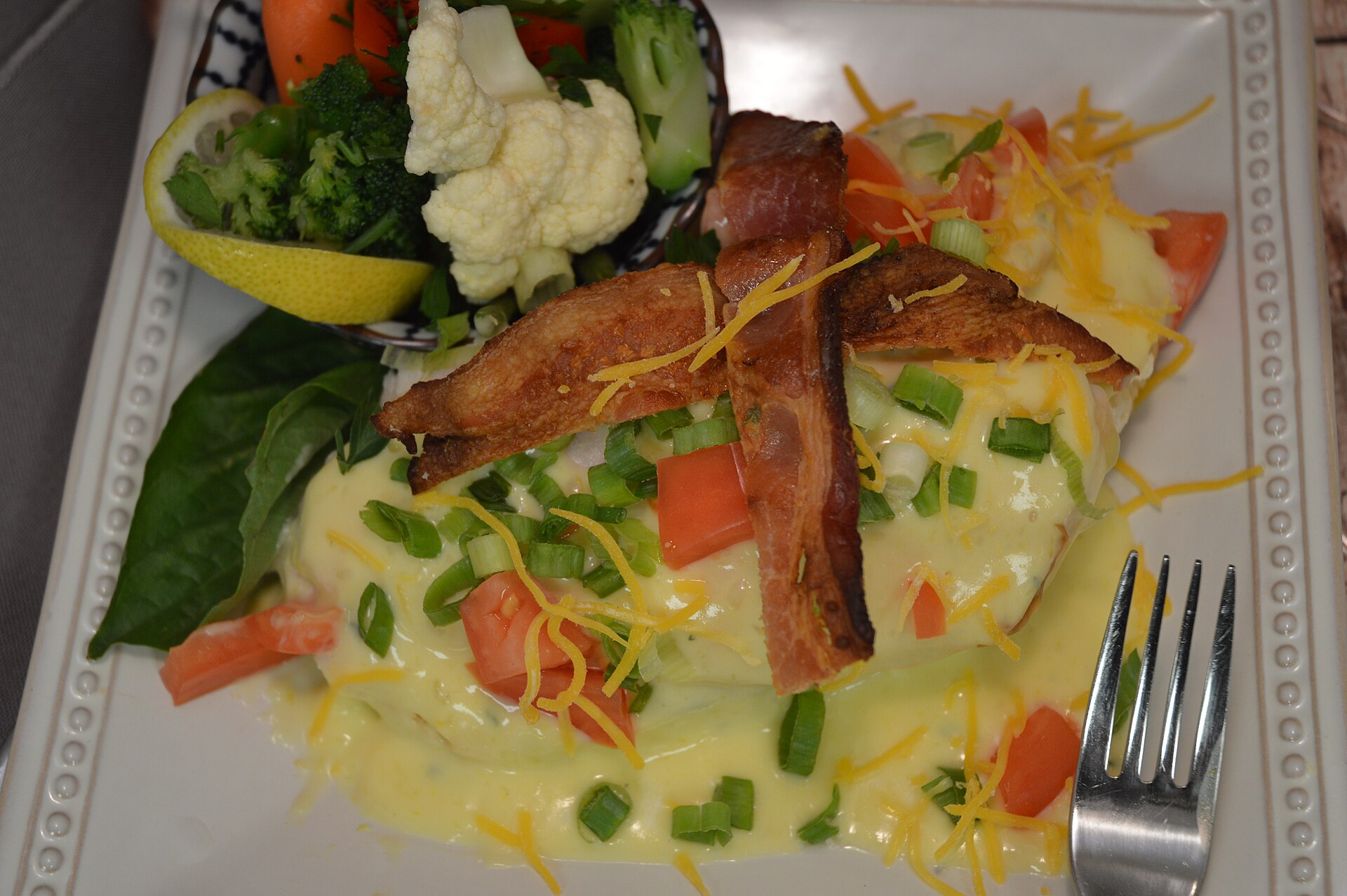
During the Roaring Twenties the Brown Hotel in Louisville was a hub of Jazz Age revelry. According to Go To Louisville, one night in 1926, with famished partygoers heading to the restaurant after the last song, Chef Fred K. Schmidt broke from the standard menu of ham and eggs.
From leftover roast turkey, slices of toast and a pot of Mornay sauce, he layered an open-faced sandwich, broiled it until golden and bubbling, and topped it with crisp bacon. Louisville’s tourism office says the creation, perhaps inspired by Welsh rarebit or the croque-monsieur, was an immediate sensation. It soon became known simply as the Hot Brown, an iconic Louisville dish.
This article was produced with AI assistance and edited for accuracy against the sources linked above.