Few American desserts have tidy origin stories, and cake may be the messiest of all. Hotels, magazines, flour companies and church bakers each have a claim on one classic or another. Here are ten classic American cakes, along with what the record says about where each one began.
1. Red velvet cake: Two claimants, no proven inventor
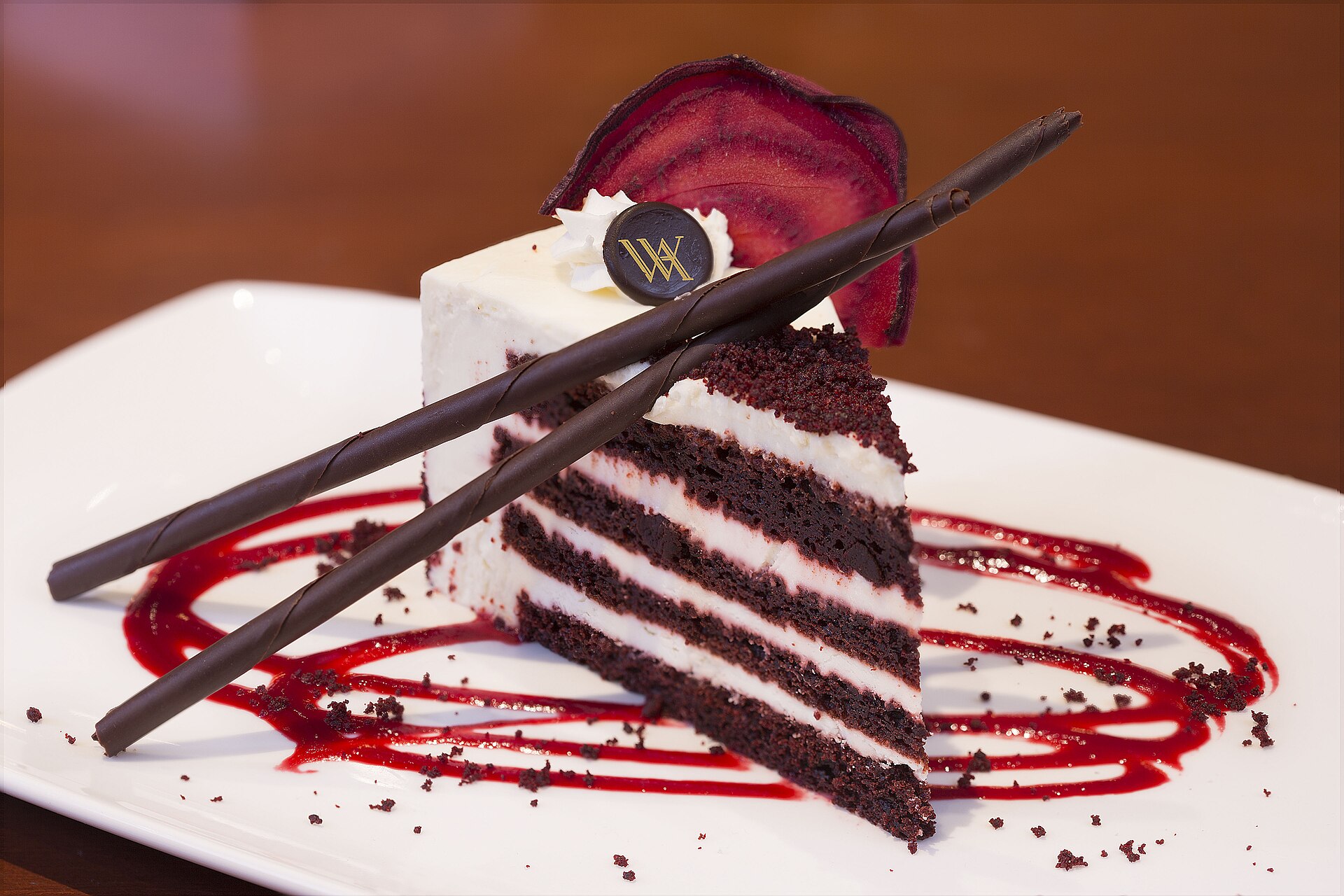
The origin of red velvet cake is unknown, according to Wikipedia, although the cake has been popular in the Southern states since the early twentieth century. It has been served as a dessert at New York City’s Waldorf-Astoria hotel since the 1920s, and both the hotel and Eaton’s in Canada claim to have developed the recipe.
Recipes for velvet cakes, named for their fine crumb, date to the nineteenth century. Pastry chef and food writer Stella Parks suggests that the red velvet idea took shape in the early twentieth century when mahogany cake and devil’s food cake recipes were merged. Most modern recipes add red food coloring and top the layers with cream cheese or ermine icing.
2. Baked Alaska: A Paris dessert renamed in New York
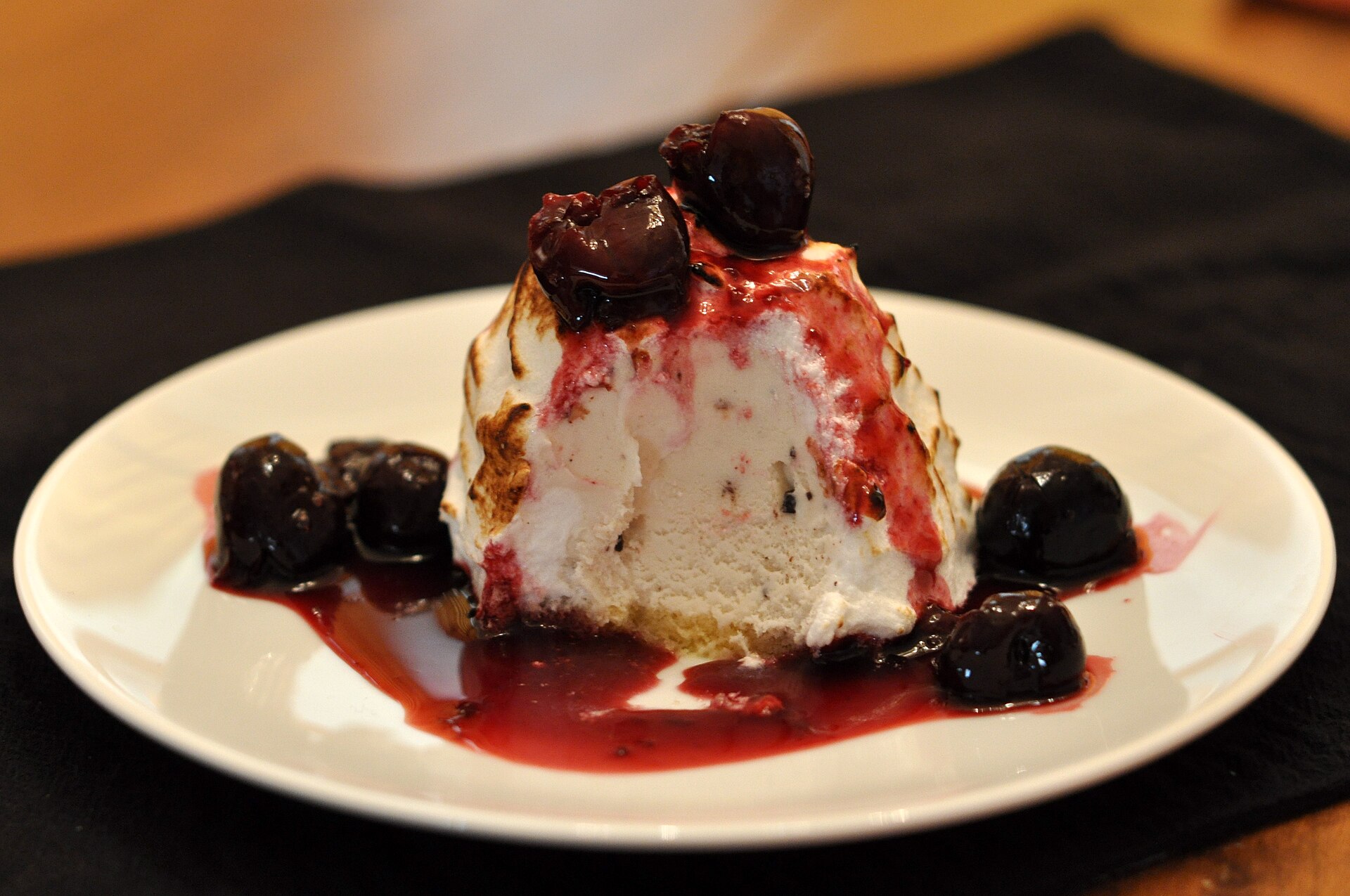
Baked Alaska is a dessert of ice cream and cake topped with browned meringue. Wikipedia says it began at the Paris World’s Fair in 1867, when the chef of the Grand Hotel created a “scientific dessert” and called it a Norwegian omelette.
The name Baked Alaska was supposedly coined in 1876 at Delmonico’s, a restaurant in New York City, to honor the American purchase of Alaska from the Russian Empire in March 1867. The restaurant’s original recipe, however, was called Alaska Florida, a name suggesting extremes of cold and heat. The whole dessert goes into a very hot oven for a brief time, long enough to caramelize the meringue without melting the ice cream.
3. Pineapple upside-down cake: A twentieth-century skillet descendant
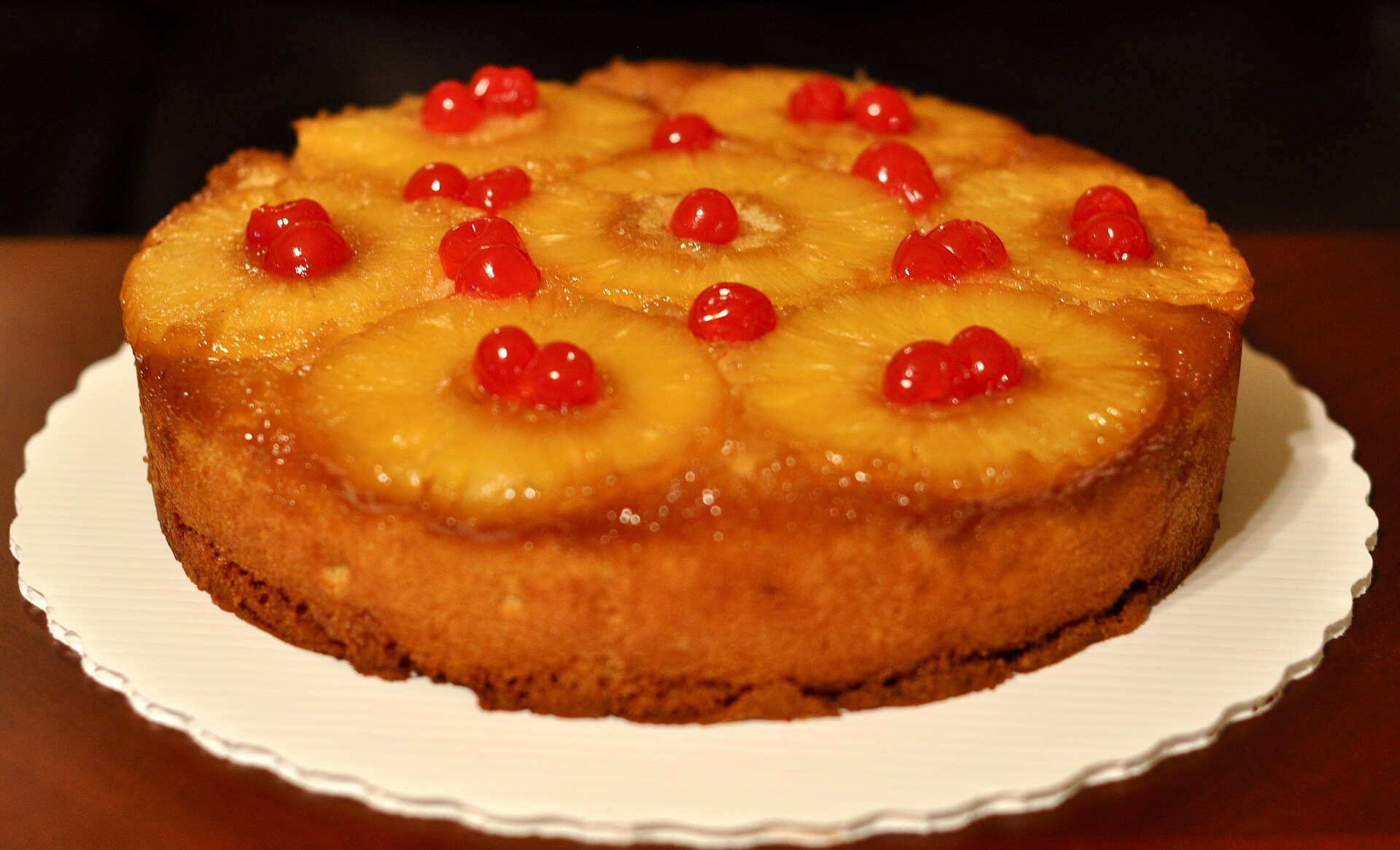
Food historians agree that pineapple upside-down cake belongs to the twentieth century, though they are less sure about the decade. The Food Timeline cites one reference book that finds the first mention in print in 1930 and a 1936 Sears Roebuck catalog listing, and another that traces it to a 1924 Seattle fund-raising cookbook.
Turn-of-the-century cookbooks already had upside-down cakes made with apples and cherries, cooked in skillets on the stove. In 1925 the Hawaiian Pineapple Company, later Dole, ran an ad seeking pineapple recipes, and a Gold Medal Flour ad in November 1925 showed a round cake with six pineapple slices and candied cherries. Even the 1943 Joy of Cooking included a skillet version.
4. Devil’s food cake: Chocolate’s rise in American baking
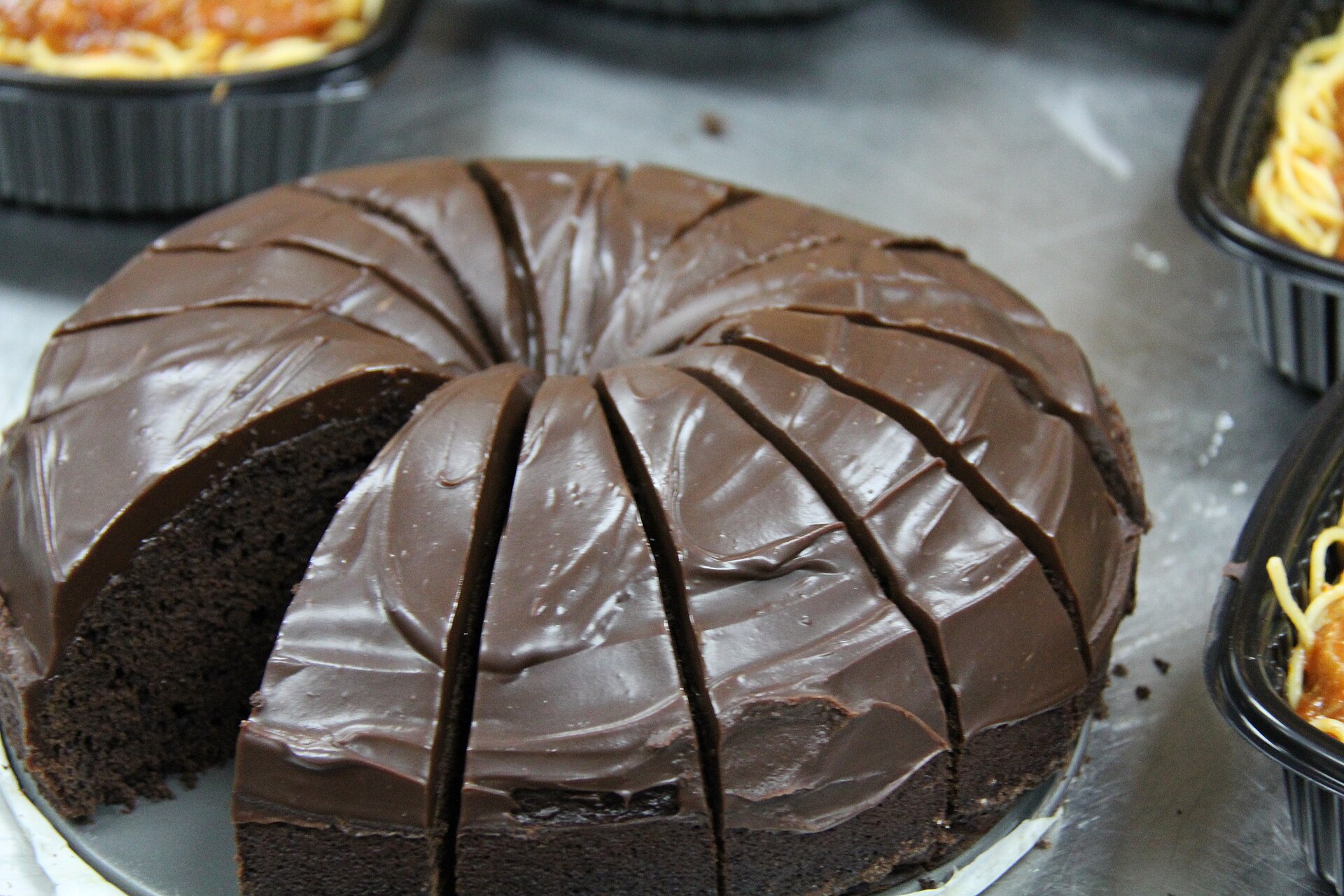
Devil’s food cake is a chocolate layer cake that emerged in the United States at the end of the nineteenth century, Wikipedia reports, as chocolate became more widely used in American baking. Improvements in cocoa processing and cocoa powder sold in grocery stores helped the trend along.
A recipe under the name Devil’s Cake appeared in the nationally distributed Table Talk magazine in 1893. The first recipes titled Devil’s Food Cake are generally credited to Sarah Tyson Rorer in her 1902 books, though they were not the first versions. The name may be a playful answer to angel food cake, which was popular as the first recipes were being published.
5. Chiffon cake: The salad-oil cake sold to General Mills
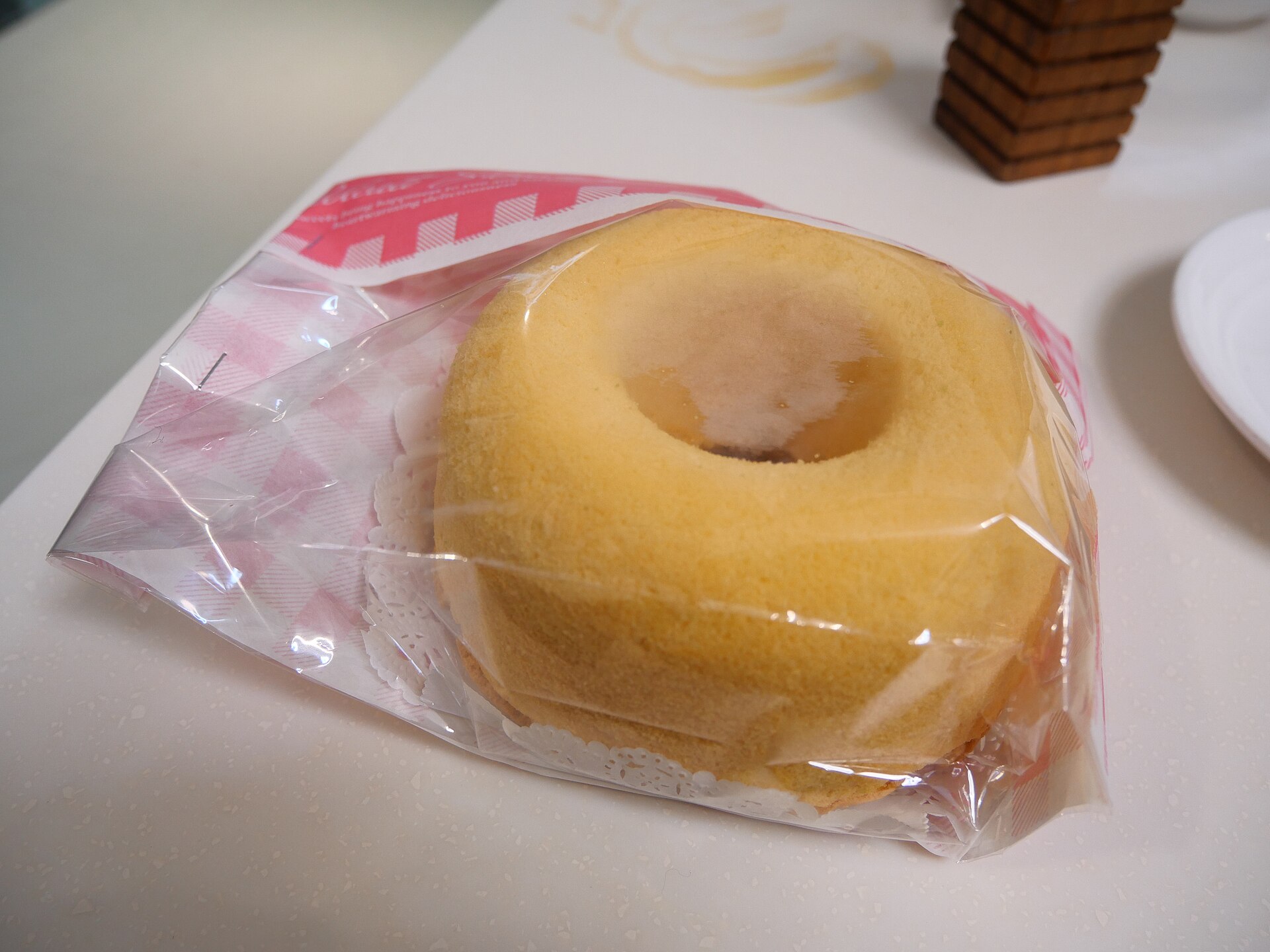
Food historians generally credit Harry Baker, a Los Angeles insurance salesman, with inventing the chiffon cake, which was promoted in the 1940s as “the first new cake in 100 years.” The Food Timeline says the story goes that Baker replaced butter with salad oil in his angel food cake recipe.
Baker sold the formula to General Mills in the late 1940s, and the company’s version, built around its flour and salad oil, debuted in 1947. The Food Timeline’s survey of cookbooks and newspapers shows chiffon cake was aggressively promoted from the late 1940s to the early 1960s, with new recipes introduced two or three times a month in the New York Times Sunday Magazine starting in February 1949.
6. Angel food cake: A name with no known author
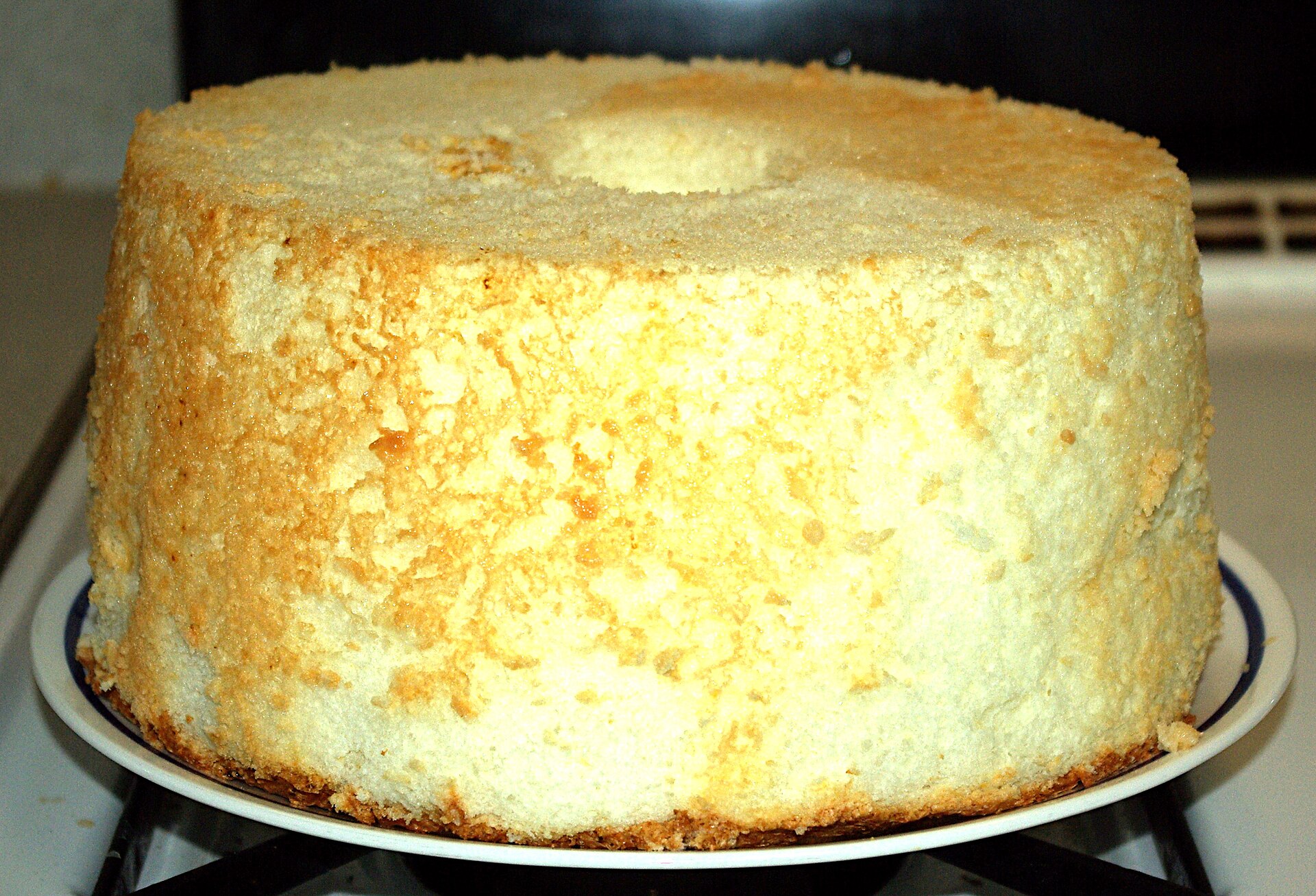
Cake recipes named angel food began showing up in American cookbooks in the late nineteenth century, about the time mass-produced bakeware reached the popular market, according to the Food Timeline. Who thought up the name, the page says, is something no one knows.
Some food historians speculate that the Pennsylvania Dutch were the original makers and namers, though the connection has not been fully documented. A reference quoted by the Food Timeline says the cake was known by the 1870s in America and that the word appeared in print in the 1880s. It describes the cake as a sensible use for leftover egg whites. Angel food cake mixes debuted in 1942.
7. Hummingbird cake: A Jamaican recipe that Southern Living made famous
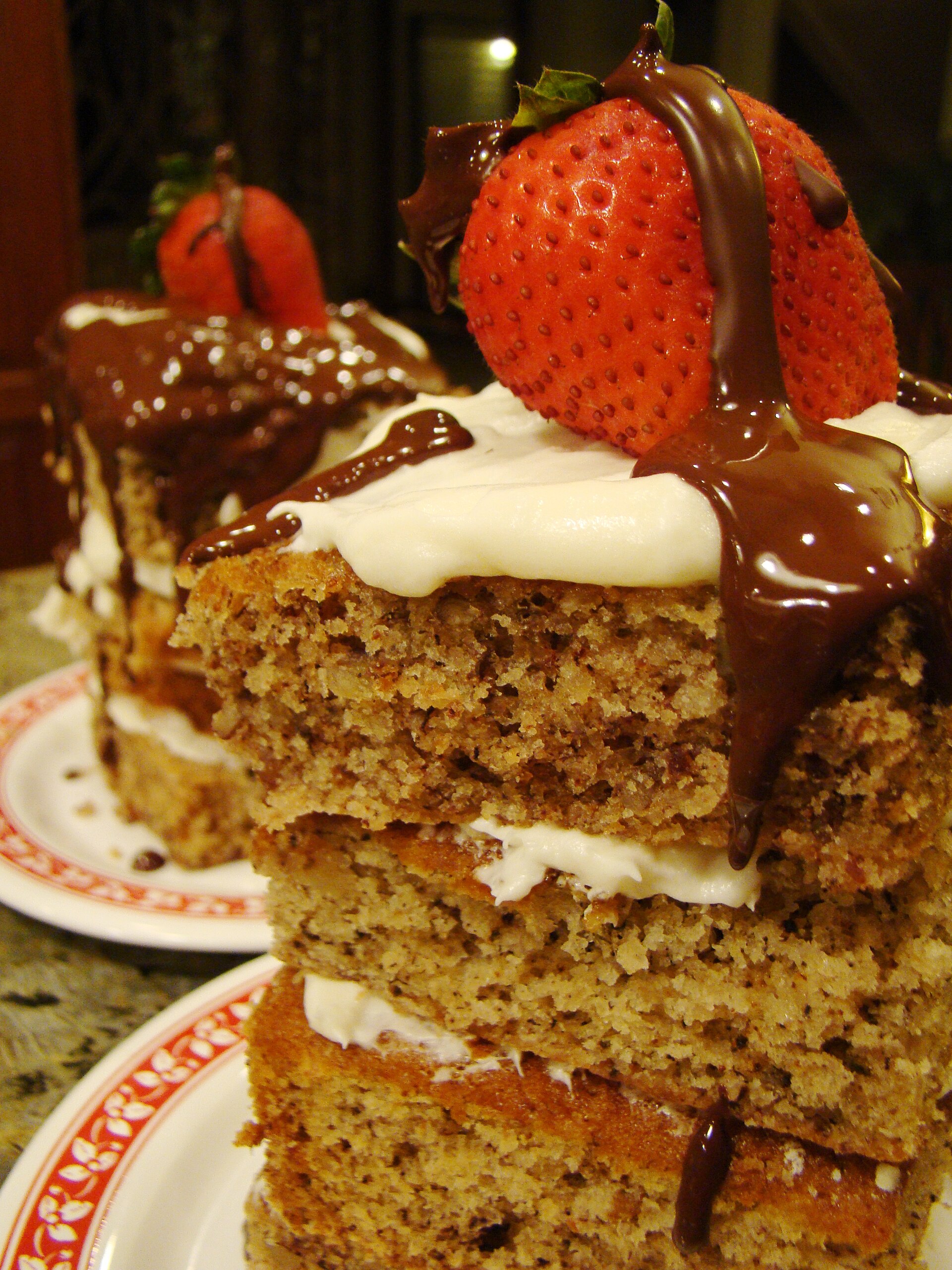
Hummingbird cake was created in Jamaica, where it is called doctor bird cake after the island’s national bird, according to Wikipedia. In 1968 the Jamaica Tourist Board sent the recipe to the United States in press kits meant to stir interest in visiting the island.
One of the first known American printings, by L.H. Wiggins, ran in the February 1978 issue of Southern Living. Readers loved it, and it won the Favorite Cake Award at the Kentucky State Fair the same year. Southern Living later voted it the magazine’s favorite recipe in 1990 and noted it was the most requested in its history. The Southern version has pecans, bananas, crushed pineapple and cream cheese frosting.
8. Texas sheet cake: A mystery cake with many names
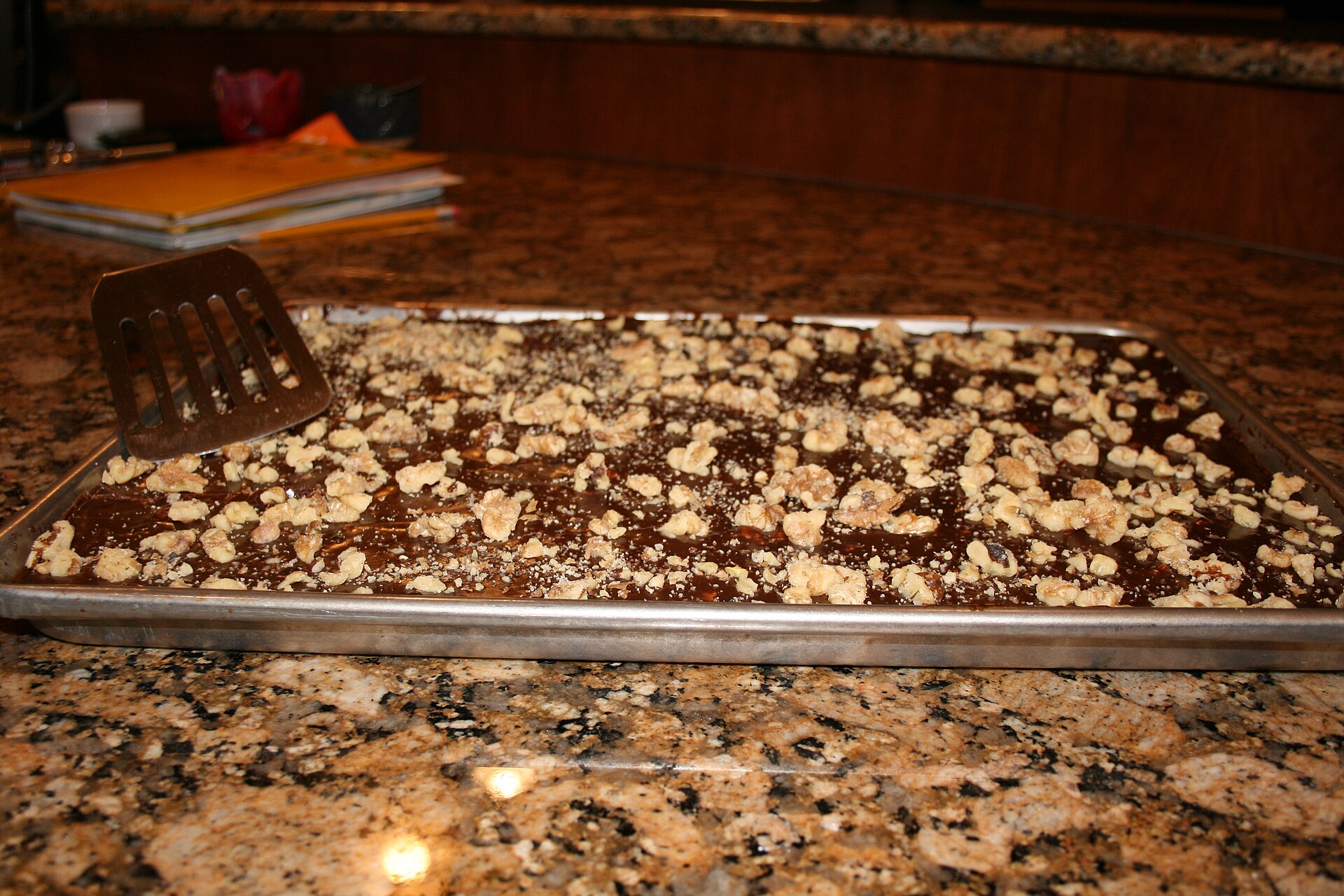
A Library of Congress blog post calls Texas sheet cake very popular across the country but says food historians are not sure who created the original recipe or even named it. Searches of Lady Bird Johnson’s recipes at the LBJ archives turned up no evidence that she was involved.
The writer traced a chocolate sheet cake in a shallow pan to the Galveston Daily News in 1936 and a 1967 Alabama recipe that put pecans in the frosting. The cake also goes by many names, including buttermilk brownies and Texas sheath cake. What the recipes share is buttermilk and a jelly roll or cookie pan, which makes the cake large but only about an inch tall.
9. Lane cake: Alabama’s prize-winning layer cake
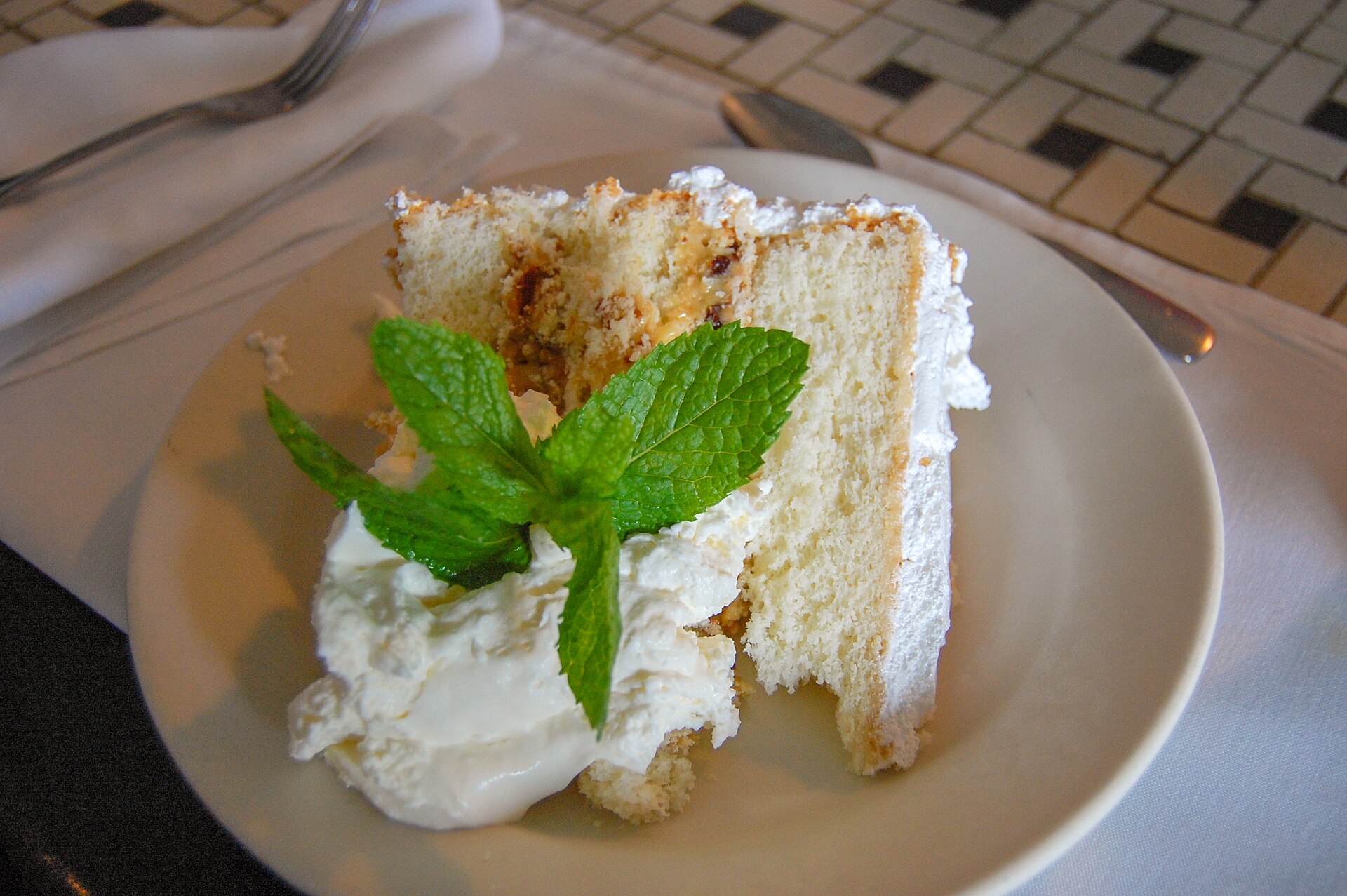
The Lane cake was created by Emma Rylander Lane of Clayton, in Barbour County, Alabama, according to the Encyclopedia of Alabama. It is a white sponge cake of four layers, filled with a mixture of egg yolks, butter, sugar, raisins and whiskey, and frosted with a boiled white icing.
Lane self-published the recipe in her 1898 cookbook, Some Good Things to Eat. Food scholar Neil Ravenna says she first drew attention to it by winning a baking competition at a county fair in Columbus, Georgia. She named it the Prize cake until an acquaintance persuaded her to use her own name. In To Kill a Mockingbird, the character Maudie Atkinson bakes one.
10. Smith Island cake: Maryland’s state dessert from a Chesapeake island
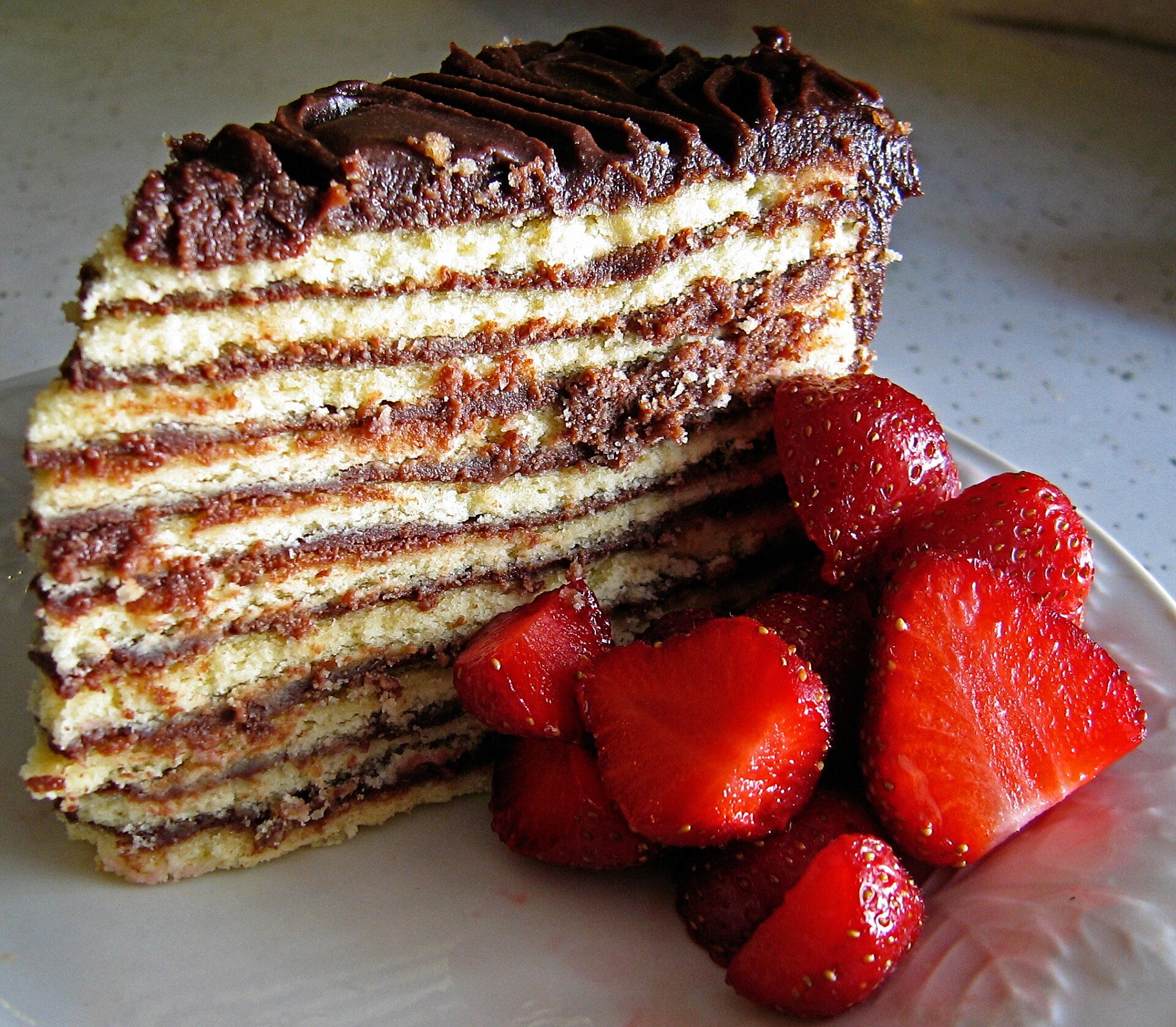
Smith Island cake, with its eight to ten thin layers and equal parts cake and fudgy frosting, is the Maryland State Dessert. Chesapeake Bay Magazine reports that before the 1990s the cake was hardly found anywhere other than Smith Island.
Folklorist Elaine Eff found the cake everywhere on the island in 1989, and no single baker could be proved to have invented it. Eff notes that the island had no electricity before the 1950s and 1960s, which may have made thin layers easier to bake in a wood-fired oven. Supporters of the state dessert bill, introduced in 2008, hoped it would give island women a way to sell the cakes.
This article was produced with AI assistance and edited for accuracy against the sources linked above.