Cheese in American kitchens comes from many places, from Wisconsin and California to Italy and England. Some have clear origin dates, while others are imports that became everyday staples in home cooking and restaurant kitchens alike. Here are ten cheeses common in American kitchens, from Colby to Parmigiano-Reggiano.
1. Cheddar cheese: The English original that became a kitchen staple
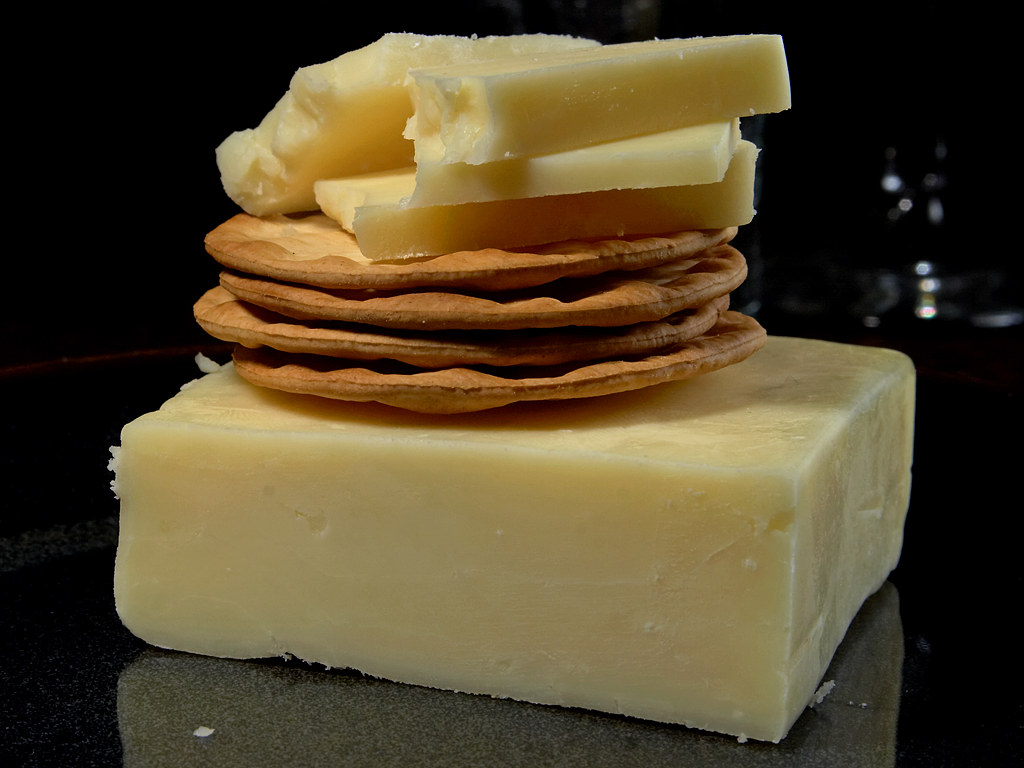
According to cheese.com, cheddar originated in the village of Cheddar in Somerset, England, with production dating to the 12th century. It is typically made from cow’s milk and starts out smooth and slightly elastic, becoming more crumbly as it ages.
Traditional cheddar is white, but many versions are colored orange with annatto, a natural dye that does not change the taste. Aged from a few months to several years, it grows sharper and more complex. Because it melts well, it turns up in macaroni and cheese, grilled cheese and cheeseburgers.
2. Colby cheese: A Wisconsin original from 1874
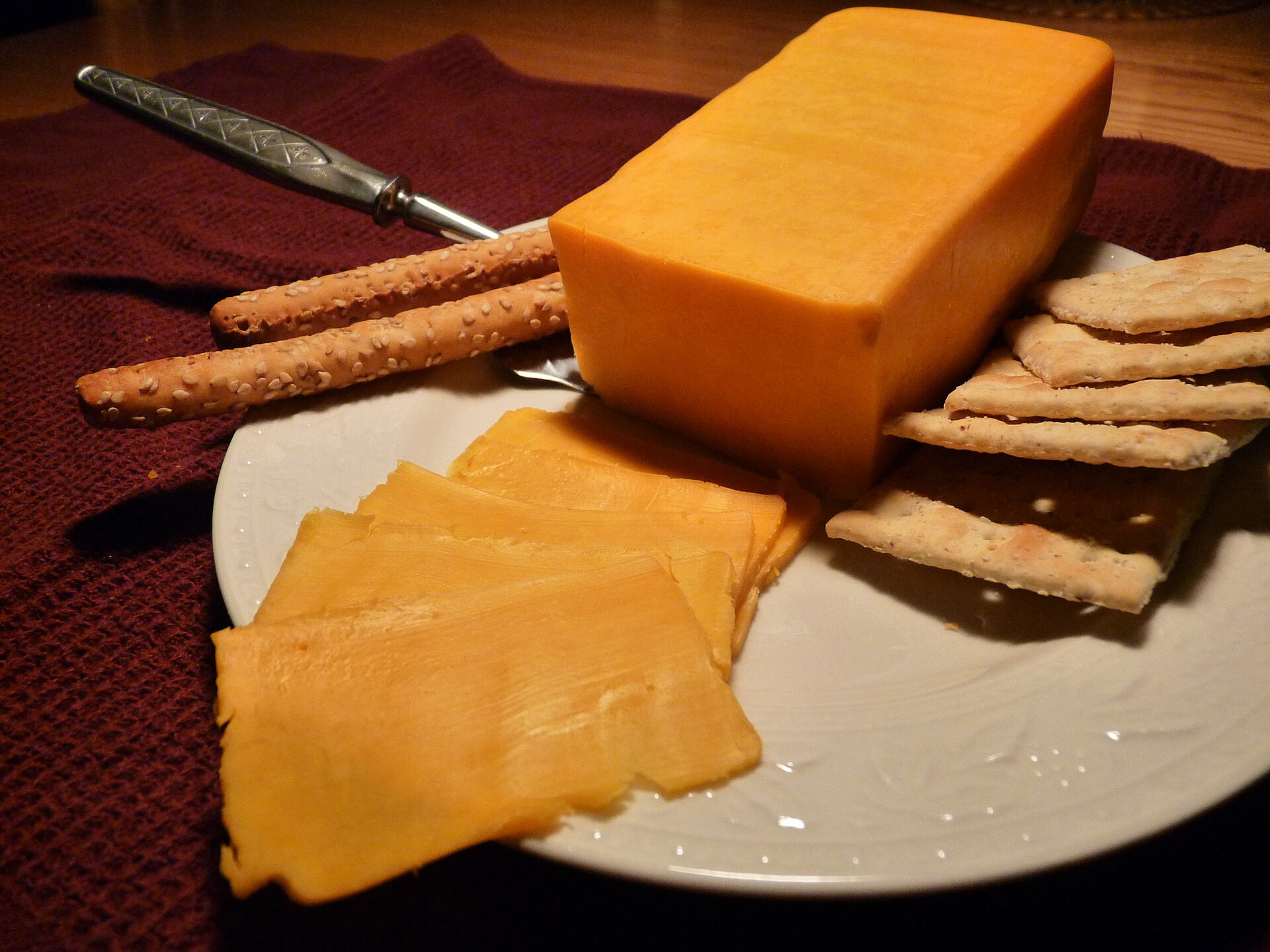
The cheese was developed in 1874 by Joseph Steinwand at his cheese factory near Colby, Wisconsin, according to cheese.com. It is a semi-hard cheese with an open, springy texture, softer and creamier than cheddar, and its flavor is mild and sweet.
Colby and cheddar are both often dyed orange, but they taste very different. Colby skips the cheddaring process and uses a washed curd method that lowers acidity. Aged Colby turns cracked and dry, so it is best eaten young, and it is blended with Monterey Jack to make Colby Jack.
3. Monterey Jack: A California cheese with monastery roots
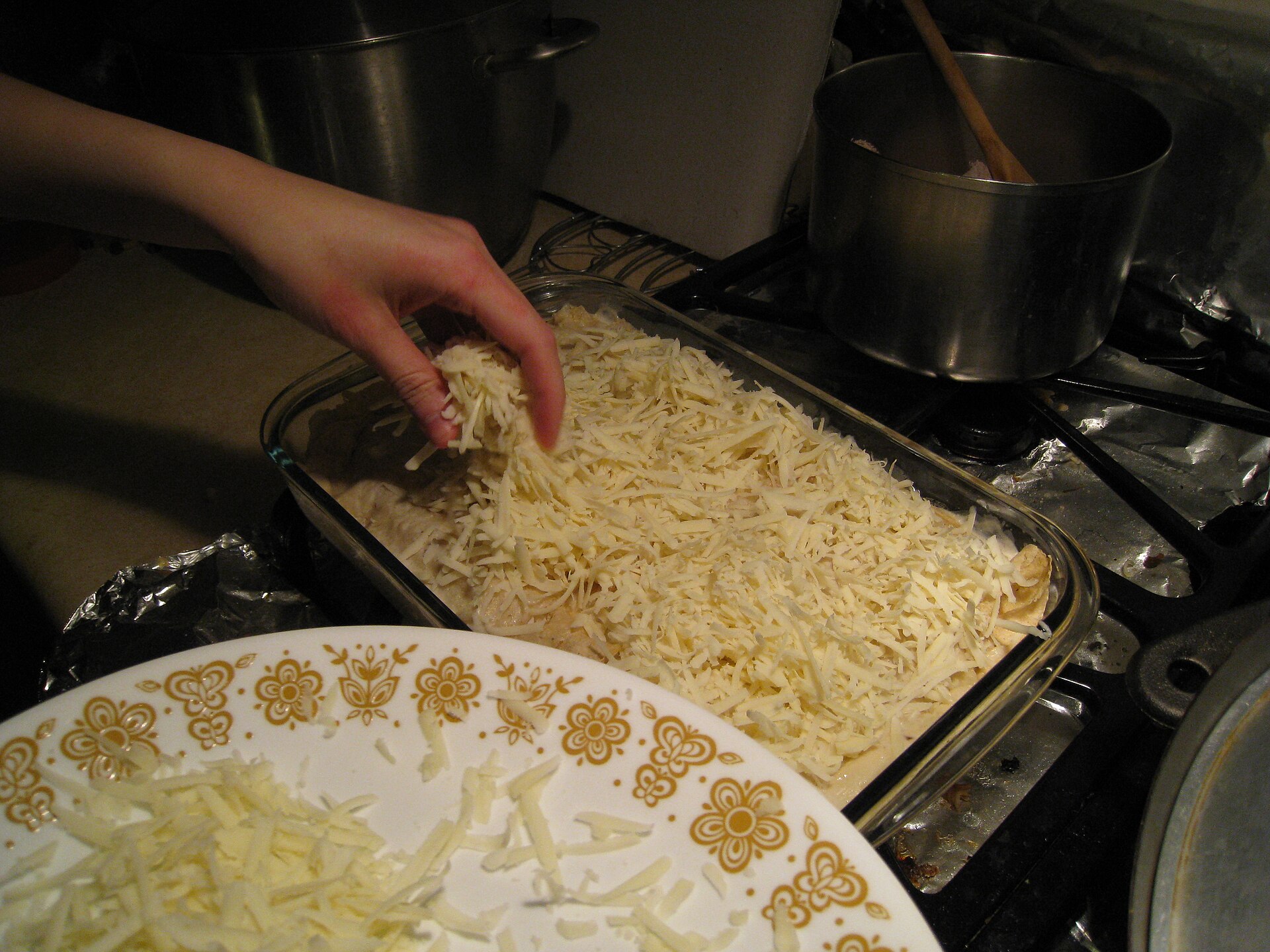
According to cheese.com, Monterey Jack traces back to Mexican Franciscan friars in Monterey, California, whose monasteries reportedly made a semi-firm, mild cow’s milk cheese around the 1700s. An entrepreneur named David Jack recognized its commercial value and sold it across California.
The name evolved from Jack’s Monterey. The cheese is made from pasteurized cow’s milk and tastes mild and buttery, and it melts well, which is why it is common in Mexican and Spanish cooking. Dry Jack is an aged version, and Pepper Jack is spiced with peppers.
4. Brick cheese: Named for the bricks used to press it
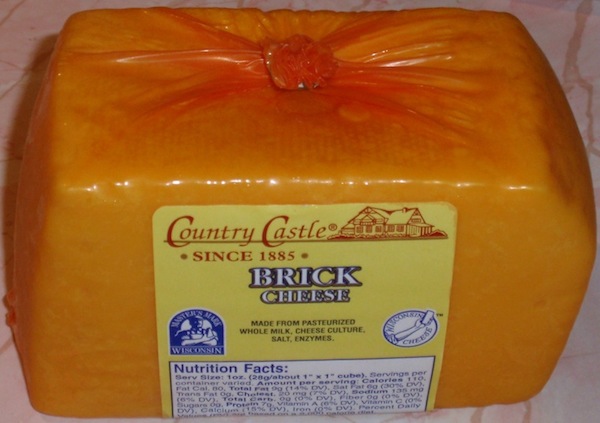
Brick cheese originated in Wisconsin, where production began in 1877, according to Wikipedia. It is formed into a brick shape because it was originally pressed using actual bricks.
Brick is cultured at a slightly higher temperature than cheddar-style cheeses, which gives it a slightly softer texture. Unaged, it tastes sweet and mild and melts well, while aged brick smells stronger and tastes nuttier. It is the traditional cheese for Detroit-style pizza, and its Wisconsin roots make it one of the clearly American-born cheeses on this list.
5. Cream cheese: A New York spread with a Philadelphia name
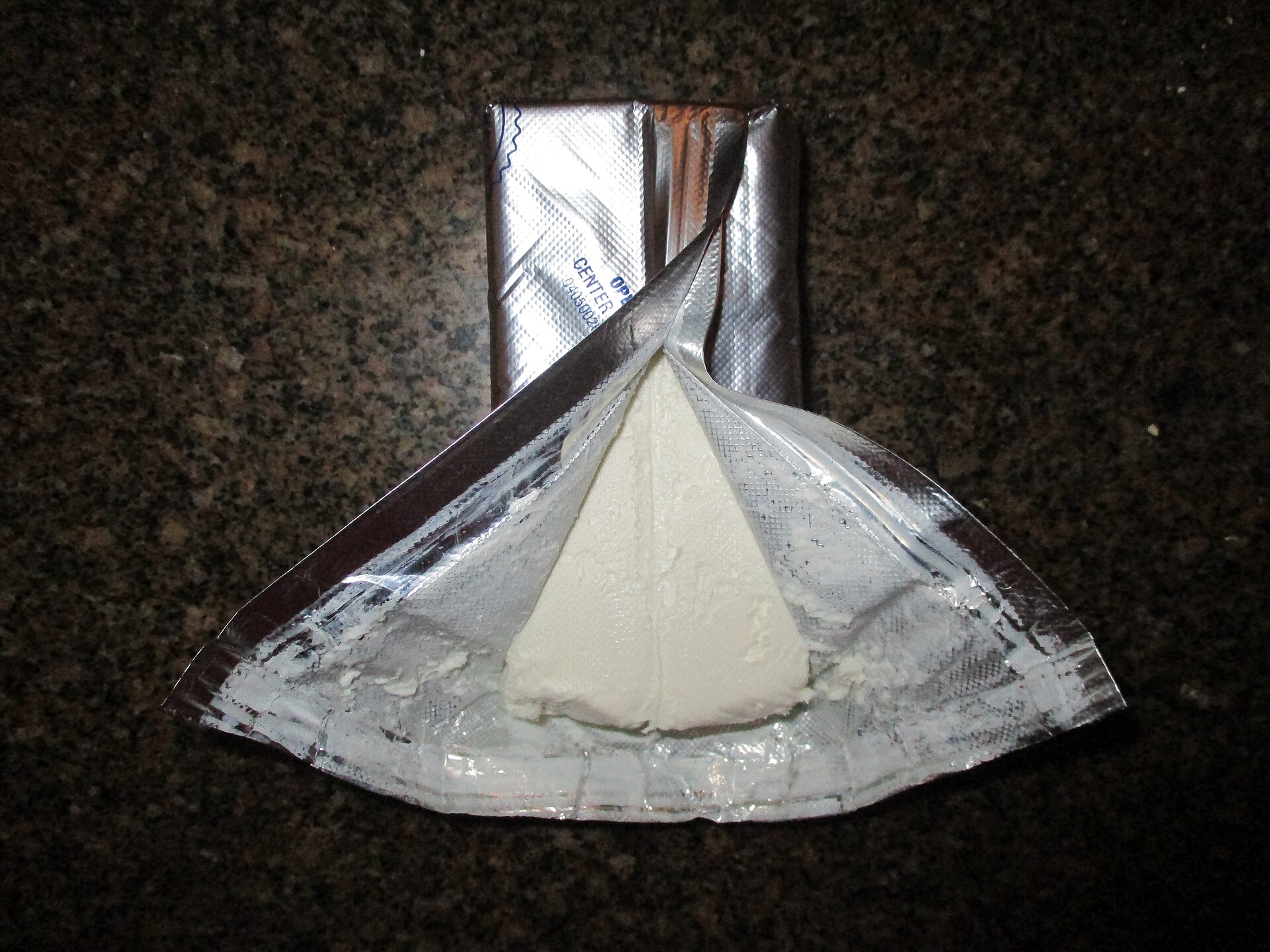
According to Pennsylvania Heritage magazine, New York dairyman William A. Lawrence is widely credited with inventing American cream cheese, and his company began making Neufchatel cheese in Chester, New York, in 1872. In 1875 it began adding cream.
A New York food distributor, Alvah Reynolds, began selling the product in 1880 as Philadelphia Cream Cheese, drawing on the reputation of Philadelphia-area dairy products. Reynolds sold the brand in 1903 to the Phenix Cheese Company, which merged with Kraft in February 1928.
6. Provolone: An Italian stretched-curd cheese
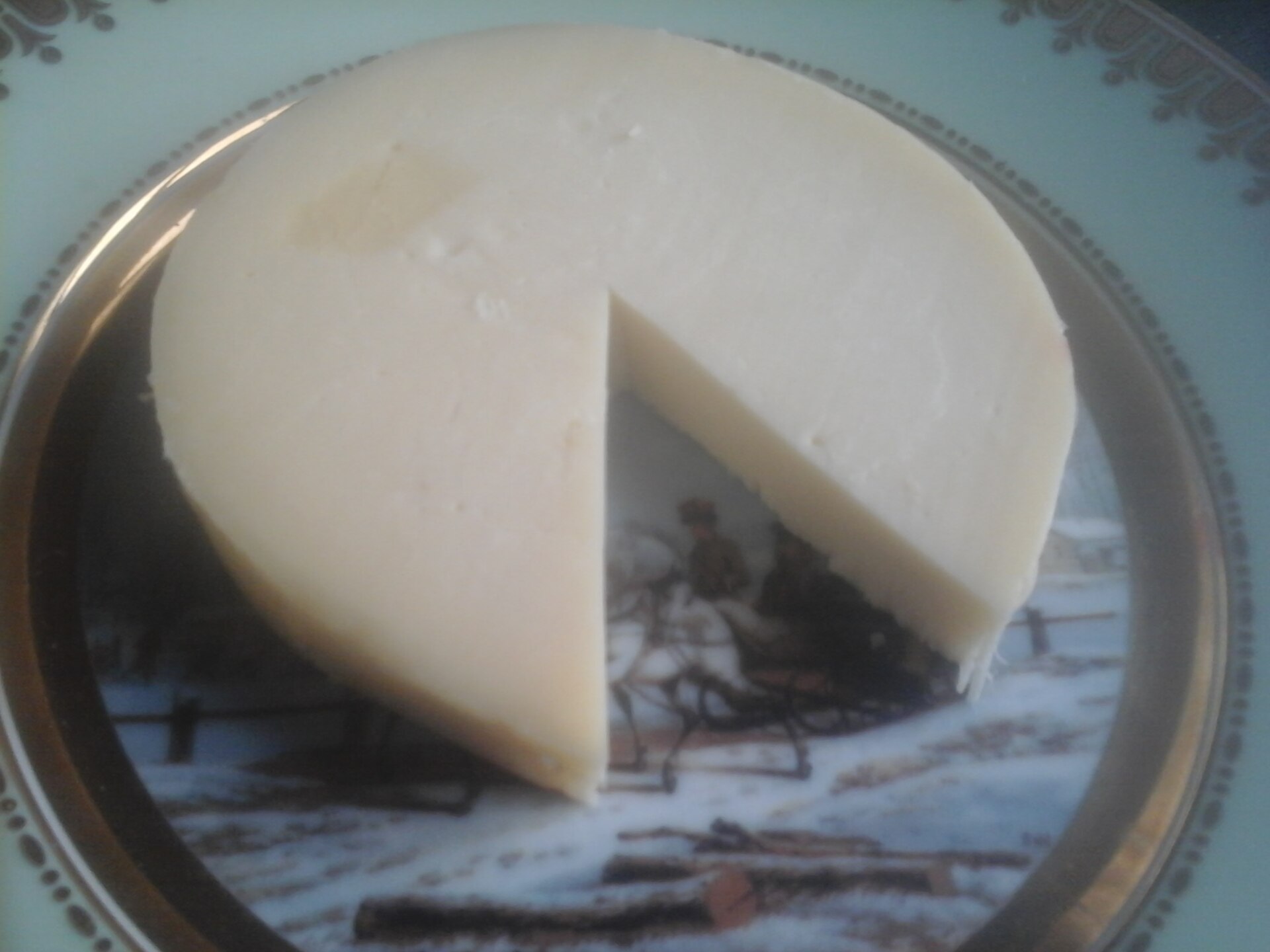
Provolone is an Italian semi-hard cow’s milk cheese originating in the Campania region, according to Wikipedia, and today its most important production region is northwestern Italy, especially Cremona. It is an aged pasta filata, or stretched-curd, cheese.
Taste varies widely. Provolone piccante is aged at least four months and is sharp, while dolce is very mild. Provolone Valpadana has protected designation of origin status in the European Union. Provolone made up 2.5 percent of cheese production in the United States, at 170,000 tonnes, or 370 million pounds, in 2023.
7. Mozzarella: Pizza’s stretchy favorite from Campania
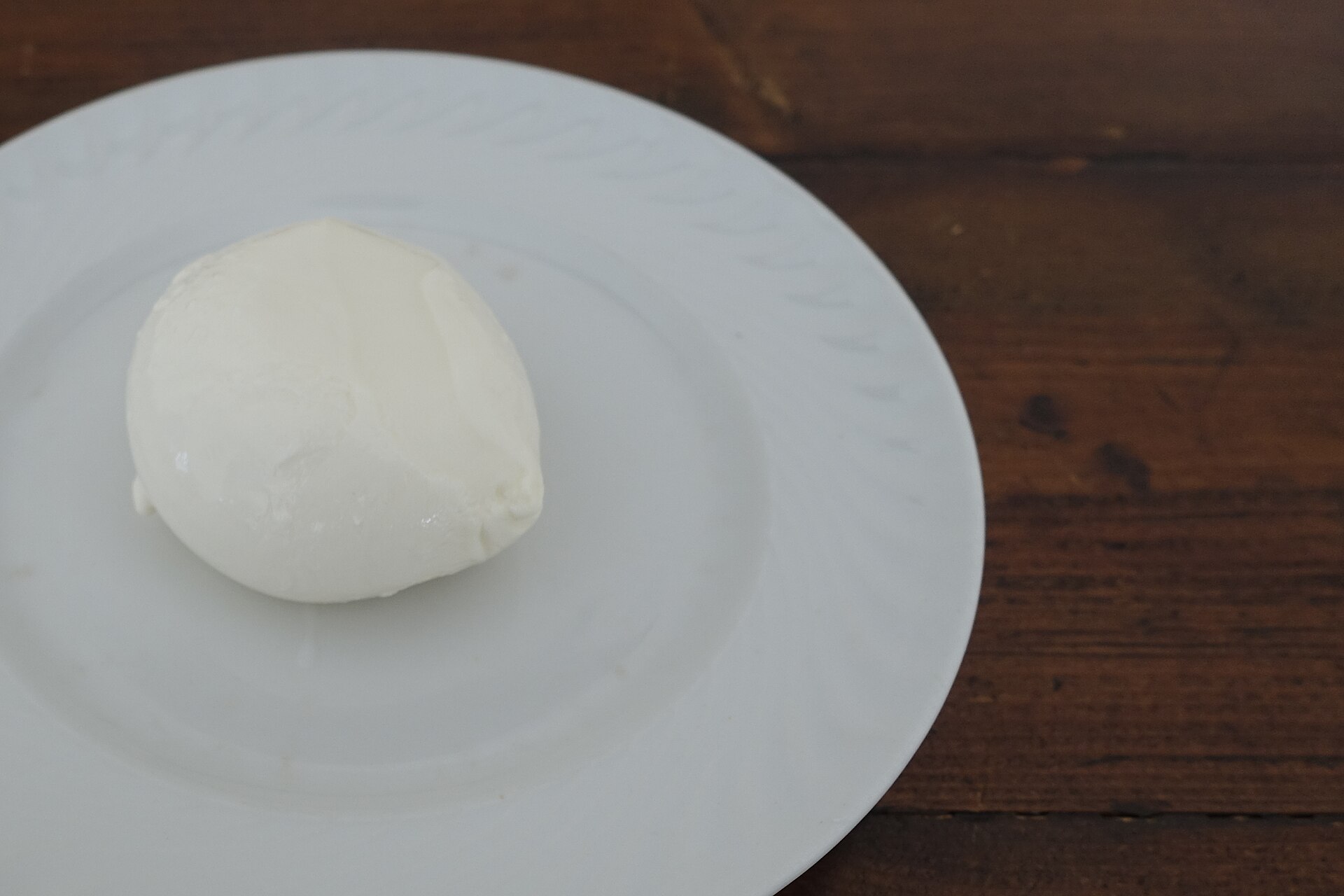
Mozzarella originated in Italy, mainly in the Campania region around Naples, according to cheese.com. Traditionally it was made from water buffalo milk, though cow’s milk is the norm in the United States.
Stretching and kneading the curds, a process called pasta filata, gives it an elastic quality, with a smooth, creamy texture and a mild taste. Fresh types such as fior di latte differ from low-moisture mozzarella. The page says it reigns supreme when it comes to the cheese pull of a freshly baked pizza.
8. Parmigiano-Reggiano: Italy’s protected grating cheese
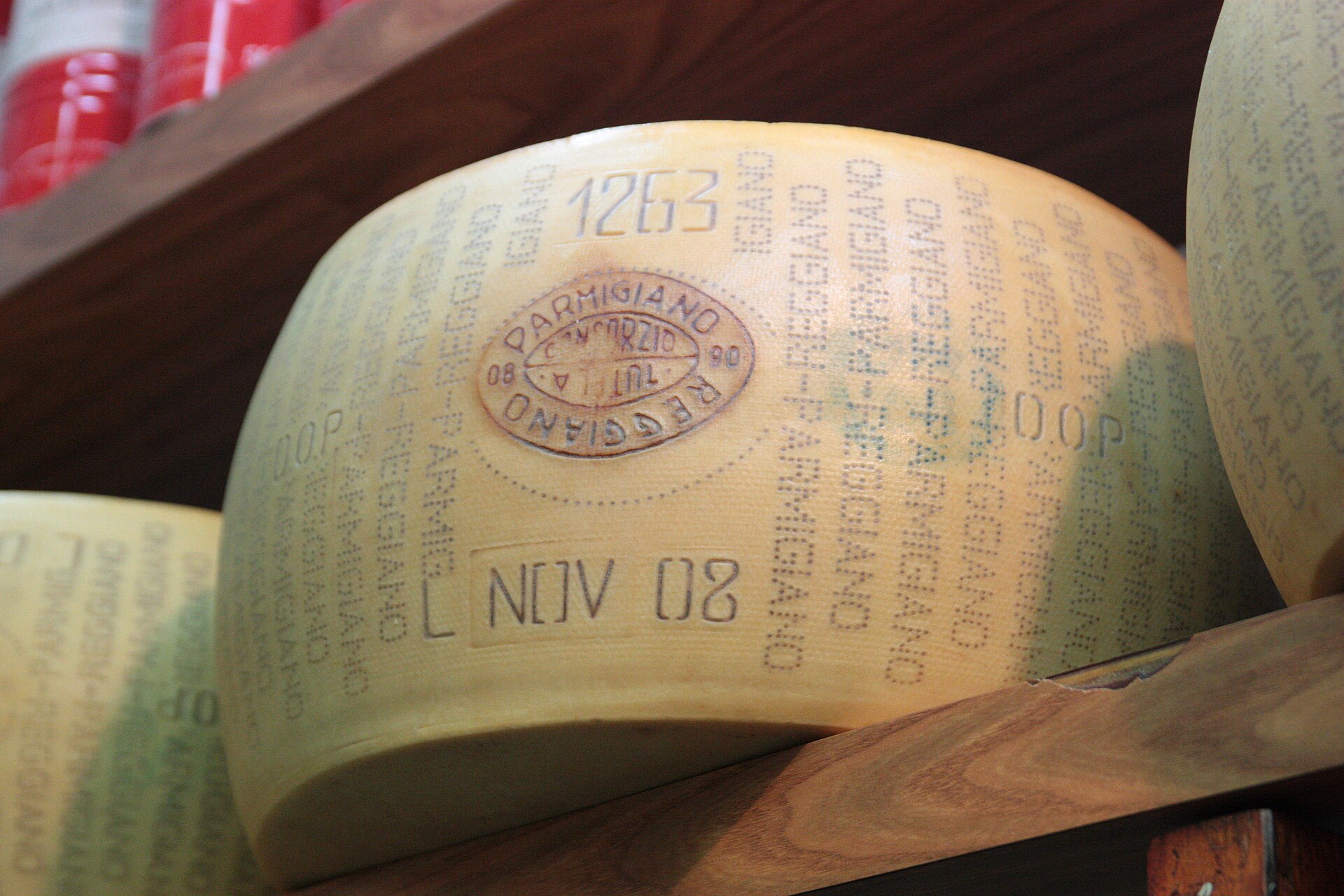
The Consortium for the protection of the cheese was set up in 1928 in Reggio Emilia, according to the Parmigiano Reggiano Consortium. In 1934, dairies from Parma, Reggio, Modena and Mantua, on the right of the River Po, formed an agreement to protect the product.
Wikipedia adds that the cheese is made from unpasteurised cow’s milk, must age at least 12 months and averages about two years. It holds protected designation of origin status in the European Union, and its earliest written record dates to 1254. It is commonly grated over pasta dishes.
9. American cheese: A processed cheese with a 1916 patent
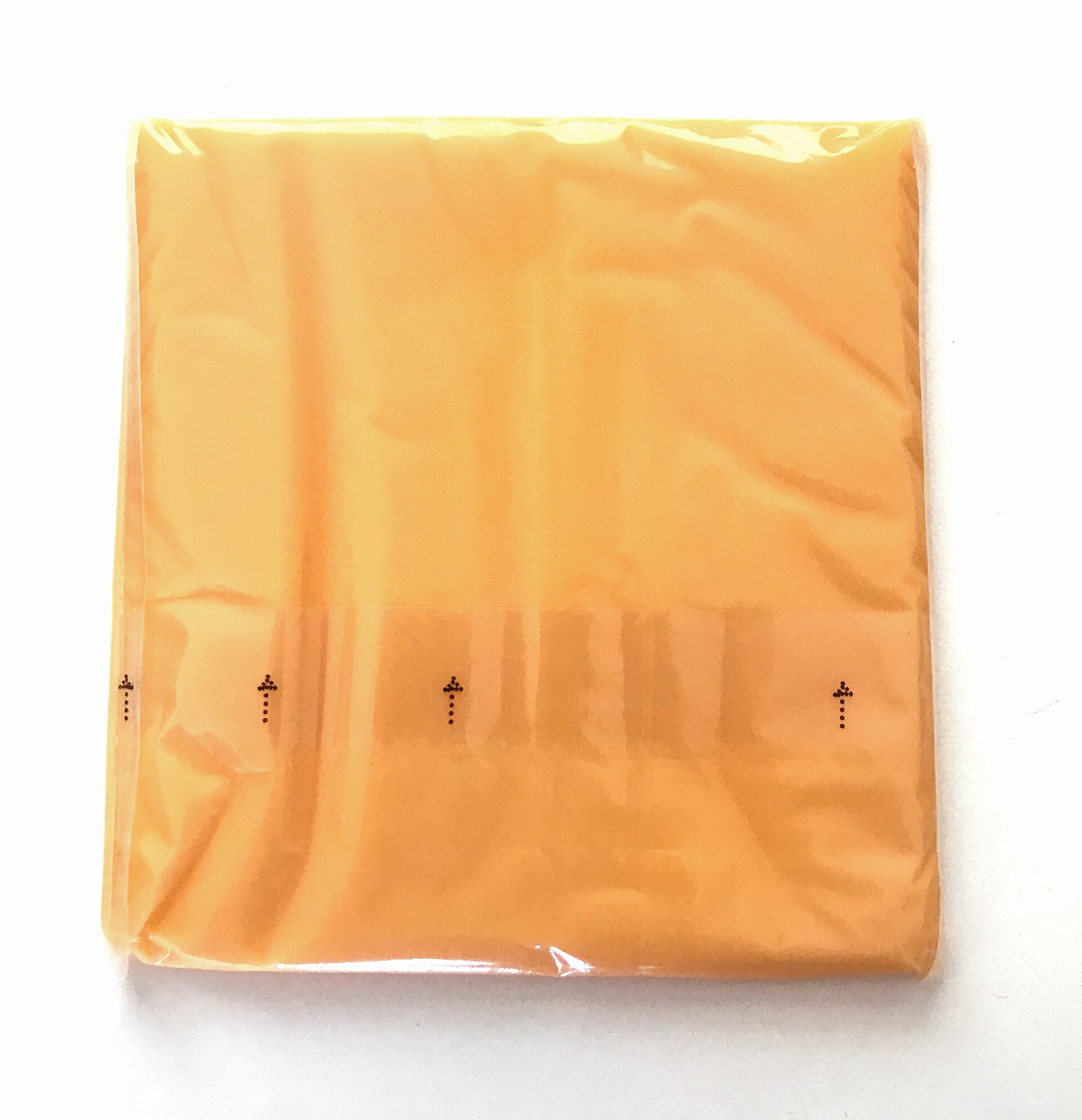
American cheese is a processed cheese usually made from cheddar, Colby or similar cheeses, according to Wikipedia. James L. Kraft developed the processed version in the 1910s and received a patent for the process in 1916.
Sodium citrate lets the cheese be pasteurized without its components separating, and at least 51 percent of the mix must be cheese. It has a low melting point and a smooth texture, which makes it a dependable ingredient in grilled cheese sandwiches, macaroni and cheese, omelets and cheeseburgers.
10. Muenster cheese: An American take on an Alsace cheese
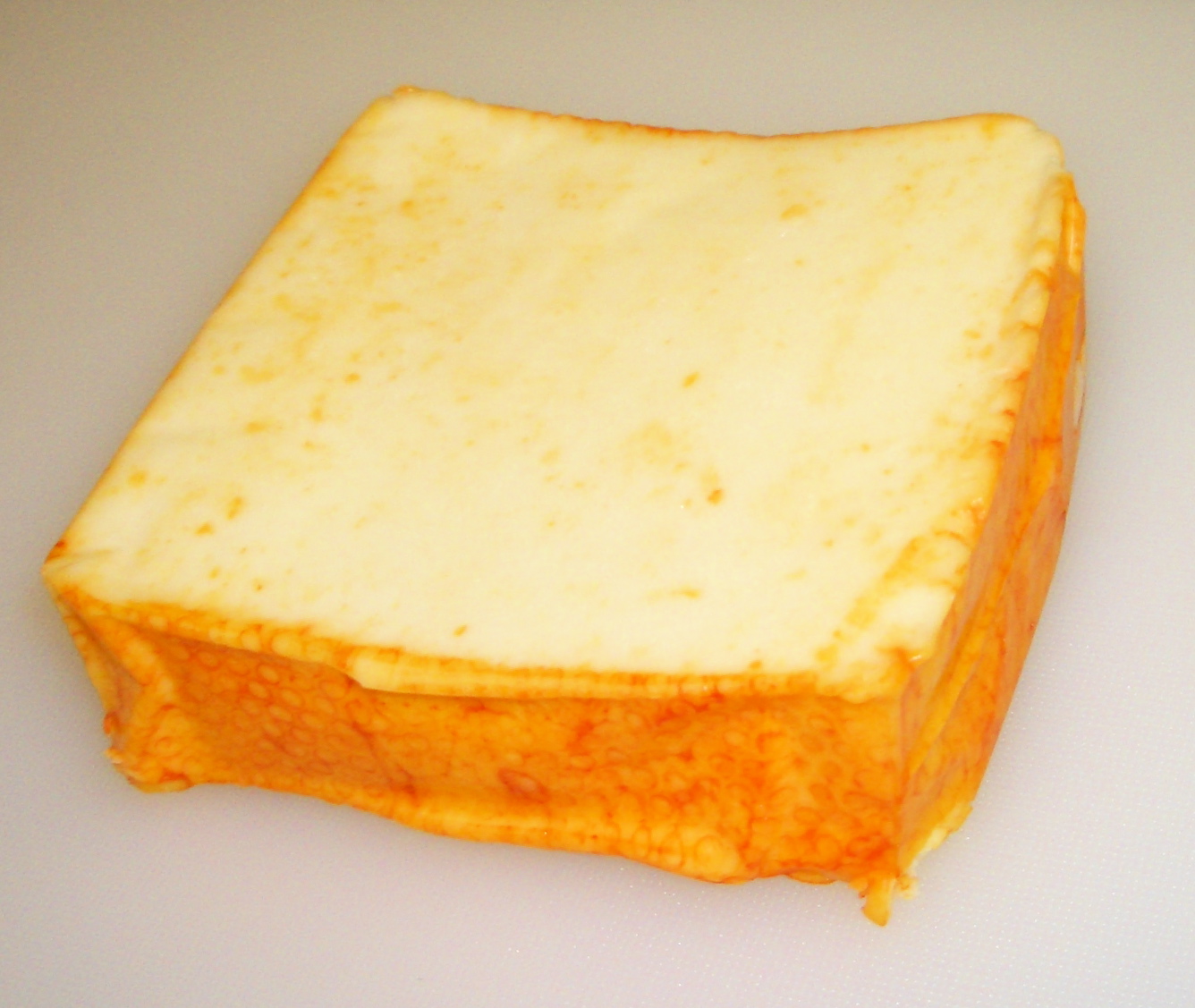
Muenster was created in the United States and popularized in the early twentieth century, according to Wikipedia. It is a semi-soft cheese that may imitate the French Munster from Alsace, which German immigrants knew.
American Muenster is made from pasteurized cow’s milk while Munster is made from unpasteurized milk with a washed rind that makes it much more pungent. The American version has an orange rind colored with annatto and a very mild flavor. Because it melts well, it is often used in grilled cheese, tuna melts and quesadillas.
This article was produced with AI assistance and edited for accuracy against the sources linked above.