Every apple has an origin story, and the orchard where it started helps explain how it tastes and how long it keeps. Some were discovered as chance seedlings, while others were bred on purpose at universities and research stations. Here are twelve apple varieties found in American grocery stores and orchards.
1. Honeycrisp: A Minnesota apple bred for cold winters
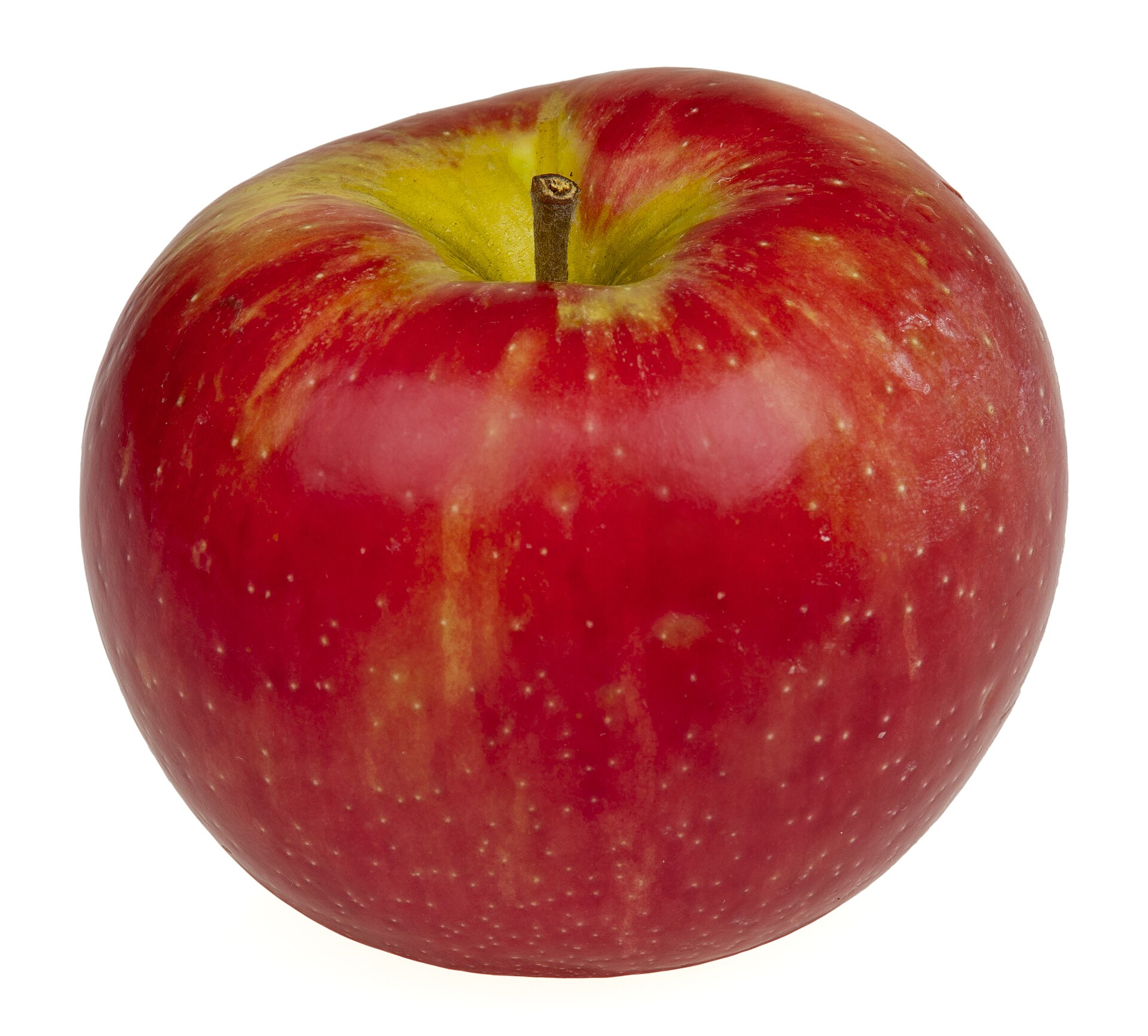
The Honeycrisp was developed through cross-pollination at the University of Minnesota Horticultural Research Center in Victoria, according to the Minnesota Historical Society. Its original seedling was cross-bred in 1960, and the apple was released to nurseries in 1991.
The society says Honeycrisp is known for its crunch and a honey-sweet taste with some tartness, and it keeps its snap for at least seven months in refrigerated storage. It is difficult to grow, and only 55 to 60 percent of the apples reach the market, so it sells for more than double the price of Gala or Granny Smith.
2. Granny Smith: A green apple discovered in Australia
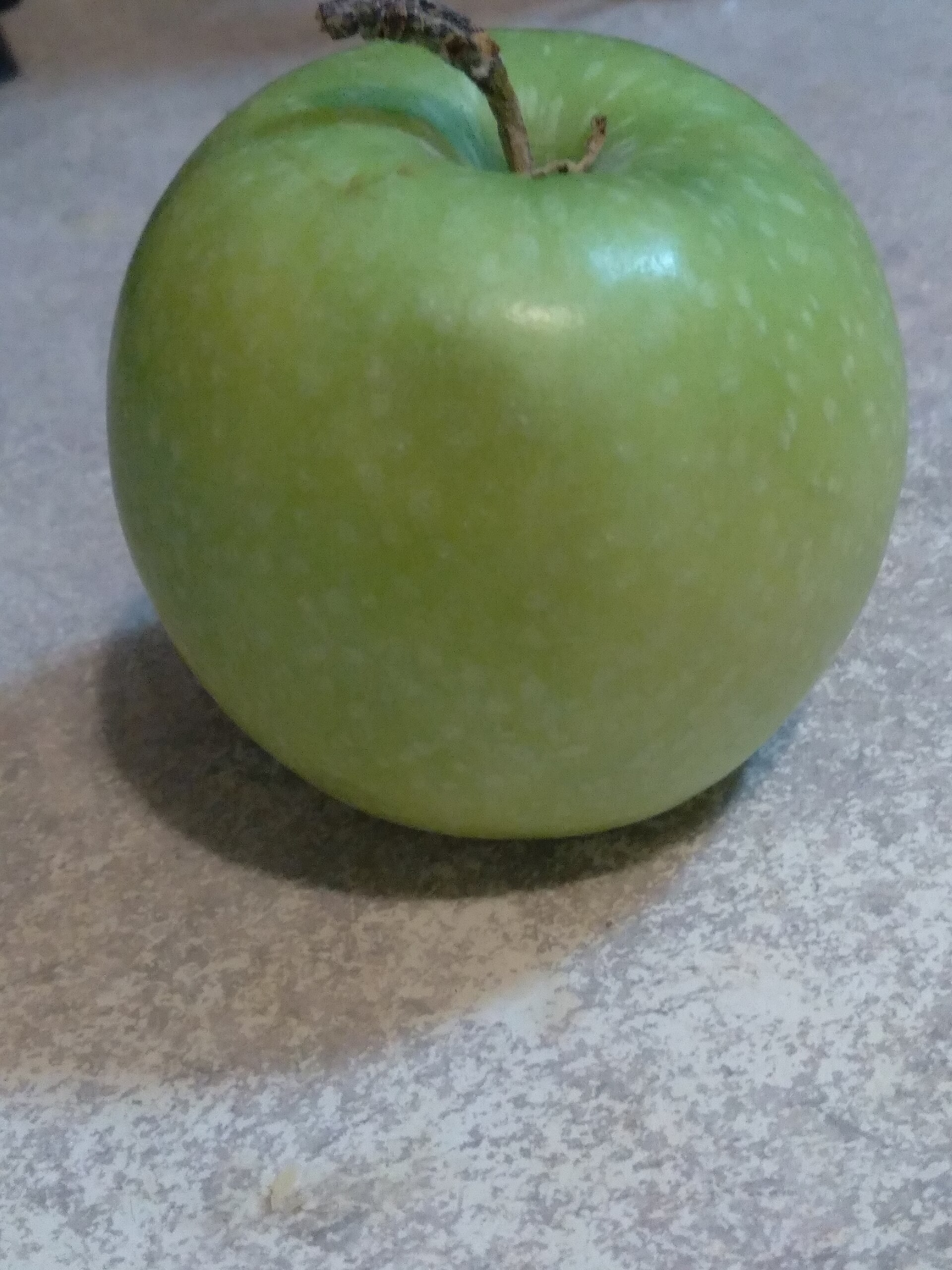
USApple says the Granny Smith is an Australian native, discovered in 1868 as a chance seedling by Anne Smith of Ryde, New South Wales. One parent might have been a French crabapple.
It has distinctive green flesh and a very tart flavor, and the association calls it an all-purpose apple suited to snacking, pies and sauce. Granny Smiths grown in the United States are harvested starting in August and are available year round, which makes the variety a fixture in grocery stores.
3. Red Delicious: The most widely recognized American apple
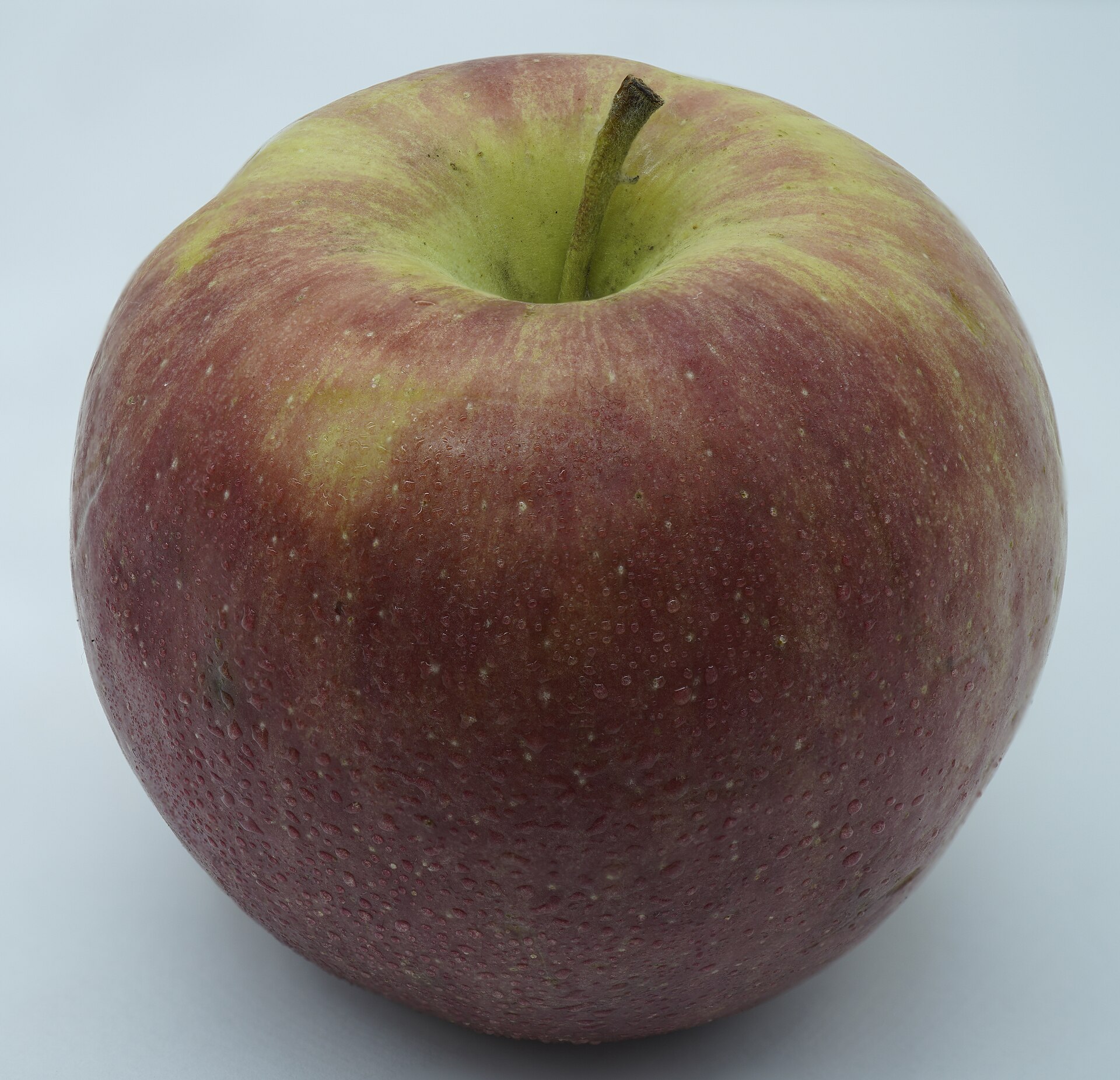
USApple calls Red Delicious the most widely recognized of all American apple varieties and says it originated in Iowa in the 1870s. The apple is sweet, crisp and juicy, with skin that ranges from striped red to a solid, deep red.
Western-grown fruit is elongated with pronounced feet, while Eastern-grown apples are rounder. It is best eaten fresh or in salads. A Cornell University tip sheet adds that the variety was commercialized in 1914 and that its original bi-colored look shifted to full red over time, with an accompanying loss of flavor.
4. Golden Delicious: A mild, honey-like baking apple
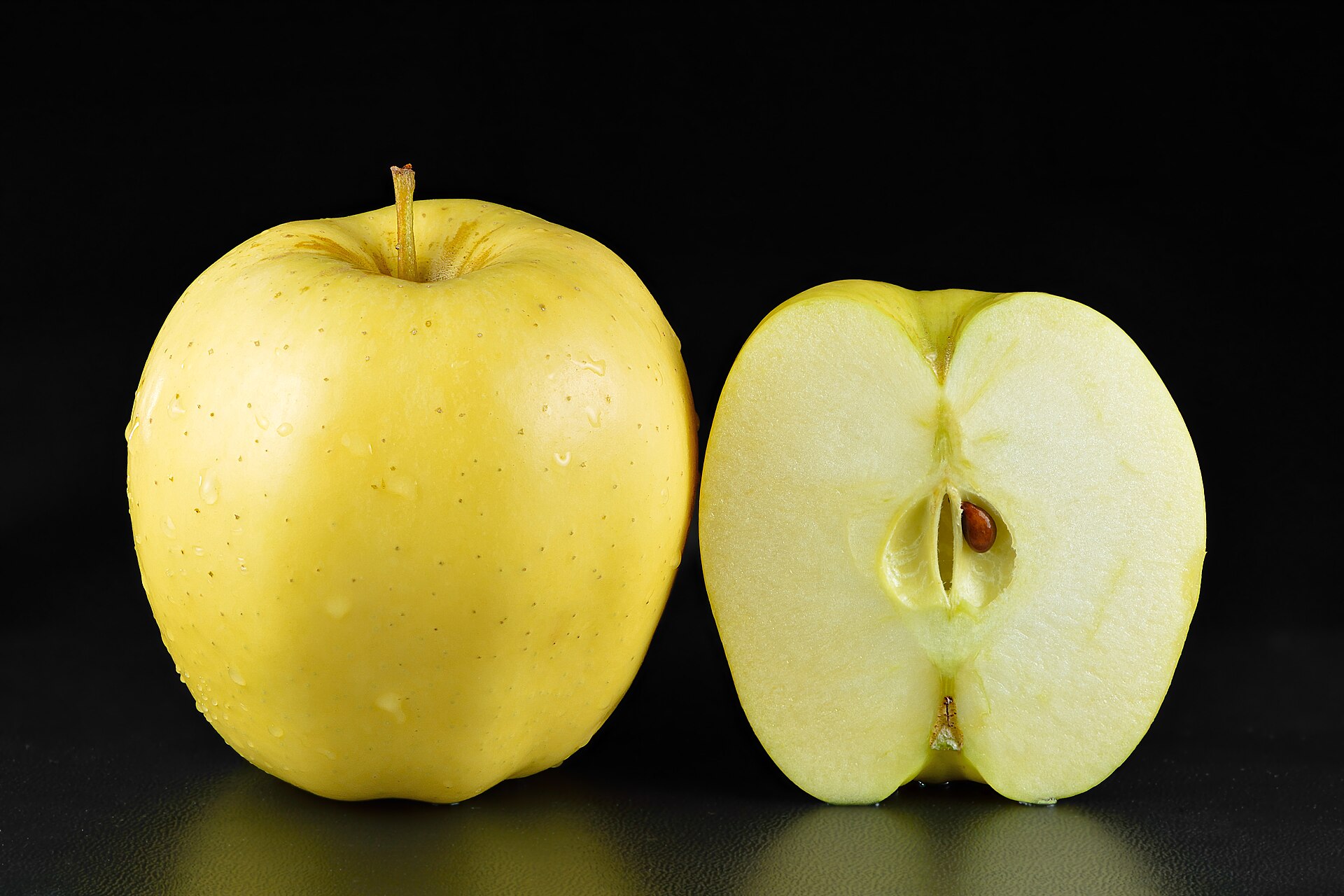
USApple describes Golden Delicious as an apple lite for people who prefer a mild, sweet fruit. The apples are yellow, sometimes with a pink blush, and taste honey-like and buttery with no tartness.
The association says Golden Delicious is good for baking, especially pies and crisps, and suggests pairing it with a tart apple such as Granny Smith. The variety also figures in other apples’ family trees, since Cornell notes that Gala descends from it, and Honeycrisp is counted as its grandchild.
5. McIntosh: A Canadian seedling found in 1811
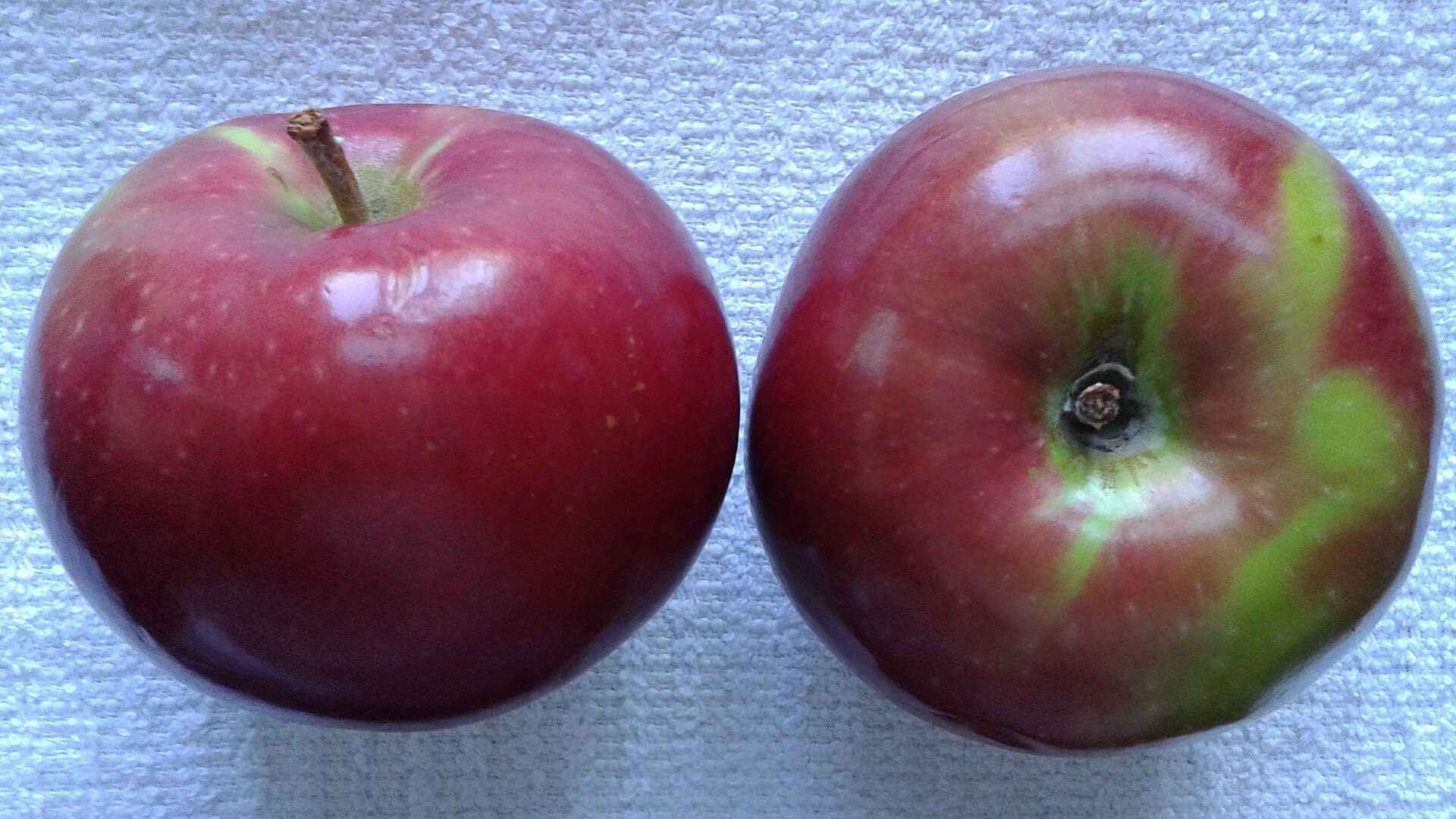
USApple says the McIntosh was discovered as a chance seedling by John McIntosh in 1811. It has a deep-red finish that sometimes shows a green blush, and its flesh is tender and white.
The flavor is juicy, tangy and tart, and the apple is best for snacking and applesauce. It is typically available from September through May. Because it breaks down easily when cooked, the association advises cutting slices thick or adding a thickener when baking it in a pie.
6. Gala: A New Zealand cross that rose to the top
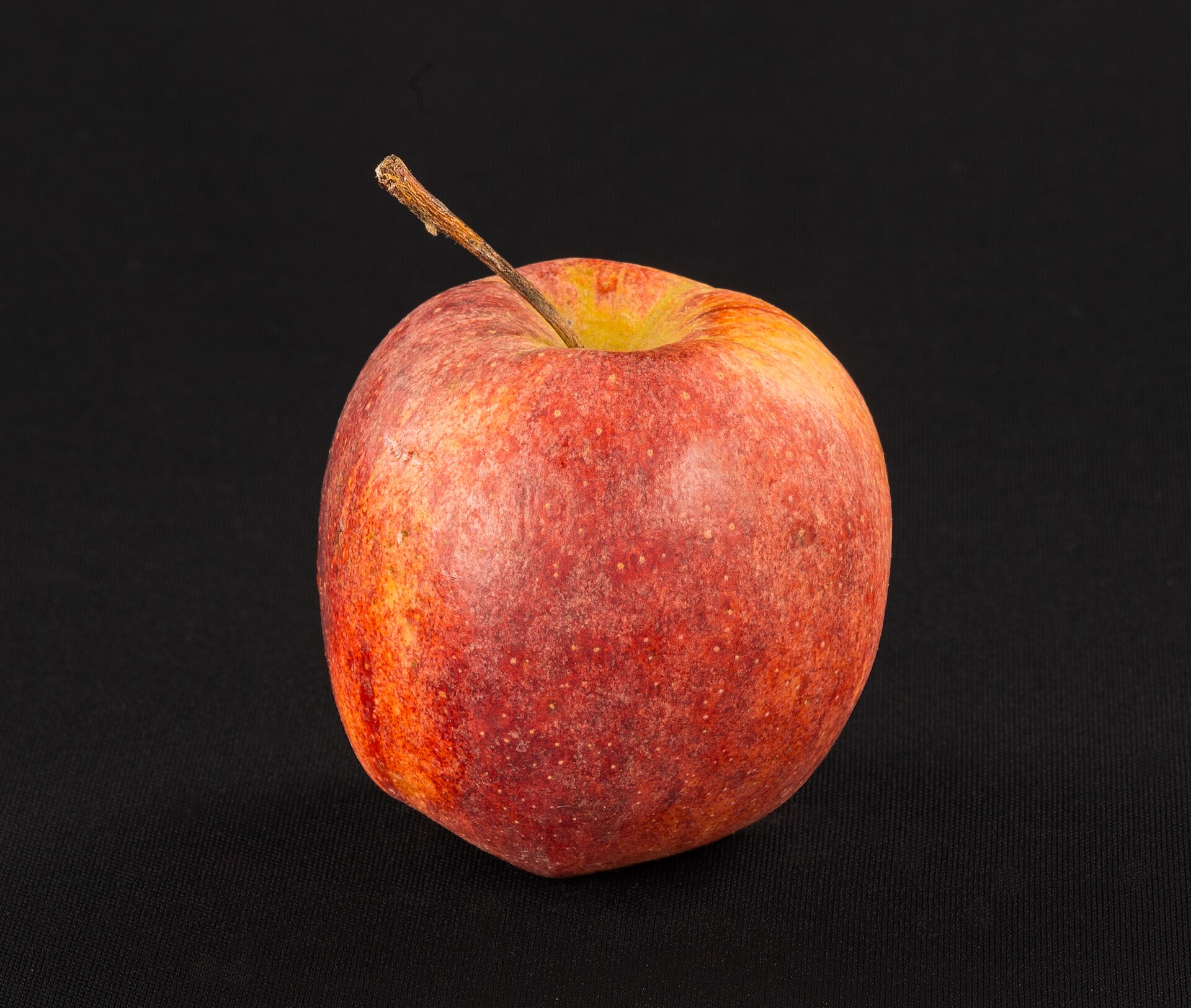
According to a Cornell University tip sheet, Gala was planted in New Zealand in the 1930s as a cross of Golden Delicious and Kidd’s Orange Red. It received its American patent in 1974.
Cornell apple expert Susan Brown describes the flavor as sweet and spicy. The tip sheet says Gala took a while to approach the top spot, and in 2018 USApple predicted it would take the title of most popular apple from Red Delicious. The association’s own page calls Gala very sweet, crisp and juicy.
7. Fuji: A Japanese cross of two American apples
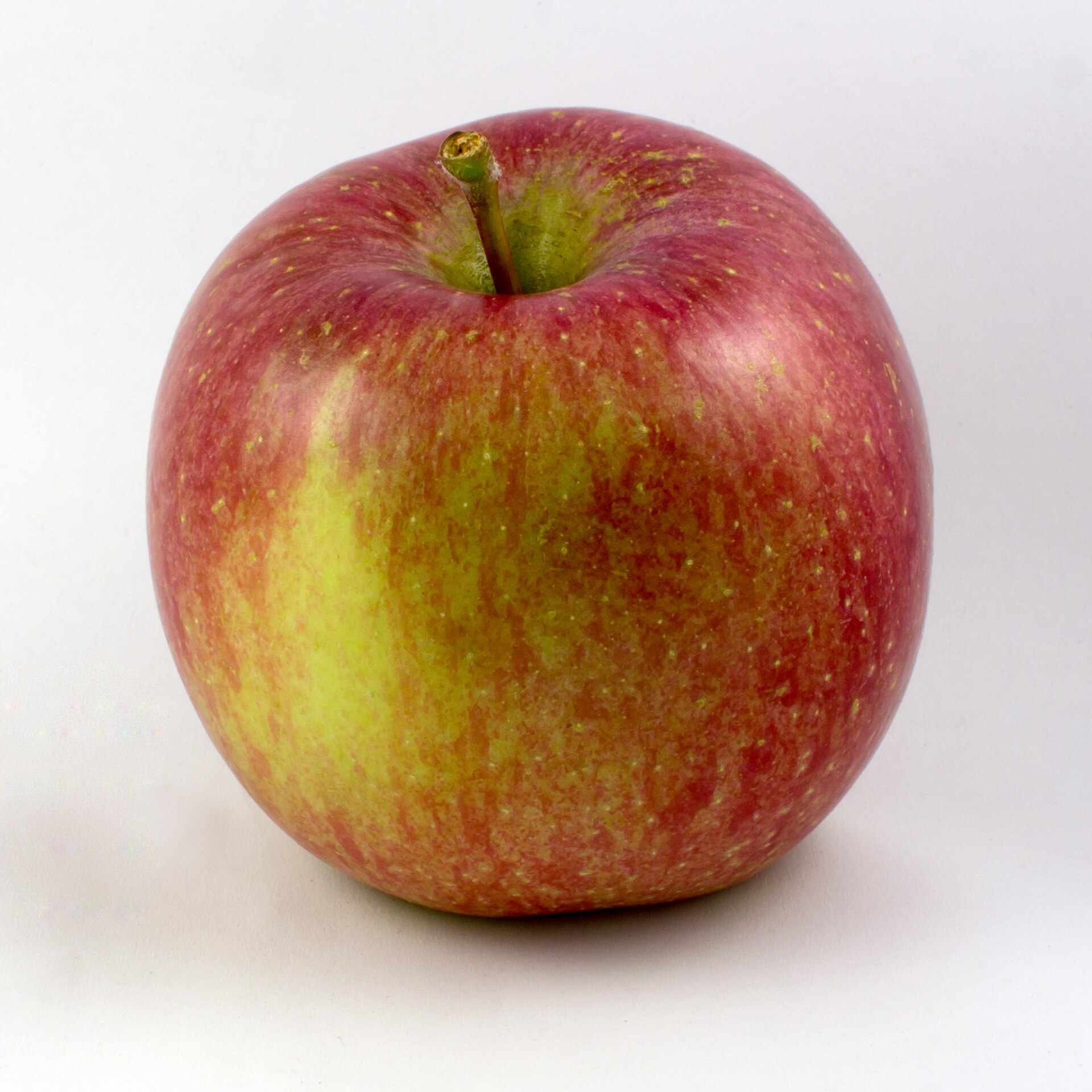
The Wikipedia article on Fuji says it was developed in 1939 at the Tohoku Research Station in Fujisaki, Aomori, Japan, as a cross of Red Delicious and Ralls Janet. It was named and released in 1962, and the name comes from the first part of Fujisaki.
The apple is sweet and crisp, and it keeps well even without refrigeration, remaining fresh for up to a year with it. In 2016 and 2017, Fuji made up nearly 70 percent of China’s 43 million tons of apples. In the United States it ranked fifth among the most popular varieties as of 2024.
8. Empire: A New York cross of McIntosh and Red Delicious
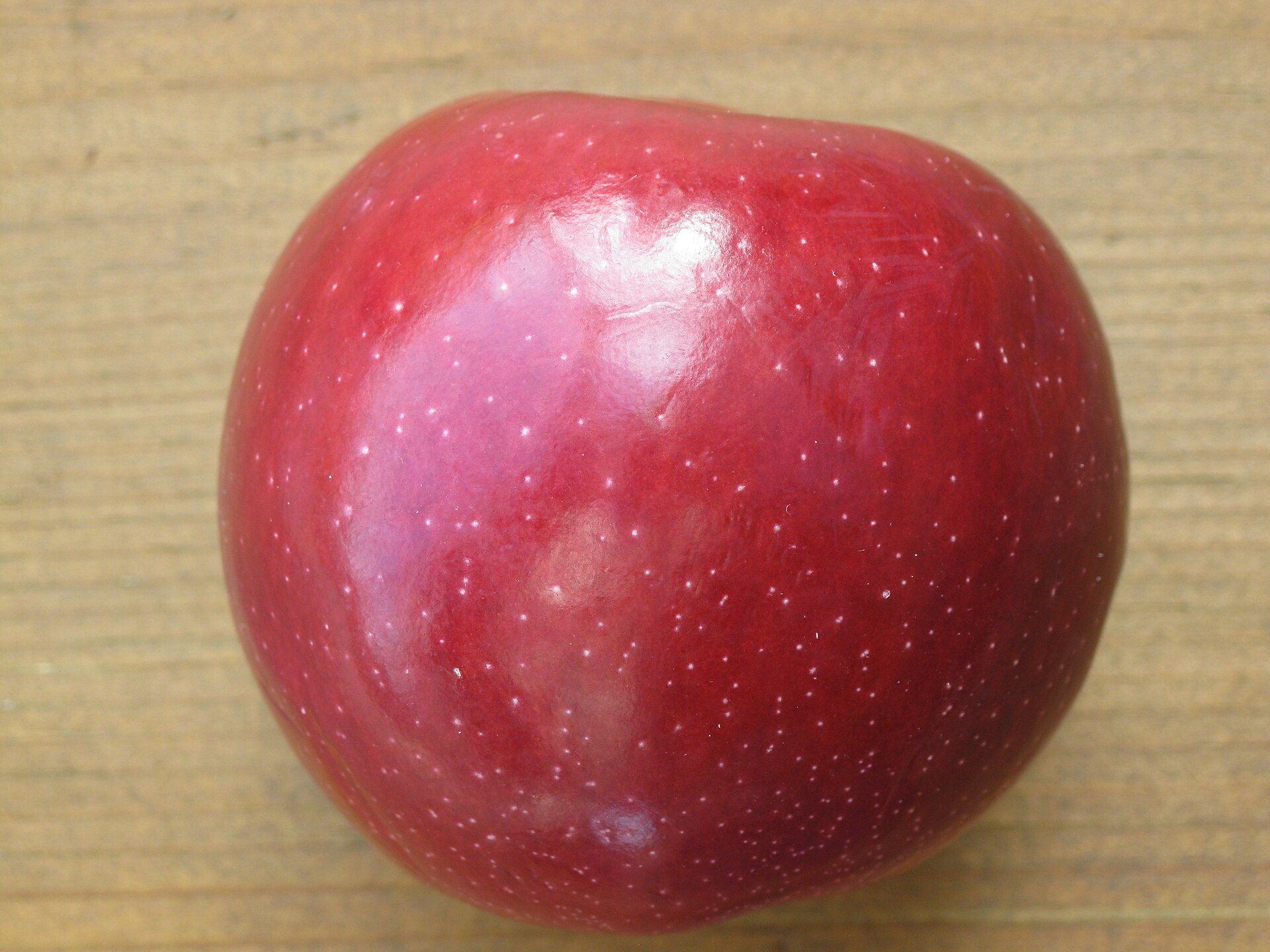
According to Wikipedia, Empire came from a seed sown in 1945 by Lester C. Anderson of Cornell University, a cross between McIntosh and Red Delicious. Scientists at the New York State Agricultural Experiment Station in Geneva tested its offspring, and the apple was released in 1966.
Roger Way named it after New York State. Empire is described as crisp, sweet, tart and juicy, and it browns more slowly than most varieties. Its resistance to bruising makes it a good choice for lunch boxes, and it works in sauces, baking and pies as well as in salads.
9. Pink Lady: A blush-pink apple from Australia
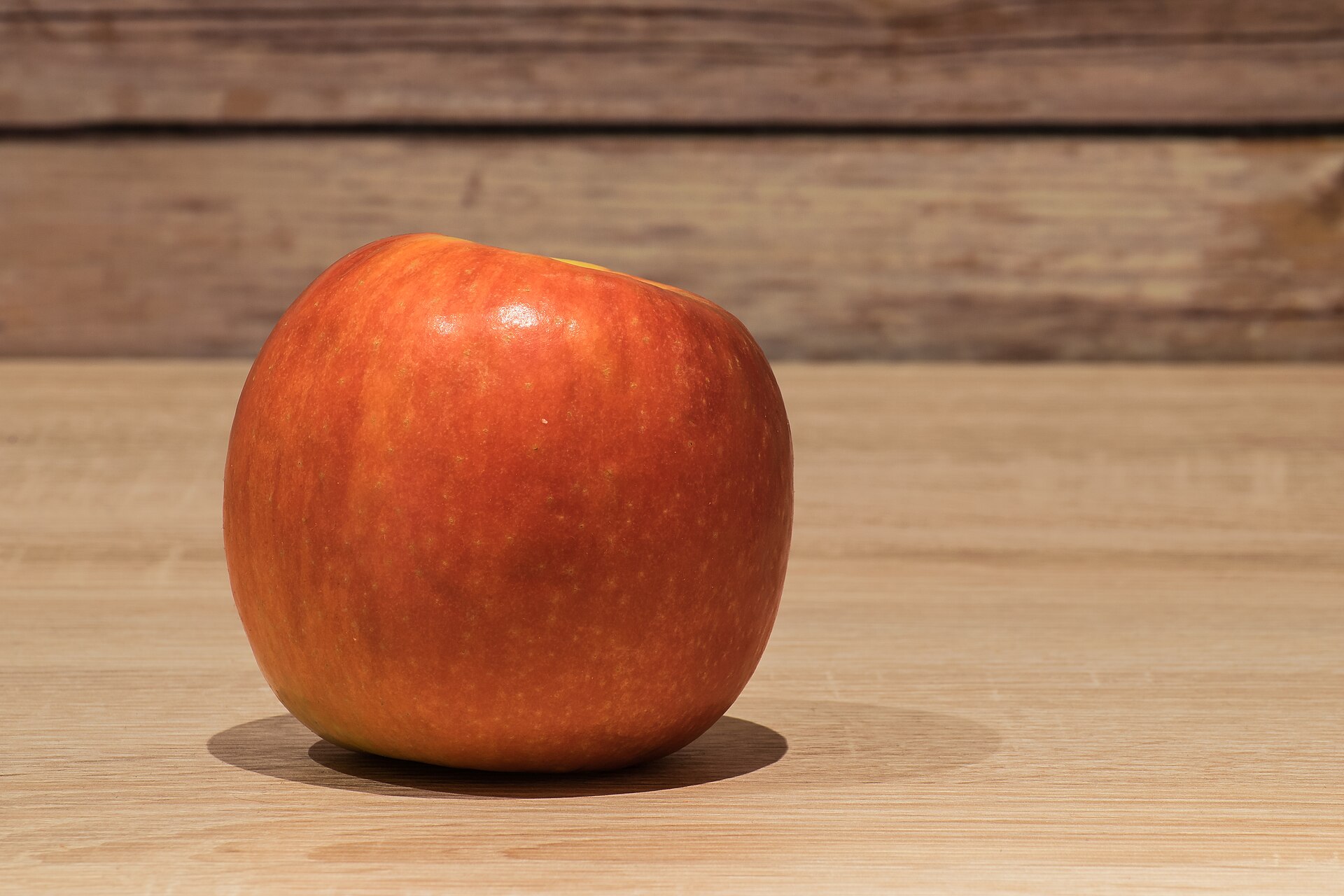
The Pink Lady America site says John Cripps cross-bred the first Cripps Pink apple in Australia in 1973, from Golden Delicious and Lady Williams. The apples soak up 200 days of sunshine, which gives them a rosy blush.
Pink Lady apples are always the first to blossom and the last to be harvested, the site says. Only the best fruit is hand-picked and earns the Pink Lady seal of approval, a pink, heart-shaped sticker. Orchards are in France, Spain, Italy, Australia, New Zealand, South Africa, Chile and Argentina.
10. Cosmic Crisp: A Washington State University breeding success
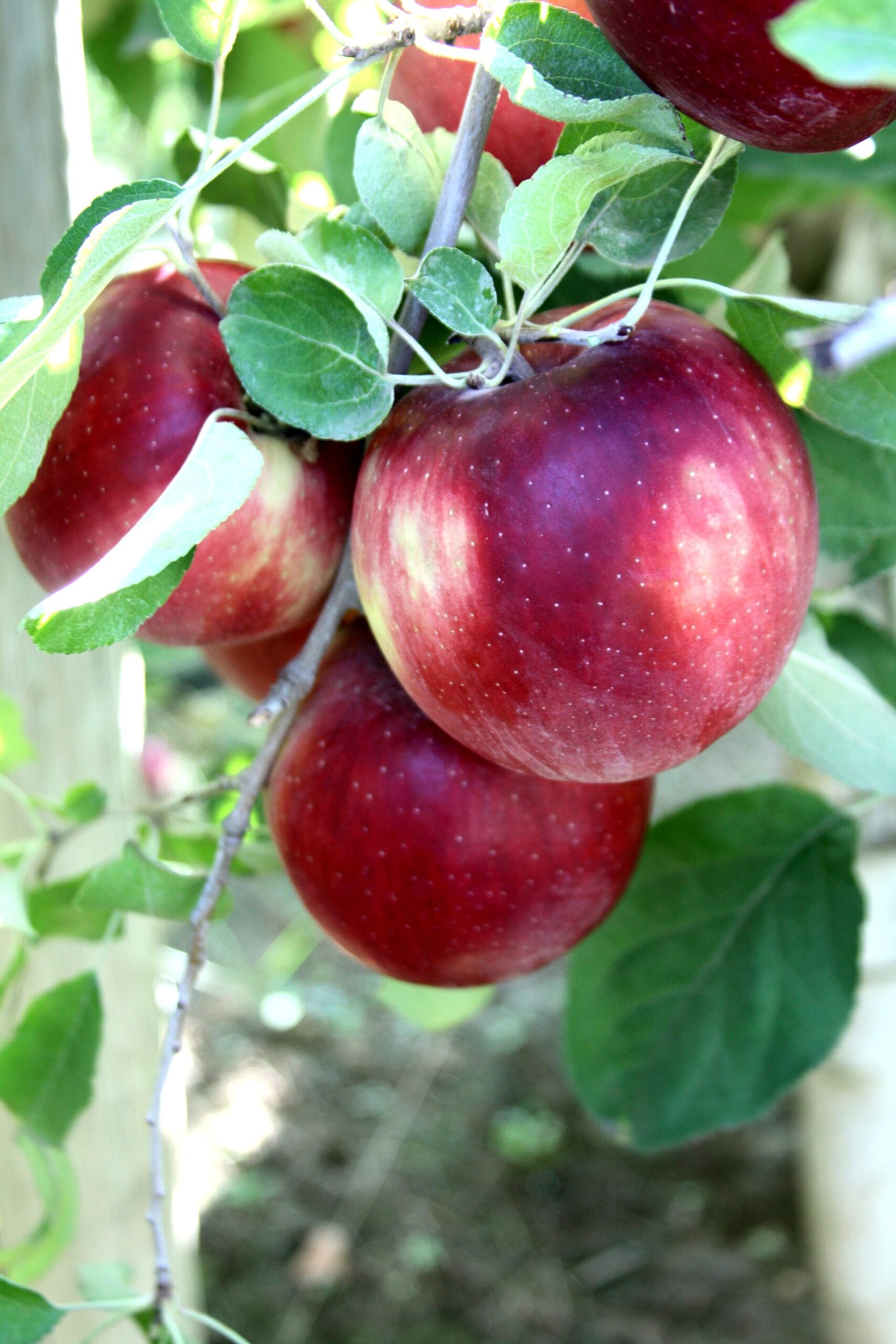
The Washington State University Foundation says Cosmic Crisp came from a 1997 cross of Enterprise and Honeycrisp, made by breeder Bruce Barritt. The seedling was planted in 1999 at the university’s Columbia View Orchard, and the university owns the patent.
Consumers named the apple in focus groups, and the white specks on its skin resemble stars against a red sky. High sugar and higher acidity help it keep its flavor after long shipping, and in controlled-atmosphere storage it stays crisp into the next harvest. Within three years, the industry planted over 11.5 million trees.
11. Braeburn: A chance seedling from New Zealand
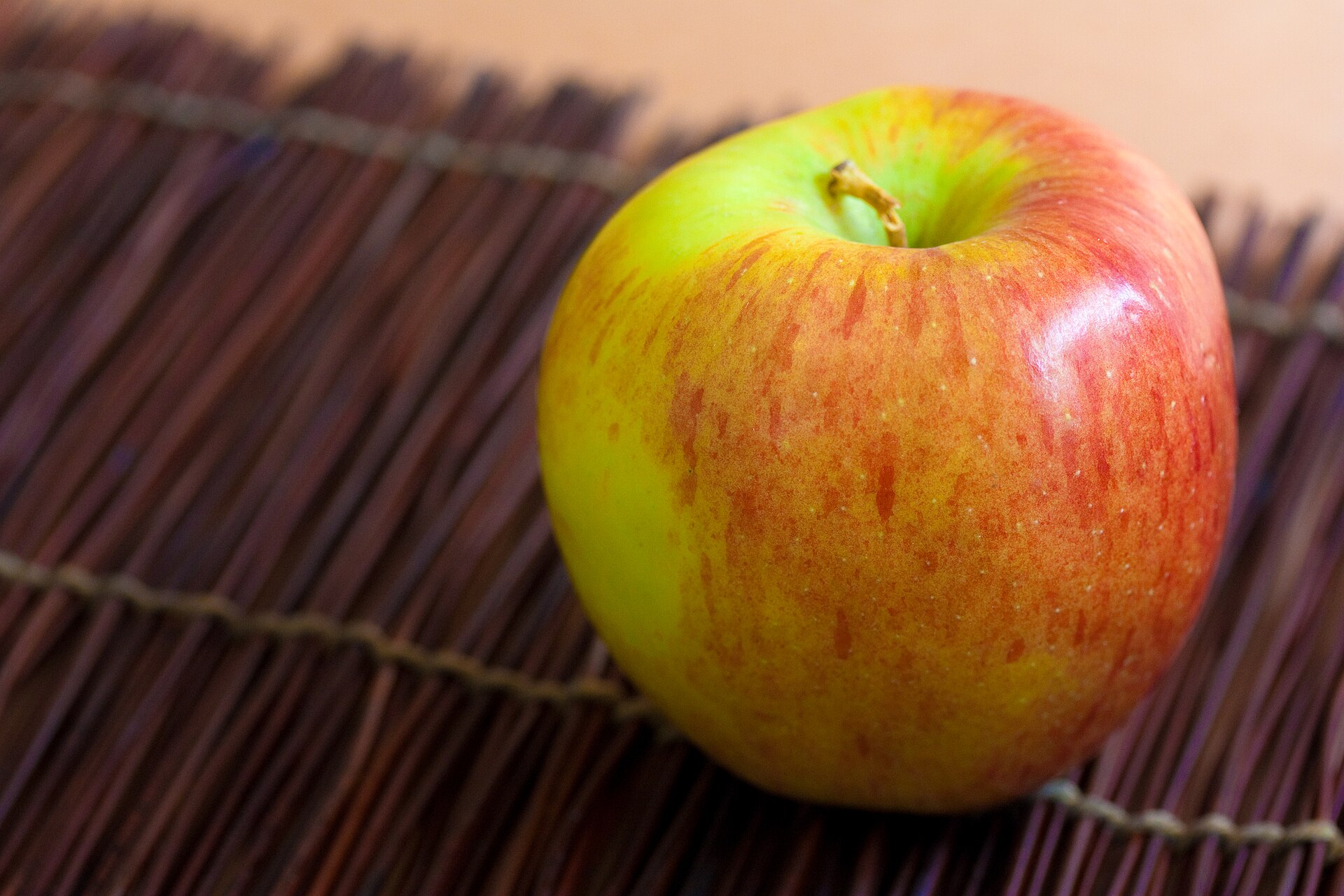
According to Wikipedia, Braeburn was discovered as a chance seedling in 1952 by farmer O. Moran in the Moutere Hills near Motueka, New Zealand. A 2020 study concluded that it is the offspring of Delicious and Sturmer Pippin.
The apple has a combination of sweet and tart flavor and is medium to large in size. Braeburns hold their shape and do not release a great deal of liquid when cooked, which makes them well suited to tarts.
12. Cortland: A New York apple that resists browning
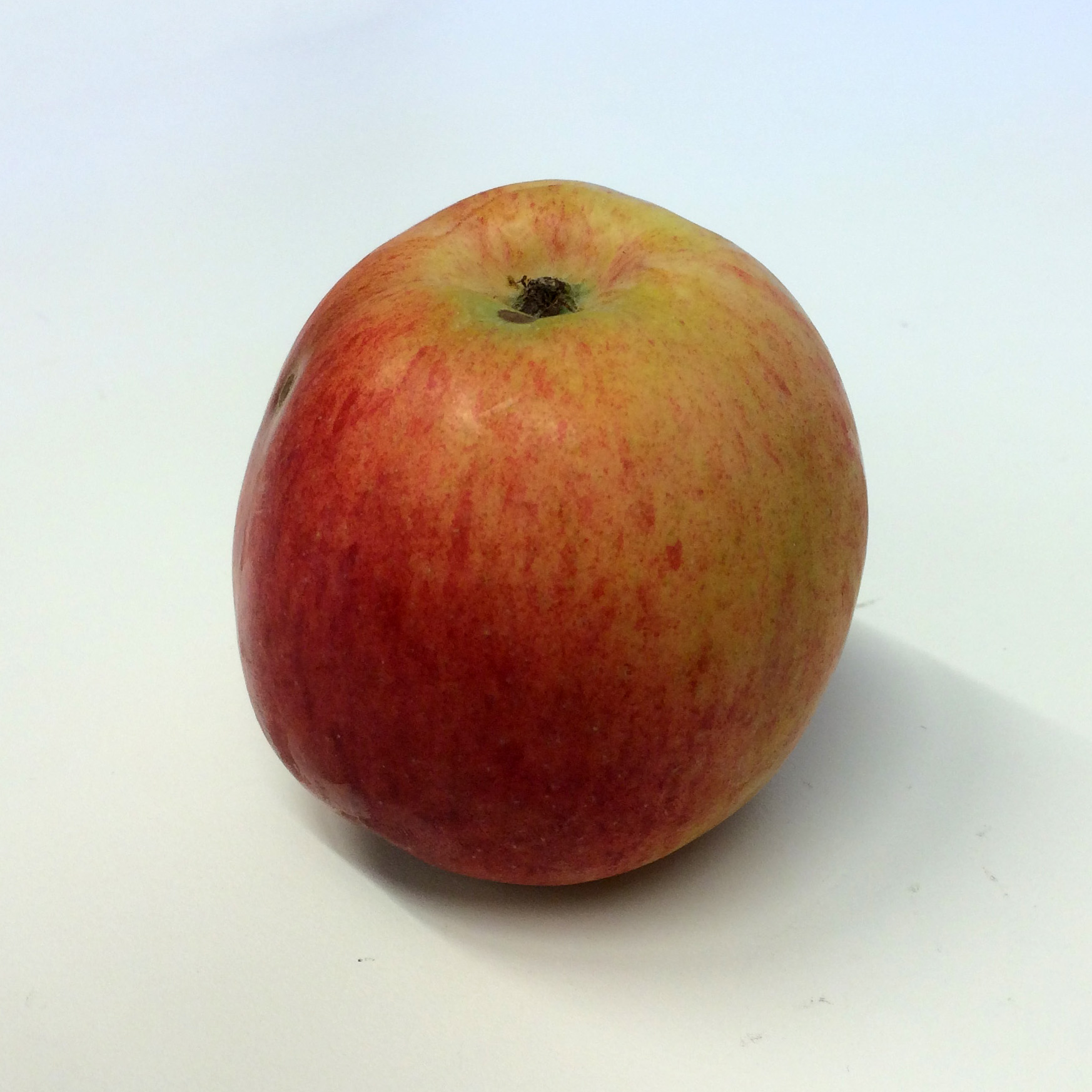
According to Wikipedia, Cortland is a cross of McIntosh and Ben Davis, developed in 1898 by S.A. Beach at the New York State Agricultural Experiment Station in Geneva, New York. It was named after Cortland County and introduced in 1915.
The flesh is white and juicy, and the apple is sweeter than McIntosh and resistant to browning, which makes it a good choice for fruit salads and charcuterie boards. It is often blended with tarter McIntosh in pie filling, and applesauce made with Cortland takes on a pink tinge.
This article was produced with AI assistance and edited for accuracy against the sources linked above.