You finish a load of laundry, remove your clothes, take a glance at the washing machine, and close the door. It seems like the natural thing to do, especially if you like keeping your laundry area neat.
But that little habit could be creating a problem inside your washing machine.
Appliance manufacturers recommend leaving the washing machine door slightly open after a wash cycle. The reason is simple: closing the door right away can trap moisture in the drum, creating conditions that encourage mold, mildew, and unpleasant smells.
If you’ve ever pulled freshly washed clothes out of the machine only to notice a musty smell, your laundry routine could be part of the problem.
Here’s why leaving the washing machine door open matters and what you should do after every load to keep your appliance clean and fresh.
Closing the Door Traps Moisture Inside
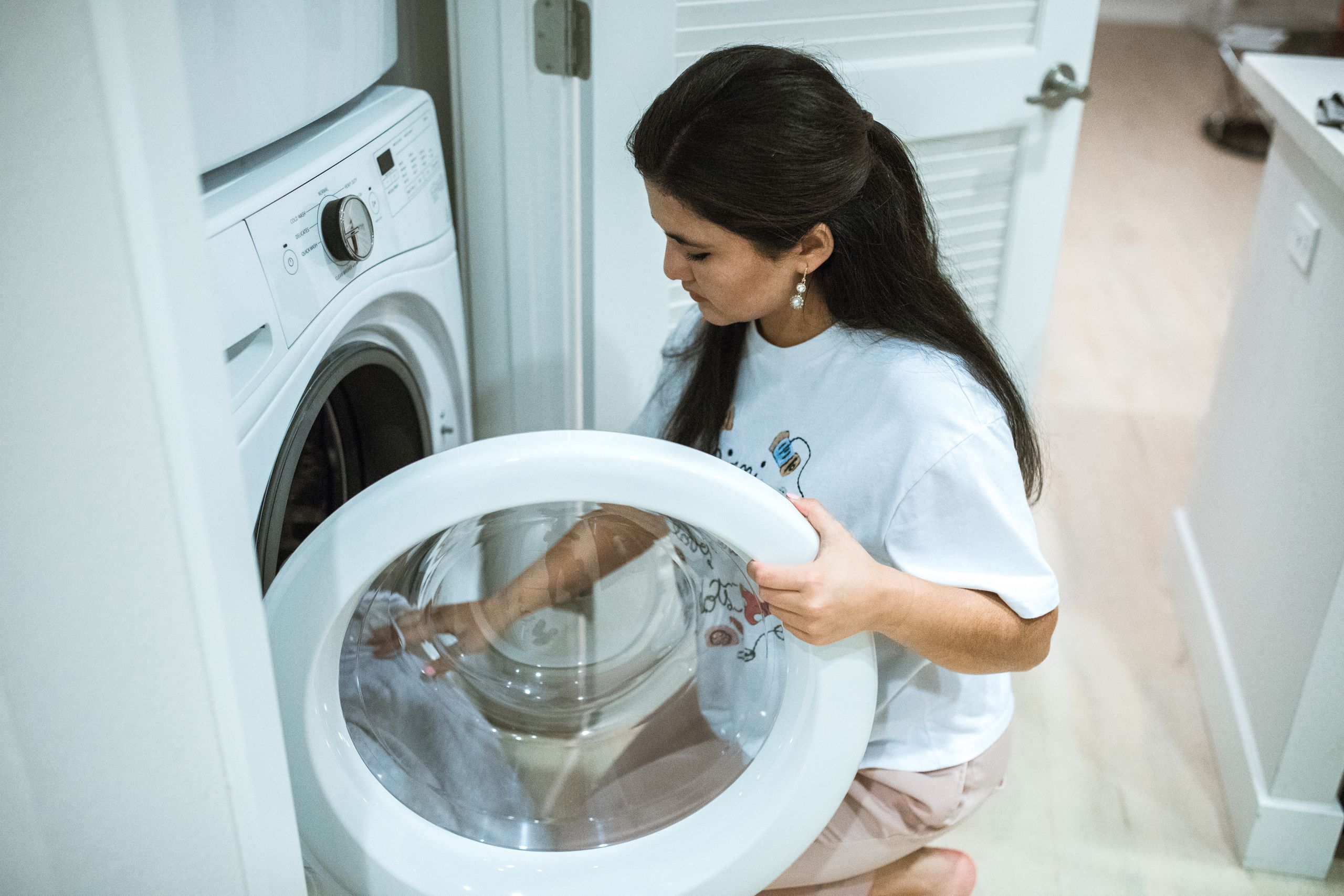
One of the main reasons to leave your washing machine door open is to let the inside dry properly.
During a wash cycle, water contacts almost every part of the drum. Even after the machine drains and spins, some moisture remains inside, particularly around the rubber seal, door, and other hidden areas.
When you close the door right away, that moisture has fewer chances to escape.
According to
leaving the door slightly open allows proper airflow while the machine dries.
This simple habit helps prevent the damp conditions that contribute to mold and mildew.
You don’t have to leave the door wide open. A small opening is usually enough to encourage air circulation.
Mold and Mildew Can Develop Around the Rubber Seal
If you own a front-loading washing machine, you probably know about the thick rubber gasket surrounding the door.
That rubber seal plays an important role because it helps prevent leaks during a wash cycle. However, its folds can also collect water, detergent residue, lint, and other debris.
When these areas remain damp, mold and mildew can develop over time.
You might first notice dark spots around the rubber seal or a musty smell whenever you open the machine.
explains that moisture trapped inside a closed washing machine can contribute to mold formation.
Leaving the door open helps the rubber gasket dry between washes.
For extra protection, wipe the seal with a clean, dry cloth after removing your laundry. Pay particular attention to the folds, where water can collect.
Your Freshly Washed Clothes Could Start Smelling Musty
Nothing’s more frustrating than spending time washing clothes only to discover they don’t smell fresh.
You might assume the detergent isn’t strong enough or that you need to use a different fabric softener. However, the problem could actually be inside your washing machine.
A damp drum, accumulated detergent residue, and mold growth can contribute to unpleasant odors that transfer to your laundry.
Samsung explains in its
that leaving wet clothes inside the machine for too long is a common source of unpleasant smells.
The company also recommends drying the drum, detergent drawer, and door seal after use.
Leaving the door slightly open helps prevent moisture from lingering inside the appliance.
If your clothes already smell musty, simply leaving the door open might not solve the problem. You may also need to clean the machine thoroughly.
The Detergent Drawer Needs Air Too
Most people remember to leave the washing machine door open but forget about the detergent drawer.
That’s another area where moisture and detergent residue can accumulate.
Every time you wash clothes, detergent and fabric softener pass through the dispenser. Some residue may remain, especially if you regularly use too much product.
When the drawer stays closed, moisture can become trapped inside, making it harder for the compartment to dry.
Electrolux specifically recommends leaving both the washing machine door and detergent drawer open after every wash.
It explains that letting air circulate helps moisture evaporate and reduces the risk of mold, mildew, and unpleasant odors.
After your next load, pull the drawer out slightly and allow it to air-dry.
You should also remove it periodically, if your model allows, and clean away detergent buildup.
Leaving the Door Open Makes Regular Cleaning Easier
Another advantage of keeping your washing machine door open is that you can easily spot problems that might otherwise go unnoticed.
For example, you may notice water collecting around the rubber seal, lint stuck inside the drum, or detergent residue around the door.
These small problems are easier to address when you make checking the machine part of your regular laundry routine.
Bosch recommends wiping the rubber door seal after every wash and checking for foreign objects such as hair, fluff, and small items that might remain trapped inside.
It also advises leaving the door slightly open to help prevent mold and unpleasant odors.
A quick inspection takes very little time but can help you catch buildup before it becomes a bigger cleaning problem.
You Should Remove Wet Clothes Immediately
Leaving the washing machine door open helps, but it won’t make much difference if you leave wet clothes sitting in the drum for hours.
Once the washing cycle finishes, remove your clothes as soon as reasonably possible.
Wet laundry sitting in a closed washing machine creates additional moisture and can develop unpleasant odors. The longer clothes remain inside, the greater the chance that they will need another wash to smell fresh.
Samsung identifies delayed laundry removal as a common cause of washing machine odors.
If you cannot transfer your clothes immediately, try not to leave them sitting in the drum for long.
Once you remove them, wipe away any visible moisture and leave the machine open to dry.
You Should Clean Your Washing Machine Regularly
Leaving the door open is a useful habit, but it doesn’t replace regular cleaning.
Over time, detergent residue, dirt, lint, and other deposits can accumulate inside the appliance.
This is why manufacturers recommend regular maintenance.
Whirlpool advises maintaining a cleaning schedule and occasionally running a hot-water cycle, particularly if you normally wash clothes using cold water.
Some modern washing machines also have a dedicated cleaning setting, often called Drum Clean, Tub Clean, or Self Clean.
Check your owner’s manual to see which cleaning method fits your model.
Samsung also recommends using its Self Clean feature when available and following the appliance’s instructions.
Remember to run cleaning cycles with an empty drum unless your manufacturer specifies otherwise.
Humid Laundry Rooms Make Drying Even More Important
Where you keep your washing machine can also influence how quickly it dries.
If your laundry area is poorly ventilated or naturally humid, moisture may take longer to evaporate.
This is especially true in homes where washing machines are installed in small bathrooms, enclosed utility rooms, or other areas with limited airflow.
Whirlpool recommends considering a dehumidifier if your laundry room is typically damp or humid.
You can also improve ventilation by allowing air to circulate around the appliance.
Leaving the washing machine door slightly open gives moisture inside the drum another opportunity to escape.
However, remember to leave the door open only when it is safe to do so.
A Few Safety Precautions Before Leaving the Door Open
Although leaving your washing machine door open is generally recommended, keep a few things in mind.
If you have young children or pets, an open washing machine can become a safety concern. Never allow children to climb inside the drum or play with the appliance.
Consider using a suitable door stopper or keeping the laundry area inaccessible when necessary.
Also, avoid forcing the door open while the machine is operating or when its safety lock is engaged.
If your appliance has specific ventilation or drying instructions, follow the manufacturer’s recommendations.
Finally, you don’t need to leave the door open forever. Once the drum and surrounding areas are completely dry, you can close it until the next laundry day.
The Small Laundry Habit Worth Changing
Keeping your washing machine door closed might make your laundry area look tidier, but it isn’t necessarily the best way to care for the appliance.
Allowing the drum, rubber seal, and detergent compartment to dry can help reduce moisture buildup and prevent unpleasant odors.
The next time you finish a load, remove your clothes, wipe away visible moisture, pull out the detergent drawer slightly, and leave the door ajar.
It’s a small change that takes almost no effort but could make a noticeable difference in how fresh your washing machine stays.