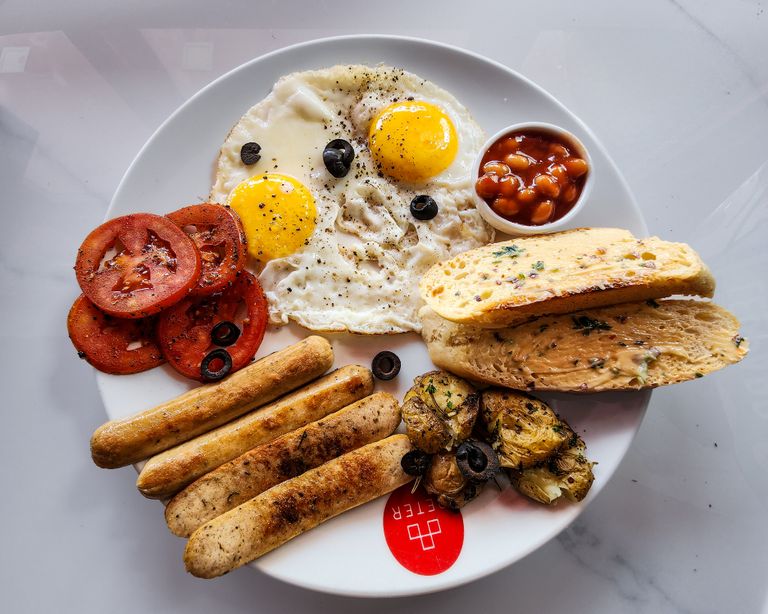
You have just finished a delicious homemade dinner. Some chicken, rice, mashed potatoes, and vegetables are still sitting on the table. You plan to put everything in the refrigerator, but first, you want to relax, watch television, or finish a few household chores.
Before you realize it, several hours have passed.
The food still looks fresh, smells perfectly normal, and seems too good to waste. But food safety experts say leaving leftovers at room temperature too long can make them unsafe to eat.
The United States Department of Agriculture (USDA) recommends a simple precaution known as the two-hour rule. It helps households understand when to refrigerate perishable food and when it may be safer to throw it away.
Understanding this rule could make a significant difference in how you handle food after family dinners, holiday gatherings, restaurant visits, and everyday meals.
What Exactly Is the Two-Hour Rule?

The two-hour rule is a food safety recommendation for perishable foods, including cooked meat, poultry, seafood, eggs, dairy products, and many prepared dishes.
According to the USDA’s official food safety guidance, refrigerate or freeze perishable leftovers within two hours.
This means that once food is no longer being kept at a safe hot or cold temperature, the clock starts ticking.
For example, if you finish preparing dinner at 6 p.m. and leave the meal on the kitchen counter without temperature control, refrigerate it by 8 p.m. at the latest.
This recommendation isn’t limited to homemade meals. It also applies to restaurant takeout, delivered meals, and leftover party food.
The key point is that food doesn’t have to look spoiled to become unsafe.
Why Two Hours Can Make Such a Difference
You might wonder what happens to cooked food after it sits on the counter for a couple of hours.
The explanation involves bacteria and temperature.
According to the Centers for Disease Control and Prevention (CDC), bacteria can multiply rapidly when food is left between 40°F and 140°F.
Food safety experts call this temperature range the danger zone.
It includes the temperatures commonly found in kitchens, dining rooms, and other indoor spaces.
Cooking food properly can destroy many harmful microorganisms. However, once prepared food cools and remains at temperatures that support bacterial growth, contamination can become a concern.
Some bacteria may also produce toxins that ordinary reheating will not reliably eliminate.
That is why refrigeration matters. Keeping perishable food at 40°F or below helps slow bacterial growth.
The two-hour rule is a practical safety cutoff, not a guarantee that food is perfectly safe until the final minute.
The Rule Changes When Temperatures Rise Above 90°F
One important exception is often overlooked.
When food is exposed to temperatures above 90°F, the recommended time limit drops from two hours to just one hour.
Think about a summer barbecue, a picnic at the beach, or a family gathering outdoors.
A tray of grilled chicken or a bowl of potato salad might sit on a table while everyone talks, plays games, or enjoys the afternoon.
Under these conditions, food can reach temperatures that encourage bacterial growth.
The FDA explains that perishable foods should be refrigerated within one hour if they are exposed to temperatures above 90°F.
This guideline is especially important for food left in parked cars, outdoor dining areas, or other unusually warm environments.
If the temperature is particularly high, don’t wait the usual two hours.
Which Leftovers Need Special Attention?
Not every food requires the same storage conditions.
Shelf-stable foods such as plain crackers and certain breads can generally remain at room temperature under appropriate storage conditions.
However, many foods commonly served at dinner need to be refrigerated promptly.
These include:
- Cooked chicken, beef, pork, and turkey
- Fish and other seafood
- Cooked rice and pasta
- Casseroles and prepared egg dishes
- Soups, stews, and gravies
- Pizza with perishable toppings
- Cut fruits and prepared salads that require refrigeration.
For instance, a large pot of chicken soup might seem harmless sitting on the stove after dinner.
However, its size does not make it immune to food safety concerns.
Similarly, a container of cooked rice should not sit on the counter overnight just because it contains no meat.
A useful household habit is to identify which dishes need refrigeration before clearing the dinner table.
Should You Let Hot Food Cool Before Refrigerating It?
One of the most common kitchen beliefs is that putting warm food directly into the refrigerator is a mistake.
As a result, some people leave an entire pot of stew or a casserole on the counter until it reaches room temperature.
Unfortunately, waiting too long can keep the food in the danger zone longer than necessary.
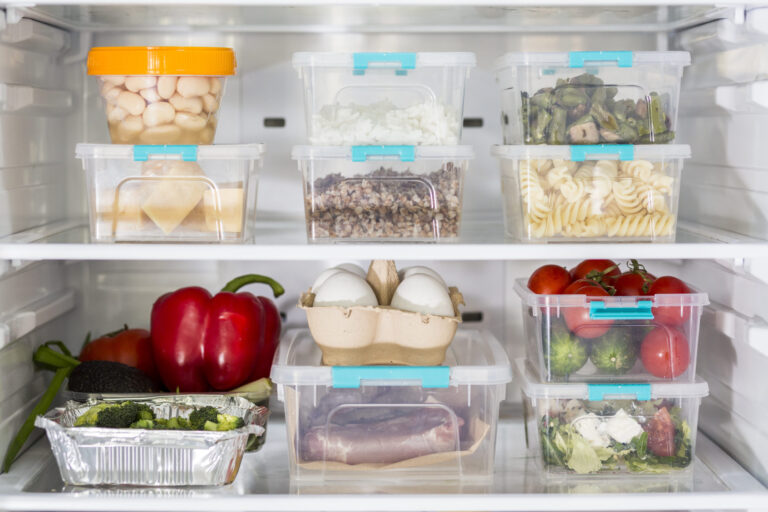
The CDC recommends transferring warm or hot leftovers into several clean, shallow containers before refrigeration.
Smaller portions cool more quickly than one large container.
For example, instead of placing a large pot of chili directly into the refrigerator, divide it among several shallow containers.
This cools more efficiently and helps maintain better storage conditions.
You do not need to wait until every portion reaches room temperature before refrigerating it.
The goal is to cool food promptly and safely.
How Long Can Leftovers Stay in the Refrigerator?
Following the two-hour rule is only the first part of safe leftover storage.
Even properly refrigerated leftovers do not last forever.
According to the USDA, most cooked leftovers should be eaten within three to four days when stored at 40°F or below.
For example, if you prepare a chicken casserole on Sunday and refrigerate it promptly, you should generally plan to finish it by Wednesday or Thursday.
If you know you will not eat the leftovers within that period, freezing them is a practical alternative.
The USDA recommends maintaining freezer temperatures at 0°F or below.
It is also helpful to label storage containers with the date the food was prepared.
This simple habit removes the guesswork when several containers start piling up in the refrigerator.
Instead of asking, “Was this from Monday or Thursday?” you can check the label.
Can Reheating Make Old Leftovers Safe Again?
Reheating leftovers is another important part of food safety, but it has limitations.
The USDA recommends reheating leftovers to an internal temperature of 165°F.
A food thermometer provides a more reliable measurement than simply checking whether the food feels hot.
When using a microwave, stirring and rotating food can help distribute heat more evenly.
Reheat soups, sauces, and gravies until boiling.
However, reheating does not automatically make food safe if it was stored improperly.
Food that has remained at room temperature beyond the recommended limit should generally be discarded rather than reheated in an attempt to rescue it.
Some bacterial toxins can remain even after heating.
As the USDA explains in its reheating guidance, proper heating temperatures matter, but safe handling before reheating matters just as much.
Why the Smell Test Is Not Enough
Many households rely on a familiar method before eating yesterday’s food.
They open the container, take a quick sniff, and decide whether the leftovers are still good.
While an unpleasant odor can indicate spoilage, the absence of a bad smell does not guarantee safety.
Harmful bacteria may be present without changing a food’s appearance, smell, or taste.
The USDA specifically advises against tasting questionable food to determine whether it is safe.
This is particularly relevant when someone discovers food that has been sitting out overnight.
A plate of chicken, pasta, or casserole might look exactly as it did the evening before.
Nevertheless, its appearance cannot confirm it stayed safe overnight.
When storage conditions are uncertain, throwing questionable leftovers away is the safer choice.
Simple Habits That Make Leftover Storage Easier
Keeping leftovers safe doesn’t require an expensive kitchen appliance or a complicated routine.
It mostly comes down to preparation and consistency.
Before serving dinner, make sure you have clean storage containers ready.
After everyone has finished eating, transfer remaining perishable food into appropriate containers instead of leaving it on the table.
For large meals, divide food into smaller portions to help it cool faster.
Keep the refrigerator at 40°F or below and check the temperature with an appliance thermometer if necessary.
When bringing home restaurant leftovers, remember that transportation time also counts toward the period food spends without safe temperature control.
If you don’t plan to eat the leftovers within three to four days, consider freezing them promptly.
These small changes can help prevent food from being forgotten on the counter or stored for longer than recommended.
The Bottom Line
Leftovers are one of the easiest ways to save money, reduce food waste, and enjoy a delicious meal without cooking from scratch.
However, food safety should always come before convenience.
The two-hour rule offers a straightforward reminder: refrigerate perishable leftovers within two hours, or within one hour when temperatures exceed 90°F.
Store them in shallow containers, keep the refrigerator at 40°F or below, and use most refrigerated leftovers within three to four days.
Most importantly, remember that food can look and smell perfectly normal even when it is no longer safe to eat.
The next time dinner is finished and the kitchen needs cleaning, putting the leftovers away promptly could be one of the most important tasks on your list.