Ordering groceries online can save time, especially for SNAP households that have busy schedules or difficulty getting to a store. Shoppers can use their Electronic Benefits Transfer (EBT) cards to pay for eligible groceries at participating online retailers. However, SNAP benefits can’t cover one part of checkout: the extra charges attached to an order.
Delivery fees, service charges, and convenience fees must be paid using another payment method. That means having enough SNAP benefits to cover the groceries does not necessarily mean an order is ready to go. Customers may also need a debit card, credit card, or another payment option accepted by the retailer. The rule comes from federal SNAP guidelines and applies to online purchases.
SNAP Benefits Only Cover Eligible Food
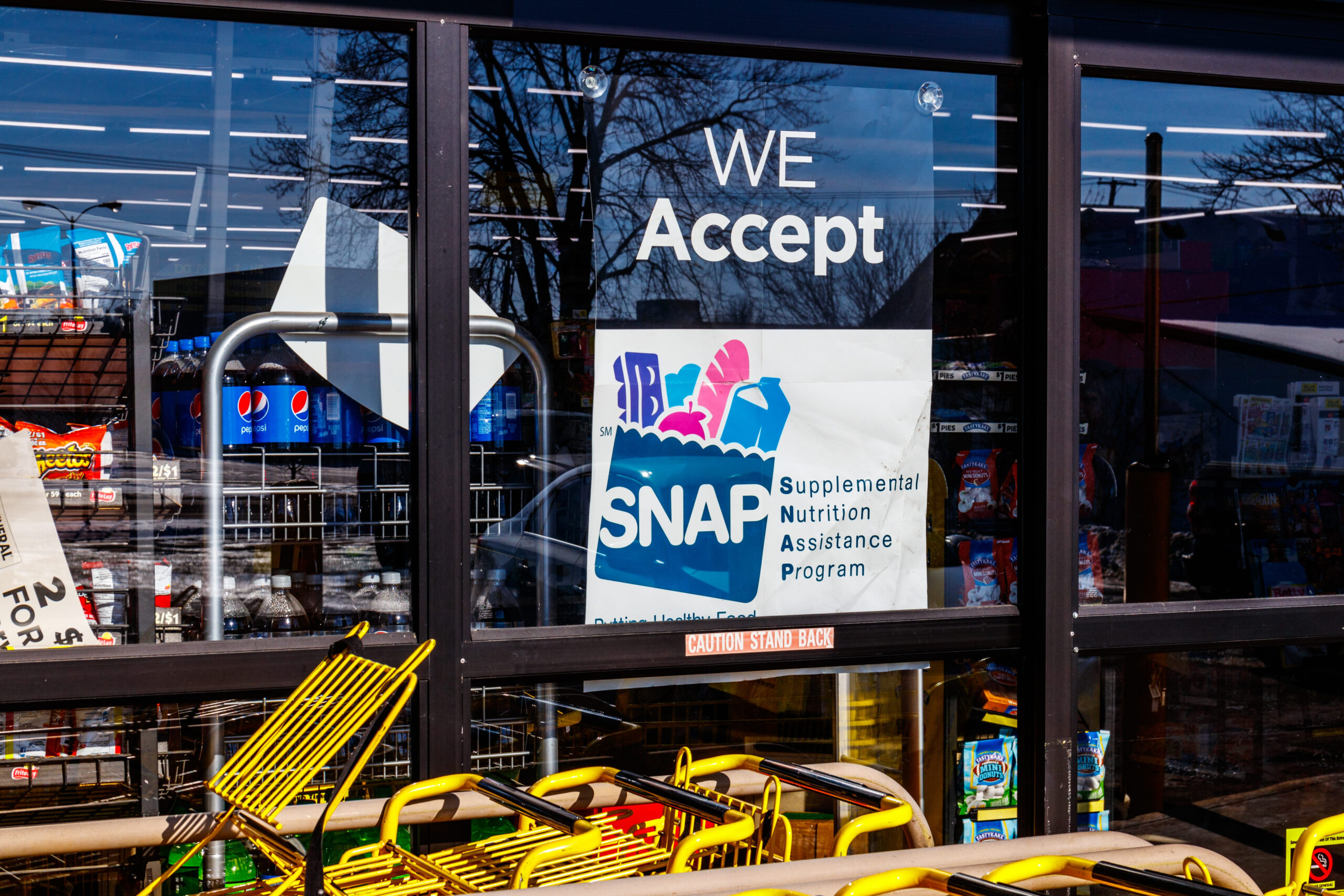
The United States Department of Agriculture (USDA), which oversees SNAP, allows participating retailers to accept EBT payments for eligible food purchased online. This gives households another way to shop for groceries without visiting a physical store. Depending on the retailer and location, shoppers may be able to order items such as fruits, vegetables, bread, meat, dairy products, and other SNAP-approved foods.
However, SNAP benefits are not a general payment method for everything in an online shopping cart. They cannot be used to cover delivery, service, or convenience fees, even when those charges appear alongside eligible groceries. The USDA makes this distinction clear in its online purchasing guidance.
For shoppers, the important detail is that the EBT card pays for the qualifying food portion of the order, not the cost of getting those groceries to their doorstep.
Delivery and Convenience Fees Require Another Payment Method
A grocery order can come with several charges beyond the price of the food. These may include delivery fees, service fees, ordering charges, processing fees, and driver tips. None of these can be paid using SNAP food benefits.
The USDA’s retailer guidance also makes clear that SNAP customers are subject to the same applicable fees as other shoppers. Retailers cannot simply deduct those charges from a household’s food benefit balance. Customers must use another accepted payment method to cover them.
This is why some online grocery platforms ask shoppers to add a second card before completing an order. Even if every food item in the cart qualifies for SNAP, the transaction may not go through unless the customer can pay the additional charges separately.
Retailers Explain Why a Second Card May Be Needed
Some major grocery retailers explain the payment arrangement directly in their online shopping instructions. Kroger, for example, says customers using SNAP EBT must use another payment method for items and charges that are not eligible under the program. This includes delivery fees, ordering fees, convenience fees, tips, and non-eligible products.
Amazon also allows SNAP EBT payments for qualifying food sold through its grocery services. However, its guidance says customers will need another payment method if an order includes a service fee. The exact charges depend on the order and the service being used.
These requirements can make a difference at checkout. A shopper might have enough SNAP funds for the groceries but still need to pay a separate amount before the order can be completed. Checking the retailer’s payment rules before filling a cart can help avoid that last-minute surprise.
Pickup May Help Shoppers Avoid Delivery Charges
Households that do not have another payment card may want to look at grocery pickup options. Some retailers allow customers to order eligible groceries online, pay with SNAP EBT, and collect their purchases at a store. Where available, this can help shoppers avoid delivery charges.
Pickup does not automatically mean every extra fee disappears, though. Retailers may have their own ordering or pickup charges, and those cannot be paid with SNAP benefits either. Customers should check the final order summary before confirming payment.
The USDA advises shoppers to check retailer websites for delivery availability and other details. Not every online grocery service operates in every ZIP code, so options can differ depending on where a household lives.
The Rule Does Not Reduce a Household’s SNAP Benefits
The requirement to pay online shopping fees separately does not mean a household is losing part of its monthly SNAP allocation. It restricts what the benefits can purchase. Eligible food can still be paid for with SNAP at participating online retailers, while additional charges must be covered another way.
The distinction matters because a shopper may see a payment request for a delivery or service fee and assume something has changed with their benefits. In reality, federal rules have long prohibited using SNAP funds for these charges. The USDA’s online purchasing information, updated in February 2026, still explains that delivery and other associated fees must be paid separately.
Before placing an order, SNAP shoppers should check which items qualify, review the extra charges, and confirm that their preferred payment method is accepted. A little preparation can prevent an order from getting stuck at checkout, especially when the grocery budget is already tight.