For parents with babies and toddlers, diapers are not an occasional purchase. They are an everyday necessity that must be replaced again and again, regardless of what happens to the family budget.
But for some Colorado households, keeping enough diapers at home is becoming increasingly difficult. Rising purchasing costs, growing demand for assistance, and pressure on nonprofit organizations are creating another challenge for families already trying to manage groceries, rent, childcare, and other household expenses.
A recent report by Denver7 highlights the situation facing WeeCycle, a Colorado nonprofit that distributes essential baby supplies to families in need. The organization says its diaper purchasing costs have risen about 5%, adding thousands of dollars to its monthly expenses.
The challenge is not limited to one organization. National research also shows that many parents struggle to afford enough diapers, raising questions about how families can access essential baby supplies when household budgets are already stretched.
Related:10 Things You Should Never Flush Down the Toilet and What to Do Instead
A Colorado Nonprofit Is Paying More for the Same Essential Supplies
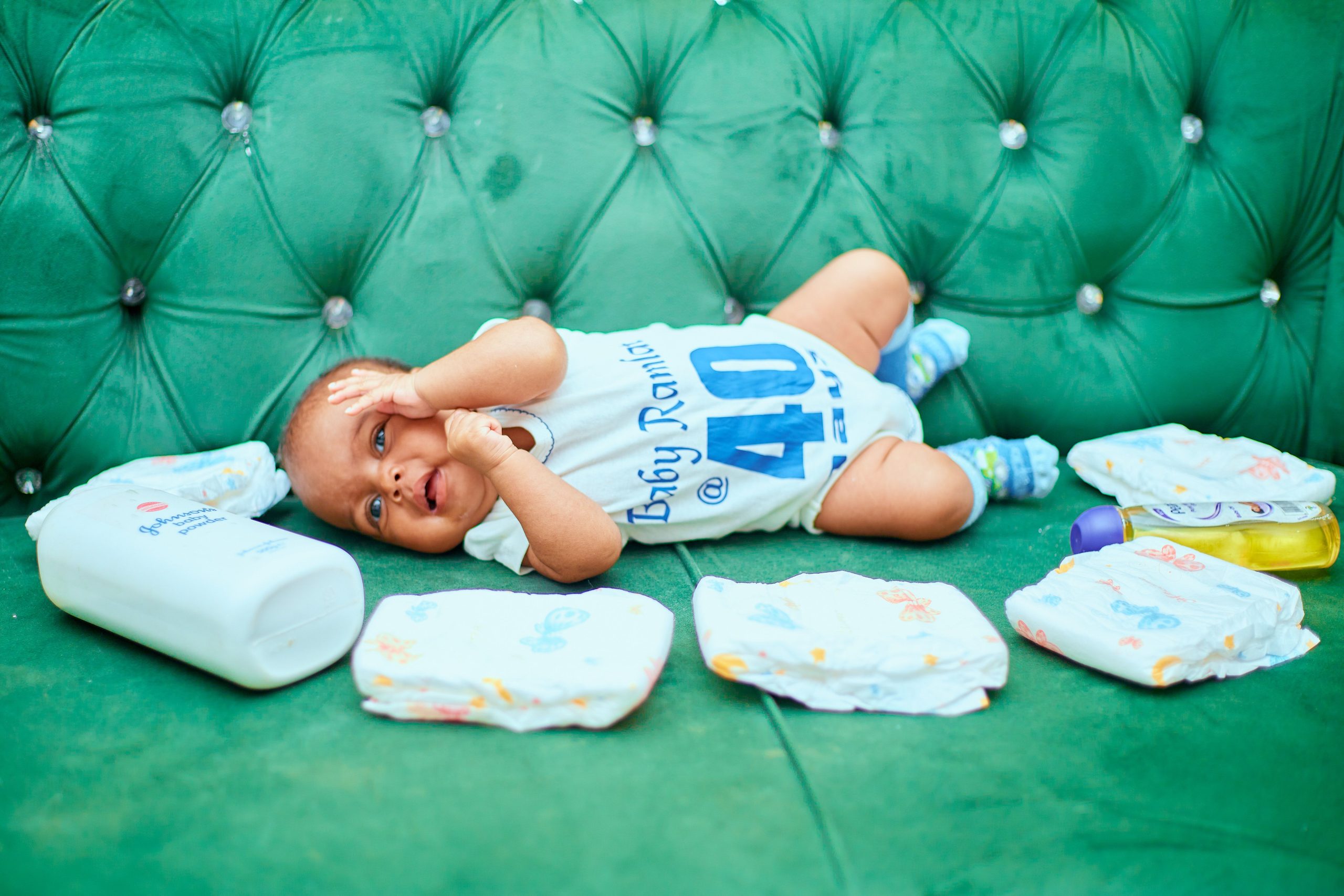
WeeCycle has been working to connect Colorado families with essential items for infants and toddlers, including diapers, wipes, baby food, and formula.
However, obtaining those supplies has become more expensive.
In a November 5 report by Denver7, Lindsey Zaback, WeeCycle’s development director, said the organization’s diaper purchasing costs have increased by about 5%.
That increase amounts to roughly $2,500 more per truckload of diapers.
The organization purchases approximately one truckload each month to support its distribution efforts. Although it buys diapers in bulk at discounted rates, higher purchasing costs are putting additional pressure on its budget.
For a nonprofit that depends on donations, community partnerships, and available funding, an extra $2,500 per delivery is not small.
The organization must find ways to maintain its distribution efforts while managing a more expensive supply of products that families cannot simply stop buying.
Related:15 Essential Home Safety Items You Should Have Today
Demand for Free Diapers Has Increased Significantly
Higher purchasing costs are only part of the problem.
WeeCycle also reports that the number of children it serves at an average distribution event has increased considerably.
According to Zaback, the organization served approximately 235 children per event in 2020. That figure has now increased to an average of 493 children.
That’s more than double the earlier number.
The growing demand means the organization must stretch its available supplies across more families.
As a result, eeCycle has reduced the number of diapers distributed per child by about 50% compared with its previous packages.
This illustrates the difficult position community organizations face. Even when donations and purchasing arrangements keep supplies moving, resources may not be enough to provide every family with the same quantity as before.
For parents who depend on these distributions, receiving fewer diapers can mean finding additional money elsewhere in an already tight household budget.
Related:7 Reasons Americans Are Spending More on Halloween Even as Budgets Tighten
Why Are Diapers Becoming More Expensive?
The cost of disposable diapers depends on more than the price manufacturers charge for the finished product.
Manufacturing requires several materials, including plastics and petroleum-derived components. Packaging, transportation, and distribution also contribute to the final expense.
In its Denver7 report, MSU Denver economics professor Kishore Kulkarni explained that although the United States manufactures a significant portion of its diapers, it also relies on imports from countries including China, Japan, and Germany.
The report also connected rising costs to disruptions affecting shipping through the Strait of Hormuz amid conflict in the Middle East.
Higher crude oil prices and transportation expenses add further pressure.
These factors can affect manufacturers, wholesalers, retailers, and organizations purchasing diapers in large quantities.
However, it is important to distinguish between higher procurement costs reported by WeeCycle and retail prices across the country. The nonprofit’s approximately 5% increase does not mean every diaper brand or American retailer has raised prices by the same amount.
For families shopping on limited budgets, even modest increases can make an already recurring expense harder to manage.
Related:15 Overpriced Expenses That Leave You Feeling Ripped Off
A Baby Can Require Thousands of Diapers in the First Year
One reason diaper affordability is such a persistent issue is how many diapers babies need.
According to the American Academy of Pediatrics, a baby may use approximately 3,000 disposable diapers during the first year.
That means parents are not making one large purchase and moving on. They are repeatedly returning to the store to replace an essential household item.
A 2025 report from the Urban Institute and National Diaper Bank Network estimated that diapering one child costs approximately $100 per month on average.
The same research found that families experiencing diaper insecurity reported being able to afford a median of only $65 monthly.
That gap helps explain why some parents turn to diaper banks and community organizations to fill it.
When a household has several children in diapers, the expense can become even more difficult to manage.
Related:5 Best Travel Irons- Ranked & Purchase Guide
Diaper Costs Can Affect Parents’ Ability to Work
The financial pressure does not end at the checkout counter.
Diapers can also affect whether parents can maintain their regular childcare arrangements.
Some licensed childcare centers require families to supply diapers. When parents cannot provide enough, arranging childcare can become more difficult.
The Urban Institute’s 2025 research found that approximately one in four parents and caregivers who lacked enough diapers reported missing work or school because they could not leave their children at childcare.
Those who missed work or school reported losing an average of 5.1 days per month.
This creates a difficult situation.
Parents need reliable childcare to maintain employment, but providing the supplies childcare facilities require can become another financial burden.
Missing work can then make it even harder to afford diapers and other necessities.
The findings demonstrate that diaper affordability is not simply a shopping concern. It can also affect family schedules, employment, and household stability.
Government Food Assistance Does Not Cover Ordinary Diapers
Families who qualify for assistance may assume programs that help them buy food will also cover other essential baby supplies.
Unfortunately, that is generally not the case.
The Supplemental Nutrition Assistance Program, commonly known as SNAP, and the Special Supplemental Nutrition Program for Women, Infants, and Children, known as WIC, do not generally cover ordinary disposable diapers.
These programs provide important food and nutrition assistance, but parents must usually find another way to pay for diapers.
That leaves families relying on personal income, charitable organizations, donations, and community diaper banks.
The Urban Institute identifies this gap as a key part of the broader diaper affordability problem.
For organizations such as WeeCycle, it also means that community support remains essential when families cannot afford everything their children need.
Colorado’s Diaper Assistance Programs Face Funding Pressure
The financial challenges facing diaper banks are also reflected in state budget discussions.
A Colorado legislative budget staff document for fiscal year 2026–27 recommended a $500,000 reduction in ongoing funding for the Colorado Diaper Distribution Program.
The proposed reduction represents approximately 33.3% of the program’s base funding.
The program was established to fund diaper distribution centers to purchase essential diapering supplies.
According to the legislative document, 11 distribution centers received funding during fiscal year 2024–25, covering 56 of Colorado’s 64 counties.
Those centers reported serving 181,725 individuals, although the figure includes repeat visits and does not represent unique individuals.
The recommendation highlights the financial uncertainty facing organizations that help families access diapers.
However, a budget recommendation should not be mistaken for a final funding decision. The final state budget determines whether the proposed reduction takes effect.
Where Colorado Families Can Find Diaper Assistance
Despite the financial pressures, organizations across Colorado continue working to help parents obtain essential baby supplies.
WeeCycle is one of the organizations offering assistance through community distribution events and partnerships.
Its services include diapers, wipes, baby food, formula, and other supplies for families with infants and toddlers.
The nonprofit also works with more than 150 partner organizations to connect families with essential items.
Its website lists distribution events in different Colorado communities, including Denver and Broomfield. Some events require reservations, while eligibility and available supplies depend on the particular program.
Families can visit WeeCycle’s official website to find assistance opportunities, check upcoming distribution events, or learn how to donate.
Residents can also contact 211 to ask about nearby diaper banks and other community assistance programs.
For people who want to help, financial donations, diaper contributions, and volunteer support can make a difference to organizations working to meet the growing demand.
A Growing Expense That Families Cannot Avoid
Rising diaper costs may seem like a small part of the wider conversation about household expenses, but for parents with young children, they’re a recurring obligation.
Colorado shows how higher purchasing costs can affect not only individual families but also the nonprofits trying to support them.
WeeCycle is serving more than twice as many children per distribution event as it did in 2020, while paying approximately $2,500 more per truckload of diapers.
Meanwhile, national research shows that many families still struggle to afford enough supplies.
The solution will require more than asking parents to shop carefully. Affordable products, accessible community assistance, sustainable nonprofit funding, and broader recognition of diaper needs all matter.
For now, one thing is clear: diapers are not optional purchases for families with babies and toddlers. And when their prices rise, the pressure reaches far beyond the grocery store.