Winter may bring colder temperatures and shorter days, but it also offers some of the year’s most delicious fruits and vegetables. While summer gets plenty of attention for its colorful produce, winter has its own impressive selection of sweet citrus fruits, hearty greens, and versatile root vegetables.
From juicy oranges to roasted Brussels sprouts, seasonal produce can make everyday meals more exciting without requiring complicated recipes or expensive ingredients.
Whether you’re preparing comforting soups, experimenting with new side dishes, or simply looking for something different at the grocery store, these 10 winter fruits and vegetables deserve a place on your shopping list.
Brussels Sprouts
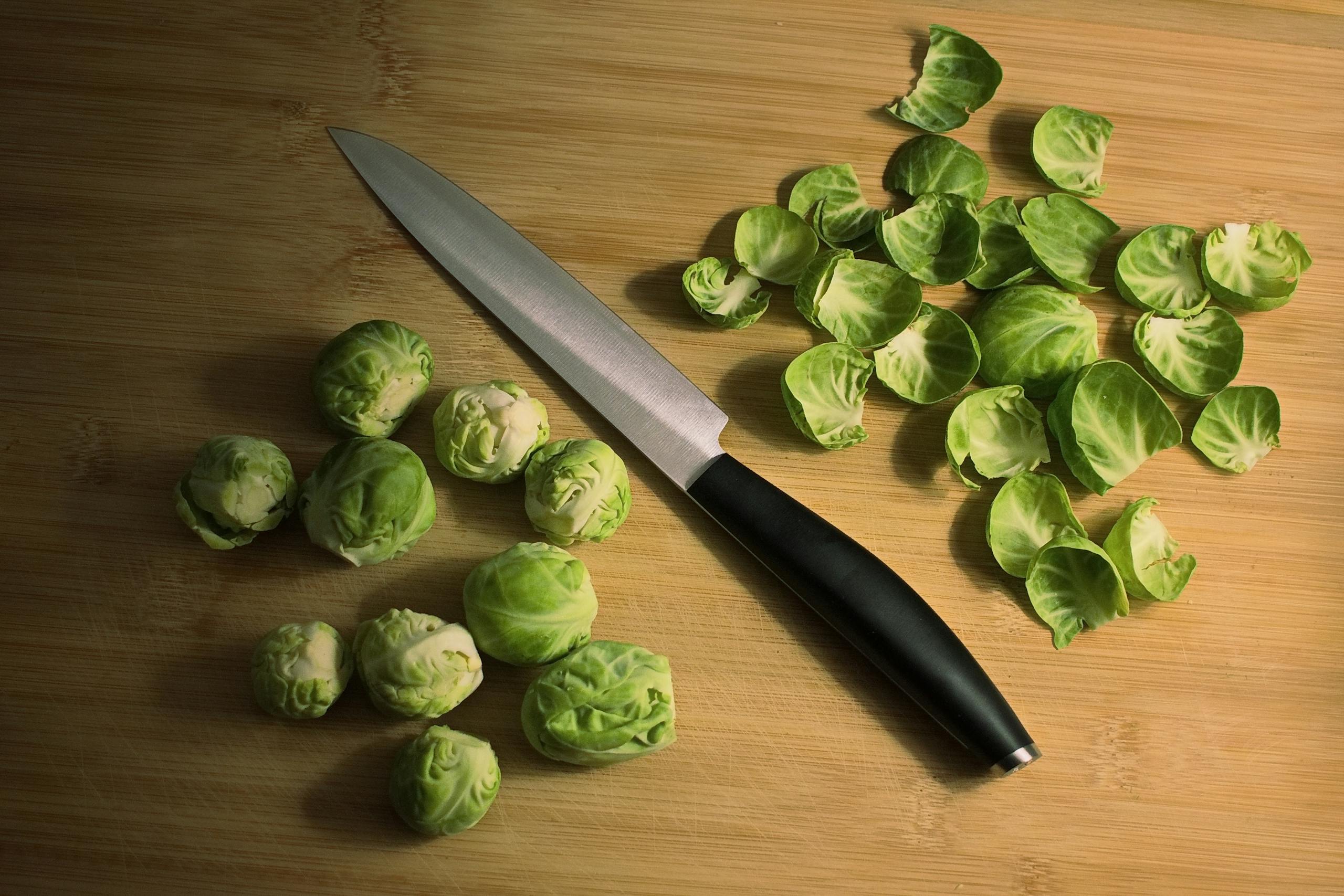
Brussels sprouts have come a long way from their reputation as the vegetable everyone tries to avoid at dinner.
These small, cabbage-like vegetables are particularly popular during the colder months, when they can develop a pleasantly sweet flavor.
One of the easiest ways to prepare Brussels sprouts is roasting them. Cut them in half, toss them with olive oil, salt, and pepper, and spread them across a baking sheet.
Roast at 425°F until the edges turn golden, creating a crispy exterior and tender center.
For extra flavor, try adding garlic, Parmesan cheese, or a drizzle of balsamic glaze. They also pair wonderfully with roasted chicken, potatoes, and other winter favorites.
Sweet Potatoes
Few vegetables are as comforting and versatile as sweet potatoes.
Their naturally sweet flavor makes them suitable for everything from savory dinners to homemade desserts.
In winter, sweet potatoes are especially useful because you can bake, mash, roast, or add them to soups.
For a simple side dish, cut them into cubes, toss with olive oil, smoked paprika, and a pinch of salt, then roast until tender.
You can also bake a whole sweet potato and fill it with black beans, cheese, or sautéed vegetables for an easy meal.
Although sweet potatoes are harvested mainly in warmer months, properly stored crops remain widely available throughout winter.
Oranges
When winter arrives, oranges become one of the brightest additions to grocery store produce sections.
Their refreshing sweetness and tangy flavor offer a welcome contrast to the rich, hearty meals commonly enjoyed during colder weather.
Navel oranges are particularly popular for eating fresh because they are easy to peel and generally seedless.
Cara Cara oranges are another interesting option, featuring pinkish-red flesh and a sweet flavor.
Oranges are delicious on their own, but they can also transform ordinary dishes.
Try adding orange segments to a spinach salad, using fresh orange juice in a homemade dressing, or combining orange zest with butter for baked goods.
Butternut Squash
Butternut squash is practically made for cozy winter cooking.
With its smooth texture, mild sweetness, and beautiful orange flesh, this winter squash works well in countless dishes.
One of the most popular preparations is butternut squash soup. Blend roasted squash with onions, garlic, broth, and seasonings to create a creamy dish.
It also tastes wonderful when you cube it and roast it with rosemary or thyme.
For something different, add roasted butternut squash to pasta, grain bowls, or risotto.
Its naturally sweet flavor pairs especially well with savory ingredients such as sage, Parmesan, and caramelized onions.
Pomegranates
Pomegranates might look intimidating at first, but their bright red seeds make them worth the effort.
These juicy seeds, called arils, offer a delightful combination of sweetness and tartness.
In the United States, fresh pomegranates are typically available from fall into early winter.
Their jewel-like appearance makes them especially attractive for holiday dishes.
Sprinkle pomegranate seeds over salads, oatmeal, yogurt, or roasted vegetables for an unexpected burst of flavor.
They also make a beautiful dessert topping.
A simple trick for removing the seeds is to break apart the fruit in a bowl of water. This can help separate the arils from the white membrane while reducing splashes.
Kale
Kale is one of the vegetables that truly embraces cold weather.
In fact, exposure to frost can make certain varieties taste sweeter because changes in the plant affect its sugar content.
This leafy green is incredibly versatile in the kitchen.
You can sauté kale with garlic and olive oil, add it to hearty winter soups, or bake the leaves into crispy kale chips.
For salads, remove the tough stems and gently massage chopped kale with olive oil or dressing to soften the leaves.
Kale also works well alongside white beans, sausage, potatoes, and other ingredients commonly used in comforting winter meals.
Grapefruit
Grapefruit is another citrus fruit that shines during winter.
Its distinctive flavor combines sweetness, tartness, and a slight bitterness, making it different from many other fruits.
Pink and red grapefruit varieties are often sweeter than white varieties, although flavor depends on the specific fruit.
You can enjoy grapefruit by slicing it in half and scooping out the segments with a spoon.
For a more creative approach, try broiling grapefruit halves with a light sprinkle of brown sugar until the tops lightly caramelize.
Grapefruit also adds a refreshing twist to salads featuring avocado, greens, or seafood.
One important consideration: grapefruit can interact with certain medications, so check with a pharmacist if you take prescription medicine.
Carrots
Carrots might seem like an everyday vegetable, but winter is an excellent time to appreciate their versatility.
These colorful root vegetables can become sweeter after cold-weather growing conditions.
While orange carrots are the most familiar, purple, yellow, red, and white varieties can add extra visual appeal to meals.
Roasted carrots are particularly delicious during winter.
Toss them with olive oil, salt, and pepper, then roast until tender and lightly browned.
For a sweeter side dish, add a little honey or maple syrup.
Carrots also make excellent additions to stews, soups, casseroles, and homemade vegetable stocks.
Pears
Pears are often overlooked during winter, but several varieties remain available throughout the season thanks to careful storage.
Bosc, Anjou, and Comice pears are popular choices, each offering a slightly different texture and flavor.
Bosc pears hold their shape particularly well when cooked, making them excellent for baking and poaching.
Anjou pears are versatile enough for both fresh eating and cooking.
For a simple winter dessert, slice pears and bake them with cinnamon, butter, and a little brown sugar.
Pears also pair beautifully with walnuts, cheese, and leafy greens in salads.
If your pears feel firm when you buy them, leave them at room temperature until they soften slightly near the stem.
Cabbage
Cabbage is one of winter’s most affordable and practical vegetables.
It stores well, works in many recipes, and can be prepared in surprisingly different ways.
Green cabbage is excellent for soups, stir-fries, and traditional cabbage rolls.
Red cabbage adds beautiful color to salads and tastes wonderful when slowly cooked with apples and vinegar.
Savoy cabbage, recognizable by its crinkled leaves, has a tender texture that works well in sautéed dishes.
For an easy winter side, cut cabbage into thick wedges, brush with olive oil, season generously, and roast until the edges brown and crisp.
This simple preparation can completely change how you think about this familiar vegetable.
Make the Most of Winter Produce
Winter produce offers far more variety than many shoppers realize. From the sweetness of roasted carrots to the refreshing flavor of citrus fruits, the colder months provide plenty of opportunities to experiment in the kitchen.
Shopping for seasonal fruits and vegetables can also introduce you to ingredients you might otherwise overlook.
Keep in mind that availability varies by region, and some winter favorites are harvested earlier in the year and stored for colder months.
The next time you visit your local grocery store or farmers market, consider picking up something from this list. A different vegetable side dish or a new seasonal fruit might be all it takes to make your winter meals a little more interesting.