Some of the smartest money-saving lessons never came from a financial expert. They came from ordinary kitchen routines: saving a container, turning yesterday’s dinner into another meal, or knowing exactly what’s hiding at the back of the pantry.
Those little habits have real value.
According to Utah State University Extension, one pound of dried beans produces approximately six cups of cooked, drained beans, compared with about 1½ cups from a standard 15-ounce can. Meanwhile, the Environmental Protection Agency recommends planning meals around food already at home to reduce unnecessary purchases.
These habits don’t prove every household practiced frugality for the same reasons. But they offer practical ideas that still make sense today.
Saving Food Containers Instead of Buying New Ones
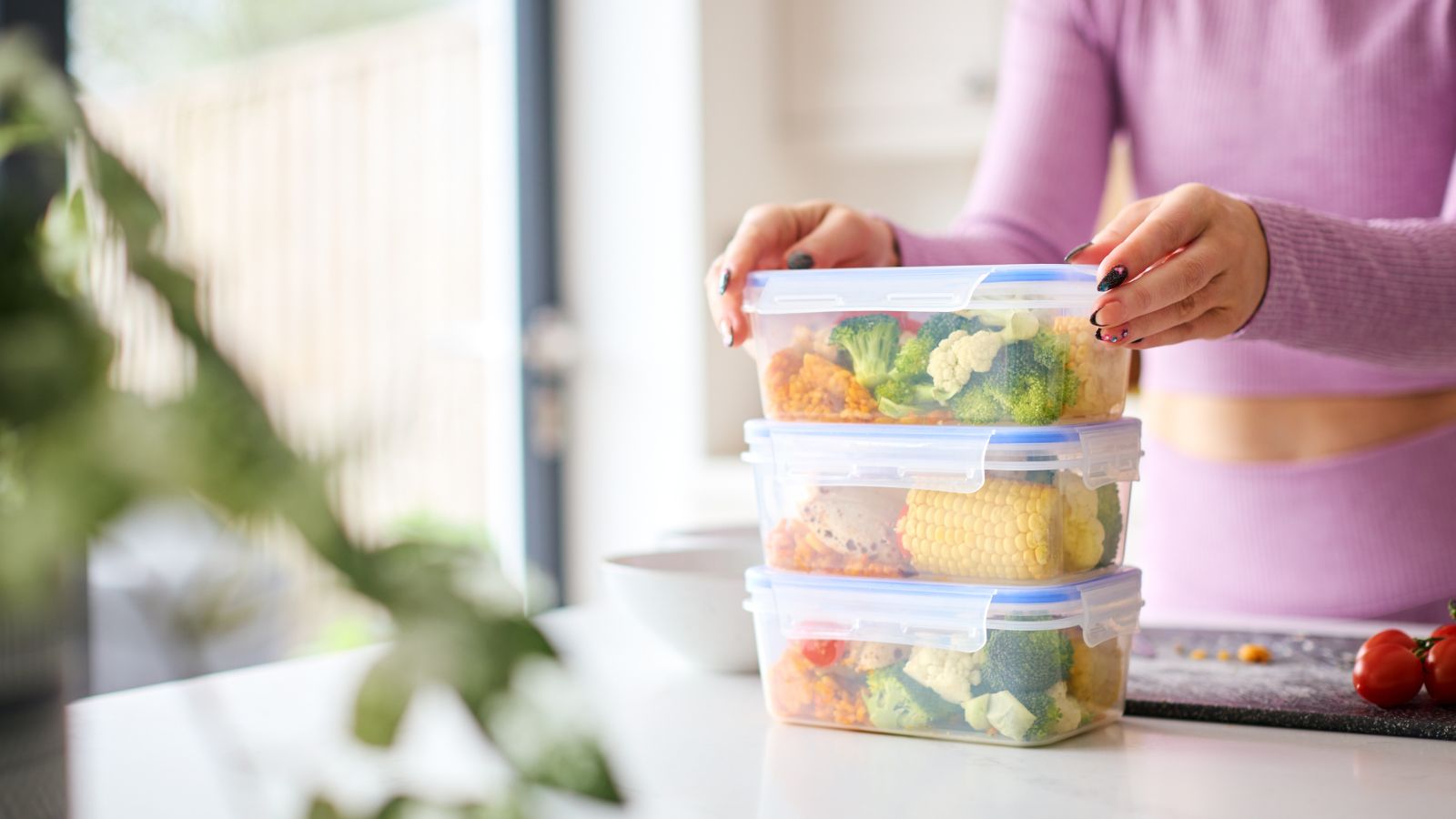
There’s something satisfying about finding another use for a container that would otherwise end up in the trash.
For households watching their spending, suitable reusable containers can reduce the need to buy additional storage supplies.
But not every package deserves a second life.
According to the USDA’s packaging guidance, cottage-cheese cartons and margarine tubs are designed for cold storage, not microwave heating.
Other packaging, including foam meat trays and egg cartons, is intended for a single use.
The practical lesson is simple: reuse appropriate containers for suitable purposes, rather than assuming every empty package belongs in the cupboard.
Planning a Leftovers Night Instead of Cooking From Scratch
Sometimes yesterday’s dinner deserves a second act.
A planned leftovers night can turn a collection of small portions into something more interesting than several nearly empty containers.
The Environmental Protection Agency recommends planning meals around ingredients you already have and turning suitable leftovers into soups, casseroles, stir-fries, and frittatas.
In June 2026, NPR also explored this approach through interviews with chefs Margaret Li and Tamar Adler.
Their advice encouraged treating leftovers as ingredients for another meal rather than as disappointing substitutes for fresh cooking.
The important trick is planning and using refrigerated leftovers within recommended storage periods.
Freezing Bread Before It Goes Stale
A loaf of bread can disappear surprisingly quickly in a busy household. In another kitchen, it might sit untouched until its texture begins to change.
Freezing provides a practical way to manage that difference.
The EPA specifically recommends freezing bread you won’t eat soon, and labeling packages so the contents and storage dates stay clear. This habit protects an existing purchase for a later meal.
Instead of waiting until bread is too old to enjoy as intended, you can portion and freeze it while it’s still good to store.
It’s a small decision that makes grocery planning more flexible.
Keeping Vegetable Scraps for Homemade Stock
A carrot peel, an onion end, and a stray garlic clove might not look like the beginning of something delicious. But together, suitable vegetable trimmings can become part of a flavorful homemade stock.
The EPA identifies vegetable scraps as useful ingredients for soup stock.
Chef Margaret Li shared a similar habit in NPR’s 2026 leftovers reporting. She described keeping a freezer bag of carrot peels, onion ends, extra garlic cloves, and chicken bones for future stock.
The idea is to get another useful cooking step from ingredients you’ve already purchased.
Of course, spoiled produce and unsuitable trimmings don’t belong in the pot.
Making Beans a Regular Part of the Dinner Menu
Beans have a wonderfully practical quality: they can become the centerpiece of a meal or contribute to something larger.
Utah State University Extension identifies beans as an economical ingredient and provides useful guidance for comparing dried and canned varieties.
Its Versatile Bean booklet estimates that one pound of dried beans produces about six cups when cooked and drained.
By comparison, a 15-ounce can supplies approximately 1½ cups of drained beans.
That doesn’t automatically mean dried beans are cheaper in every situation. Cooking time, energy, and convenience also matter.
But understanding the usable yield makes grocery comparisons much more meaningful.
Checking the Unit Price Instead of Trusting the Package
A bigger package can look like the obvious bargain. But the bold lettering on the front doesn’t tell you how much you’re actually paying for the contents. That’s where unit pricing becomes useful.
In its 2025 Unit Pricing Guide, the National Institute of Standards and Technology explains how prices per ounce, pound, or another consistent unit help shoppers compare products.
The guide also emphasizes using the same measurement when comparing package sizes and brands.
So before automatically choosing the largest container, check the smaller print on the shelf label.
Sometimes the best bargain is hiding behind the least impressive-looking package.
Checking the Pantry Before Making a Shopping List
Few grocery-shopping surprises are quite as frustrating as arriving home with something you already had.
The EPA recommends checking the refrigerator, freezer, and pantry before shopping.
The idea is to identify ingredients that need using, plan meals around them, and avoid buying unnecessary duplicates.
It’s also useful when stores advertise tempting bulk deals.
According to the agency, buying extra quantities only saves money when the household actually uses the food.
That makes pantry checking a simple form of planning, not just another kitchen chore.
Before heading to the store, take inventory. Your next meal might already be halfway purchased.
Giving Ripe Fruit Another Delicious Purpose
A banana that’s too ripe for your preferred snack or berries nearing the end of their best texture don’t necessarily need to be discarded.
The EPA suggests using suitable produce in baking, sauces, smoothies, and other preparations.
NPR’s reporting also highlighted Tamar Adler’s approach to assigning leftovers a clear future purpose, such as setting aside blueberries for muffins.
That small bit of planning can prevent forgotten ingredients from sitting in the refrigerator without a destination.
The distinction is important: ripe fruit that’s still suitable for cooking is not the same as spoiled fruit.
Frugal cooking means using what’s still good, not trying to rescue ingredients that should be discarded.
Turning Stale Bread Into Something New
Sometimes bread has already lost the soft texture that made it appealing when you bought it.
That doesn’t mean it has necessarily lost its usefulness.
The EPA recommends transforming stale, unspoiled bread into French toast or croutons.
Chef Margaret Li offered another idea in NPR’s June 2026 reporting: collect bread in the freezer until you have enough to make savory bread pudding.
This habit differs from freezing a fresh loaf for later sandwiches.
Instead, it uses bread’s changed texture as part of an entirely different dish.
A little creativity can turn an overlooked ingredient into something worth bringing back to the table.
The Quiet Wisdom Behind a Frugal Kitchen
The best kitchen-saving habits rarely require expensive equipment or complicated techniques.
A suitable reused container, a well-planned shopping list, or a freezer bag of vegetable trimmings can help households make better use of purchases they’ve already made.
The EPA’s food-waste guidance and NIST’s 2025 unit-pricing recommendations show that many traditional approaches still have practical value.
These routines don’t tell us why every family adopted them. Some may have been motivated by necessity, others by convenience or a dislike of waste.
But their lasting appeal is easy to understand.
Sometimes being resourceful isn’t about buying less of everything. It’s about discovering just how much possibility is already waiting in your kitchen.