One person wants a burger. Another wants chicken. Someone suggests sandwiches, and someone else would rather bring home a pizza.
The familiar takeout debate is a useful starting point for exploring six chains serving California. Their menus answer different cravings, whether that means choosing from a compact burger selection or working through toppings for a shared pizza.
Some have California origins. Others began elsewhere but now serve customers in the state. Their appeal is easier to understand when the discussion moves beyond brand names and into the food itself.
A bun, a folded tortilla, and a sandwich roll may all hold a quick meal, but they create different choices at the counter. These six stops let you explore those differences without turning dinner into a competition.
In-N-Out: Start With the Burger-and-Fries Format
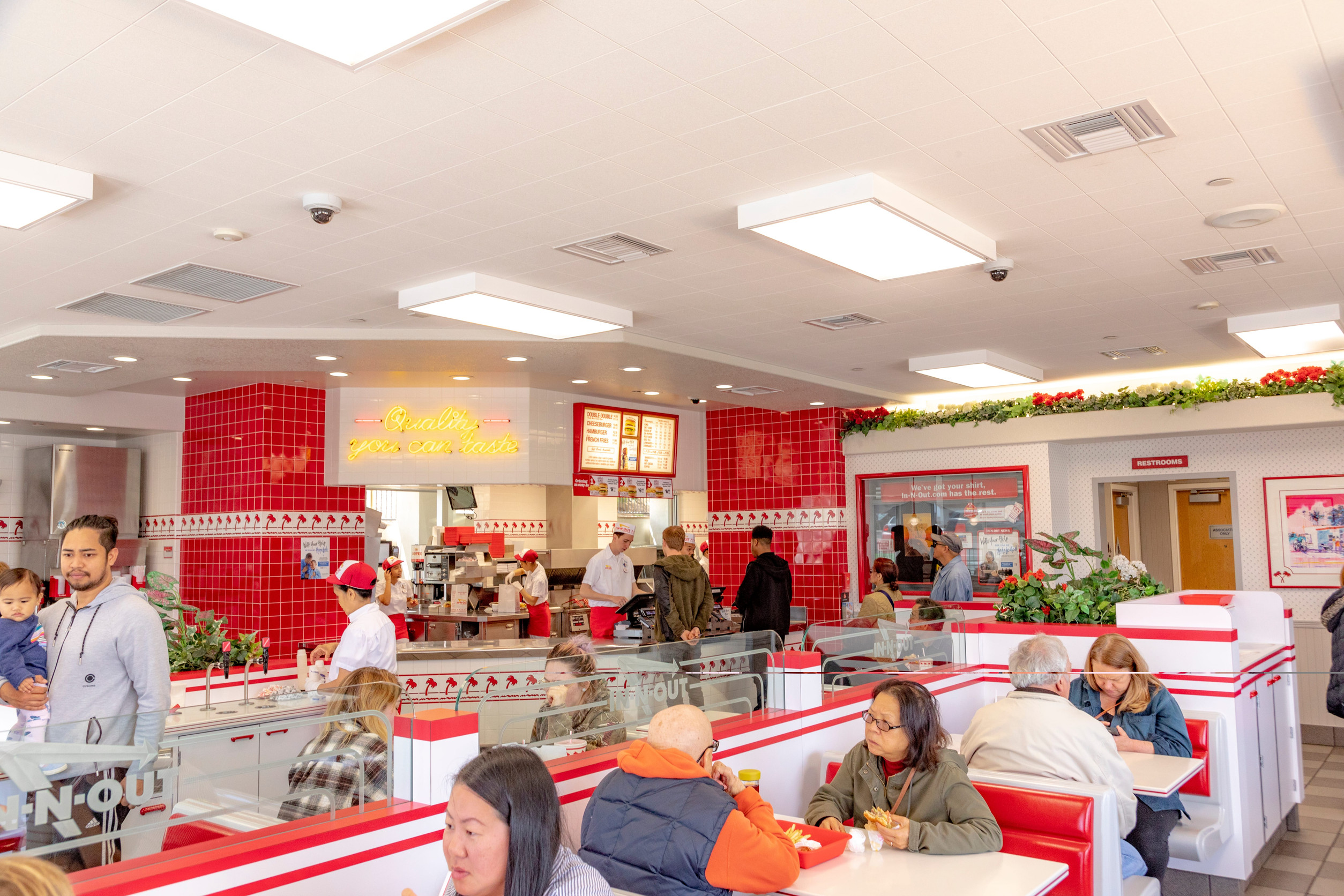
In-N-Out’s menu centers on made-to-order burgers, fries, drinks, and shakes. The company traces that approach to Harry and Esther Snyder’s Baldwin Park business, which opened in 1948.
Its history also explains how customization developed within a relatively focused format.
Animal Style preparation includes a mustard-cooked beef patty, pickles, extra spread, and grilled onions. The company dates the preparation to 1961, when it says the first version was made in response to customer requests.
A smaller selection doesn’t mean every burger order is identical. Here, the variations happen within a recognizable burger-and-fries framework rather than across several unrelated menu categories.
For a California connection beyond the ordering counter, PBS SoCal’s guide to historic restaurant beginnings documents the chain’s Baldwin Park roots and the replica of its original stand.
Habit Burger & Grill: Keep the Burger, Change the Approach
Habit offers another way into the burger conversation, emphasizing cooking over an open flame.
The chain traces its beginnings to the Santa Barbara area in 1969. Its official description extends that chargrilled approach beyond burgers to chicken and tuna.
The menu also includes sandwiches, salads, shakes, and sides such as tempura green beans. That broader selection gives the order options beyond a burger and conventional fries.
Habit’s fast-casual format also makes it a slightly different experience from a traditional drive-through chain.
For a group with mixed preferences, the distinction is useful. The choice isn’t simply one burger versus another. It can mean keeping the chargrilled theme while changing the main ingredient, the bread, or the side.
Taco Bell: Layers, Crunch and a Different Kind of Handheld
Taco Bell shifts the discussion away from buns.
Its California locations list tacos, burritos, quesadillas, and nachos alongside items such as the Crunchwrap Supreme and Cheesy Gordita Crunch.
The Crunchwrap Supreme’s ingredient description offers a useful picture of the chain’s approach. A warm flour tortilla wraps around seasoned beef, nacho cheese sauce, a crisp tostada shell, lettuce, diced tomatoes, and reduced-fat sour cream. It is folded and grilled.
The contrast between a soft outer tortilla and a crunchy inner shell is built into the construction.
At Taco Bell, the format can matter as much as the filling. Similar ingredients can create different arrangements when stacked, folded, or enclosed, giving customers another way to narrow down an order.
Chick-fil-A: A Chicken Sandwich With a Short Ingredient Story
Chick-fil-A changes the main ingredient rather than simply adding another burger option.
Its original chicken sandwich consists of a seasoned, breaded boneless chicken breast, pressure-cooked in refined peanut oil and served on a toasted, buttery bun with dill pickle chips, according to the company.
The standard sandwich does not come with a long stack of vegetables or multiple toppings. Its description focuses on chicken, breading, bun, and pickles.
The wider menu includes nuggets and waffle fries, while the company’s California directory lists restaurants statewide.
The sandwich provides a straightforward starting point before considering other combinations or sides.
Check the specific restaurant’s schedule before planning a visit. California location pages list Sunday closures, and operating hours vary by restaurant.
Subway: Make the Sandwich the Decision
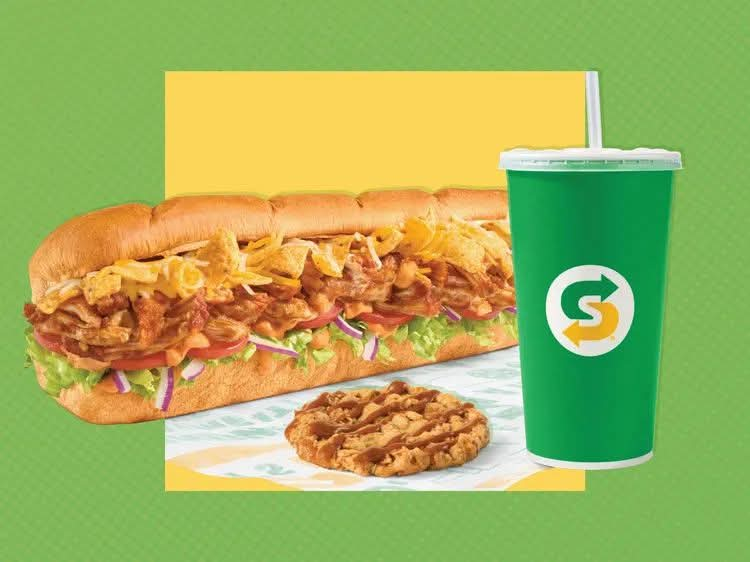
At Subway, the ordering process becomes part of the meal choice.
California restaurant pages describe six-inch sandwiches, footlongs, wraps, and salads. They also show named combinations alongside opportunities to customize.
At the Bakersfield Plaza location, for example, the listed Sweet Onion Teriyaki sandwich includes grilled chicken, American cheese, sauce, lettuce, tomatoes, and onions. The Steak Philly lists steak, American cheese, mayonnaise, peppers, and onions.
Offerings vary by location, so check your chosen store’s menu before ordering.
You can start with a named sandwich or a preferred filling, then choose from the available bread, vegetables, and sauces.
That makes Subway a different proposition from a fixed sandwich order. The starting point is recognizable, but the final combination can reflect more specific preferences.
Domino’s: Turn Individual Orders Into a Pizza Decision
Domino’s adds carryout and delivery pizza to the choices. Its wider menu also includes pasta and sandwiches.
The Hand Tossed crust begins as dough that is stretched to size, baked, and finished with a garlic-oil seasoning blend, according to the company.
When ordering pizza, the conversation shifts to crust, toppings, and whether everyone wants the same combination.
The current ordering menu asks customers to select a store to see exact products,
Check local availability across all six chains, especially when a particular item is the reason for ordering.
A favorite can reflect a food preference, a familiar routine, or the people sharing the meal. When everyone wants something different, which matters most to you: getting your usual order, or finding a meal everyone can enjoy together?