For children growing up during the 1980s and 1990s, the snack aisle was more than a place to buy food. Colorful packaging, television commercials, cartoon mascots, and unusual flavors made grocery shopping exciting.
Some snacks became school-lunch favorites, while others were special treats reserved for weekends. But not every successful-looking product remained on shelves. These eight discontinued snacks show how strongly people can remember something they haven’t eaten in decades.
1. Planters P.B. Crisps
Planters P.B. Crisps appeared in the early 1990s and quickly became recognizable because of their peanut-shaped shells. The crispy outer layer surrounded a sweet peanut butter-flavored filling.
The unusual construction created a contrast between crunch and creaminess. Unlike ordinary peanut butter crackers, the entire snack resembled a peanut.
The product eventually disappeared, leaving behind fans who continue discussing it online. Its distinctive shape helps explain why it remains memorable among people who grew up during that decade.
2. Keebler Magic Middles
Keebler Magic Middles featured a soft filling enclosed inside a shortbread-style cookie. Chocolate and peanut butter versions offered something different from ordinary sandwich cookies.
The appeal came from the surprise hidden in the center. The outside looked relatively simple, but each bite revealed a sweet, creamy filling.
Magic Middles disappeared from regular grocery shelves, although similar filled cookies remain available. People who remember the original often emphasize the specific combination of texture and flavor.
3. Butterfinger BB’s
Butterfinger BB’s transformed the familiar candy bar into small, round pieces. The product offered the recognizable Butterfinger flavor in a format that could be eaten one piece at a time.
The smaller shape made the candy convenient for sharing or snacking. It also featured prominently in advertising connected to familiar animated characters.
Butterfinger BB’s eventually disappeared, and other Butterfinger products have since offered alternative bite-sized formats. For some former customers, those replacements don’t recreate the exact childhood experience.
4. Kudos Granola Bars
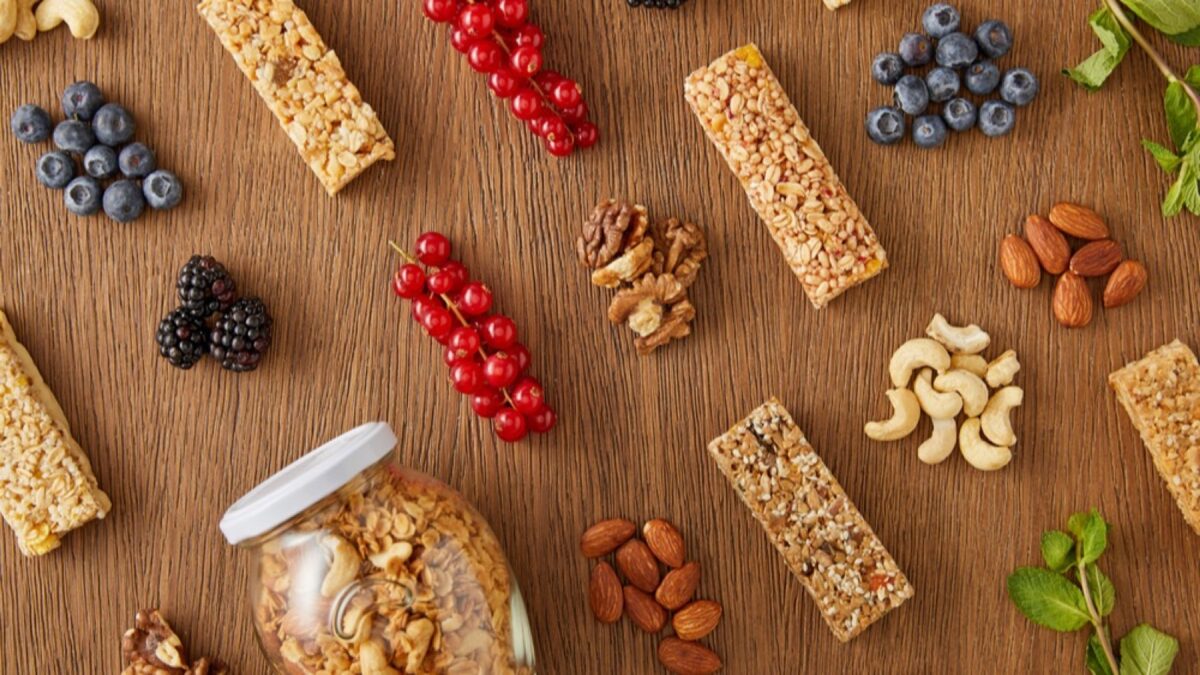
Kudos bars combined a granola-style base with sweet toppings and coatings. They became recognizable during the 1980s and 1990s, particularly among families seeking convenient packaged snacks.
Some versions included chocolate, caramel, or candy pieces. That made them appealing to children, even though their ingredients could resemble those of a dessert.
Kudos was eventually discontinued in 2017. The product remains part of the wider history of packaged snacks marketed around convenience and cereal ingredients.
5. Fruit Stripe Gum
Fruit Stripe gum was recognizable for its brightly colored stripes and zebra mascot. The gum came in several fruity flavors and was especially appealing to children.
Its flavor was often criticized for fading quickly, but that didn’t prevent people from remembering the product fondly. The packaging and temporary tattoos contributed to its identity.
Ferrara confirmed the brand’s discontinuation in 2024, ending a long run in American stores. A history of vanished grocery items also traces its place among familiar products from earlier decades.
6. Gatorade Gum
Gatorade gum was marketed around the recognizable sports drink brand. Its citrus flavor and association with athletic activity made it stand out from ordinary chewing gum.
The product was especially memorable for its strong initial taste. Like other flavored gums, its appeal depended on personal preferences and how long the flavor lasted.
The original gum disappeared after its period of popularity. Although the Gatorade brand remains highly recognizable, the gum is now primarily a nostalgic product.
7. Jell-O Pudding Pops

Jell-O Pudding Pops offered frozen treats made from pudding rather than conventional ice cream. Chocolate, vanilla, and swirled varieties were familiar options.
Their smooth texture distinguished them from ordinary ice pops. Television advertising also helped make the product recognizable to families.
Pudding Pops disappeared from widespread distribution, despite later attempts to recreate the concept. Homemade pudding pops remain possible, but former customers often remember the commercial version as something distinctive.
8. Altoids Sours
Altoids Sours were hard candies packaged in small metal tins. Unlike the brand’s familiar mints, these candies offered intensely tart fruit flavors.
The combination of a sour coating and memorable packaging helped create a devoted following. The product was eventually discontinued in 2010.
A look at nostalgic discontinued snacks discusses several of these lost favorites. The popularity of retro candy revivals shows that the demand for familiar flavors doesn’t always disappear when a product does.
Why Do Discontinued Snacks Stay in Our Memories?
Food memories often include more than taste. Packaging, advertisements, school lunches, childhood friends, and family shopping trips contribute to the experience.
A snack may disappear because of disappointing sales, changing competition, or business decisions. Its removal doesn’t necessarily mean everyone disliked it.
That helps explain why people continue searching for products they haven’t seen in decades. They aren’t always looking for a better snack; sometimes, they want a familiar childhood experience.
Not every discontinued product needs a comeback to remain meaningful. For many people, remembering the original is part of the appeal.