Few things spark a food argument faster than criticizing someone’s childhood favorite. A dish that seems perfectly ordinary to one person may sound completely unappetizing to someone who grew up in another household.
American food traditions include an enormous variety of textures, flavors, and ingredient combinations. Some became familiar through family cooking, while others spread through diners, school cafeterias, and grocery stores. These eight foods show how strongly people can disagree about what deserves a place at the dinner table.
1. Liver and Onions
Liver and onions has remained a divisive American dinner for generations. Some people appreciate its rich flavor and the sweetness of cooked onions, while others find the taste overwhelmingly strong.
The texture can become another problem when liver is overcooked. Instead of remaining tender, it may become dry or tough, reinforcing a negative impression.
Still, liver has an established place in traditional cooking around the world. Its popularity varies considerably by family and culture, and people who enjoy it often have very specific ideas about proper preparation.
2. Sweet Potato Casserole With Marshmallows
Sweet potatoes and marshmallows are a familiar combination at many American Thanksgiving tables. The casserole usually combines cooked sweet potatoes with sugar, spices, and a sweet topping.
Supporters enjoy the contrast between soft potatoes and lightly browned marshmallows. Critics question why a vegetable side dish needs to resemble dessert.
Other families prefer sweet potatoes prepared with butter, herbs, or savory seasonings. The disagreement often reflects whether people expect the dish to be sweet or savory.
3. Cottage Cheese
Cottage cheese has a mild flavor and can be eaten with fruit, vegetables, or other ingredients. It also provides protein, which has contributed to renewed interest in the product.
But the texture remains controversial. Its soft curds can feel lumpy or watery, particularly to people accustomed to smooth yogurt.
Some consumers blend cottage cheese into sauces or spreads to change the consistency. Others prefer enjoying it exactly as it comes from the container.
4. Pickled Herring
Pickled herring is particularly associated with Scandinavian, Northern European, and some Jewish food traditions. The fish is preserved in a vinegar-based mixture, sometimes with onions, spices, or a creamy sauce.
Its strong flavor and soft texture may surprise unfamiliar diners. People who grew up eating it may associate the dish with holidays and family celebrations.
The same food can therefore inspire completely different reactions. For one person, it is a cherished tradition; for another, it is something they would rather avoid.
5. Creamed Chipped Beef
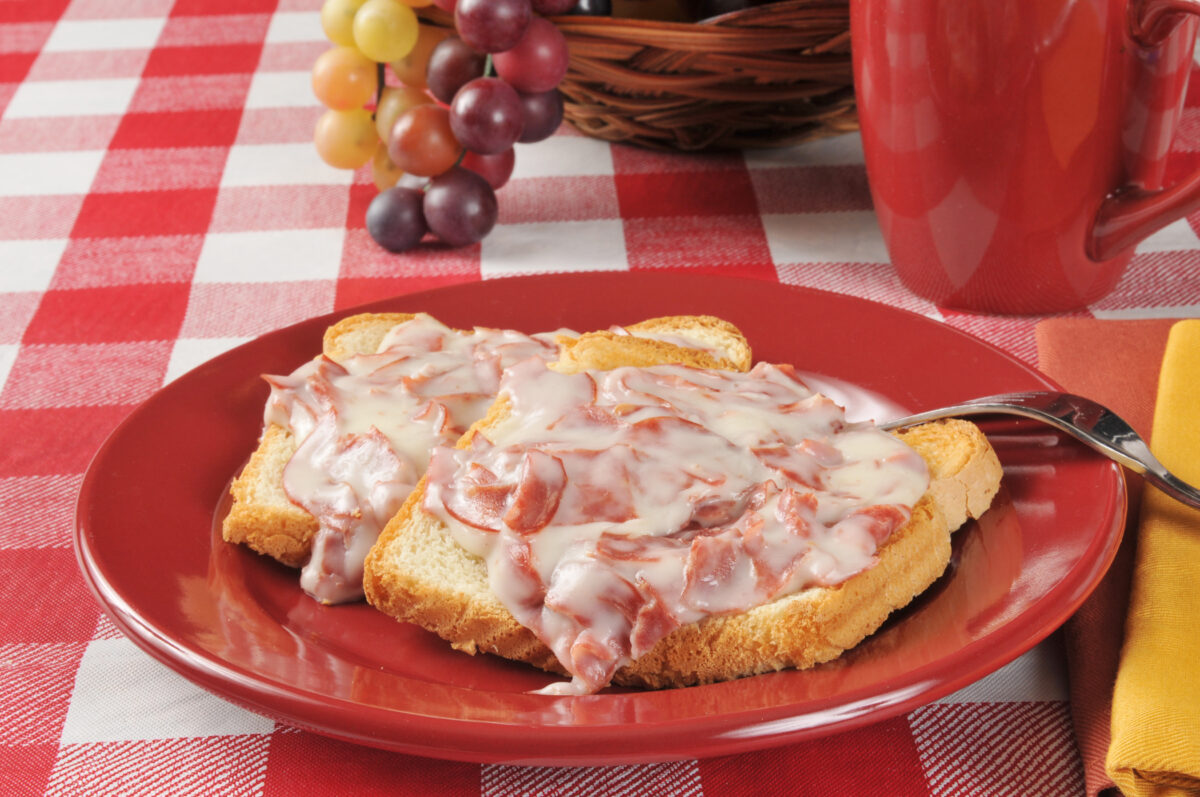
Creamed chipped beef combines thinly sliced dried beef with a flour-thickened white sauce. It is commonly served over toast, creating a filling dish with relatively few ingredients.
Its appearance can be unappealing to people unfamiliar with the meal. The pale sauce, salty meat, and softened toast create a texture that differs from many modern breakfast dishes.
Nevertheless, some Americans remember it fondly from childhood or military service. Personal memories often influence how people evaluate foods with such distinctive characteristics.
6. Pineapple on Pizza
Pineapple pizza continues to inspire debate because it combines sweet fruit with savory ingredients. Supporters enjoy the contrast, especially when pineapple appears alongside ham or another salty topping.
Critics argue that the fruit changes the balance of flavors and adds unwanted sweetness. Some also dislike how pineapple releases moisture during baking.
The disagreement doesn’t require a universal answer because pizza preferences are personal. Ordering different toppings or splitting a pizza is often easier than trying to persuade everyone to agree.
7. Jell-O Salad
Jell-O salad has appeared at American family gatherings for decades, sometimes containing fruit, marshmallows, whipped topping, or vegetables. Many recipes are associated with mid-century entertaining.
The Smithsonian’s account of gelatin cooking describes how molded dishes became fashionable in American kitchens. Decorative presentation was often just as important as flavor.
Modern diners may find the combination unfamiliar, particularly when savory ingredients appear inside sweet gelatin. Yet retro foods such as aspic and gelatin salads remain meaningful to people who grew up eating them.
8. Canned Vienna Sausages
Canned Vienna sausages offer a shelf-stable meat product that requires little preparation. They can be eaten directly from the package or added to cooked meals.
Their soft texture and salty flavor divide opinion. Some people appreciate their convenience and remember eating them as children, while others prefer fresh sausages.
The product remains available because it continues to serve a market. A food’s popularity doesn’t have to be universal for it to retain a place in grocery stores.
Why Food Arguments Get So Personal
Taste is influenced by more than the tongue. Childhood meals, family traditions, cultural background, and personal experiences all shape what feels familiar or comforting.
A dish that seems unpleasant today may become more appealing when prepared differently. But nobody needs to force themselves to enjoy a particular food simply because someone else considers it traditional.
What makes American food culture interesting is precisely that variety. Different communities have preserved dishes that might never have become popular outside their own families.
The next time someone defends a food you can’t stand, consider asking how their family prepared it. The answer might reveal why that dish means so much to them.