Remember when recess meant running as fast as possible, dodging flying balls, and hoping nobody picked you last? For many Americans, playground games were a big part of childhood. A little competition, some scraped knees, and the occasional argument over who was cheating were all part of the experience.
But some of those familiar games have since faced restrictions at American schools. Administrators have raised concerns about injuries, bullying, rough physical contact, and whether certain activities give every student a fair chance to participate.
However, not every game labeled “banned” was actually prohibited. Some restrictions were temporary, while others came from recommendations that never became official rules.
Here are 11 classic games that have sparked school safety debates, including what schools actually restricted and what remains a playground rumor.
Dodgeball
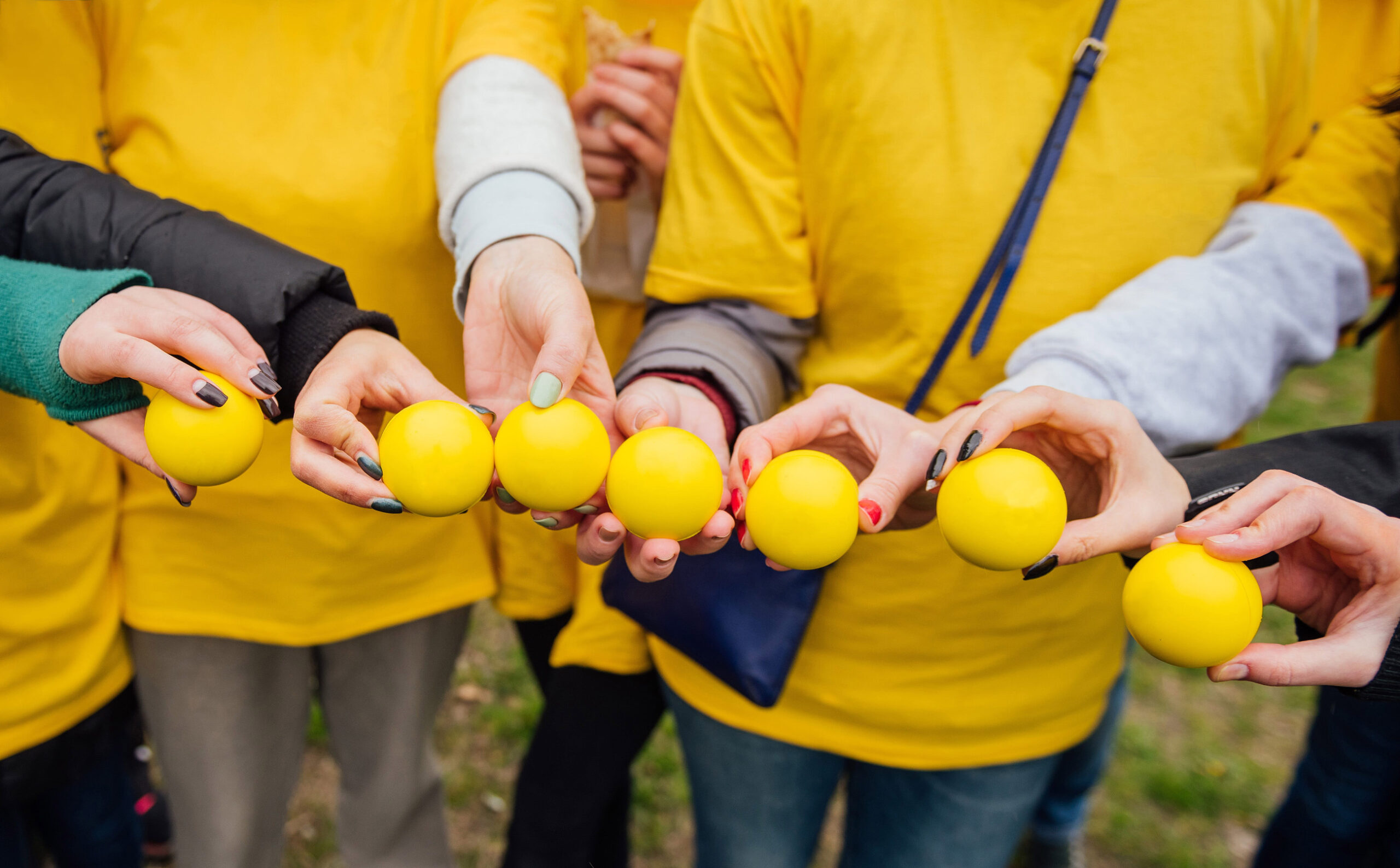
Few playground games could turn an ordinary gym class into a full-blown battle quite like dodgeball. One minute, you were throwing balls at classmates. The next, you were desperately trying not to become someone’s next target.
In 2013, the Windham School District in New Hampshire voted to remove dodgeball and similar human-target games from physical education classes.
Parents had complained about children being singled out, and school officials questioned whether the activity promoted mutual respect.
However, the decision didn’t last. The district reversed the restriction that June, allowing modified versions and alternative activities for students who preferred not to participate.
Tag
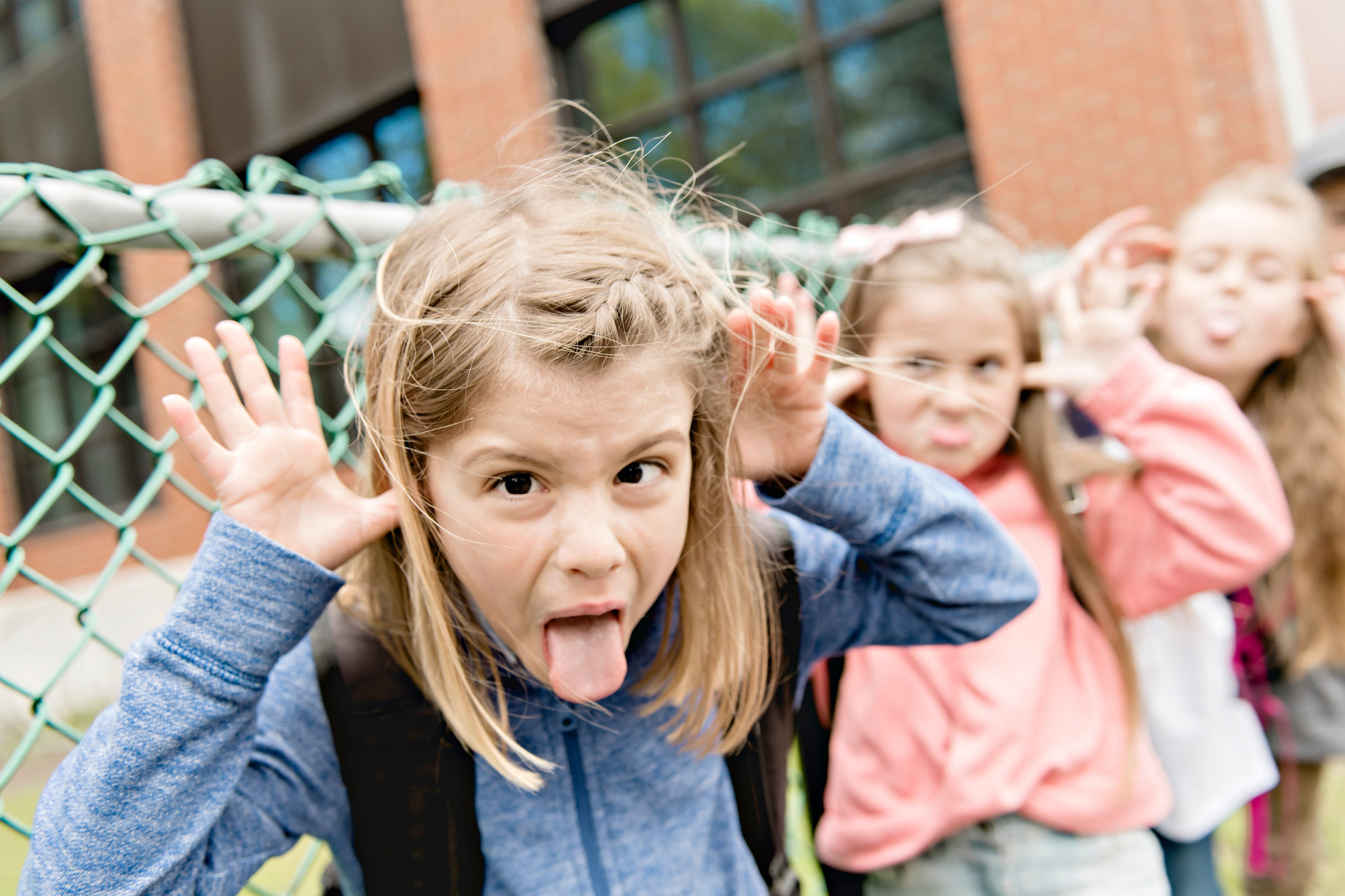
It’s hard to imagine a simpler childhood game than tag. Someone shouts “You’re it!” and suddenly everyone is running for their lives.
Yet in 2015, elementary schools in Washington’s Mercer Island School District adopted hands-off recess expectations that effectively stopped traditional tag.
Officials cited physical and emotional safety, but parents weren’t impressed.
Following public criticism, the district reversed its decision on September 25, 2015, restoring traditional tag and allowing appropriate physical interaction.
Sometimes, even playground rules need a second look.
Red Rover

“Red Rover, Red Rover, send somebody over!”
Those words probably bring back memories of children linking arms and challenging classmates to break through their human chain.
Unfortunately, the game’s exciting moment is also where injuries can happen.
In California, a Red Rover injury involving a student at Carlton Oaks Elementary led to a lawsuit that reportedly ended in a $15,000 settlement in 2013. Reporting confirmed a restriction, although accounts differed on when it began.
More recently, Pomeroy Elementary in Washington explicitly prohibited Red Rover in its 2026–27 student handbook.
King of the Hill
The rules were wonderfully simple: climb to the top of a mound, stay there, and defend your position against anyone trying to take over.
Of course, keeping your imaginary kingdom often involved some pushing and shoving.
Hankinson Elementary in North Dakota listed King of the Hill among prohibited playground activities in its 2024–25 handbook.
The school emphasized safe play and avoiding rough behavior, but it did not explain why it banned this particular game.
Apparently, being playground royalty has its limits.
Tackle Football
For generations of children, a football and a patch of grass were enough to recreate their favorite NFL moments.
But tackling classmates during recess is a different matter from throwing a football around.
Pomeroy Elementary’s 2026–27 handbook allows catching, kicking, and throwing footballs while explicitly prohibiting tackling.
That distinction matters. The school didn’t ban football altogether; it restricted the rough-contact element.
Kids can still dream of making the winning touchdown, just without bringing their classmates crashing to the ground.
Snowball Fights
For children growing up in snowy states, winter recess could become an unofficial snowball championship.
Find some snow, pack it together, and prepare for battle.
However, schools have limited that winter tradition.
Hankinson Elementary’s 2024–25 handbook prohibited throwing snowballs and iceballs. Pomeroy Elementary’s 2026–27 rules also restricted throwing snow or ice, although supervised exceptions were possible.
While snowball fights might feel like harmless winter fun, school officials have to consider what happens when an icy projectile hits someone.
Kickball
Kickball was baseball’s more approachable cousin. No bat required, just a big rubber ball and enough confidence to send it flying.
In 2018, an Alabama education document attracted attention for criticizing kickball as a physical education activity.
It raised concerns about limited participation, embarrassment, and rules that allowed players to throw balls at runners.
But here’s the important part: Alabama education officials clarified that the document was not an official statewide directive.
No verified statewide kickball ban came from that controversy.
Capture the Flag
Few games inspired more elaborate playground strategies than Capture the Flag.
Teams defended their territory, planned daring rescues, and tried to steal the opposing team’s flag without getting caught.
The same disputed Alabama document criticized traditional versions for leaving some children less involved, especially those with fewer athletic skills.
However, that criticism did not establish a school ban.
Organizations such as Playworks continue to promote modified versions with clear boundaries and light-touch tagging.
The game can still deliver plenty of excitement without turning recess into an all-out wrestling match.
Duck, Duck, Goose
A circle of seated children, one person walking around, and the suspense of wondering who would suddenly be called “goose.”
What could possibly be controversial?
Apparently, participation time.
The Alabama document criticized Duck, Duck, Goose because most children remain seated while only two players run.
That doesn’t mean officials declared the game too dangerous or that Alabama schools banned it.
The concern was primarily whether it was an effective use of physical education time.
For anyone who spent childhood hoping to be picked, that might sound like an unexpected complaint.
Tug-of-War
Nothing tested playground teamwork quite like two groups grabbing opposite ends of a rope and pulling with everything they had.
Tug-of-war was a field-day favorite, complete with cheering classmates and dramatic last-second victories.
The disputed Alabama guidance questioned the activity because of possible rope burns, dragging, and children being knocked down.
It also challenged how much meaningful physical education the game provided.
But again, these were criticisms in a document that state officials disavowed, not proof of an enforceable statewide ban.
Musical Chairs
Musical chairs could transform the friendliest classroom party into a surprisingly competitive event.
Everyone circled the chairs, the music stopped, and suddenly finding somewhere to sit became the afternoon’s most important mission.
The Alabama document also criticized this classic activity.
Its concern wasn’t that children couldn’t handle losing. Rather, it questioned elimination games that leave participants sitting out while others continue playing.
No specific school ban was verified from that controversy.
Musical chairs remains a good example of how a recommendation about classroom participation can become exaggerated into a story about schools banning childhood fun.
Are Schools Really Making Playgrounds Too Safe?
It’s tempting to look at these restrictions and conclude that today’s children are being protected from every possible bump, bruise, or disappointment.
But the evidence tells a more complicated story.
Some schools have genuinely restricted rough-contact games. Others have modified activities, reversed unpopular rules, or simply questioned whether certain games belong in structured PE lessons.
And safety concerns aren’t entirely imaginary. A 2016 study published in Pediatrics estimated approximately 21,101 annual emergency department visits for playground-related traumatic brain injuries among children aged 14 and younger during 2001–2013. However, those figures cover playground injuries broadly, not injuries caused specifically by these 11 games.
At the same time, play remains important. The American Academy of Pediatrics reaffirmed in 2026 that recess supports children’s physical, social, emotional, and cognitive development.
The challenge is finding a reasonable balance between protecting children and allowing them to run, compete, explore, and occasionally lose.
After all, childhood shouldn’t be completely free of challenges. But not every playground adventure needs to end with someone visiting the nurse’s office.
Perhaps the best solution isn’t to eliminate old-school games. It’s to preserve the fun while making the rules a little smarter.