If you grew up in America during the 1960s, your dinner table probably looked very different from what younger families eat today. Some dishes that once appeared at family dinners, church gatherings, and neighborhood potlucks have nearly disappeared from everyday conversation.
Back then, convenience foods were gaining popularity, casseroles could feed an entire family, and gelatin seemed to belong in almost everything. Some of those meals remain popular today, but others might leave younger Americans wondering what people were thinking.
Here are 12 foods that might bring back memories of a kitchen you haven’t thought about in years.
1. Creamed Chipped Beef on Toast
Some families knew it by a less flattering nickname, but creamed chipped beef on toast was a familiar meal in many American households. The dish combined thinly sliced dried beef with a thick white sauce, usually poured over toasted bread.
It was inexpensive, filling, and relatively simple to prepare, which made it practical for busy households. Its salty flavor wasn’t for everyone, but plenty of people remember eating it for breakfast or dinner.
2. Tuna Noodle Casserole
A can of tuna, egg noodles, condensed mushroom soup, and a crunchy topping could become dinner for an entire family. Tuna noodle casserole was particularly useful when money or time was tight, and some cooks added peas, shredded cheese, or crushed potato chips.
It hasn’t vanished completely, but younger cooks may be more familiar with tuna salad than this baked family favorite. For older generations, though, the smell of a tuna casserole coming out of the oven can bring back childhood memories.
3. Liver and Onions
Before chicken breasts and boneless cuts dominated many dinner menus, liver and onions was a familiar home-cooked meal. Beef or calf liver was usually pan-fried with sliced onions and served with mashed potatoes or another simple side.
Its distinctive flavor made it divisive even then, especially among children who preferred something milder. Still, families who ate it regularly often remember the smell of onions frying before dinner.
4. Ambrosia Salad
Calling this colorful mixture a salad might surprise someone encountering it for the first time. Ambrosia often combined mandarin oranges, pineapple, coconut, marshmallows, and whipped topping or sour cream.
It was a familiar sight at holiday meals and potlucks, particularly when families gathered for special occasions. Different households had their own versions, sometimes adding cherries, grapes, or nuts to make the dish their own.
5. Salmon Patties
Canned salmon was a practical pantry staple, and salmon patties turned it into a quick dinner. Home cooks mixed the fish with eggs, cracker crumbs or breadcrumbs, and seasonings before frying small patties in a skillet.
They were often served with potatoes, vegetables, or a simple sauce, making them a complete family meal. Many families still prepare them, though the dish gets less attention than modern salmon recipes.
6. Jell-O Vegetable Salad
Imagine opening the refrigerator and finding carrots, celery, or other vegetables suspended inside a brightly colored gelatin mold. That wasn’t unusual in mid-century American cooking, when decorative gelatin dishes were popular at parties and family gatherings.
The Smithsonian’s food history collection documents elaborate gelatin recipes, including savory combinations that sound surprising today. These molded creations became popular partly because they could be prepared ahead of time and presented as decorative dishes.
7. Sloppy Joes
Ground beef simmered in a sweet, tangy tomato-based sauce and piled onto a hamburger bun made Sloppy Joes an easy family dinner. The sandwich was messy, inexpensive, and popular with children who didn’t mind getting sauce on their fingers.
Sloppy Joes remain available today, including in school cafeterias and home kitchens. What has changed is how often families make the sauce themselves or serve the sandwich as a regular weeknight meal.
8. Chicken à la King
This creamy combination of chicken, mushrooms, peppers, and sauce was often served over toast, rice, noodles, or pastry shells. It appeared in home kitchens, cafeterias, and restaurant dining rooms, making it a familiar meal for many Americans.
Chicken à la King offered a practical way to use cooked chicken while turning leftovers into another meal. Today, many younger diners may recognize chicken pot pie more readily than this once-familiar dish.
9. Deviled Ham Sandwiches
Before today’s elaborate deli sandwiches, deviled ham offered a quick lunch option that required little preparation. The spread combined finely chopped or canned ham with seasonings, sometimes including mustard, mayonnaise, or pickle relish.
Families spread it onto sandwich bread or crackers, and commercial canned versions made it particularly convenient for lunchboxes. It wasn’t fancy, but it was practical for households that needed quick meals.
10. Meatloaf With Tomato Glaze
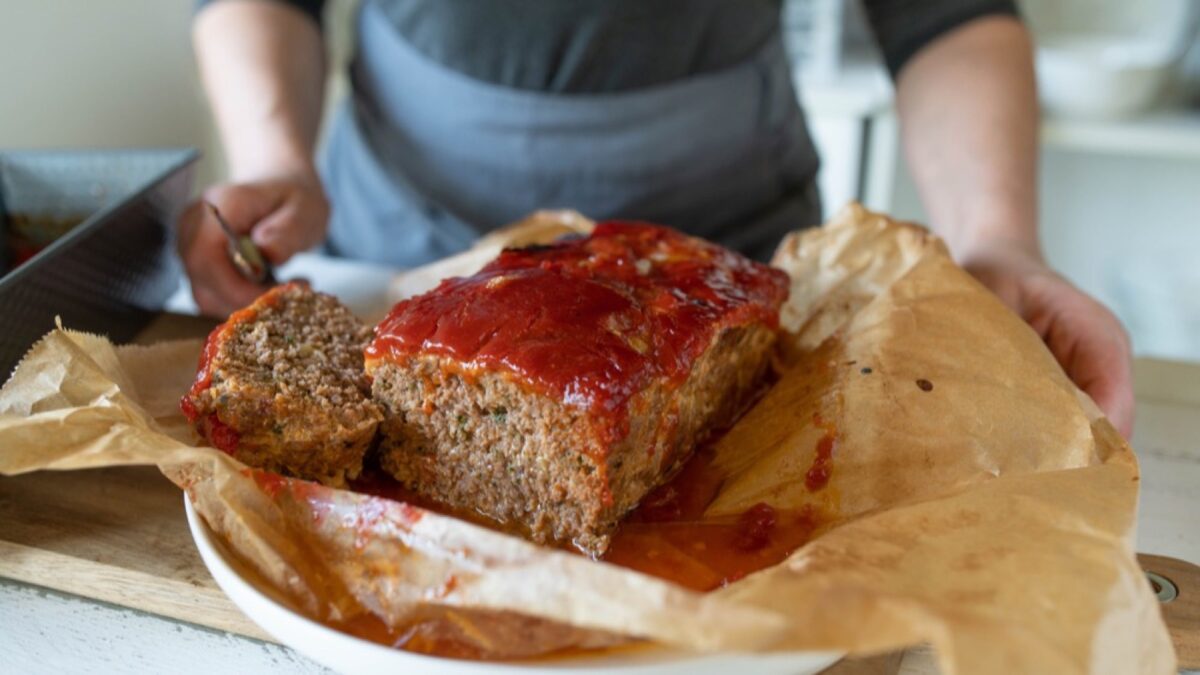
Meatloaf hasn’t disappeared, but its place as a predictable family dinner has changed. A typical version mixed ground beef with breadcrumbs, eggs, onions, and seasonings, then baked everything in a loaf pan.
Some families covered it with ketchup or a sweet tomato glaze, while others followed recipes passed down through generations. Leftover slices often became sandwiches the following day, making meatloaf a practical way to stretch ground meat across several servings.
11. TV Dinners in Aluminum Trays
For some families, dinner occasionally arrived in a compartmentalized aluminum tray rather than on a plate. Each section held a different part of the meal, and the entire tray could be heated in the oven.
The Smithsonian notes that Swanson introduced its frozen TV dinner in 1954, helping popularize a convenient meal that suited America’s growing television culture. By the 1960s, frozen dinners were firmly established in grocery stores, although the original oven-heated aluminum trays have since become a nostalgic reminder of the era.
12. Pineapple Upside-Down Cake
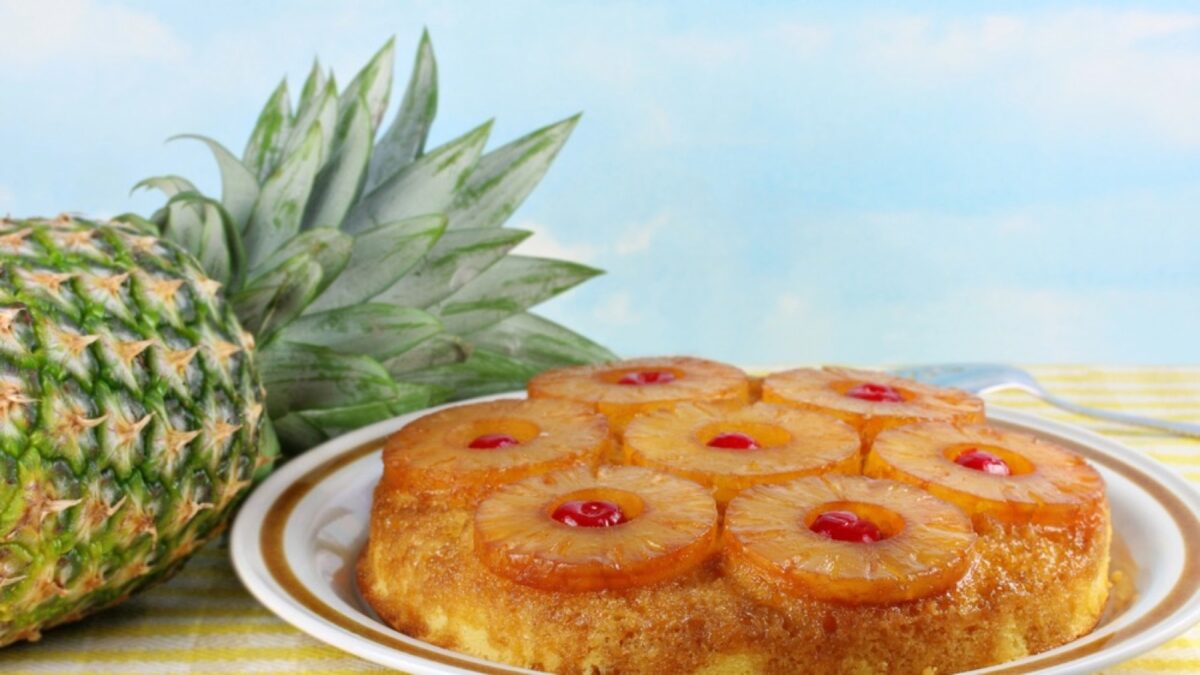
Pineapple rings arranged over brown sugar and butter created a cake with a distinctive appearance once it was turned out of its pan. Maraschino cherries often filled the centers of the pineapple rings, giving the finished dessert a colorful presentation.
For many families, it was a birthday, Sunday dinner, or special-occasion dessert. Its appeal came partly from using familiar pantry ingredients to produce something decorative without requiring complicated baking techniques.
Why These Foods Still Matter
The 1960s brought major changes to American kitchens, particularly the growing popularity of packaged ingredients and convenient meals. The Smithsonian’s history of mid-century cooking shows how food fashions changed alongside household technology and family routines.
For more childhood food memories, Crafting Your Home also explores what American family dinners looked like in the following decade. Some of these dishes are still cooked today, while others survive mainly in old recipe cards and family stories.
Sometimes, all it takes is the smell of one familiar meal to remember exactly where you sat at the dinner table. And for many Americans who grew up in the 1960s, these dishes are part of those memories.