The penny may no longer be rolling off the U.S. Mint’s production lines, but the coins in your drawer, car cup holder, and change jar are not worthless. Pennies already in circulation remain legal tender, and the federal government expects the billions of existing one-cent coins to keep moving through the economy for the foreseeable future.
That means you do not need to panic, hoard every penny, or rush to a coin dealer. But it is a good moment to decide whether those coins are serving you or simply taking up space.
First, know what changed.
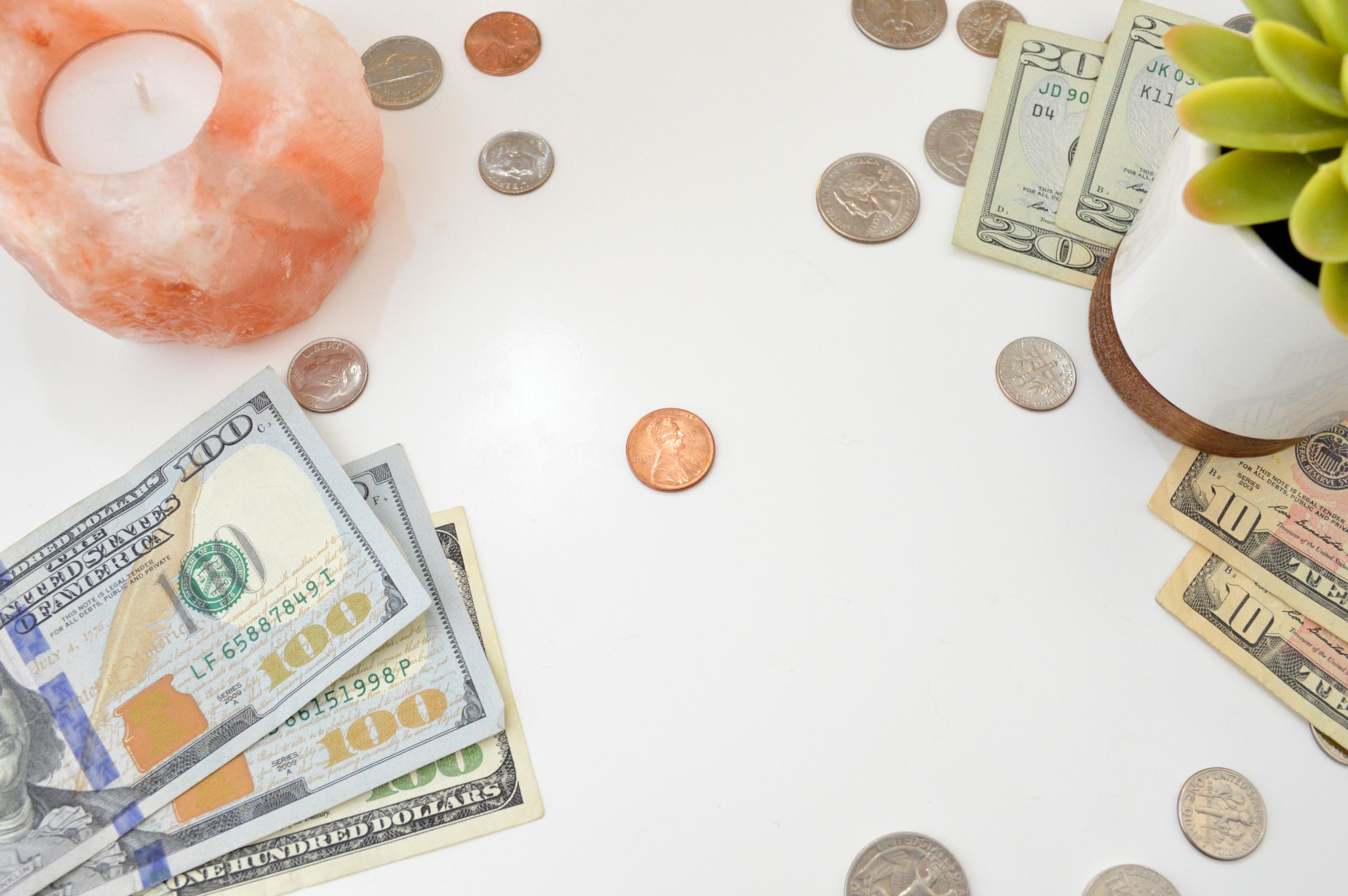
The U.S. Mint stopped producing pennies for everyday circulation on November 12, 2025. The Treasury concluded that continuing production was not financially responsible, especially as cash use declines and the cost of making each penny exceeds its face value.
Congress has since moved to end production after more than two centuries formally. The legislation allows existing pennies to remain legal tender and permits cash sellers to round transactions to the nearest nickel when exact change is unavailable. Electronic payments, however, will continue to be processed to the exact cent.
Deposit them at your bank.
For most people, the easiest option is to take pennies to their bank or credit union and deposit them into an account. The Treasury confirms that consumers can continue depositing pennies at financial institutions.
Before making a large deposit, call your branch. Some banks accept loose coins through a counting machine, while others require coins to be rolled. Policies also vary on whether non-customers can exchange coins, so using your own bank is usually the smoothest route.
Turn them into bills.

If your bank does not accept loose coins, look for a coin-counting kiosk. These machines can convert pennies into cash or an e-gift card, but check the fee first. A percentage-based fee can take a meaningful bite out of a large collection.
Rolling coins yourself is often the lowest-cost option. Many banks prefer rolled coins, and some credit unions provide wrappers for free. Count carefully, use standard wrappers, and label the rolls if your institution requires it.
Spend them while they are still easy to use
You can still pay with pennies. Businesses may continue accepting them, and the Federal Reserve plans to keep recirculating existing coins as long as supplies allow.
That said, cash transactions may increasingly be rounded to the nearest nickel when pennies are unavailable. If you prefer to avoid rounding, use exact change while you still have it, or rely on a card or mobile payment for purchases that require cent-level accuracy.
Donate the jar
A jar of pennies may not feel like much, but it can add up. Schools, food pantries, animal shelters, libraries, places of worship, and local charities often welcome coin donations.
Before dropping them off, ask whether the organization can process loose coins. If not, convert them to cash or bills first. A $20 donation in usable currency is often more helpful than a heavy bag of change the charity has to sort.
Set aside the collectible ones.

Most pennies are worth exactly one cent, but not all. Older dates, unusual mint marks, minting errors, uncirculated coins, and certain wheat pennies can attract collector interest.
Do not assume an old penny is automatically valuable. Check a reputable coin guide or speak with a professional coin dealer before selling anything unusual. Handle potentially valuable coins carefully; cleaning them can reduce their collector value.
Use a few around the house.
Pennies can still be handy for minor tasks. Keep a small amount in your car for parking meters or tolls where cash is accepted, use them to level a wobbly table, or save a few in a junk drawer for small errands.
Just do not let “useful” become an excuse to keep thousands of them. Pennies are heavy, bulky, and inconvenient to store in large quantities.
Avoid these common mistakes.
Do not throw pennies away. They remain legal currency, and discarding them is simply wasting money.
Do not melt them. Melting U.S. coins can violate federal law, and the metal value is not a reliable reason to destroy them.
Do not assume every penny will become a collector’s item. The vast majority will remain worth one cent, and storing massive quantities may create more hassle than value.
The smartest move for most people
If you have a modest amount of change, roll it and deposit it at your bank. If you have a large jar, compare your bank’s coin policy with local coin-counting machines and choose the option with the lowest fee.
If you enjoy collecting, pull out anything that looks unusual or historically interesting and have it evaluated. For everyone else, the goal is simple: turn dormant pennies into money you can actually use.
The penny’s production era is ending, but your change jar still has a job to do.