Have you ever opened a bag of potato chips, promised yourself just a handful, and somehow ended up staring at the empty bag? Or ordered a large pizza, planning to save half for tomorrow, only to reach for another slice before you even finished the first?
You’re certainly not alone. Some foods seem almost impossible to resist, even when we’ve had more than enough.
Interestingly, researchers have investigated why certain foods are harder to stop eating than others. A 2015 University of Michigan study published in PLOS ONE examined how people responded to 35 different foods. The researchers found that highly processed foods containing added fats and refined carbohydrates were especially associated with addictive-like eating behaviors.
That doesn’t mean these foods are clinically addictive for everyone. Food addiction remains a debated concept, but the findings help explain why some everyday favorites are so difficult to put down.
Here are 10 foods that stood out in the research.
Pizza
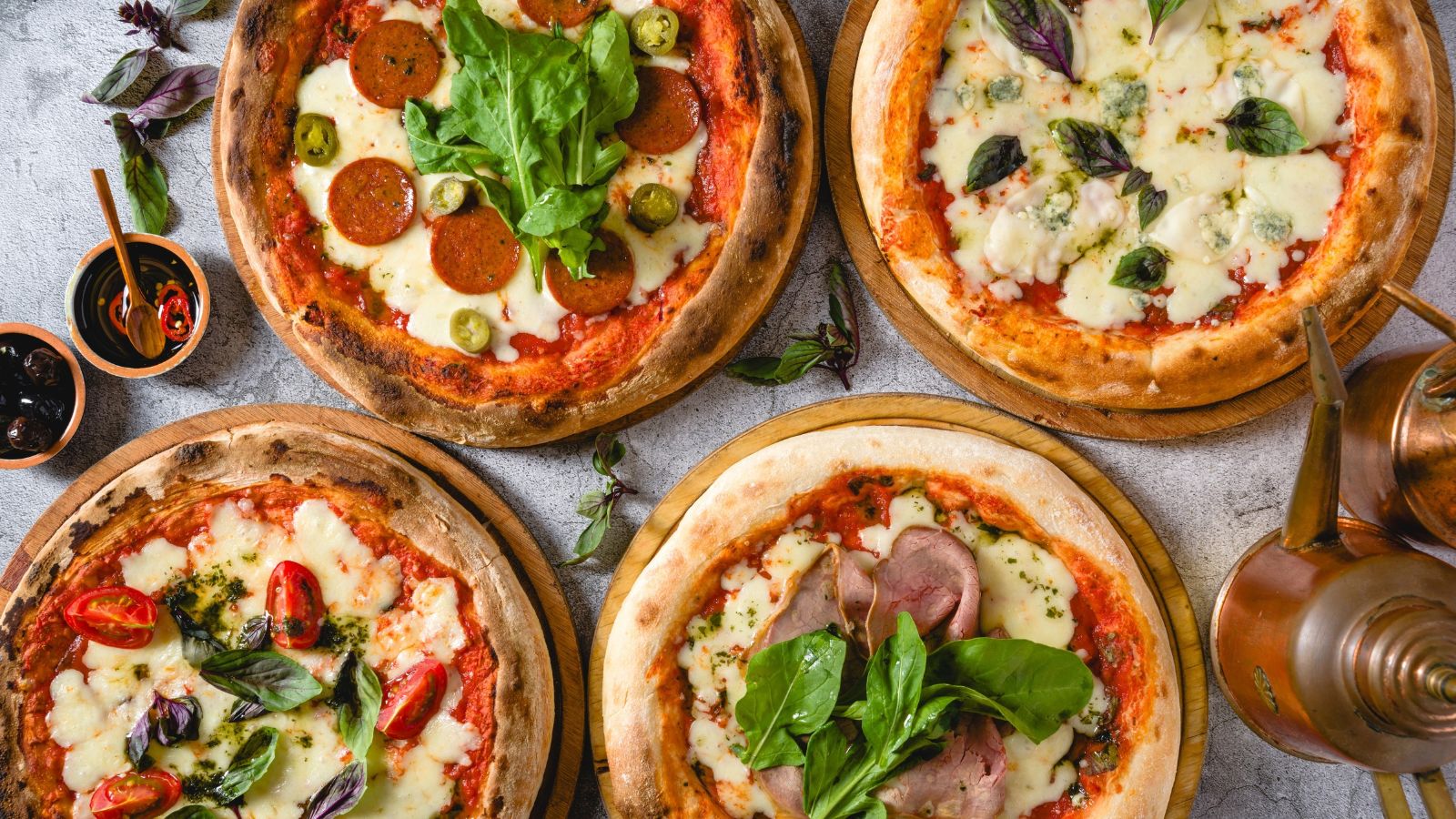
Pizza claimed the top spot in the University of Michigan study, and anyone who has reached for a third slice probably understands why.
The combination of melted cheese, flavorful sauce, soft crust, and savory toppings makes every bite especially satisfying. There’s also something about pizza that encourages another helping, especially when a hot box sits within arm’s reach.
The researchers gave pizza an average problematic-eating rating of 4.01 out of 7, the highest score among the 35 foods evaluated.
Whether you’re watching football, hosting friends, or enjoying a quiet Friday night, stopping at one slice can feel like an unexpected challenge.
Chocolate
Chocolate is one of those treats that can turn an ordinary afternoon into a little celebration.
Its rich flavor, smooth texture, and combination of sweetness and fat make it particularly appealing. For many people, chocolate is also associated with comfort, celebrations, and small rewards after a difficult day.
In the Michigan research, chocolate received an average rating of 3.73 out of 7, making it one of the most problematic foods.
Of course, enjoying chocolate doesn’t mean someone has an addiction. Still, that familiar urge to reach for another square helps explain why it’s such a popular craving.
Potato Chips
A family-sized bag of chips sometimes disappears faster than expected.
Potato chips combine saltiness, fat, and a satisfying crunch in a convenient snack that requires almost no preparation.
They’re also incredibly easy to eat while distracted. Whether you’re scrolling through your phone, watching Netflix, or chatting with friends, one handful can quickly become several.
Chips tied with chocolate in the Michigan study, earning an average rating of 3.73.
The next time you reach into the bag without thinking, consider how much of your snacking is driven by habit rather than hunger.
Cookies
Few things compete with the smell of freshly baked chocolate chip cookies.
Cookies deliver a satisfying combination of sweetness, fat, and texture. Some are soft and chewy, while others offer a delicate crunch that’s just as enjoyable.
They’re also conveniently portioned, which creates a funny little illusion. Eating one cookie feels small, so having another doesn’t seem like a big decision.
Researchers ranked cookies fourth, with an average problematic-eating score of 3.71.
And when there’s a plate of warm cookies sitting on the kitchen counter, resisting a second one can be easier said than done.
Ice Cream
Ice cream has a special talent for making people forget their original serving plans.
You scoop a little into a bowl, taste it, and suddenly consider adding another scoop.
Its appeal comes from the combination of sweetness, creaminess, cold temperature, and countless flavors. Add chocolate chunks, caramel swirls, or cookie dough pieces, and the experience becomes even more tempting.
Ice cream ranked fifth in the Michigan study, earning an average score of 3.68.
It’s also closely tied to enjoyable experiences, from summer vacations to birthday parties and movie nights. Those associations can make the craving feel even stronger.
French Fries
Whether they’re served alongside a burger or eaten straight from a takeout bag, French fries have a way of stealing attention from the main meal.
Their appeal is easy to understand. A good French fry offers a crispy exterior, fluffy center, and salty finish.
The contrast between the textures makes them especially enjoyable, while their small size makes it tempting to keep grabbing another.
French fries received an average rating of 3.60 in the study.
And let’s admit it: even people who insist they don’t want fries occasionally end up stealing a few from someone else’s plate.
Cheeseburgers
A juicy cheeseburger brings together several flavors and textures in one convenient package.
There’s the savory beef, melted cheese, soft bun, and often a generous helping of sauce. Add pickles or onions, and you get an appealing mix of richness, saltiness, and tanginess.
Cheeseburgers ranked seventh in the Michigan study, with an average rating of 3.51.
Interestingly, the findings suggest that highly processed combinations can be particularly difficult for some people to eat in moderation.
Still, the research doesn’t establish that every cheeseburger produces addictive behavior. Preparation, ingredients, and individual eating habits all matter.
Regular Soda
A cold soda might not seem comparable to pizza or chocolate, but it appeared among the foods and beverages associated with problematic eating in the research.
Regular soda is sweet, refreshing, and easy to consume quickly. For some people, it also becomes closely linked to familiar activities like eating lunch, going to the movies, or grabbing fast food.
Unlike many other foods on this list, soda doesn’t need fat to be appealing. Its sweetness and convenience can be enough to encourage repeated consumption.
Regular, non-diet soda earned an average rating of 3.29 in the study.
That doesn’t mean everyone who enjoys a soft drink experiences addiction. It simply demonstrates how frequently consumed beverages can become part of established routines.
Cake
Birthday cake, chocolate cake, cheesecake, and buttery vanilla cake all have one thing in common: they can make it surprisingly hard to stop at a small portion.
Cake combines sweetness with a soft, rich texture, and frosting adds another layer of indulgence.
It also comes with emotional associations. Cakes appear at weddings, birthdays, graduations, and other memorable celebrations.
In the Michigan study, cake earned an average rating of 3.26.
Sometimes the temptation isn’t just about the flavor. It’s also about the experience of enjoying something special, particularly when another slice is readily available.
Cheese
Cheese deserves a place in this conversation, although its reputation has occasionally been exaggerated.
Its creamy texture, savory flavor, and versatility make it a favorite ingredient in everything from sandwiches to pasta dishes.
Some people also enjoy cheese as a standalone snack, particularly when it’s paired with crackers.
However, the Michigan study placed cheese below pizza, chocolate, chips, cookies, and several other foods. It received an average problematic-eating score of 3.22.
Despite sensational headlines suggesting cheese is as addictive as certain drugs, the research did not establish that comparison.
Cheese can be difficult to resist, but that doesn’t make it equivalent to a drug addiction.
Why Are Some Foods So Hard to Resist?
The bigger story isn’t simply that pizza tastes amazing or that potato chips are delicious.
Researchers are increasingly interested in how food processing, flavor combinations, and the brain’s reward system influence eating behavior.
A 2023 analysis published in The BMJ reviewed evidence from 281 studies across 36 countries. It reported that approximately 14% of adults and 12% of children met criteria for food addiction using the Yale Food Addiction Scale.
Those figures describe symptoms measured by a research questionnaire, not confirmed cases of an officially recognized medical diagnosis.
Researchers also continue to debate whether the problem is best understood as an addiction to certain highly processed foods, a pattern of eating behavior, or a combination of different factors.
What is clear is that foods engineered to be especially appealing can make moderation harder for some people.
The Bottom Line
You don’t need a scientific study to tell you that pizza, chocolate, and potato chips are delicious. But the research offers an interesting explanation for why certain foods seem to disappear before we realize how much we’ve eaten.
Enjoying these foods doesn’t automatically mean there’s a problem. The more important distinction is whether eating feels enjoyable and intentional or repeatedly difficult to control.
And perhaps that’s the most relatable finding of all: sometimes the hardest part of enjoying your favorite snack isn’t opening the package. It’s deciding when you’ve had enough.
Which food is hardest for you to stop eating once you start: pizza, chocolate, chips, or something else?