The holidays have a way of making us worry about things nobody may remember. We straighten the Christmas tree for the tenth time, rearrange the pillows, polish the dining table, and wonder whether the decorations look festive enough. Yet some of the most meaningful moments happen before anyone notices the ornaments.
Think about arriving at a loved one’s home after a long drive. Someone opens the door, takes your coat, and welcomes you inside. A comfortable place to sit, familiar voices filling the room, and you immediately feel like you belong.
That’s what makes holiday hospitality special. It’s not necessarily the expensive decorations or perfectly arranged furniture. It’s the little details that tell visitors they’ve been considered.
Home and entertaining experts recommend focusing on entryways, household odors, guest essentials, and practical comforts when preparing for visitors.
Here are 11 details that can influence how guests experience your home during the holidays.
Related:9 Things to Put Away Before Holiday Houseguests Arrive
The Smell That Welcomes Them Inside
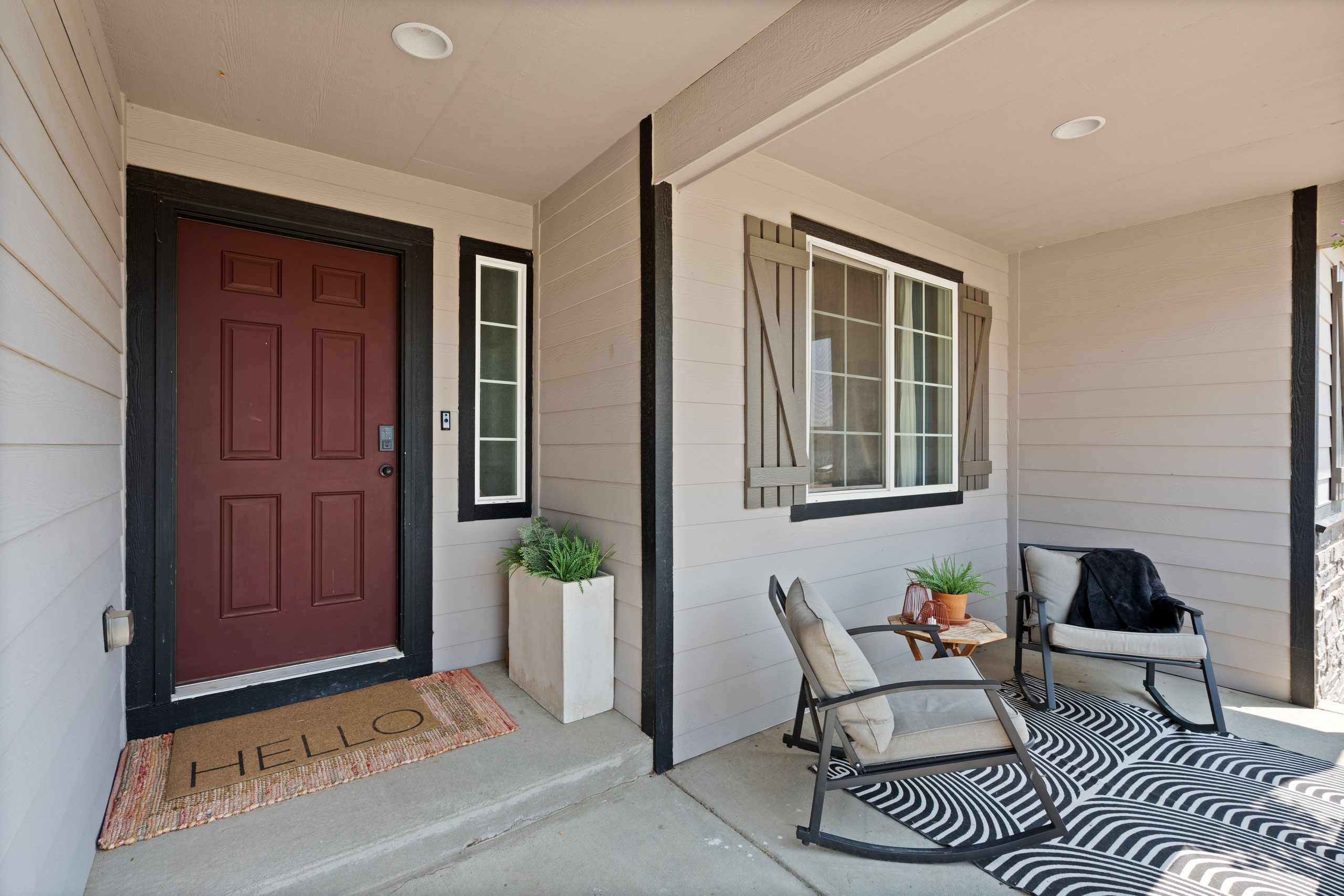
Before guests admire your Christmas tree or compliment your furniture, they may notice how your home smells.
The aroma of something baking can make a pleasant first impression, while lingering cooking odors or an overflowing trash can may be less inviting.
Home lifestyle expert Julian Thomas told The Washington Post that scent is an important part of a home’s first impression.
But making a house smell welcoming doesn’t require expensive fragrances. Emptying the trash, cleaning kitchen surfaces, and checking for unpleasant odors can make a difference.
If you enjoy seasonal fragrances, cinnamon, cranberry, and balsam fir are popular holiday-inspired options. Just remember that guests have different preferences, and a subtle scent may be more appropriate than an overpowering one.
Related:8 Things Never to Do With a Christmas Tree and Holiday Lights
The Shoes and Clutter Around Your Front Door
Imagine inviting someone into your home, only to have them navigate a collection of boots, shopping bags, and unopened packages.
The entryway is one of the first spaces visitors encounter, making it an important place to prepare before a gathering.
Professional organizers recommend clearing unnecessary belongings from entrances and coat closets before holiday entertaining.
You don’t need an elaborate storage system. A simple shoe rack, basket, or designated space for belongings can help.
For example, IKEA offers practical hallway storage options, including its VASSKÄR bamboo shoe rack and TRONES storage cabinets.
However, the simplest improvement might cost nothing: Move the things you aren’t using and make room for the people you’re expecting.
The Welcome Mat That Has Seen Better Days
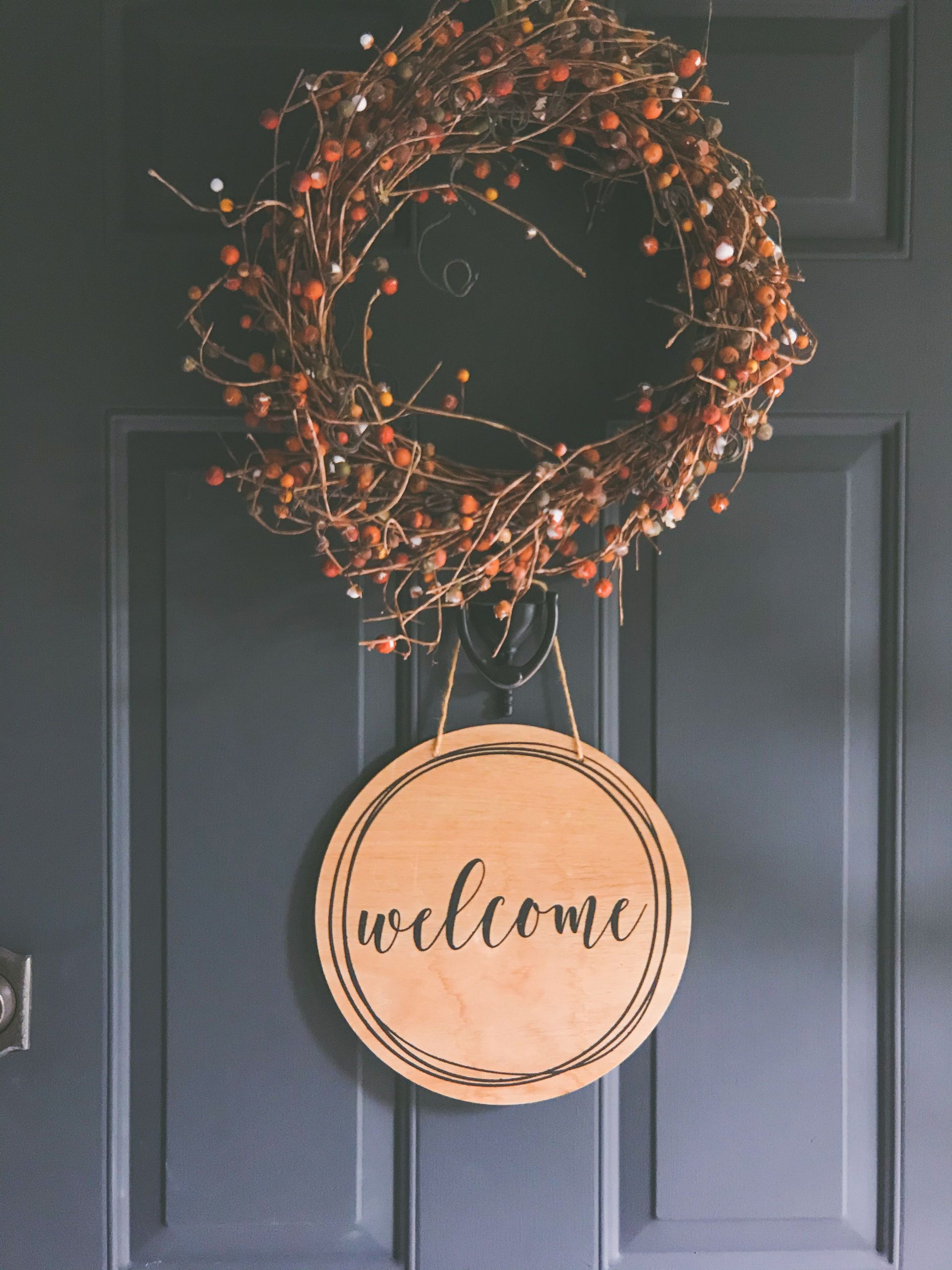
A welcome mat is a small household detail that rarely receives much attention until visitors arrive.
A worn, curled, or dirty mat can make the entrance appear neglected, even when the rooms beyond it are beautifully decorated.
Holiday preparation advice recommends checking the entrance and providing a mat for guests arriving with wet shoes.
An existing mat may only need a thorough cleaning. Shake away loose dirt, remove accumulated leaves, and straighten its position.
If you need a replacement, a basic coir doormat can offer a practical alternative to an elaborate seasonal design.
The goal isn’t to impress visitors with an expensive entrance. It’s to make the first few steps into your home feel easy and welcoming.
The Decorations That Compete for Attention
Holiday decorating can be one of the season’s greatest pleasures. But you can fill a room with so many festive objects that everyday activities become difficult.
Consider a coffee table covered with figurines, candles, ornaments, and decorative greenery. It may look beautiful, but where will guests put their drinks?
Designers recommend keeping decorations organized and surfaces usable.
A thoughtfully decorated mantel, a Christmas tree, or a centerpiece can establish a festive atmosphere without covering every available inch.
Of course, some families genuinely love abundant holiday decorations. There’s nothing wrong with that.
The key distinction is between decorations that enhance the gathering and those that take up space people need.
Related: Sourcing and Decorating With Vintage Christmas Decorations
The Lighting That Changes the Entire Atmosphere
Lighting can dramatically change how a room appears.
Harsh overhead lighting may create a different atmosphere from the softer glow of table lamps and carefully positioned holiday lights.
Interior designers frequently recommend layered lighting for entertaining because it combines practical visibility with a more relaxed setting.
Instead of relying on a single bright ceiling fixture, use existing lamps in different areas of the room.
Warm-white LED bulbs, often labeled 2700K, are another option for households that prefer warmer-looking light.
However, mood lighting shouldn’t make it difficult for visitors to see where they’re walking or place their belongings.
The best arrangement balances atmosphere with everyone’s practical needs.
Related: How to Remove Popcorn Ceiling in 7 Easy Steps
Whether There’s Somewhere to Put Their Coats
This small inconvenience can happen in almost any home.
A guest arrives carrying a coat, handbag, and wrapped present. After exchanging greetings, they stand awkwardly near the entrance, unsure where to put anything.
Thomas recommends creating a designated drop zone for coats, bags, umbrellas, and gifts.
That could mean clearing space in an existing closet, setting out hangers, or temporarily using a spare bedroom.
You don’t need to purchase a freestanding coat rack for a gathering that happens once a year.
What matters is giving visitors a clear answer before they have to ask.
A simple invitation to leave their belongings in a prepared space can make arrival feel more personal and less complicated.
The Seating That Makes Everyone Feel Included
A living room may look beautiful in photographs but still be difficult for a group to use comfortably.
Chairs arranged too far apart can make conversations awkward. A sofa covered in decorative pillows may leave less room for people to sit.
Holiday-hosting experts recommend arranging seating to encourage conversation and providing easy access to drinks.
Before guests arrive, consider how people will move through the room.
Can they comfortably reach a chair? Is there space for someone to join a conversation? Will everyone need to move whenever another guest walks past?
You may discover that rearranging furniture works better than buying additional pieces.
A welcoming room isn’t simply one that looks attractive. It’s one where people can comfortably spend time together.
The Everyday Clutter You No Longer See
Every home has objects that gradually fade into the background.
Mail collects on a side table. Phone chargers occupy the kitchen counter. Remote controls, receipts, and miscellaneous household items find permanent homes in unexpected places.
Because we see these belongings daily, it’s easy to overlook them.
Professional cleaners interviewed by Real Simple recommend concentrating on visible clutter in entrances, kitchens, living rooms, and bathrooms.
The solution doesn’t have to involve a complete household makeover.
A basket for loose objects, a folder for paperwork, and a few minutes spent clearing frequently used surfaces can make the room easier for guests to navigate.
There’s no need to hide every sign of ordinary family life. Personal belongings often give homes their character.
The Bathroom That Shows Someone Thought Ahead
Guests may enter your home admiring the decorations, but at some point, someone will probably need to use the bathroom.
That’s when practical details matter most.
An empty soap dispenser, missing hand towel, or toilet paper stored somewhere difficult to find can create an unnecessary inconvenience.
The Washington Post recommends preparing guest bathrooms with visible essentials, including soap, toilet paper, fresh towels, and a wastebasket.
You don’t need luxury toiletries or matching accessories.
Clean surfaces, accessible supplies, and a dry hand towel are far more useful than an elaborate display that leaves guests searching for the basics.
A little preparation also means visitors won’t have to interrupt the gathering to ask where everything is kept.
The Table That Looks Ready for People
A beautifully decorated dining table can become a focal point during holiday celebrations.
However, guests also need space to eat, set down drinks, and enjoy conversations.
Professional organizers interviewed by Real Simple recommend reviewing holiday serving dishes and table linens before entertaining.
This can help hosts identify what they already own, what needs cleaning, and which pieces will actually be used.
An uncomplicated arrangement of clean napkins, practical serving dishes, and a modest centerpiece can work beautifully.
The table doesn’t need expensive china or a complicated decorative theme.
It simply needs to be ready for the people gathering around it.
The Small Gestures That Make Them Feel Wanted
Perhaps the most memorable holiday detail isn’t something guests notice right away.
It may be how they’re greeted, the familiar snack on the table, or the comfortable chair someone remembers they prefer.
Hospitality experts recommend thoughtful personal touches, particularly when welcoming overnight guests.
A handwritten note, a clear explanation of household arrangements, or easy access to coffee and other refreshments can help visitors settle in.
These gestures don’t necessarily require buying anything.
And they can be especially meaningful when family members haven’t seen one another for months or years.
It’s easy to become distracted by whether the house looks impressive. But holiday visitors are also coming to spend time with the people inside it.
A home can have older furniture, mismatched decorations, and a few signs of everyday life while still offering a genuinely warm welcome.
What Guests May Remember Long After the Holidays
When the celebration ends, the decorations come down, the dishes return to their cupboards, and the house settles back into its usual routine.
The perfectly arranged centerpiece might never be mentioned again. Nobody may remember whether the cushions matched or whether the Christmas tree stood exactly in the center of the room.
But a gathering where people felt comfortable, included, and genuinely welcomed has a different kind of value.
Recent hosting advice from Real Simple reinforces this idea: prepare for guests by focusing on comfort and hospitality rather than making every corner of a home look perfect.
So, before spending another hour rearranging decorations, consider a simpler question: Will the people walking through my door feel comfortable being here?
That may be the most useful measure of a holiday-ready home.
And sometimes, the most welcoming thing you can do is finish preparing early enough to enjoy your guests when they arrive.