Opening your refrigerator shouldn’t feel like playing Jenga. Yet for many households, finding a simple container of yogurt means moving three bottles, two leftover containers, and a mysterious bag of vegetables that’s been hiding in the back for weeks.
A cluttered fridge doesn’t just look messy. It makes grocery shopping harder, hides food you already own, and can lead to unnecessary waste.
The good news? You don’t need a bigger refrigerator or expensive organizing gadgets to make a difference. With a few smart adjustments, even a small fridge can feel surprisingly spacious.
Here are 10 practical ways to organize your refrigerator, maximize storage, and make everyday cooking easier.
Start by Taking Everything Out
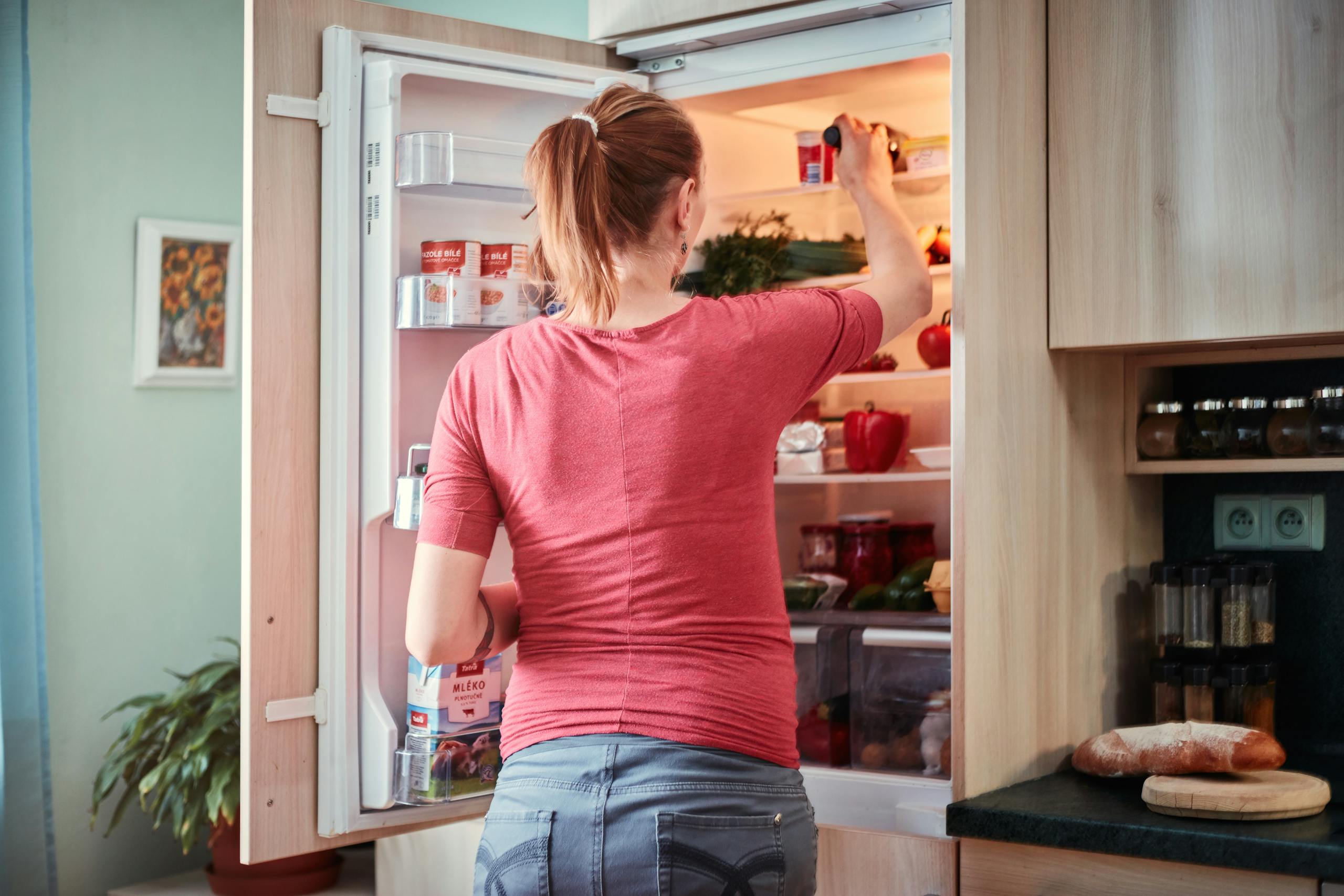
Before buying storage containers or rearranging shelves, empty your refrigerator.
Yes, everything.
This might sound like unnecessary work, but it’s the easiest way to see exactly what you’re dealing with. You may discover three nearly empty bottles of salad dressing, forgotten leftovers, or duplicate condiments taking up valuable space.
Check expiration dates and examine foods for signs of spoilage. Discard anything that is no longer safe to eat.
Next, wipe down the shelves, drawers, and door compartments with warm, soapy water.
Keep perishable foods chilled in a cooler while you clean, especially if the process will take more than a few minutes.
Once the refrigerator is clean, you’ll have a better idea of how much usable space you actually have.
Create Specific Zones for Different Foods
One of the biggest refrigerator organization mistakes is putting groceries wherever there’s an empty spot.
Instead, give different food categories their own designated areas.
For example, reserve one section for dairy products, another for leftovers, and another for ready-to-eat snacks.
Keep frequently used foods at eye level so that family members can find them easily.
Store raw meat, poultry, and seafood in sealed containers on the lowest shelf to prevent juices from dripping onto other foods.
This simple zoning system means you’ll spend less time searching for ingredients and more time enjoying your meals.
It also makes putting groceries away much easier.
Use Clear Storage Bins to Keep Small Items Together
Small food items tend to disappear behind larger containers.
Think yogurt cups, cheese sticks, snack packets, and little jars of sauce.
Clear storage bins can solve this problem by keeping similar items together.
You could have one bin for breakfast foods, another for snacks, and a third for condiments that don’t fit comfortably in the door.
Because the containers are transparent, you can see what’s inside without pulling everything out.
You don’t have to purchase expensive refrigerator organizers, either. Clean, food-safe containers that fit your shelves can work just as well.
Just avoid packing the bins so tightly that cold air cannot circulate.
Adjust Your Shelves to Fit Your Groceries
Most refrigerators come with adjustable shelves, but many people never change their original positions.
That can leave awkward empty spaces above short containers while taller items struggle to fit elsewhere.
Take a few minutes to examine your grocery habits.
If you frequently buy tall beverage bottles, create a section with enough vertical clearance.
If you store many smaller containers, a lower shelf may give you more usable storage space.
Some refrigerators also have sliding or folding shelves designed to accommodate oversized items.
Check your refrigerator’s manual before making adjustments.
A small change in shelf height can sometimes eliminate the need to stack containers precariously.
Stop Storing Everything in the Refrigerator Door
The refrigerator door might seem like the perfect place to store everything from milk to eggs.
After all, its compartments are convenient and easy to access.
However, the door is generally the warmest part of the refrigerator because it experiences temperature changes whenever someone opens it.
That’s why it’s best for items like ketchup, mustard, pickles, and other condiments that can tolerate these fluctuations.
Milk, eggs, and other highly perishable foods are better stored on interior shelves, where temperatures are usually more consistent.
Organize door compartments by category to prevent overcrowding.
You might be surprised how much easier it becomes to find your favorite sauces when they’re no longer scattered across three different shelves.
Make Better Use of Your Crisper Drawers
Those drawers at the bottom of your refrigerator aren’t just extra storage compartments.
They’re designed to help maintain suitable humidity conditions for fresh produce.
Many refrigerators have adjustable humidity settings. High humidity generally works well for leafy greens, broccoli, and other vegetables that lose moisture easily.
Lower humidity is often better for fruits such as apples and pears, which release ethylene gas as they ripen.
Keeping ethylene-sensitive vegetables away from ethylene-producing fruits can help prevent premature deterioration.
If your refrigerator has two drawers, consider separating fruits and vegetables rather than mixing everything.
Also, avoid stuffing drawers until they barely close. A little breathing room makes it easier to see what you have and prevents delicate produce from getting crushed.
Create an “Eat Me First” Section
Every refrigerator has foods nearing the end of their useful storage life.
Maybe it’s half a container of strawberries, leftover pasta, or a package of cheese you opened earlier in the week.
Instead of letting these items disappear behind newer groceries, create a designated “Eat Me First” area.
A small transparent container works perfectly.
Put foods that should be used soon in this section so they’re the first things you notice when you open the fridge.
You can even attach a simple label to remind everyone in the household.
The idea is to make older food more visible and encourage family members to use it before opening something new.
Just remember that this section isn’t meant for spoiled food or leftovers that have exceeded recommended storage times.
According to the U.S. Department of Agriculture, refrigerate most cooked leftovers promptly and eat them within three to four days.
Store Leftovers in Stackable Containers
Leftovers often cause some of the biggest space problems in refrigerators.
A large cooking pot, oversized bowl, or oddly shaped takeaway container can occupy much more room than necessary.
Transfer leftovers into appropriately sized, stackable food-storage containers instead.
Rectangular and square containers often fit together more efficiently than round ones, especially on narrow shelves.
Choose containers with secure lids to prevent spills and unwanted odors.
Whenever possible, use shallow containers to help food cool quickly.
The USDA recommends dividing leftovers into shallow containers and refrigerating them promptly rather than leaving them on the countertop for extended periods.
Label containers with the date the food was prepared, particularly if your household regularly cooks in batches.
Leave Enough Room for Cold Air to Circulate
It might seem logical to maximize refrigerator space by filling every available inch.
Unfortunately, overcrowding can work against you.
Refrigerators need proper airflow to maintain consistent cooling throughout the interior.
When food containers are packed too tightly, some areas may not stay as cold as they should.
The Food and Drug Administration recommends keeping refrigerator temperatures at or below 40 degrees Fahrenheit and avoiding overpacking so cold air can circulate properly.
A refrigerator thermometer can help you check whether your appliance is maintaining the correct temperature.
Avoid blocking interior vents with large containers or bottles.
If your fridge regularly becomes overcrowded after grocery shopping, consider whether some unopened pantry-stable items actually need refrigeration. Always follow the storage instructions printed on the packaging.
Sometimes, making more room is simply a matter of storing food in the right place.
Spend Five Minutes Organizing Before Grocery Shopping
A beautifully organized fridge can quickly become messy again if you don’t maintain it.
Fortunately, keeping things under control doesn’t require another exhausting cleaning session every week.
Before heading to the grocery store, spend five minutes checking what’s already inside.
Move older food toward the front, inspect leftovers, and take stock of fresh produce.
Wipe up spills and identify anything that needs to be used soon.
This quick routine helps you avoid buying duplicate groceries and makes unpacking new purchases much simpler.
When appropriate, put newer products behind older ones, following the “first in, first out” approach.
Over time, these small habits can make refrigerator organization feel almost effortless.
A More Organized Fridge Makes Everyday Life Easier
You don’t need a picture-perfect refrigerator filled with matching containers to enjoy a more organized kitchen.
What matters is creating a system that works for your household.
Maybe that means dedicating one shelf to children’s snacks, keeping lunch ingredients together, or making sure leftovers are always visible.
Start with the changes that solve your biggest frustrations, then adjust the layout as your family’s needs change.
A little planning can create more usable space, reduce forgotten food, and make everyday meal preparation less stressful.
And the next time you reach for yogurt, you might actually find it without moving half the refrigerator first.