Winter has a way of changing a kitchen’s rhythm. One day, you’re planning dinner with fresh ingredients; the next, snow, icy roads, or a power outage may have you reaching for whatever is already in the pantry. That’s when a few humble cans can become surprisingly useful.
According to the U.S. Department of Agriculture (USDA), households should keep at least a three-day emergency food supply. Federal emergency preparedness guidance also recommends several days’ worth of familiar, nonperishable foods that require little or no preparation.
The good news? You don’t need to fill every cupboard with unfamiliar products. USDA storage guidance indicates that many unopened low-acid canned foods maintain their best quality for approximately two to five years, while high-acid varieties generally have shorter recommended storage periods.
Here are eight practical canned foods worth keeping within reach before winter settles in.
Canned Beans: The Pantry’s Reliable All-Rounder
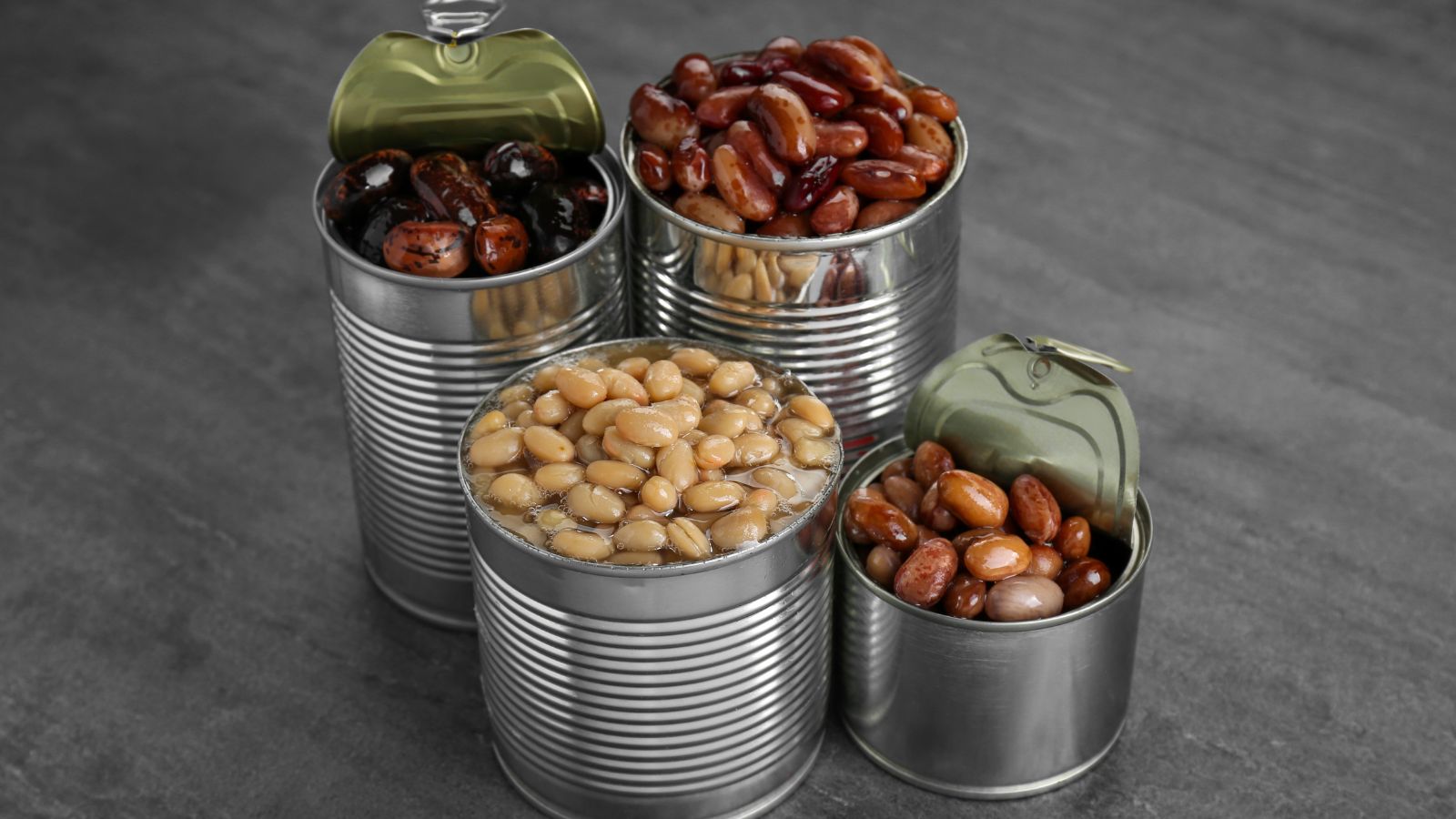
Some ingredients quietly do their job without demanding much attention. Canned beans belong in that category.
Unlike dried beans, which generally require soaking and cooking, commercially canned beans are already prepared. According to the University of Georgia Extension, they’re among the ready-to-eat foods suitable for emergency supplies.
You can add them to chili, stir them into soup, or make a simple bean salad. The possibilities stretch far beyond a single recipe.
The USDA places canned beans in its low-acid category, with an approximate unopened best-quality storage period of two to five years.
For everyday cooking and unexpected interruptions alike, they’re a sensible ingredient to keep on the shelf.
Canned Tomatoes: The Foundation of Countless Dinners
Few pantry ingredients can transform an ordinary pot quite like canned tomatoes.
Whole, diced, or crushed tomatoes can start a simmering sauce, a hearty soup, or a bubbling stew. They bring flexibility to winter cooking without depending on fresh tomatoes being available.
However, their storage timeline deserves attention. According to USDA canned-food guidance, tomatoes fall into the high-acid category, with a recommended best-quality storage window of about 12 to 18 months.
That’s considerably shorter than the two-to-five-year guidance for many low-acid canned foods.
Choose whichever tomato style you actually cook with, and rotate your supply regularly. Build a useful pantry around meals you’ll genuinely make.
Ready-to-Eat Soup or Stew: Dinner Without the Fuss
There’s something comforting about opening a can of soup when the weather outside isn’t particularly inviting.
Ready-to-eat soups and stews are especially practical because they require fewer preparation steps than dishes assembled entirely from separate ingredients.
The University of Georgia Extension includes canned soups among foods suitable for a short-term emergency supply, while Ready.gov recommends keeping at least several days of nonperishable food. But read the label before stocking up.
Some soups are ready to eat straight from the can, while condensed varieties require additional water or milk.
USDA guidance generally gives low-acid canned soups and stews an unopened best-quality window of two to five years. Tomato-based soups fall into the shorter high-acid category.
When cooking options are limited, simplicity can be its own kind of luxury.
Canned Chicken: An Easy Shortcut for Everyday Meals
Fresh chicken may have a regular place in your kitchen, but canned chicken offers a different kind of convenience.
Commercially canned, shelf-stable chicken is already cooked and can be added to prepared dishes without thawing raw poultry.
The USDA includes shelf-stable canned poultry among low-acid products, with a general best-quality storage recommendation of two to five years when unopened and stored properly.
For winter meals, it can become a convenient addition to soups, salads, or other familiar recipes.
Just remember that not every canned product belongs at room temperature. USDA guidance specifically warns that products marked “Keep Refrigerated” must be stored accordingly.
Choose can sizes your household can finish conveniently, especially during outages when refrigeration may not be available.
Canned Salmon: A Convenient Fish Option
Fresh fish isn’t always the easiest ingredient to manage when winter weather disrupts shopping plans. Canned salmon offers a simpler alternative.
According to seafood manufacturer Chicken of the Sea, its canned salmon products are fully cooked and ready to eat.
The company offers different preparations, including traditional-style salmon and skinless, boneless versions. That distinction matters because the contents and textures aren’t identical.
USDA guidance places shelf-stable canned fish in the low-acid category, with an approximate unopened best-quality storage period of two to five years.
Canned salmon can be used in familiar dishes without the preparation required for fresh fish.
Whether you prefer traditional-style or boneless salmon, check the packaging before purchasing. The best pantry choice is the one that fits the meals you actually enjoy.
Canned Corn: A Little Convenience in Every Kernel
Sometimes the simplest pantry staples are the ones you reach for most often. Canned corn requires no husking, peeling, or chopping. You can serve it as a side dish or add it to chili, soup, and casseroles when you need another ingredient to round out dinner.
According to USDA guidance, canned corn belongs to the low-acid canned-food category, with a general unopened best-quality storage window of two to five years. However, storage conditions matter.
The agency recommends keeping canned foods in cool, dry locations away from excessive heat, moisture, and freezing temperatures. A garage that becomes extremely cold during winter isn’t necessarily the ideal pantry extension.
For everyday cooking, choose whole-kernel, creamed, or seasoned corn based on your preferred recipes.
Canned Fruit: Something Sweet Without Extra Preparation
Not everything in a winter pantry has to become part of a hot meal. Canned fruit offers a ready-to-eat option for moments when cooking feels unnecessary or isn’t possible.
The USDA specifically includes canned fruit among recommended emergency foods, while Ready.gov encourages households to keep familiar foods requiring minimal preparation.
Peaches, pears, pineapple, and mixed fruit are among the canned varieties covered by USDA high-acid storage guidance.
For many of these products, the recommended best-quality period is approximately 12 to 18 months. Pay attention to whether the fruit is packed in water, juice, or syrup, since these products differ in taste and ingredients.
Smaller containers can also be practical when refrigeration is limited after opening. Sometimes convenience is simply knowing that dessert doesn’t need an oven.
Plain Canned Pumpkin: Not Just for Holiday Pie
Pumpkin deserves a longer season than a single holiday dessert. Plain canned pumpkin can be used in soups, baked dishes, and other sweet or savory recipes. It offers versatility without requiring you to prepare a fresh pumpkin.
According to Libby’s official product information, its 100% Pure Pumpkin contains one ingredient: pumpkin. That’s different from pumpkin pie mix, which includes additional ingredients intended for preparing the dessert.
The USDA classifies canned pumpkin as a low-acid product, with a general unopened best-quality storage window of two to five years.
Keep plain pumpkin purée for cooking, not as a complete ready-to-eat emergency meal. It’s a small pantry addition that can open the door to more creative winter dishes.
A Smarter Winter Pantry Starts With What You’ll Actually Eat
You don’t need to buy everything at once or turn your cupboards into a warehouse. Ready.gov recommends maintaining at least several days of nonperishable food, choosing familiar products, and keeping a manual can opener available.
USDA guidance also recommends cool, dry storage, preferably below 85°F. Inspect cans for damage, and remember that unopened shelf-stable food requires different handling once the container has been opened.
And don’t forget water. Federal preparedness guidance recommends storing at least one gallon per person per day for several days.
The secret to a useful winter pantry isn’t necessarily having the most cans. It’s having the right ingredients, stored properly, ready to become the meals you already love.
When winter knocks, a well-stocked cupboard makes answering the kitchen’s most familiar question “What’s for dinner?” easier.