Donating food seems simple enough. You clean out your pantry, gather a few extra groceries, and drop them off at a local food bank. But here’s something many generous Americans don’t realize: not every food donation can actually help someone.
Some items create extra work for volunteers, while others cannot be distributed because of food safety concerns or storage limitations. Even perfectly good groceries might be turned away if a pantry isn’t equipped to handle them.
The good news? A few small changes can make your donations much more useful. Here are five common donations food pantries often cannot accept, along with better alternatives that can make a real difference.
Expired Food Hiding in the Back of Your Cabinet

We’ve all discovered forgotten cans, boxes of pasta, or jars of sauce tucked behind other groceries. When cleaning out the kitchen, donating those items might seem better than throwing them away.
However, food pantries have rules about what they can distribute, and many prefer donations that are comfortably within their printed dates.
According to Feeding America, donors should check food dates and packaging before giving. Some organizations can evaluate certain foods beyond their best-by dates, but others have stricter policies.
It’s also worth remembering that a best-by date generally refers to quality, not necessarily a food safety deadline.
What to give instead: Choose recently purchased canned vegetables, beans, pasta, rice, or peanut butter with plenty of shelf life remaining.
A useful rule: Donate food you would happily put on your own dinner table.
Homemade Meals and Baked Goods
Picture baking an extra batch of cookies or preparing a large pot of homemade soup for families who could use a warm meal. It’s a thoughtful gesture, but many food pantries cannot accept food prepared in private kitchens.
The problem isn’t necessarily your cooking quality.
Food banks often cannot verify how homemade meals were prepared, stored, or handled. They may also lack reliable information about ingredients and allergens.
This includes homemade casseroles, baked goods, leftovers, and home-canned foods.
Feeding America specifically identifies homemade meals and baked goods as donations that many food banks cannot distribute through their usual programs.
What to give instead: Donate commercially packaged soups, canned meals, oatmeal, crackers, or sealed baking mixes.
If you enjoy cooking for others, consider volunteering with a community kitchen or meal program that prepares food under its own procedures.
Fresh Meat, Dairy, and Other Refrigerated Foods
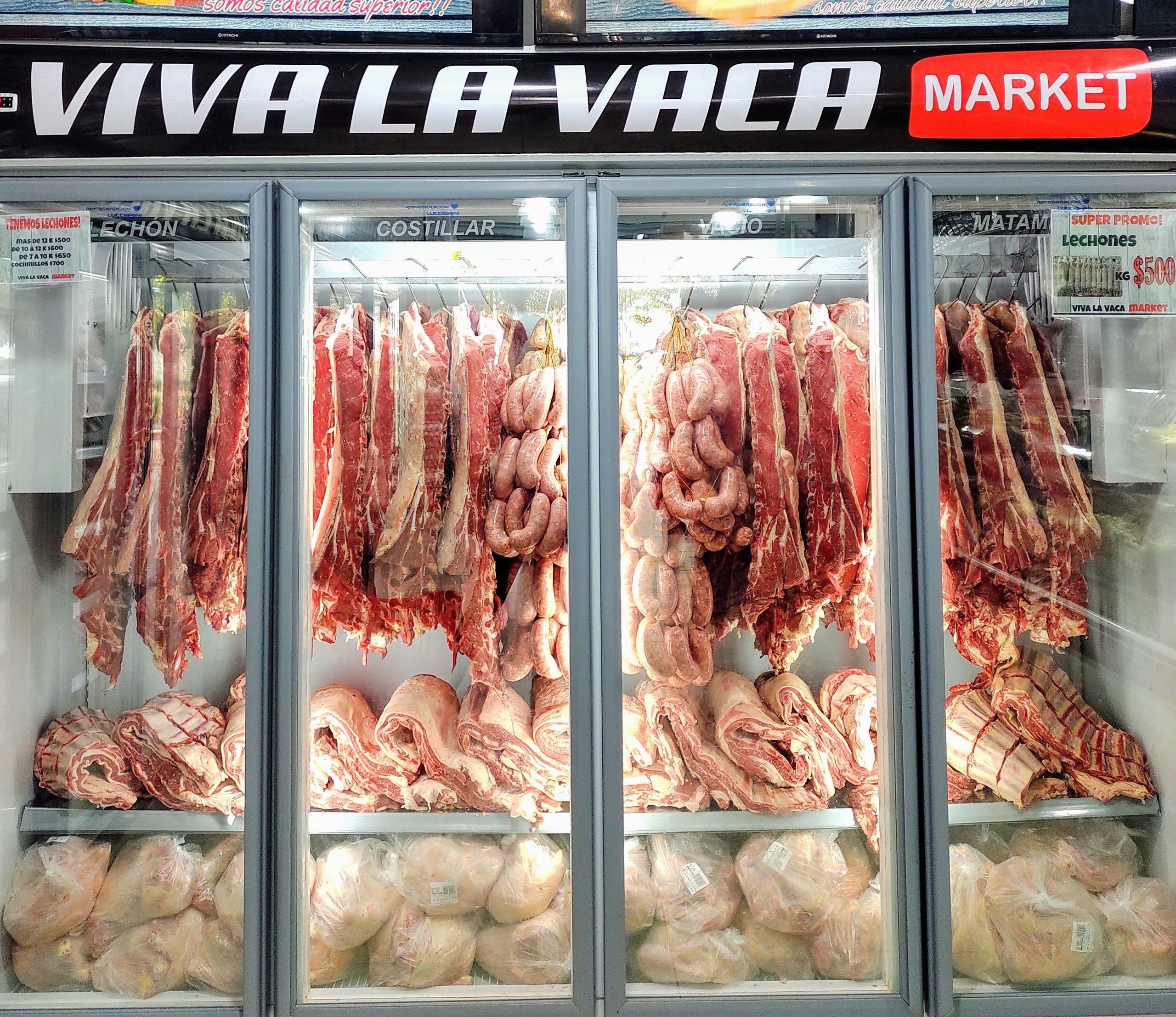
A frozen turkey or several cartons of milk may sound like generous donations, particularly around Thanksgiving and Christmas.
Unfortunately, not every food pantry has enough refrigerator or freezer space to accept these items.
Fresh meat, dairy products, and other perishables require careful temperature control during transportation and storage. Even when the food arrives in good condition, a pantry may not have room to keep it.
Some larger food banks have established partnerships with grocery stores, farms, and distributors to manage refrigerated donations.
For example, the Franklin Food Pantry explains that it does not accept direct donations of perishable foods, although financial gifts help it obtain those products through partner organizations.
What to give instead: Consider shelf-stable milk, canned chicken, canned tuna, dried beans, or peanut butter.
If you want to donate fresh produce, meat, or dairy, contact the pantry first. Some organizations welcome these foods through approved arrangements.
Dented Cans and Damaged Packaging
A can with a small dent might seem harmless. After all, if the food inside hasn’t been opened, why waste it?
The answer depends on the type and severity of the damage.
Sharp or deep dents, particularly around seams, can compromise a can’s seal. Bulging, leaking, or heavily rusted cans are also unsuitable for donation.
The same applies to boxes with torn inner packaging, containers with broken seals, and items with missing labels.
According to Oklahoma State University Extension, damaged packaging can create food safety concerns for donated groceries.
For pantry workers, checking questionable items requires additional time that could otherwise be spent helping families.
What to give instead: Select cans without significant dents, rust, or swelling. Choose sealed boxes, intact bags, and products with readable labels.
Taking a few seconds to inspect each item before donating can make the sorting process easier.
Food Packed in Glass Jars
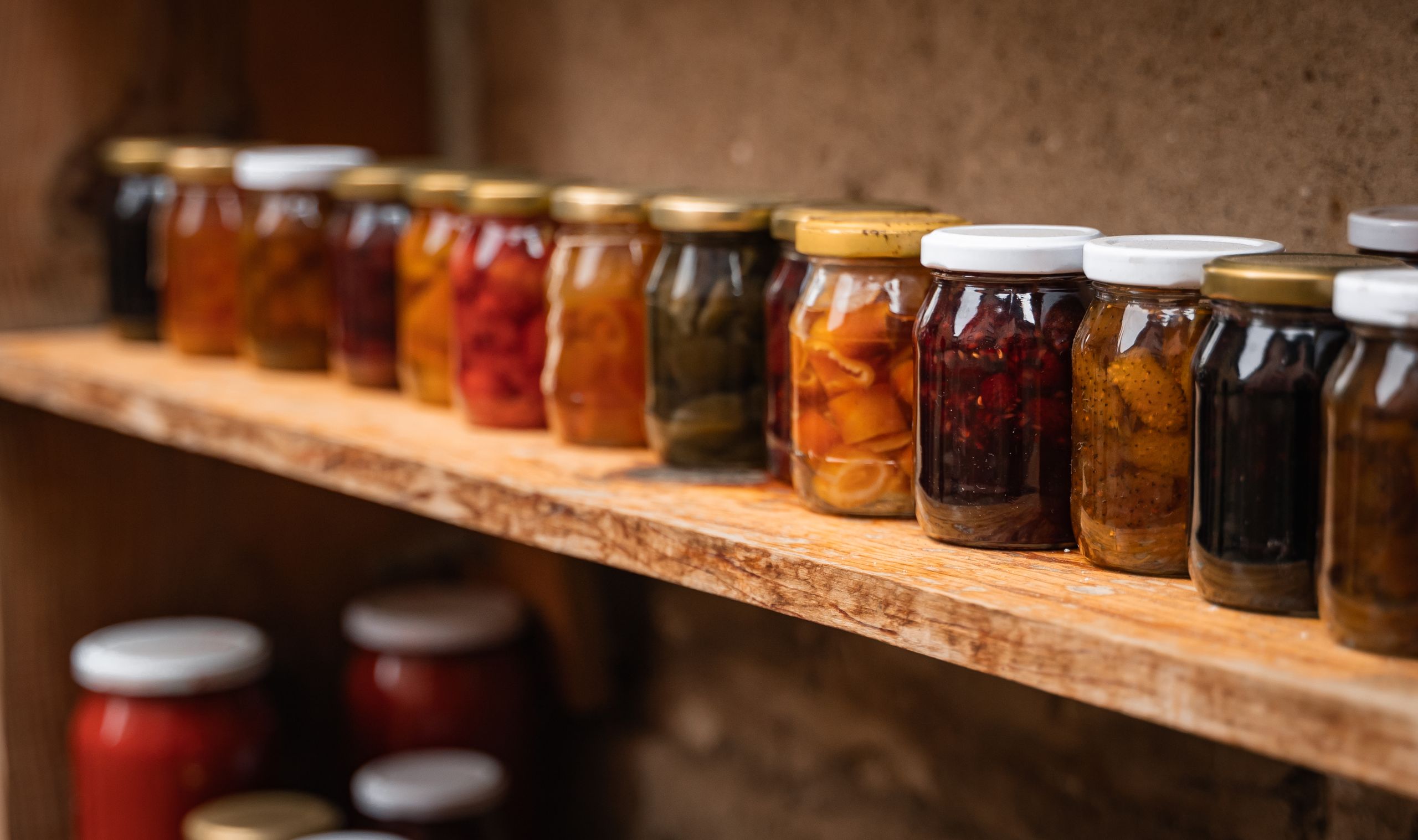
That beautiful jar of pasta sauce or fruit preserves might look like a wonderful donation. However, glass containers aren’t always practical for food pantries.
Glass can break during transportation, storage, or sorting. One broken jar can create a mess and potentially affect other donated groceries.
This is especially inconvenient for organizations moving large quantities of food through crowded storage rooms.
The Food Bank of Eastern Oklahoma recommends avoiding glass containers because they can break during transport.
That doesn’t mean every food pantry refuses glass. Some accept certain jars, particularly when donations are delivered directly and handled carefully.
What to give instead: Look for pasta sauce, fruit, vegetables, and other pantry staples packaged in cans, cartons, or durable plastic containers.
If you already have glass-packaged food, call ahead before dropping it off.
What Food Pantries Actually Need Most
Avoiding unsuitable donations is helpful, but knowing what to give is even better.
Many food pantries welcome practical, shelf-stable groceries that families can use in everyday meals. Common examples include canned beans, vegetables, fruit, rice, pasta, peanut butter, oatmeal, and canned proteins.
Some also welcome personal care products such as toothpaste, soap, shampoo, diapers, and menstrual supplies.
However, needs vary by location. A pantry serving older adults may request different products from one supporting families with young children.
That’s why checking the organization’s current wish list can be more valuable than guessing.
Financial donations are another option worth considering. Feeding America explains that money lets food banks buy needed supplies through established partnerships while supporting transportation, storage, and other operating expenses.
Even a modest financial contribution can give an organization more flexibility to respond to local needs.
The Bottom Line
Food donations are about more than clearing space in your kitchen. They’re about providing something another household can genuinely use.
While the intention behind a donation matters, the food’s condition, packaging, and practicality matter just as much.
Expired groceries, homemade meals, improperly coordinated perishables, damaged packages, and glass containers can all create challenges for certain food pantries.
Fortunately, better alternatives are usually easy to find.
Before your next donation, check expiration dates, inspect packaging, and see what your local pantry needs most.
And if you’re uncertain, make a quick phone call. That small effort can help ensure your generosity reaches the people who need it rather than creating additional work for volunteers.
The best donation isn’t necessarily the biggest bag of groceries. It’s the one a food pantry can actually use.