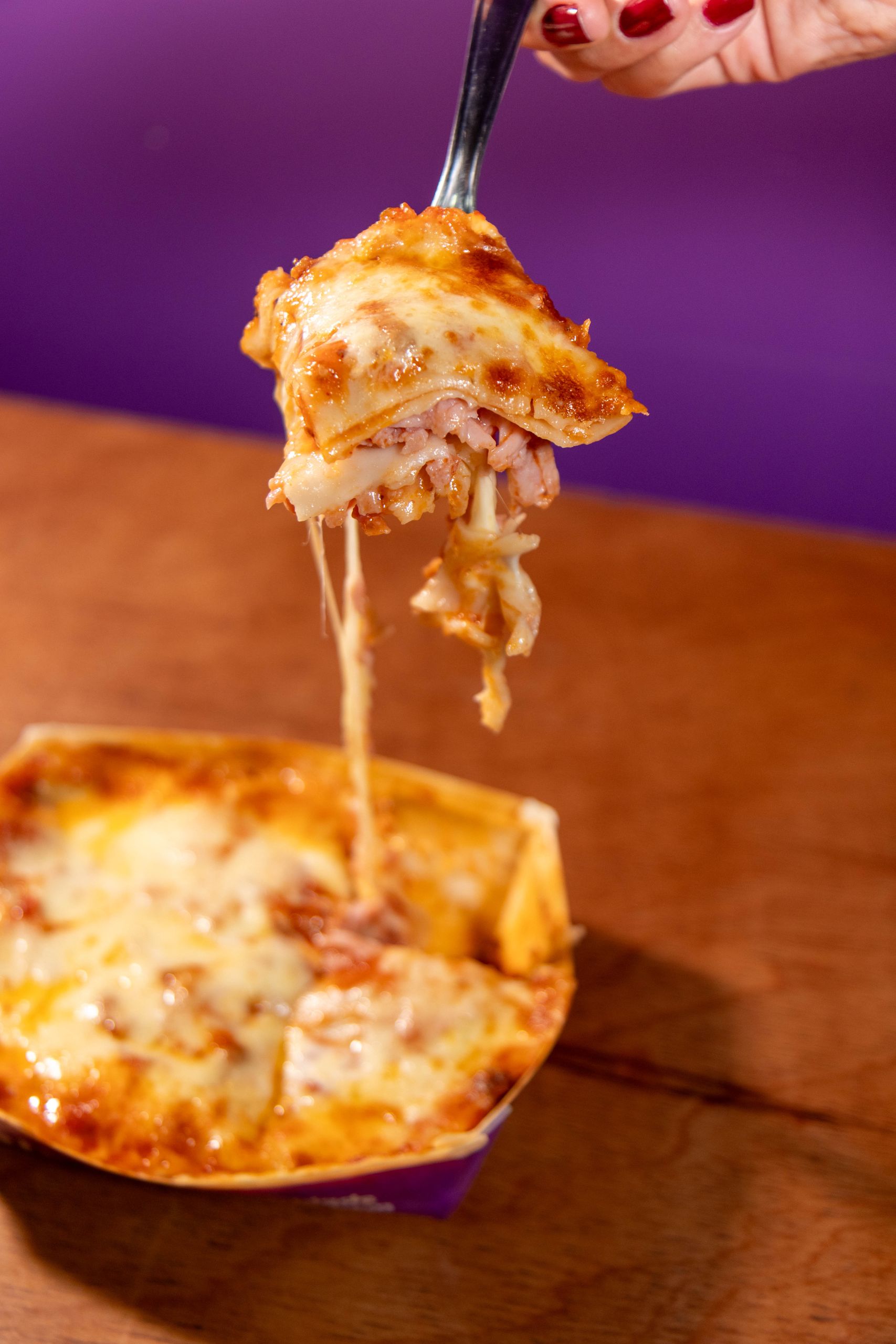
The photograph makes the decision look easy: neatly stacked pasta, bright tomato sauce and cheese stretching from a lifted fork. Somewhere behind that freezer door, dinner appears to be handled.
Then you start comparing boxes. One is a single portion; another looks ready for a shared table. The familiar brand has several varieties, and the tray you were about to grab may require a different cooking method than you planned.
Choosing frozen lasagna is less about finding one universal winner and more about matching a recipe to your dinner. Do you want ricotta between the layers, a particular meat filling, or a package that fits tonight’s schedule?
A quick look beyond the front of the box can help answer those questions. Before choosing your next tray, compare these ten details.
Read the Full Product Name
Start with the variety, not just the familiar logo.
“Meat & Sauce,” “Meat Lover’s,” and “Italiano” are not interchangeable descriptions. Stouffer’s distinguishes its Lasagna with Meat & Sauce from Lasagna Italiano, describing the former as beef in an herb-seasoned tomato sauce with mozzarella and the latter as a separate recipe featuring ricotta.
If you remember enjoying a particular lasagna, check the complete name before buying it again. A different variety may explain why the next tray is not what you expected.
Find Out What “Meat” Means
The word “meat” doesn’t tell you the full filling.
Rao’s lists both beef and pork in its Meat Lasagna ingredients. Stouffer’s describes the meat in its Lasagna with Meat & Sauce as beef. Checking the meat ingredients helps distinguish recipes that might otherwise look similar.
Compare the ingredients with the kind of lasagna you enjoy. Don’t assume every meat lasagna contains sausage, or that similar-looking boxes have the same combination.
Look Past the Cheese on Top
The cheese visible in the photograph is only part of the picture. Read the ingredients to see what is included throughout the dish.
Rao’s Meat Lasagna lists ricotta, mozzarella, and Romano. Stouffer’s description of its two lasagna recipes also shows why checking for ricotta can distinguish one variety from another.
The list will not reveal exactly how creamy or generously filled the finished slice tastes. It does, however, give you more information than a browned-cheese photograph alone.
Related: Overpriced Expenses That Leave You Feeling Ripped Off
Check the Sauce Description

Think about the sauce you want before reaching for a box.
Rao’s ingredient list includes Italian tomatoes, Italian tomato puree, onions, garlic, and spices. Stouffer’s describes its classic meat-and-sauce variety as having an herb-seasoned tomato sauce.
Those details help you compare recipes, although they cannot tell you exactly how the finished sauce will taste. Use them as clues, not guarantees, about sweetness, tanginess, or seasoning.
Compare Net Weight, Not Box Size
A large photograph can make a small tray look substantial. The net weight gives you a clearer comparison.
Rao’s lists its Meat Lasagna in 9-ounce, 27-ounce, and 54-ounce packages. Those are meaningfully different purchases, even though the recipe name is the same.
Check the ounces before comparing prices or deciding how much to buy. The smaller package may be the right choice for tonight, while the larger one requires a different plan for serving and storage.
Treat Serving Counts as a Planning Guide
A package’s stated serving count is useful, but it doesn’t guarantee how many people at your table will be satisfied.
Rao’s lists approximately three servings for its 27-ounce Meat Lasagna and approximately seven for the 54-ounce package. The listed serving amount for those larger packages is one cup.
Consider how you intend to serve it. Lasagna as the only dish is a different dinner than lasagna with bread and several sides. Plan around your household, not the word “family.”
Match the Cooking Method to Your Kitchen
Before buying, turn the package around and check the preparation directions.
Stouffer’s official preparation guidance emphasizes following instructions for the specific product and package size. Use the listed oven or microwave method rather than assuming a tray-based lasagna can be prepared in an air fryer.
If the oven will already be occupied, that matters. Choose a product with directions that work for your available equipment instead of planning to improvise later.
Count the Whole Preparation Process
Frozen does not necessarily mean dinner is minutes away.
Read the complete directions, including preheating, cooking stages, film adjustments, and standing time where specified. Stouffer’s notes that film instructions vary among products and that the package provides the definitive directions.
That makes the back panel worth reading before checkout, not after you get home. Compare the full process with the time you actually have, and resist borrowing instructions from a different tray you cooked last week.
Compare Prices Using the Same Unit
The cheaper box is not necessarily cheaper for the amount inside.
Consumer Reports’ unit-pricing guidance recommends comparing products using the same measurement and accounting for applicable discounts. For lasagna, price per ounce offers a straightforward starting point.
Divide the package price by its net ounces if the shelf labels do not provide a comparable figure. Then consider the total purchase: a lower price per ounce matters less if the larger tray doesn’t suit your plans.
Decide What Matters Most Tonight
Make your final choice around one or two priorities.
Perhaps you want a particular cheese combination. Perhaps the package needs to serve a shared dinner, or the preparation must fit around another dish. Those are concrete distinctions you can check.
Price per ounce helps compare quantity, but it can’t tell you which recipe you will enjoy most. Likewise, a longer ingredient description is not a taste-test result.
Choose the Lasagna That Fits Your Dinner
The goal isn’t to find a frozen lasagna that wins every possible comparison. It is to find one that suits your table, schedule, and preferences.
A few moments spent checking the recipe, package weight, and preparation directions can make the choice more deliberate. Start with what matters to you, then compare the details that support it.
On your next freezer-aisle trip, what will matter most: the filling, the cheese, the price, or how easily dinner comes together?