Diet soda has become a familiar choice for millions of Americans who enjoy fizzy drinks but want to avoid the sugar and calories found in regular soda. Whether it’s Diet Coke, Diet Pepsi, or another sugar-free favorite, these drinks promise the familiar sweetness without the traditional sugar content.
But how much do you really know about what’s inside that can?
For years, diet soda has sparked debates among researchers, nutrition experts, and everyday consumers. Some consider it a convenient alternative to sugary beverages, while others question its potential effects on weight management, dental health, and long-term well-being.
The truth is more complicated than simply labeling diet soda good or bad. Scientific findings continue to evolve, and understanding the evidence can help consumers make informed choices.
Here are eight important things to know about diet soda before reaching for your next can.
Diet Soda Contains Little or No Sugar, but It’s Still Sweet
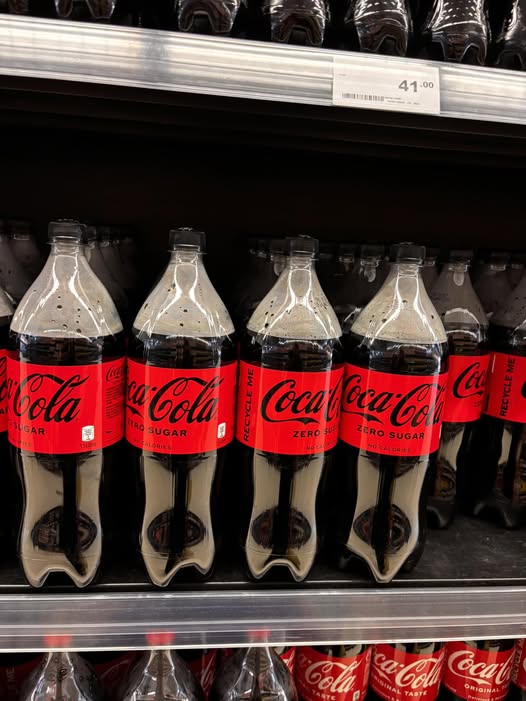
One of the biggest reasons people choose diet soda is its lack of added sugar.
Regular soft drinks are often packed with sugar. According to the Centers for Disease Control and Prevention (CDC), a typical 12-ounce can of regular soda contains approximately 42 grams of added sugar, equivalent to more than 10 teaspoons.
Diet soda generally replaces that sugar with low-calorie or zero-calorie sweeteners.
Common examples include aspartame, sucralose, acesulfame potassium, and saccharin.
These ingredients provide sweetness without delivering the same amount of calories as ordinary sugar.
However, different manufacturers use different sweetener combinations, meaning one diet soda may taste noticeably different from another.
The absence of added sugar also doesn’t automatically make a beverage nutritious. Most diet sodas contain few, if any, essential nutrients.
Consumers interested in reducing sugar intake should read nutrition labels rather than relying entirely on marketing claims.
Switching to Diet Soda May Reduce Your Calorie Intake
Replacing regular soda with a diet version can significantly reduce the calories consumed from beverages.
For example, someone who regularly drinks two cans of traditional soda could eliminate hundreds of calories from their daily beverage intake by switching to zero-calorie alternatives.
However, reducing beverage calories doesn’t necessarily guarantee weight loss.
Overall eating habits, physical activity, and other lifestyle factors influence body weight.
Research suggests that replacing sugar-sweetened beverages with low-calorie alternatives may help reduce calorie consumption, particularly in the short term.
But the long-term picture is less certain.
In 2023, the World Health Organization (WHO) released guidelines advising against relying on non-sugar sweeteners as a long-term weight-control strategy.
The organization found insufficient evidence of lasting benefits for reducing body fat.
Importantly, the WHO recommendation was conditional and wasn’t intended to replace established safety limits for individual sweeteners.
Diet soda can therefore reduce sugar and calories compared with regular soda without necessarily producing long-term weight loss.
Related:15 Tips for Weight Loss That Actually Work
Artificial Sweeteners Have Been Studied for Decades
Few diet soda ingredients attract as much attention as artificial sweeteners.
Aspartame, one of the most widely recognized examples, has been used in food and beverages since the 1980s.
Its safety has been reviewed repeatedly by regulatory authorities around the world.
In July 2023, the International Agency for Research on Cancer classified aspartame as possibly carcinogenic to humans, citing limited evidence.
That announcement generated significant headlines, but the classification doesn’t establish that typical consumption causes cancer.
At the same time, a separate WHO and Food and Agriculture Organization expert committee reaffirmed the acceptable daily intake of 40 milligrams per kilogram of body weight.
The U.S. Food and Drug Administration (FDA) also maintains that aspartame is safe when consumed within approved conditions of use.
The agency disagreed with the evidence supporting the cancer hazard classification.
These findings demonstrate why it’s important to distinguish between identifying a possible hazard and determining the actual risk associated with everyday exposure.
Diet Soda Can Still Affect Your Teeth
It’s easy to assume that removing sugar makes diet soda harmless to your teeth.
Unfortunately, the situation isn’t quite that simple.
While eliminating sugar reduces one contributor to tooth decay, many diet sodas remain acidic.
Ingredients used for flavor and preservation can contribute to that acidity.
According to the American Dental Association (ADA), frequent exposure to acidic beverages can gradually wear away tooth enamel.
This process, known as dental erosion, differs from cavities caused by bacteria feeding on sugars.
Over time, enamel erosion can leave teeth more vulnerable to sensitivity and other dental problems.
The ADA recommends limiting acidic beverages and avoiding habits such as holding soda in the mouth before swallowing.
Rinsing with water afterward may also help reduce acid exposure.
Another practical suggestion is to avoid brushing immediately after consuming acidic drinks. The ADA recommends waiting approximately an hour.
So although diet soda eliminates much of the sugar associated with regular soda, it doesn’t eliminate every dental concern.
Some Diet Sodas Contain Caffeine
Diet soda may be sugar-free, but that doesn’t necessarily mean it’s caffeine-free.
Many popular diet colas contain caffeine, although the amount varies depending on the brand and serving size.
Caffeine is a stimulant that can increase alertness and temporarily reduce feelings of tiredness.
For some consumers, that extra boost is part of the appeal.
However, drinking several caffeinated beverages throughout the day can add up, particularly when combined with coffee, tea, or energy drinks.
Excessive caffeine intake can contribute to sleep disturbances, nervousness, and a racing heartbeat in sensitive individuals.
According to the CDC, caffeine consumption of up to 400 milligrams daily can fit within a healthy eating pattern for most adults.
Individual tolerance varies, and some people need considerably less.
Anyone trying to reduce caffeine intake can look for caffeine-free versions of popular diet sodas.
Checking the product label is especially useful because similar-looking drinks may have different caffeine contents.
The Connection Between Diet Soda and Diabetes Is Complicated
Diet soda frequently appears in discussions about diabetes, but the relationship requires careful interpretation.
Some observational studies have found associations between consuming artificially sweetened beverages and an increased likelihood of developing type 2 diabetes.
However, an association doesn’t necessarily mean one causes the other.
For example, individuals who already have risk factors for diabetes may be more likely to switch from regular soda to diet beverages.
Researchers must account for such differences when interpreting study results.
The WHO’s 2023 review identified possible undesirable outcomes associated with long-term non-sugar sweetener consumption, including type 2 diabetes.
Nevertheless, the organization acknowledged that the evidence could be influenced by participants’ existing characteristics and complicated patterns of sweetener use.
Diet sodas typically contain little or no sugar, so they don’t produce the same direct sugar intake as regular soda.
But that doesn’t mean they can prevent diabetes or replace broader dietary and lifestyle recommendations.
People managing diabetes should consider their overall eating patterns and individual medical guidance rather than assuming every sugar-free beverage offers identical benefits.
Related:25 Ways to Lose Weight Without Exercise
Diet Soda May Not Be the Best Everyday Hydration Choice
Diet soda contributes fluid to daily hydration, which means it isn’t accurate to claim that drinking it automatically causes dehydration.
However, water remains a simpler everyday choice.
Plain water provides hydration without added sugar, artificial sweeteners, caffeine, or the acidity commonly found in cola beverages.
The CDC recommends choosing water instead of sugary drinks as one practical way to reduce unnecessary calorie consumption.
For people who find plain water boring, unsweetened sparkling water can provide a similar fizzy sensation.
Adding slices of cucumber, lemon, or berries can also make water more appealing without relying on heavily sweetened beverages.
Unsweetened tea is another option, although some varieties contain caffeine.
The important point isn’t that everyone must completely eliminate diet soda.
Instead, consumers can view it as one beverage option rather than their only source of daily fluids.
Small changes, such as replacing one afternoon soda with water, can make reducing dependence on sweetened drinks easier.
Drinking Diet Soda Doesn’t Automatically Make Your Overall Diet Healthier
Perhaps the most important thing to understand about diet soda is that one beverage cannot determine the quality of an entire diet.
Switching from regular soda to diet soda may reduce added sugar consumption.
But if someone’s overall eating habits remain unchanged, that substitution alone may have limited effects on long-term health.
Likewise, enjoying an occasional diet soda doesn’t automatically mean someone has an unhealthy lifestyle.
The bigger picture includes the variety of foods consumed, overall dietary patterns, physical activity, sleep, and individual health circumstances.
The WHO encourages reducing overall dependence on intensely sweet foods and drinks rather than simply replacing sugar with non-sugar sweeteners indefinitely.
That approach emphasizes establishing sustainable habits instead of looking for one ingredient or product that solves every nutrition concern.
Consumers should also remember that labels such as “diet,” “zero sugar,” and “low calorie” describe specific product characteristics.
They don’t guarantee that a beverage offers additional nutritional benefits.
Understanding that distinction makes it easier to evaluate diet soda without falling for exaggerated claims in either direction.
Other posts you may like:
10 Unhealthy Condiments and Their Healthier Substitutes