For years, Kroger has been one of the biggest names in American grocery shopping. But the latest market-share figures reveal a surprising shift: Costco has officially overtaken Kroger to become America’s second-largest grocery retailer by consumer spending share.
According to Numerator’s latest report, Costco captured 8.4% of U.S. food and beverage spending for the 12 months ending September 30, 2026. Kroger followed at 8.2%, while Walmart remained firmly in first place with 20.3%.
The gap may look small, but the change tells a bigger story about where Americans are choosing to spend their grocery money.
Costco Is Gaining Ground
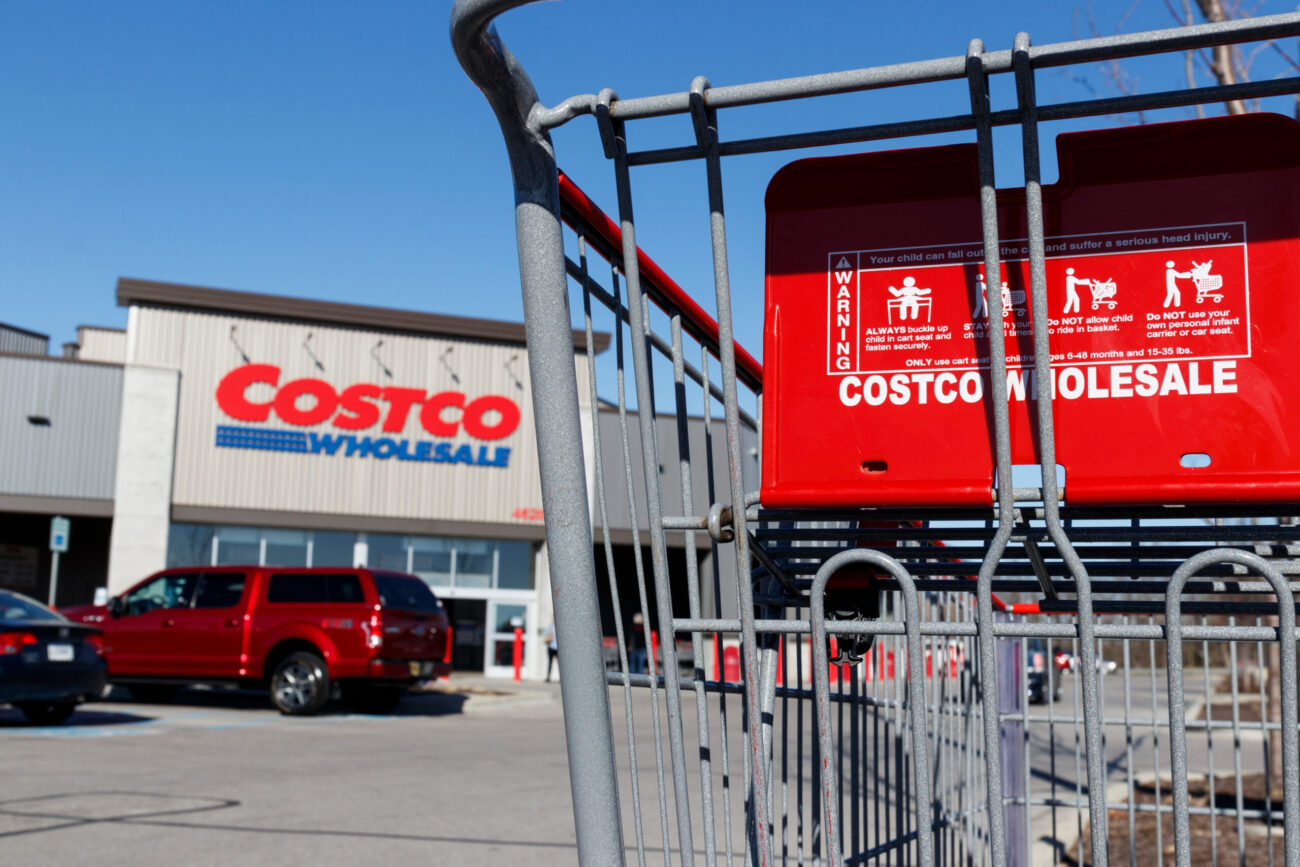
The warehouse club is becoming a bigger part of America’s grocery routine.
Costco’s grocery market share rose from 7.7% in 2024 to 8.4% in 2026. Kroger’s share moved in the opposite direction, declining from 8.7% to 8.2% over the same period.
That shift reflects a growing challenge for traditional supermarkets. Shoppers are increasingly spreading their grocery budgets across different retailers, buying bulk groceries and household essentials at warehouse clubs while turning to supermarkets for smaller purchases.
According to Supermarket News, Costco’s latest gains reflect a broader trend: warehouse clubs and online retailers are gaining ground as established supermarket chains lose share.
Why Costco Keeps Attracting Shoppers
Buying in bulk can look appealing when grocery budgets feel stretched.
Costco’s business model centers on selling large quantities of products, often at competitive per-unit prices. Families buying snacks, beverages, frozen foods, pantry staples, and household essentials may find value in larger packages.
The membership model also encourages repeat visits. Once shoppers pay for membership, they have an incentive to make enough purchases to feel they’re getting their money’s worth.
But bulk shopping isn’t automatically cheaper for everyone. The value depends on package sizes, storage space, household needs, and whether shoppers can use the products before they expire.
Kroger Is Facing a Tougher Grocery Market
The supermarket giant is under pressure to win back shoppers’ spending.
Kroger has announced plans to invest $5 billion in lower prices as it works to regain competitive ground. The company operates thousands of grocery stores and remains a major part of millions of Americans’ everyday shopping.
However, traditional supermarkets face a different challenge from warehouse clubs. They often offer a wider assortment of products, smaller package sizes, and convenient locations for customers who shop more often. That makes it hard to compete directly with Costco on every price and product.
Walmart Still Holds the Top Spot
Despite Costco’s rise, Walmart remains America’s grocery heavyweight.
Walmart captured 20.3% of grocery spending in Numerator’s latest report, putting it far ahead of both Costco and Kroger.
Its combination of groceries, household essentials, competitive pricing, and widespread store locations gives shoppers plenty of reasons to keep returning.
Costco’s success doesn’t mean Walmart is losing its position. Instead, the grocery market is becoming increasingly competitive, with different retailers attracting different types of shopping trips.
Related: 10 Companies That Send People Money When They’re Asked Nicely
What This Means for Everyday Shoppers
The biggest change may be how families divide their grocery budgets.
Some households may use Costco for bulk purchases and stock up on regularly used products. Others may prefer Kroger for fresh ingredients, smaller quantities, or quick shopping trips.
The key is comparing prices based on how much you actually use. A large package may offer a lower price per unit, but it won’t be a bargain if half of it goes to waste.
The Grocery Competition Isn’t Over
Costco’s latest milestone reminds us that America’s grocery habits keep evolving.
Traditional supermarkets are competing not only with other supermarkets but also with warehouse clubs, discount stores, and online retailers.
Costco has gained ground by giving shoppers a reason to spend more of their grocery budget at its warehouses. Kroger, meanwhile, will need to focus on the shopping experiences, prices, and products that keep customers coming back.
And for shoppers, more competition could mean better deals, more choices, and new ways to stretch a grocery budget.
The Numerator market-share report also shows that Costco’s gains are part of a wider shift in consumer spending across the grocery industry.
Do you shop at Costco, Kroger, Walmart, or a combination of all three when buying groceries?