Some of America’s most memorable meals never required expensive ingredients, fancy restaurants, or hours in the kitchen. In the 1960s, one sandwich became a familiar sight on family dinner tables and school cafeteria trays, winning people over with its rich flavor, affordability, and wonderfully messy appearance.
That sandwich was the Sloppy Joe: seasoned ground beef, tangy tomato-based sauce, and soft hamburger buns. Although American food trends have changed dramatically since the 1960s, this humble sandwich remains a comforting favorite, proving simple meals can stand the test of time.
The Sandwich That Defined Everyday American Comfort Food
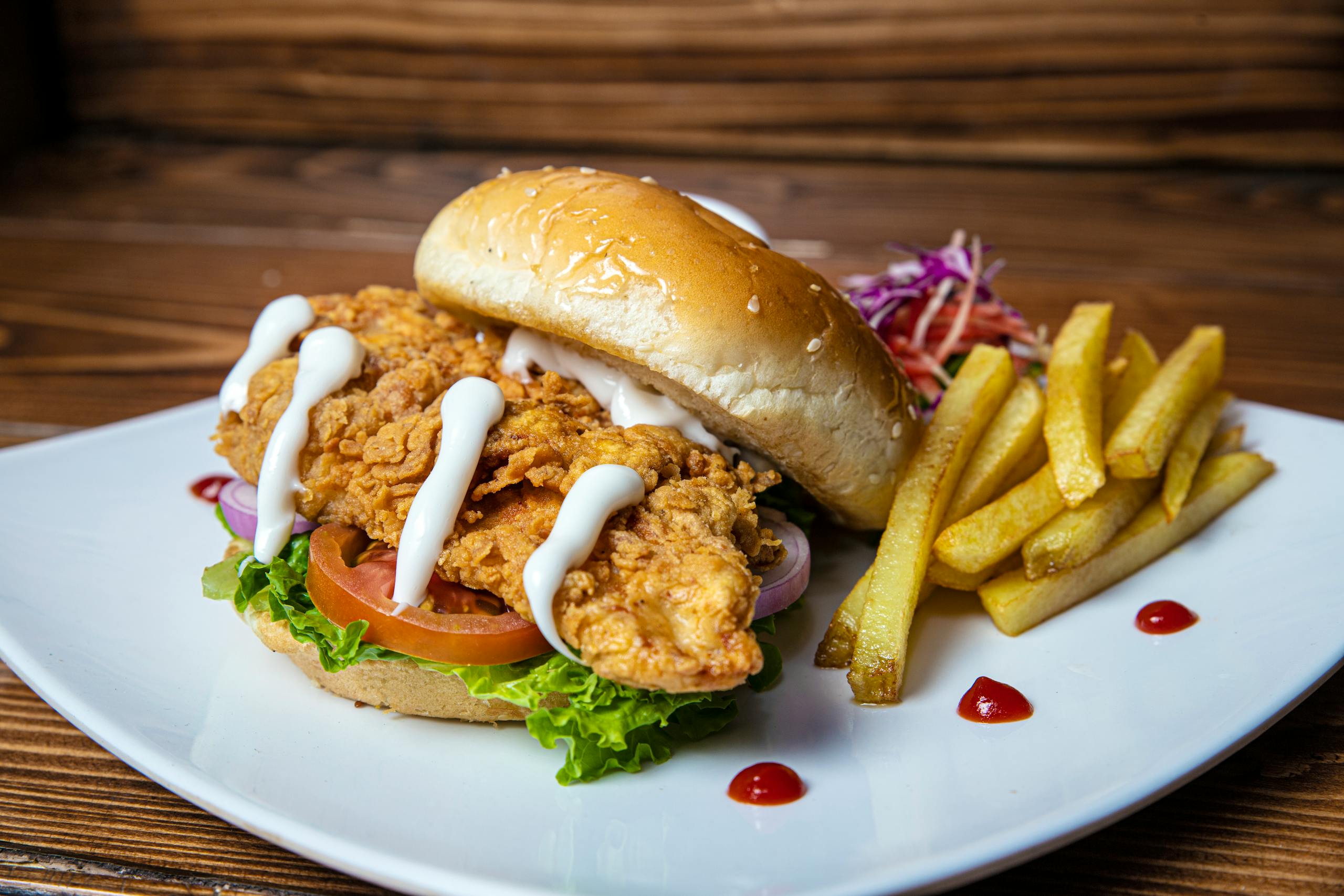
For many Americans who grew up during the 1960s, dinner wasn’t necessarily about elaborate recipes or impressive presentations. Families often relied on meals that stretched ingredients, fed several people, and fit busy schedules.
Sloppy Joes checked all those boxes.
The traditional sandwich consisted of ground beef cooked with onions, tomato sauce or ketchup, and seasonings. People spooned the mixture onto hamburger buns, creating a hearty meal that required little complicated preparation.
Unlike a traditional hamburger, the meat wasn’t shaped into patties. Instead, it stayed loose, letting the sauce coat every bite.
The result was deliciously messy, which is why the sandwich has such a memorable name.
Sloppy Joes were particularly practical for households feeding several children. A single skillet of filling could provide multiple servings, while inexpensive buns completed the meal.
Add potato chips, coleslaw, or a simple vegetable side, and dinner was ready without much fuss.
Sloppy Joes Were Popular Before the 1960s
Its exact origins remain uncertain.
One frequently repeated account credits a cook named Joe in Sioux City, Iowa, with adding tomato sauce to loose-meat sandwiches. However, historians have not established a definitive origin story.
What is clearer is that variations of the sandwich were circulating in American kitchens and cafeterias before the 1960s.
According to a historical examination published by MEL Magazine, references to Sloppy Joe sandwiches appeared in newspapers during the 1940s, and the dish was being served in school cafeterias by 1949.
By the 1960s, the sandwich was already part of American food culture.
Its continued popularity was helped by the growing demand for convenient family meals that didn’t require complicated cooking techniques.
Related:15 Foods From the ’60s Most Boomers Loved With a Passion
The 1969 Innovation That Made Sloppy Joes Even Easier
One key development helped make Sloppy Joes an even more convenient household dinner.
In 1969, Hunt’s introduced Manwich, a canned tomato-based sauce designed specifically for making Sloppy Joes.
Instead of measuring several ingredients and making sauce from scratch, home cooks could brown ground beef, add the sauce, and serve it on buns.
The idea was simple, but it fit an era when convenience foods were becoming increasingly important.
In an interview with MEL Magazine, Dan Skinner, then a brand communications manager for Conagra Brands, explained that Hunt’s had been looking to expand beyond its traditional canned tomato and vegetable products.
That effort led to the development of Manwich and other packaged food products.
Manwich eventually became closely associated with the Sloppy Joe sandwich itself.
For households looking to simplify weeknight dinners, canned sauce offered a straightforward alternative to preparing everything from scratch.
And more than five decades later, Manwich remains a recognizable grocery-store product.
Related:20 Quintessentially American Foods That Will Make Foreigners Gag and Cringe!
Why Middle-Class Families Loved This Messy Sandwich
The Sloppy Joe’s appeal wasn’t just about taste.
It represented practical home cooking that worked for everyday American families.
Ground beef could be combined with pantry ingredients, while bread or hamburger buns turned the filling into a complete handheld meal.
The recipe also allowed considerable flexibility.
Families could adjust the seasonings, add vegetables, or change the sauce based on what they had in the kitchen.
Another advantage for parents was that children generally didn’t need convincing to try a sandwich filled with savory meat and slightly sweet tomato sauce.
It was familiar, filling, and easy to serve.
Of course, not every household prepared Sloppy Joes the same way. Some preferred a sweeter sauce, while others added mustard, Worcestershire sauce, or additional spices.
Those variations made the sandwich feel like a family recipe rather than a rigid formula.
And because the dish could be prepared in one skillet, cleanup was relatively manageable.
For busy households, that convenience mattered.
School Cafeterias Helped Build Its Reputation
For many Americans, Sloppy Joes weren’t exclusively a family dinner.
They were also a familiar lunch at school.
During the mid-20th century, public school cafeterias regularly served meals designed to feed large numbers of children efficiently.
Sloppy Joes worked well in that setting because they could prepare the filling in large batches and portion it onto individual buns.
Their presence in school lunch programs introduced generations of children to the sandwich.
For some, the cafeteria version became a favorite. Others may remember struggling to keep the filling from falling onto their lunch trays.
Either way, the sandwich became part of a shared American food experience.
Today, that connection to childhood helps explain why Sloppy Joes continue to inspire nostalgia.
A sandwich doesn’t need an elaborate backstory to become memorable. Sometimes, all it takes is the familiar flavor of something you ate growing up.
The Recipe Still Works in Modern Kitchens
One reason Sloppy Joes have survived changing food trends is that they’re remarkably adaptable.
The basic recipe requires only a handful of common ingredients, and most of the cooking happens in a single skillet.
A simple homemade version can be prepared with:
- 1 pound of ground beef
- 1 small onion, finely chopped
- ¾ cup ketchup
- 1 tablespoon Worcestershire sauce
- 1 tablespoon brown sugar, optional
- 1 teaspoon yellow mustard
- Salt and pepper to taste
- 4 hamburger buns
Cook the ground beef and onion together in a skillet over medium heat.
Break the beef into small pieces as it cooks, and continue until the meat reaches a safe internal temperature of 160°F, as recommended by the USDA.
Drain excess grease if necessary.
Stir in the ketchup, Worcestershire sauce, mustard, and brown sugar. Season to taste, then simmer gently until the sauce thickens.
Spoon the filling onto hamburger buns and serve immediately.
The finished sandwich should be juicy and flavorful without becoming so watery that the bread falls apart.
It’s a straightforward recipe, but that’s exactly the point.
Modern Variations Keep the Classic Interesting
The traditional ground beef version remains popular, but Sloppy Joes don’t have to be made exactly as they were decades ago.
Ground turkey or chicken can replace beef for a different flavor profile, while cooked lentils or plant-based crumbles offer meatless alternatives.
Some home cooks add diced bell peppers, mushrooms, or shredded carrots to the filling.
Others prefer a smoky, barbecue-style sauce over the traditional tomato-heavy mixture.
Cheese is another easy addition.
Melting a slice of cheddar over the hot filling creates a richer sandwich, while toasted buns add texture and help prevent sogginess.
For a different presentation, you can also serve the mixture over baked potatoes or alongside rice.
These variations demonstrate why the original recipe has remained relevant.
It offers a flexible foundation that families can customize without needing professional cooking skills.
Why This 1960s Favorite Still Holds Up Today
Food fashions come and go, but not every classic deserves to disappear.
Sloppy Joes have endured because they deliver something many American households still appreciate: a satisfying, uncomplicated dinner made with familiar ingredients.
They’re also well suited to casual gatherings, family meals, and nights when nobody wants to spend hours preparing dinner.
Unlike dishes that depend on specialized ingredients, Sloppy Joes can be adjusted to personal tastes and whatever’s in the pantry.
For older Americans, they may bring back memories of school lunches and family dinners. For younger generations, they’re simply an easy way to put a flavorful sandwich on the table.
The recipe has changed in countless kitchens, but its basic appeal remains remarkably consistent.
More than 60 years after the sandwich became a familiar part of American dining, the Sloppy Joe continues to prove that comfort food doesn’t have to be complicated.
Sometimes, the meals worth keeping are the ones that make a mess, bring everyone to the table, and taste just as good as you remember.
Other Posts You Might Like:
Why Food Experts Advise Against Adding Mayo to Tuna Sandwiches