Ever wondered why a Caesar salad is called Caesar or who put the “Alfredo” in fettuccine Alfredo? Some of the world’s most recognizable foods are named after real people, and their stories are often more surprising than the dishes themselves.
From an English aristocrat who helped popularize the sandwich to a Mexican restaurant worker who created nachos, food history is full of unexpected connections. Some dishes honor royalty, others celebrate entertainers, and a few became famous almost by accident. Here are 12 familiar foods with interesting name histories.
Sandwich — John Montagu, the Earl of Sandwich
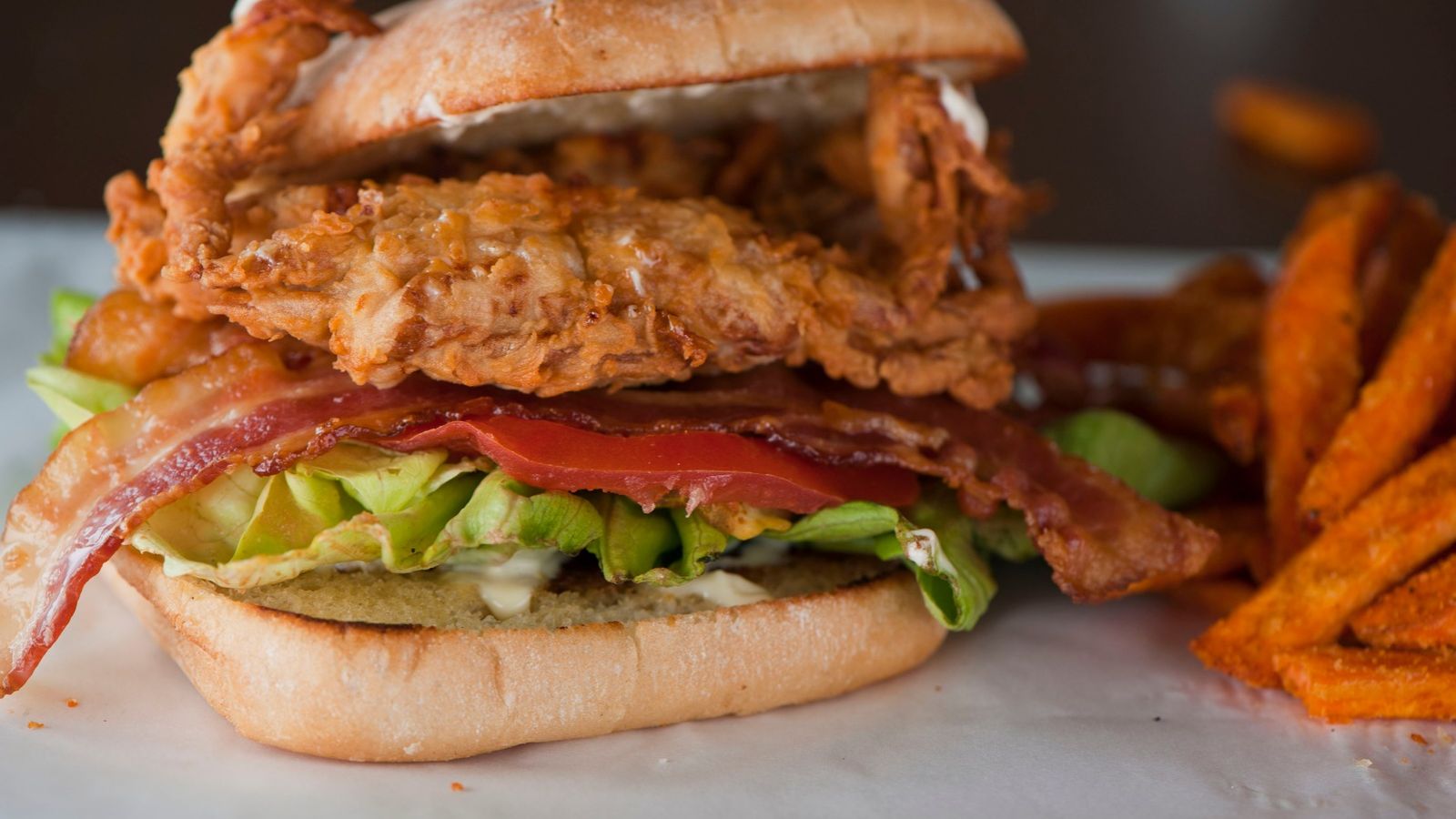
The sandwich is one of the world’s most convenient meals, but it gets its name from an 18th-century English aristocrat.
John Montagu, the fourth Earl of Sandwich, is traditionally credited with inspiring the name. According to a popular story, Montagu enjoyed playing cards and wanted something he could eat without interrupting his game.
His solution was to place meat between slices of bread. Others supposedly began requesting the same meal as a sandwich.
People had been eating bread with fillings long before Montagu’s lifetime. However, his title became attached to the food, giving us the everyday word “sandwich.”
Caesar Salad — Caesar Cardini
Contrary to popular belief, Caesar salad wasn’t named after Julius Caesar.
The famous salad is associated with Caesar Cardini, an Italian-born restaurateur who operated a restaurant in Tijuana, Mexico.
The dish is traditionally dated to July 4, 1924, when Cardini reportedly improvised a salad during a busy holiday weekend.
Using what he had on hand, he mixed romaine lettuce, croutons, Parmesan cheese, and a distinctive dressing.
Although some accounts dispute who first assembled the salad, Cardini’s name became inseparable from it.
Today, Caesar salad remains a staple on restaurant menus throughout the United States.
Nachos — Ignacio “Nacho” Anaya
Nachos might sound like a playful food name, but they were named after a real man.
In 1943, Ignacio Anaya was working at the Victory Club in Piedras Negras, Mexico, near the Texas border.
According to the widely accepted story, a group of American women arrived looking for something to eat while the regular cook was unavailable.
Anaya improvised a snack using fried tortilla pieces, cheese, and jalapeños.
He called his creation “Nachos Especiales,” using his nickname, Nacho.
The snack spread across the border and eventually became a favorite at American sporting events, movie theaters, and restaurants.
The Smithsonian has documented Anaya’s story and the dish’s remarkable popularity.
Fettuccine Alfredo — Alfredo Di Lelio
The dish is named for an Italian restaurateur who wanted to prepare something comforting for his wife.
Alfredo Di Lelio popularized the dish in Rome during the early 20th century.
Tradition says he prepared fettuccine with butter and Parmesan to encourage his wife to eat after childbirth.
This simple combination eventually drew international attention, particularly from American visitors.
Interestingly, the original Italian preparation was different from the creamy Alfredo sauce Americans commonly recognize today.
While American restaurant versions frequently include heavy cream, chicken, or shrimp, Di Lelio’s famous preparation relied on pasta, butter, and cheese.
His first name has since become one of the most recognizable names in Italian-American dining.
Cobb Salad — Robert Cobb
Cobb salad is a familiar American restaurant favorite, featuring chicken, bacon, avocado, eggs, and greens.
The salad is named after Robert Howard Cobb, owner of the Hollywood Brown Derby restaurant.
According to restaurant lore, Cobb assembled the salad during a late-night search for something to eat in the 1930s.
The combination reportedly proved so appealing that it eventually became part of the restaurant’s menu.
Although details surrounding the salad’s exact invention vary, its connection to the Hollywood Brown Derby and Robert Cobb is well established.
Today, the Cobb salad remains a popular choice for diners who want a substantial meal built around a variety of toppings.
Eggs Benedict — A Mysterious Benedict
Eggs Benedict is famous for its combination of poached eggs, English muffins, meat, and hollandaise sauce.
But identifying who the dish is named after is surprisingly complicated.
One widely repeated story credits Lemuel Benedict, a New York stockbroker who reportedly ordered a similar breakfast at the Waldorf hotel in 1894.
Another explanation links the dish to the Benedict family, customers of New York’s legendary Delmonico’s restaurant.
Both accounts have circulated for years, and food historians have not established a universally accepted origin.
One thing is certain: the Benedict name survived, even while the identity of the person who inspired it remains disputed.
Pavlova — Anna Pavlova
This light, elegant dessert was named after Anna Pavlova, the celebrated Russian ballerina.
Pavlova toured Australia and New Zealand during the 1920s, captivating audiences with her performances.
The meringue-based dessert associated with her name typically features a crisp exterior, a soft center, whipped cream, and fruit.
Its precise origin remains controversial, with Australia and New Zealand both maintaining strong connections to the dessert.
Historical recipes also suggest that several sweets carried Pavlova’s name before the modern dessert became standardized.
Regardless of which country deserves the most credit, the dessert remains a lasting tribute to one of ballet’s most famous performers.
Related: 9 Beloved Foods That Began as Poverty Staples
Peach Melba — Nellie Melba
Peach Melba sounds like an ordinary dessert name, but it honors an internationally celebrated opera singer.
Dame Nellie Melba was an Australian soprano whose performances attracted enormous attention during the late 19th and early 20th centuries.
French chef Auguste Escoffier created the dessert in her honor while working in London.
The classic version combines peaches, vanilla ice cream, and raspberry sauce.
Its popularity demonstrates how chefs once celebrated famous performers by naming elaborate dishes after them.
Melba’s name also lives on through Melba toast, another creation associated with Escoffier.
Granny Smith Apples — Maria Ann Smith
That familiar green apple in the grocery store was named after an actual grandmother.
Maria Ann Smith, commonly called Granny Smith, lived in Australia during the 19th century.
Around 1868, she discovered a promising apple seedling growing on her property in New South Wales.
The apple became known for its bright green skin, crisp texture, and distinctly tart flavor.
Growers gradually propagated the variety, and its popularity expanded far beyond Australia.
Today, Granny Smith apples are widely used in pies, baked desserts, and other recipes that call for a firm, tart apple.
For shoppers, the name may sound like a fictional character, but it preserves the identity of a real woman whose discovery became internationally successful.
Pizza Margherita — Queen Margherita
Pizza Margherita is one of the simplest and most recognizable Italian pizzas.
Its name is traditionally associated with Queen Margherita of Savoy, who visited Naples with King Umberto I in 1889.
According to the famous story, pizza maker Raffaele Esposito prepared a pizza featuring tomatoes, mozzarella, and basil.
The ingredients displayed the red, white, and green colors of the Italian flag.
The queen reportedly enjoyed the pizza, inspiring its royal name.
However, historians have questioned parts of the traditional account, particularly because similar pizzas existed before the royal visit.
Although the full story is debated, the name Margherita remains closely tied to the Italian queen and the pizza’s enduring identity.
Beef Stroganoff — The Stroganov Family
Beef Stroganoff is known for tender beef and a rich sauce, often made with sour cream.
The dish is associated with Russia’s prominent Stroganov family, whose members were influential aristocrats.
Although the precise person and circumstances behind the naming remain uncertain, the family’s surname became attached to the dish during the 19th century.
Over time, Beef Stroganoff traveled beyond Russia and developed numerous regional variations.
In the United States, people commonly serve it over egg noodles, while other versions feature rice, potatoes, or different accompaniments.
Its enduring popularity shows how a family name can become part of everyday cooking thousands of miles from its origins.
German Chocolate Cake — Samuel German
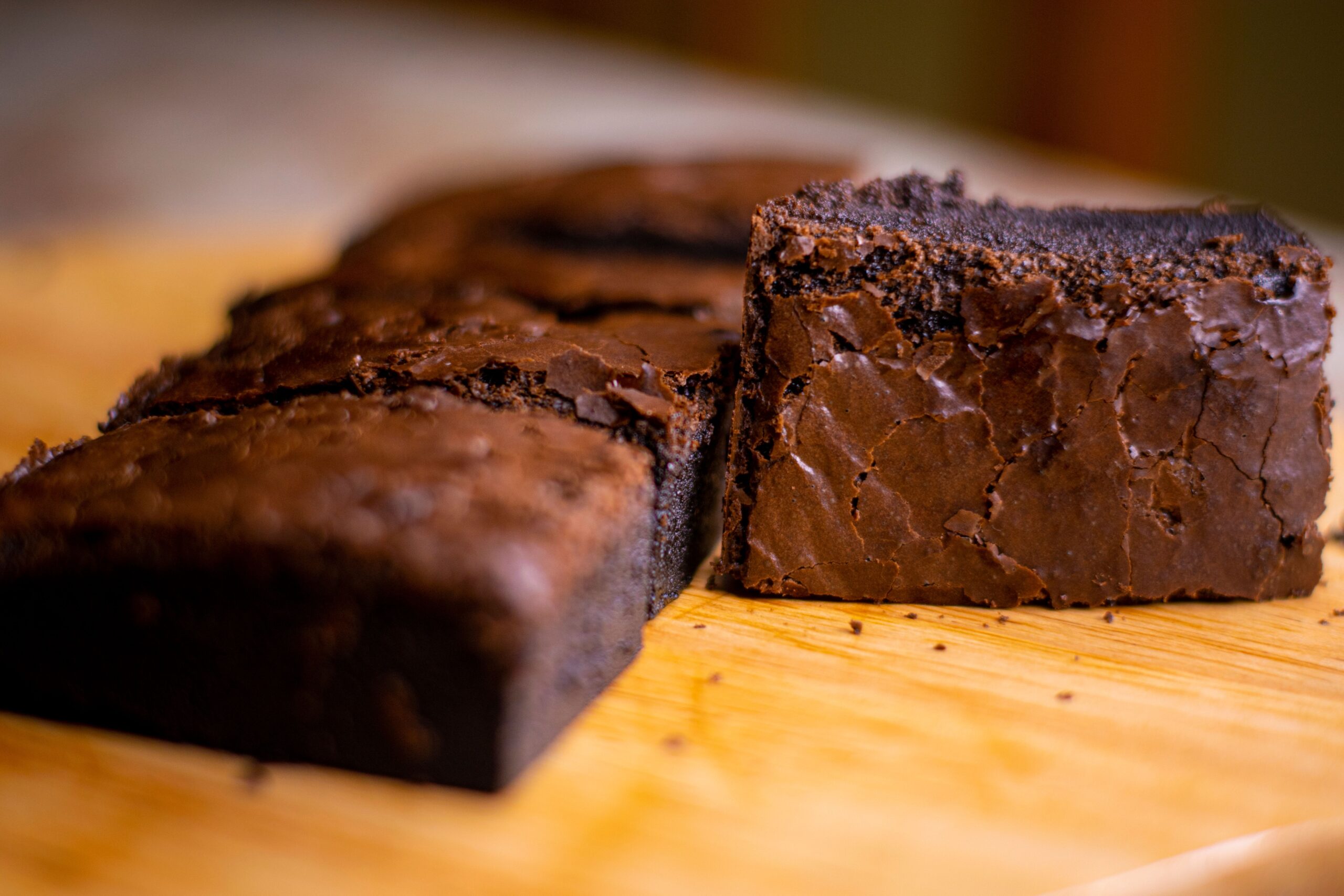
Here’s a surprising one: German chocolate cake wasn’t originally named after Germany.
It’s named after Samuel German, an English-American chocolate maker who developed a sweet baking chocolate for Baker’s Chocolate in 1852.
The product became known as Baker’s German’s Sweet Chocolate.
In 1957, a chocolate cake recipe using the ingredient appeared in a Dallas newspaper and became extremely popular.
As the cake spread across the country, people commonly dropped the apostrophe in “German’s.”
That small change helped create the mistaken impression that the dessert originated in Germany.
Today, its chocolate layers and distinctive coconut-pecan frosting make it a familiar favorite in American bakeries.
The Stories Behind Our Favorite Foods
The names of everyday foods often reveal unexpected historical connections.
A sandwich recalls an English nobleman, nachos celebrate a resourceful restaurant worker, and pavlova preserves the name of a famous dancer. Even German chocolate cake has a naming history that surprises many dessert lovers.
These stories also show that food history isn’t always straightforward. Some dishes have well-documented origins, while others are surrounded by competing claims and legends that have grown over generations.
Next time you order a Caesar salad, prepare fettuccine Alfredo, or bake with Granny Smith apples, consider the people whose names have become part of our everyday vocabulary.
Which food on this list surprised you the most, and what other familiar dishes have interesting stories behind their names?