The grocery store has become a place where even familiar foods can deliver an unpleasant surprise at checkout. You might walk in expecting to spend your usual amount, only to discover that a few everyday favorites now cost more than they did last year. From a bag of apples to a package of ground beef, those seemingly small increases can add up.
Grocery prices were 1.8% higher in September 2026 than in September 2025. However, not every food became more expensive. Some items, including eggs and butter, actually experienced significant year-over-year price declines.
The increases were particularly noticeable for certain fruits, beverages, grains, and meat products. Here are eight foods that became more expensive over the past year, based on the latest September 2026 Consumer Price Index figures, along with practical ways to make your grocery budget stretch further.
Apples
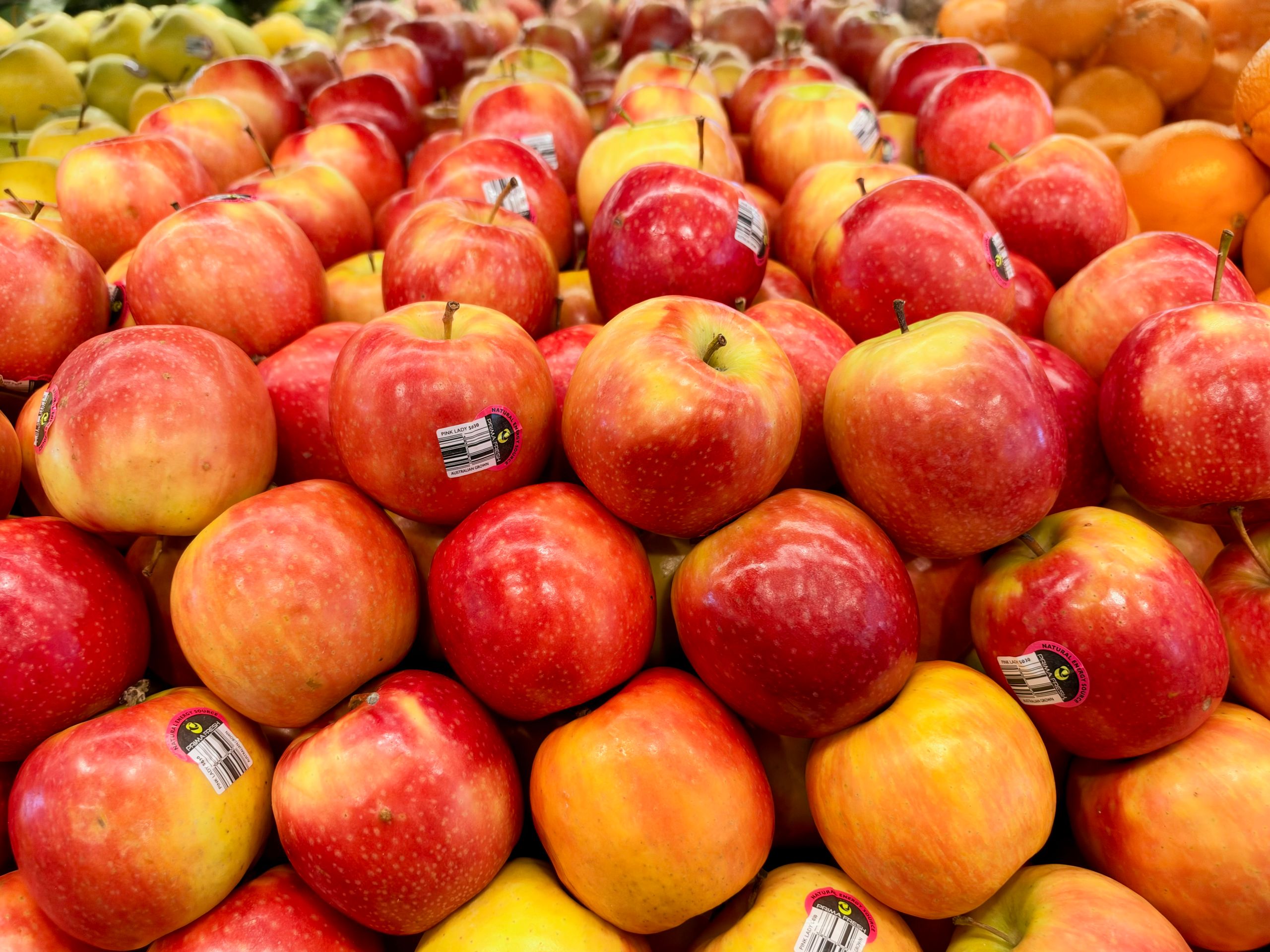
Price increase: 7.5% year over year
An apple might seem like one of the simplest things to add to your grocery cart, but this familiar fruit has experienced a noticeable price increase. BLS data show that apple prices were 7.5% higher in September 2026 than a year earlier.
That increase can affect households that regularly buy apples for snacks, baking, or homemade desserts. A bag that once fit comfortably into the weekly grocery budget may now require a little more consideration, especially when shopping for several people.
Interestingly, apple prices actually declined 1.4% between August and September 2026. This shows why comparing prices over different periods matters. A food can be cheaper in one month while still costing more than the previous year.
One practical approach is to compare loose apples with prepackaged bags and check the price per pound. Different varieties may also carry different prices, so choosing another type can sometimes make a favorite recipe more affordable.
Coffee
Price increase: 7.1% year over year
For many Americans, coffee is more than a grocery item. It is part of a familiar morning routine, and a kitchen cupboard without it can feel strangely incomplete.
Unfortunately, that daily favorite is becoming more expensive. According to the BLS, coffee prices increased 7.1% between September 2025 and September 2026. Roasted coffee rose 7.2%, while instant coffee increased 6.8% over the same period.
Coffee prices can be influenced by international production conditions, transportation expenses, and changes in supply and demand. However, the national figures do not mean that every coffee brand or package increased by precisely the same amount.
For regular coffee drinkers, comparing the price per ounce can be more useful than looking only at the shelf price. Larger containers aren’t automatically cheaper, especially when stores discount smaller packages.
Checking weekly promotions and comparing store brands can help keep the coffee pot brewing without unnecessarily stretching the grocery budget.
Related Post:7 Everyday Foods That Have Become Too Expensive to Buy Regularly
Rice
Price increase: 7.1% year over year
Rice has long been a convenient pantry staple because it works with so many different meals. Whether paired with beans, served alongside vegetables, or used in a one-pot dinner, it frequently forms the foundation of home cooking.
That versatility makes its recent price increase especially noticeable. Rice prices rose 7.1% over the 12 months ending in September 2026, according to federal consumer price data. Prices also increased 1.1% between August and September.
For households that cook rice several times a week, these changes can affect the cost of familiar meals. Even when the increase on an individual package appears modest, repeated purchases can make the difference more noticeable over time.
Consumers can compare different package sizes and calculate the cost per pound before buying. Larger bags may offer better value, but only when the household can reasonably use and store the contents.
It is also worth comparing different rice varieties rather than assuming they all cost the same. Choosing a less expensive option for everyday cooking can leave room in the budget for preferred varieties on other occasions.
Fish and Seafood
Price increase: 6.9% year over year
Fish and seafood already occupy a wide range of price points, from everyday canned products to premium fresh selections. Recent government figures suggest that shopping within this category has become more expensive overall.
Between September 2025 and September 2026, fish and seafood prices increased 6.9%. Fresh fish and seafood rose 6%, while processed fish and seafood climbed 8.2%. Shelf-stable fish and seafood products rose even more, up 8.9%.
These figures show that the increases are not limited to expensive fresh seafood. Products commonly kept in kitchen cabinets and freezers have also risen in price.
Seafood costs vary by species, processing method, availability, and where you buy it. As a result, shoppers may find considerably different prices for similar-looking packages.
Comparing frozen and fresh options can be worthwhile, particularly when preparing cooked dishes where either form works well. Checking the price per pound and considering less expensive varieties may also help keep seafood recipes within budget.
Tomatoes
Price increase: 6.8% year over year
Tomatoes are among those everyday ingredients that can disappear from the refrigerator surprisingly quickly. They find their way into salads, sandwiches, pasta sauces, soups, and countless homemade dishes.
Unfortunately, tomatoes have also become more expensive. BLS figures show tomato prices rose 6.8% between September 2025 and September 2026, with another 1.2% increase in September alone.
Fresh produce prices can change considerably throughout the year, especially when seasonal availability and growing conditions affect supplies. That means a tomato’s price today may look quite different from what shoppers encounter later in the season.
For recipes that call for cooked tomatoes, comparing fresh produce with canned alternatives may help. The best choice depends on the dish, the desired texture, and available prices.
Ground Beef
Price increase: 5.4% year over year
Ground beef remains a familiar ingredient in American home cooking. From hamburgers and meatballs to tacos, casseroles, and spaghetti sauce, it provides the foundation for many popular family dinners.
However, the cost has increased over the past year. Government figures show that uncooked ground beef prices climbed 5.4% between September 2025 and September 2026. Interestingly, prices fell 1.2% during September, offering some month-to-month relief.
Higher prices can become particularly noticeable when a recipe requires multiple pounds of meat. Families preparing large batches of chili, burgers, or pasta sauce may spend more than they expected.
Shoppers can compare prices across packages and stores instead of automatically choosing their usual brand. Buying during genuine sales and freezing appropriately portioned packages may also help manage spending.
Peanut Butter
Price increase: 3.8% year over year
Peanut butter is one of the kitchen staples that rarely needs much introduction. It appears in sandwiches, cookies, homemade sauces, and simple snacks, making it an easy addition to many grocery lists.
According to the BLS, peanut butter prices rose 3.8% in the year ending September 2026. Prices also rose 1.1% between August and September, putting it under recent price pressure.
Although that annual increase is smaller than those recorded for apples or coffee, it can still matter to households that purchase peanut butter regularly.
Comparing jar sizes is one straightforward way to shop more carefully. A large container may seem economical, but comparing its unit price with smaller options gives a clearer picture of the real value.
Bread
Price increase: 3.3% year over year
Bread is one of those grocery purchases that can seem almost automatic. Whether used for toast, sandwiches, or a quick accompaniment to dinner, it is a regular feature in many households.
Unfortunately, bread has not escaped rising prices. Federal data shows that bread prices increased 3.3% between September 2025 and September 2026, while white bread prices rose 3.5%.
Because people buy bread frequently, even a modest price increase can become noticeable over several shopping trips. The impact depends on what a household typically buys, including the type, brand, and quantity.
Comparing store brands, checking package sizes, and freezing extra loaves before they go stale can cut unnecessary spending and waste.
What These Price Changes Mean for Grocery Shoppers
The latest figures show that grocery inflation is not affecting every food equally. Some everyday favorites have risen well above the overall 1.8% increase in grocery prices, while others have become cheaper.
Compare prices instead of assuming everything is going up at the same rate. Paying attention to unit prices, seasonal options, store promotions, and the foods your household purchases most frequently can make grocery planning easier.
You may not be able to control food prices, but a little flexibility can help you keep familiar meals on the table without spending more than necessary.
Other Posts You Might Like:
7 Alarming Ways Rising Costs Are Shrinking the American Grocery Cart
10 Grocery Items Americans Are Cutting Back On Due to Inflation